




Plaster Art Sculpture
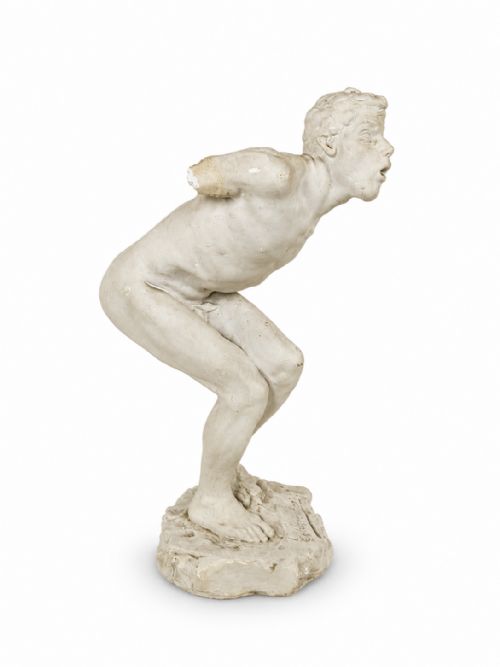
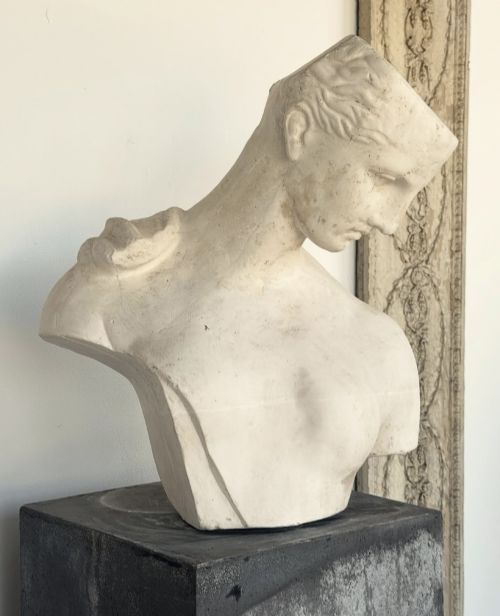
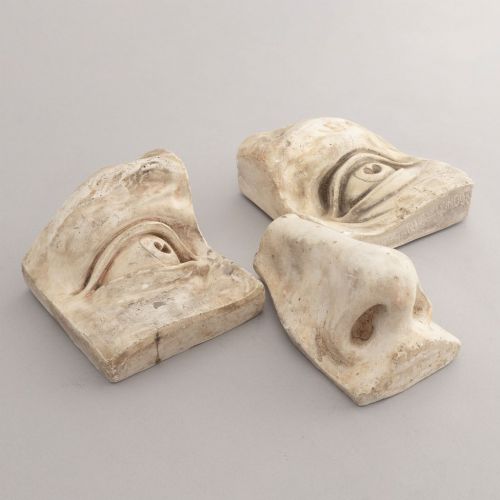
These plaster art sculpture pieces range from classical casts to Art Deco figures, offering tactile presence and historical form for interior display.
Plaster Art Sculpture
A plaster art sculpture brings classical presence, religious devotion, and modernist decorative style into domestic spaces through varied forms like busts, wall plaques, and statuettes. When searching for plaster art sculpture, you encounter diverse interpretations spanning the Victorian era through the Art Deco period and into the mid-twentieth century.
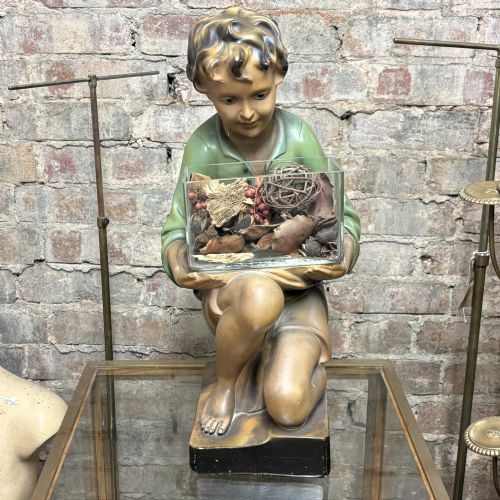
The selection on this page demonstrates remarkable variety in subjects, moving from religious depictions and classical studies of David to decorative figures like boys holding trays or hoops. Pieces emerge from origins including England, France, Germany, and Austria, showing how different European workshops adopted the medium for both solemn and decorative purposes.
Formats vary widely between free-standing statues, relief panels, wall plaques, and shadowboxes, allowing these works to function as architectural ornaments or cabinet centerpieces. The range encompasses both monumental busts and smaller statuettes, reflecting the diverse scale of production across the nineteenth and twentieth centuries.
Materials and Construction
Plaster art sculpture relies fundamentally on gypsum plaster, sometimes enhanced with marble dust or supported by underlying wooden structures and gesso layers. These foundational materials are cast from moulds and occasionally combined with terracotta elements to form the core body of the sculpture.
Surface treatments define the visual character of many pieces, utilising paint, hand-painted details, or bronzed finishes to imitate metal or stone. This finishing work transforms plain white cast material into patinated portraits, polychrome religious figures, or metallic-effect decorative statues.
Plaster Art Sculpture Retail Price Guide 2026
Typical asking prices for plaster art sculpture among the pieces listed under this phrase on Sellingantiques today, from the lower quarter to the upper quarter. They describe what is for sale here now, not the wider market.
Listings feature gypsum plaster, marble dust, and terracotta materials used across Victorian, Edwardian, and Art Deco periods.
Assessing Quality and Execution
The distinction between ordinary and superior works rests in the crispness of the modelling and the sensitivity of the surface finish. Finer examples retain sharp facial expressions and clean relief lines in the casting process, whereas lesser pieces lose detail through worn or repetitive moulding.
Artistic authorship and workshop provenance elevate certain statues, particularly when works bear distinct signatures or registry marks from named makers and specific Parisian foundries. Hand-painted surfaces and careful bronzing applications demonstrate greater atelier skill than mass-produced, uniformly coated commercial editions.
Rouillard Angers·Bohumil Rezl
The Plaster Art Sculpture Glossary
- Plaster cast
- A copy of a sculpture made by pouring gypsum plaster into a mould taken from an original work. These objects allowed institutions and homes to own replicas of famous classical antiquities.
- Relief
- A sculptural technique where the figures project from a flat background plane. Works range from shallow low relief to deep high relief on wall plaques.
- Gesso
- A plaster-like mixture used as a smooth surface preparation or ground for painting and gilding. It provides a dense layer that holds fine decorative detail.
- Bronzed plaster
- A plaster sculpture finished with a metallic paint coating to simulate cast bronze. This technique was widely used during the Victorian and Edwardian periods for affordable display pieces.
- Polychrome
- Painted in several colours, frequently seen on religious folk art statues and figures. The pigment adds naturalism or symbolic decoration to the cast form.
Plaster Art Sculpture: Frequently Asked Questions
Were these sculptures made for churches or homes?
The pieces serve both domestic and ecclesiastical environments, with religious shadowboxes and saint statues originating from devotional spaces, while busts and statuettes were designed for drawing rooms.
Art Deco figures and classical figures specifically catered to secular interior decoration during the early twentieth century.
How can I tell an Art Deco piece apart from a Victorian one?
Art Deco sculptures typically display streamlined geometric forms, stylized clothing, and modern motifs like hoops or trays, reflecting the design trends of the 1920s and 1930s.
Victorian and Edwardian examples lean heavily toward classical revivals, highly detailed academic modelling, and solemn religious subjects.
Why are some plaster figures finished in bronze?
Bronzing allowed makers to offer the prestigious appearance of cast metal sculpture at a significantly lower production cost during the nineteenth and early twentieth centuries.
This metallic paint application gave affordable decorative statues a weighty, dignified presence suited to contemporary interior display tastes.