




Pink Red Rug
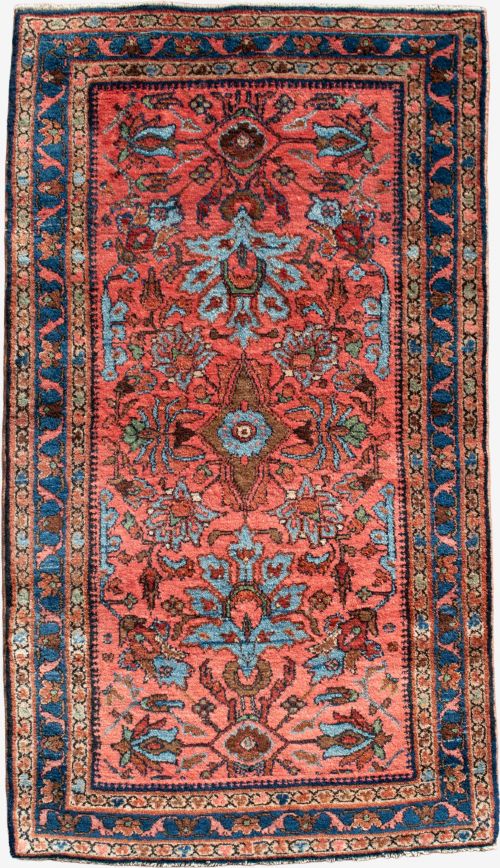
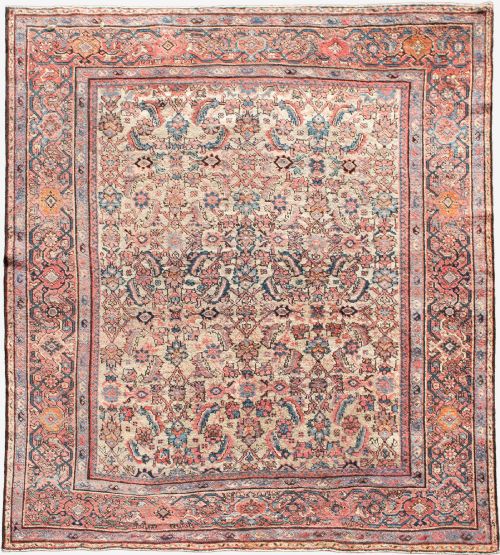
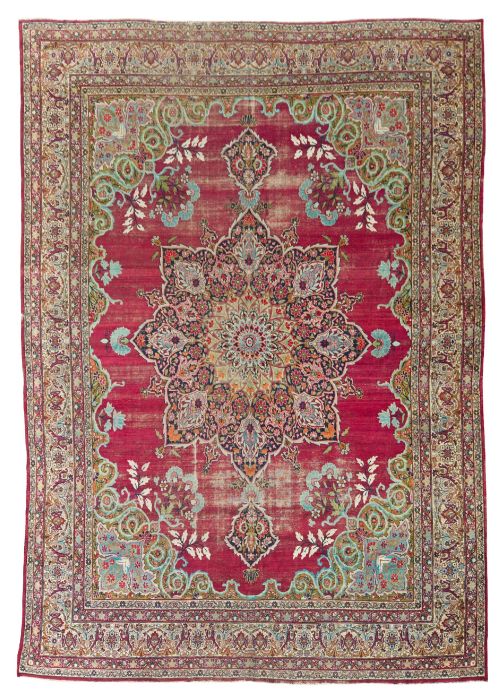
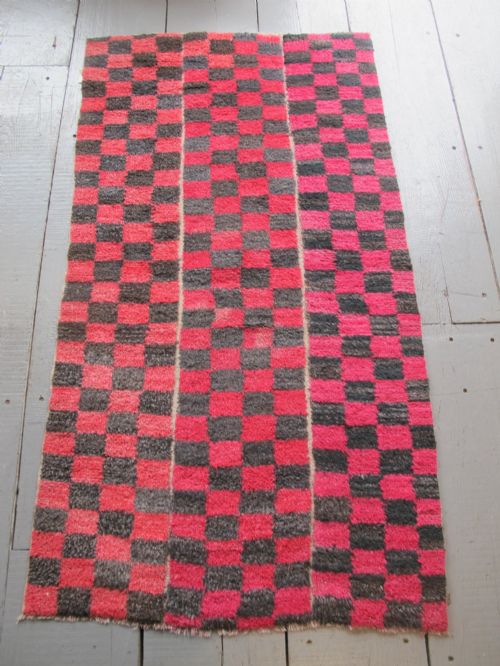
These pink red rug examples are woven floor coverings and textiles that bring distinct floral or geometric colour to a room.
Pink Red Rug
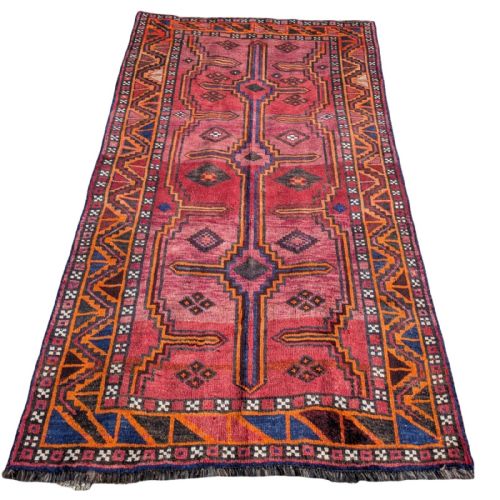
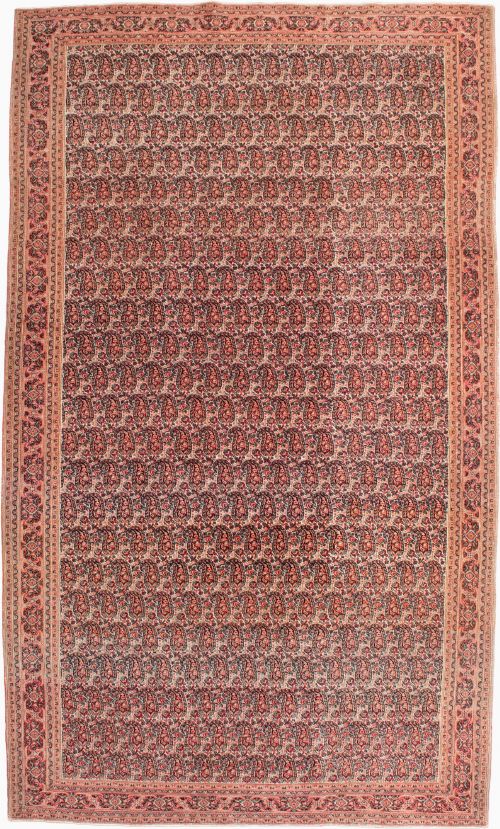
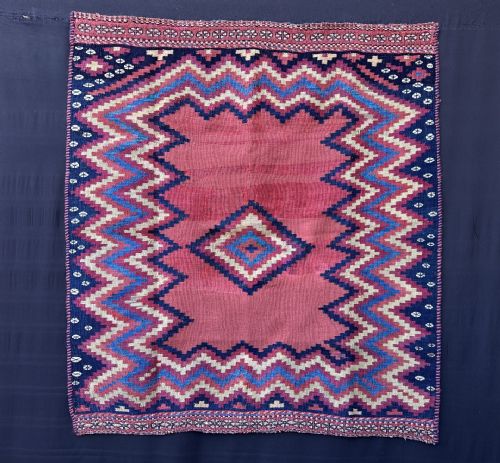
A pink red rug encompasses hand-woven carpets, village rugs, flatweaves, and embroidered textiles originating from Persian, Turkish, Caucasian, Central Asian, and European centres. When searching for a pink red rug, buyers encounter floor coverings and decorative pieces spanning the late nineteenth and early twentieth centuries, particularly from the 1860s through the 1930s.
The selections on this page range from room-sized Persian carpets like Kirman, Sarouk, and Ushak to smaller village and tribal pieces such as Hamadan, Luri, Afshar, and Mujur rugs. Alongside these floor coverings, buyers find specialised forms including Tibetan meditation rugs, Bessarabian kilims, French Aubusson squares, Uzbek suzanis, and silk ikat purses.
Village and tribal traditions dominate the smaller formats, showing geometric medallions and nomadic motifs, while city workshops produce finely knotted floral room-size carpets with rose pink and crimson fields. This variety allows collectors to select pieces suited for specific spaces, from large drawing room carpets to small bedside mats and wall-hung embroideries.
Materials and Construction
These textiles rely predominantly on wool foundations and piles, occasionally incorporating cotton warps and foundation threads, particularly in Persian and Anatolian workshop carpets. Silk appears in specific items such as Suzani embroideries and purses, while Tibetan pieces utilise specialised Tibetan wool.
Natural dyes provide the characteristic pink, red, rose, and crimson tones seen across the inventory, interacting with the wool fibres over decades to develop rich patinas. Hand-weaving techniques include knotted pile construction for carpets and rugs, flatweaving for kilims, and needlework embroidery on cotton grounds for Suzanis.
Pink Red Rug Retail Price Guide 2026
Typical asking prices for pink red rug among the pieces listed under this phrase on Sellingantiques today, from the lower quarter to the upper quarter. They describe what is for sale here now, not the wider market.
Listings feature pieces spanning the 1860s to the 1930s, utilising wool, cotton, silk, and natural dyes across Persian, Turkish, and Central Asian styles.
Distinctions in Quality
Quality in these textiles rests upon knot density, the precision of the woven design, and the stability of the foundation materials. Finer workshop carpets display intricate curvilinear floral schemes and even pile wear, whereas tribal pieces showcase vigorous, spontaneous geometry with heavier wools.
The preservation of natural dye saturation and the integrity of the original borders and selvedges dictate the standing of a piece. Distressed surfaces or worn areas alter the visual balance, though skilled historic repairs or honest patination can maintain the aesthetic integrity of older village and city carpets.
The Pink Red Rug Glossary
- Pile
- The vertical tufts of wool or silk that form the soft surface of a knotted rug. This is sheared to an even height during production.
- Warp
- The vertical foundation threads stretched lengthwise on the loom before weaving begins. Weft threads pass horizontally between them.
- Weft
- The horizontal threads interlaced through the warp threads to hold the knots or flatweave structure in place. They form the underlying grid of the textile.
- Kilim
- A flatweave textile produced without a raised pile, utilising interlocking weft techniques. These are common in Anatolian and Bessarabian traditions.
- Suzani
- An embroidered decorative textile created with silk thread on a cotton ground, originating from Central Asian traditions. They often feature large circular floral motifs.
Pink Red Rug: Frequently Asked Questions
How do I care for an antique rug?
Vacuum gently without using a rotating brush roll to protect the wool pile and fringe. Keep the textile out of direct sunlight to prevent fading of natural red and pink dyes.
Rotate the rug periodically to ensure even wear across high-traffic areas. Professional cleaning should be undertaken sparingly by specialists experienced in antique textiles.
Where were these woven rugs made?
The pieces originate from diverse weaving regions including Persia, Turkey, Central Asia, and Europe. Major production centres include towns like Kirman, Sarouk, Ushak, and Kashan.
Nomadic and village groups such as the Afshar, Luri, and Lakai tribes also produced distinct regional carpets and embroideries. Each location utilised local materials and dyeing traditions.
What is the difference between a carpet and a rug?
Carpets generally refer to larger floor coverings designed to occupy a substantial portion of a room. Rugs typically describe smaller formats intended for specific areas or accent placement.
Both terms often overlap in historic descriptions, but room-sized workshop pieces are usually classified as carpets. Smaller village and nomadic formats are designated as rugs.
How do I determine the age of a textile?
Age is assessed through structural analysis, examining the type of wool, dye palette, and knotting technique. Stylistic indicators such as specific floral motifs or geometric medallion layouts help narrow the production period.
Wear patterns, fringe condition, and selvedge construction further support dating within the nineteenth and early twentieth centuries. Documentation and historic attribution by dealers provide additional context.