




Pink Oriental Rug
A pink oriental rug brings warmth and traditional pattern to a room, drawing on centuries of weaving heritage from Persia, Turkey, and beyond.
Pink Oriental Rug
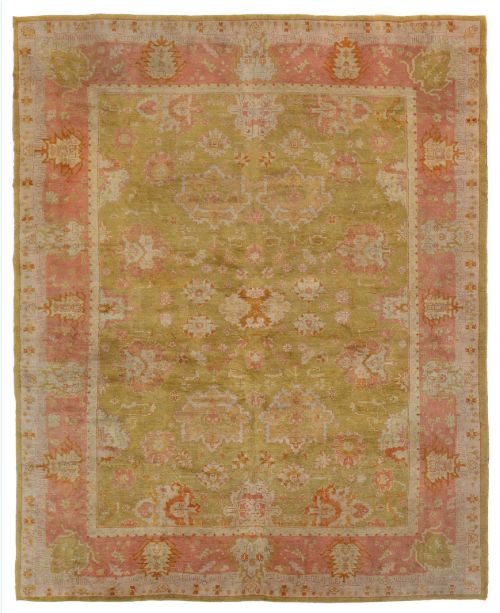
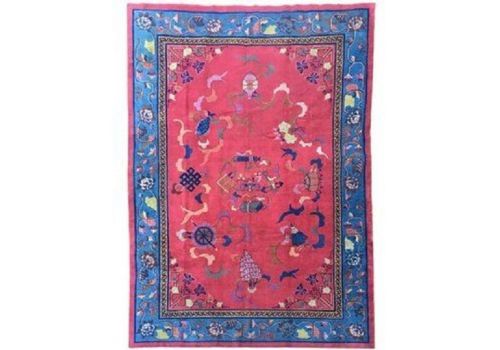
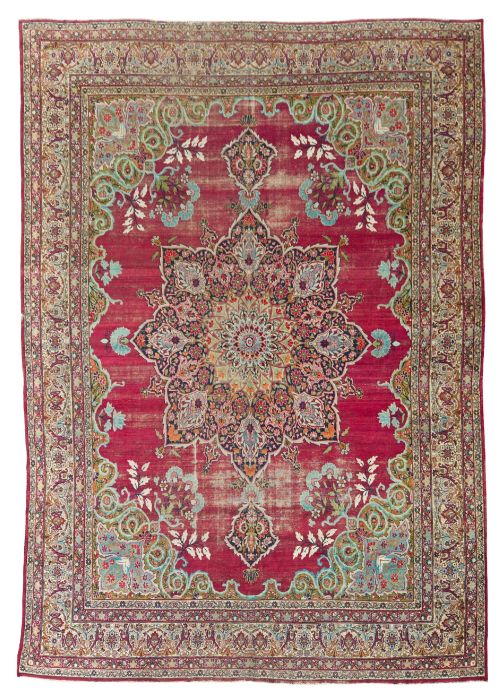
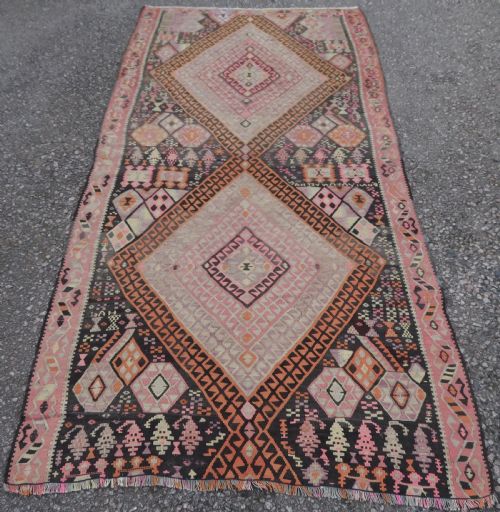
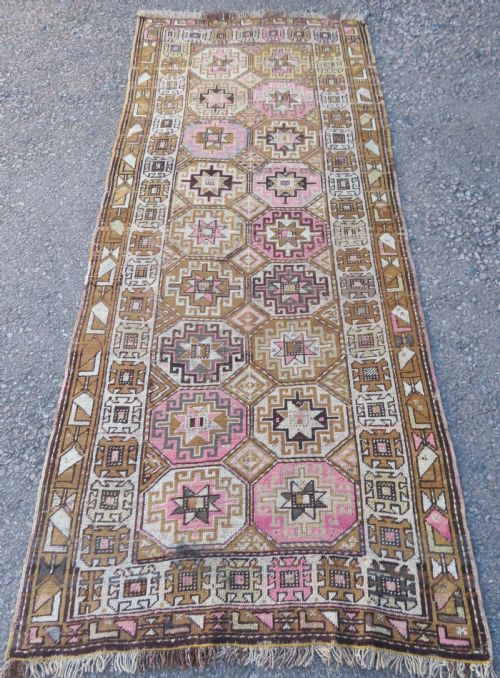
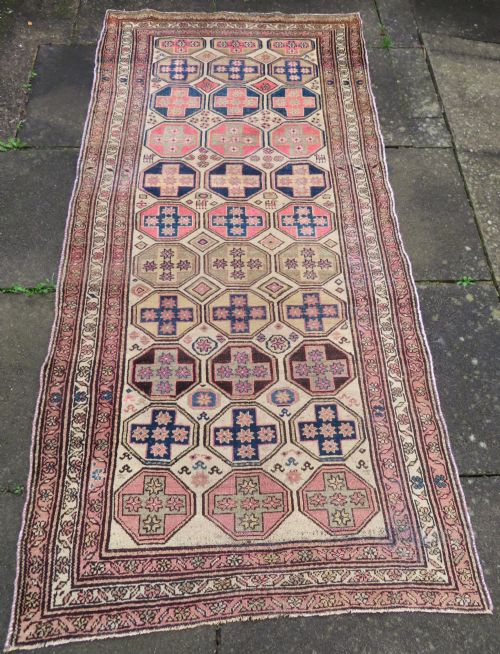
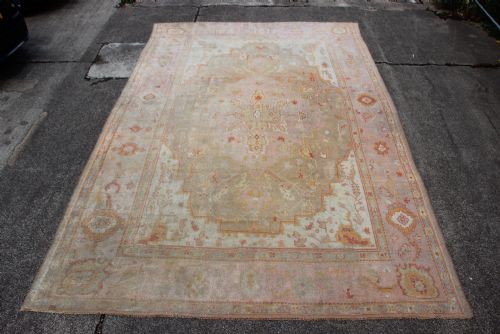
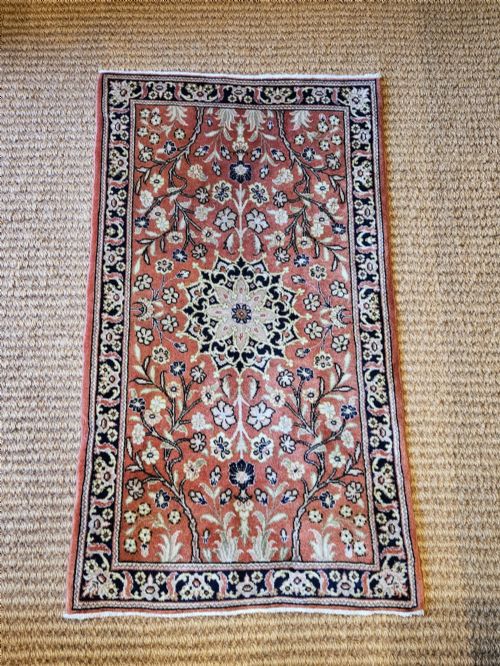
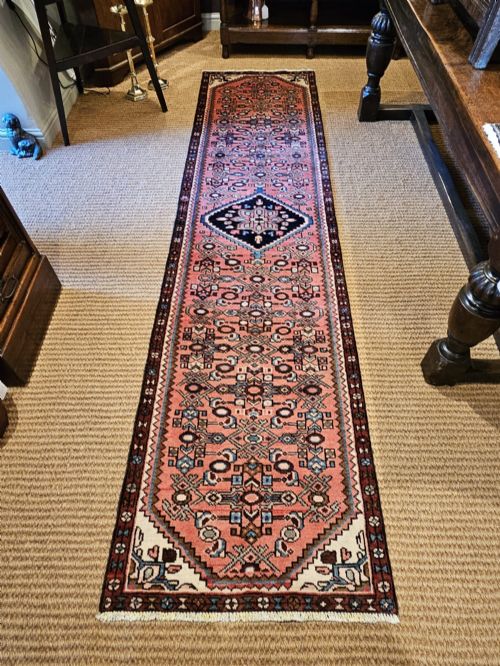
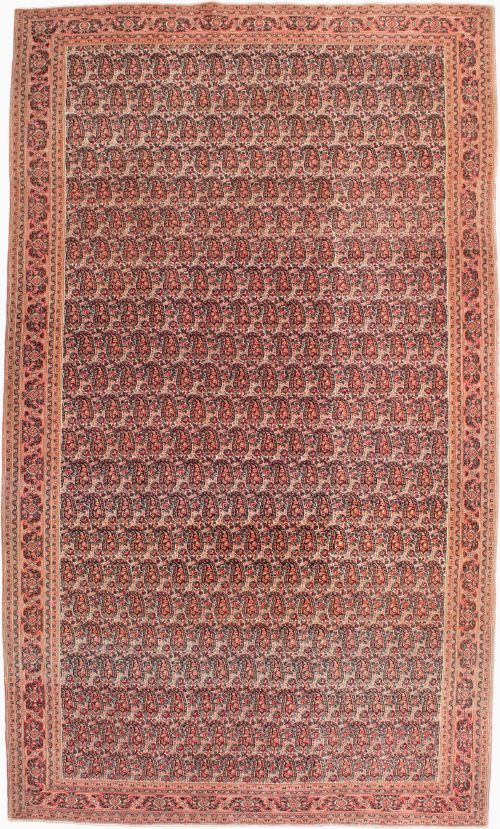
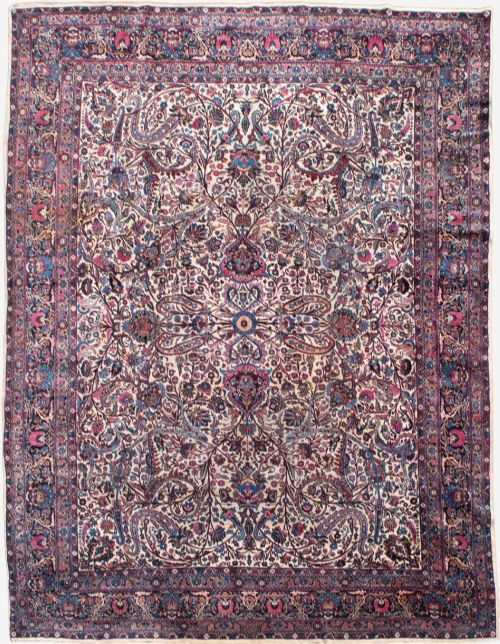
A pink oriental rug encompasses hand-woven carpets, runners, and area rugs originating from traditional weaving centres across the Middle East, Central Asia, and the Caucasus. These textiles include specific regional types such as Kirman, Oushak, Hamadan, and Heriz pieces, alongside silk embroidered textiles like Uzbek suzanis.
The pink ground colour typically emerges from natural or early chemical dyeing processes on wool, cotton, or silk foundations, ranging from pale rose tones to deeper madder-derived shades. Pieces on this page span from the late nineteenth century through to the early twentieth century, showing various tribal and workshop designs.
Buyers will encounter everything from hearth-sized scatter rugs to large room-sized carpets measuring over four metres in length. The selection reflects diverse village and city weaves, including Kurdish, Turkish, and Persian aesthetic traditions.
How they were made
Weavers constructed these textiles primarily using wool, cotton, and silk, employing hand-woven and hand-knotted techniques suited to each specific regional workshop or nomadic tradition. Foundation threads of cotton or wool support dense pile surfaces, while silk appears in specialised decorative needlework pieces like Suzanis.
Dyes achieved the characteristic pink and pale grounds through traditional extraction methods from plants and minerals before synthetic alternatives became widespread in the later periods. Artisans knotted or embroidered intricate floral, geometric, and willow tree motifs directly onto the structural warp and weft.
Pink Oriental Rug Retail Price Guide 2026
Typical asking prices for pink oriental rug among the pieces listed under this phrase on Sellingantiques today, from the lower quarter to the upper quarter. They describe what is for sale here now, not the wider market.
The listings span from the nineteenth century to the 1930s, featuring wool, cotton, and silk materials across Turkish, Persian, and Caucasian styles.
What varies in quality
Quality rests upon the fineness of the weave, the density of the knots, and the integrity of the structural foundation materials. Finer workshop pieces exhibit precise execution of complex floral schemes, whereas tribal examples display charming irregularities in line and wool texture.
The nuance and stability of the pink ground tone significantly influence the visual impact, as does the preservation of the original hand-knotted borders and selvedges. Distressed surfaces show the natural wear of decades of use, altering the pile depth while retaining the underlying design structure.
The Pink Oriental Rug Glossary
- Warp
- The vertical threads stretched on a loom that form the foundational skeleton of a rug. The fringe is typically a direct extension of these threads.
- Weft
- The horizontal threads passed through the warp to hold the knots in place. They contribute to the structural firmness of the woven textile.
- Pile
- The upright surface yarn of a rug formed by the ends of knots. Pile height varies depending on regional shearing traditions and subsequent wear.
- Suzani
- A large, decorative embroidered textile made in Central Asia. These silk-on-cotton wall hangings or covers feature bold floral and botanical motifs.
- Selvedge
- The finished side cords of a rug that protect the edges from unravelling. They are often bound in matching or contrasting wool.
Pink Oriental Rug: Frequently Asked Questions
How do I clean an antique rug?
Gentle surface vacuuming without the beater bar helps remove loose dust and grit from the pile. Professional specialist cleaning remains essential for addressing deeper dirt without damaging historical wool or silk foundations.
Water exposure should be minimised to prevent dye bleed or fibre shrinkage. Regular rotation ensures even wear across rooms with high foot traffic.
Are these rugs suitable for daily use?
Most workshop and village carpets utilise sturdy wool construction designed to withstand regular walking. Placing a quality underlay beneath the textile prevents slipping and reduces friction against hard floors.
Finer silk pieces or delicate nineteenth-century embroideries require more protected placements, such as low-traffic rooms or wall displays. Evaluating the pile density guides where each specific textile functions best.
What causes the pink ground colour?
The distinct pink tones arise from traditional natural dye methods or early aniline dyes applied to wool and cotton. Over decades of exposure to light and air, these colours often soften into pale rose or salmon hues.
Variations across the field reveal the hand-dyed nature of the yarn batches. This patination distinguishes older woven textiles from modern chemical reproductions.
How do I identify different regional styles?
Region identification relies on observing the specific motifs, knotting structures, and colour palettes characteristic of areas like Oushak, Kirman, or Heriz. Turkish pieces often feature broad floral geometries, while Persian city carpets display intricate medallions and curvilinear vines.
Comparing border designs and material stiffness provides further clues to origin. Reference literature and dealer descriptions assist in mapping these visual markers.