
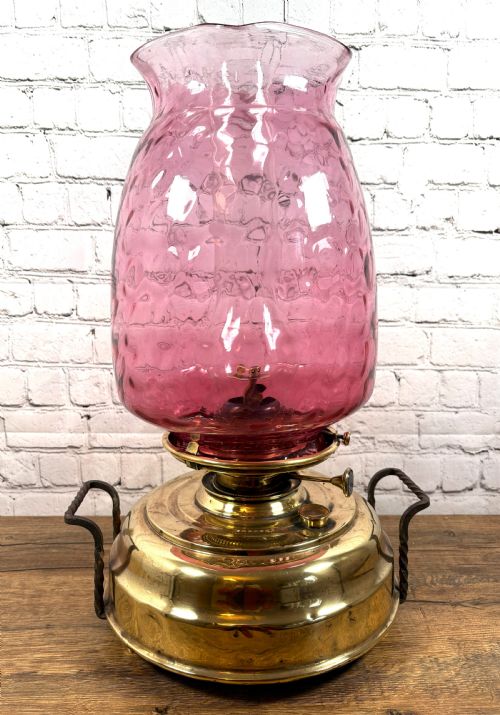


Pink Glass Lamp
A pink glass lamp brings a warm, coloured glow to a room through Victorian and Art Deco forms.
Pink Glass Lamp
A pink glass lamp spans several decades of domestic lighting, originating mostly in the Victorian and Edwardian periods alongside later Art Deco designs. Buyers searching for this phrase encounter oil lamps, table lamps, chandeliers, and pendant lights featuring pink or cranberry glass components.
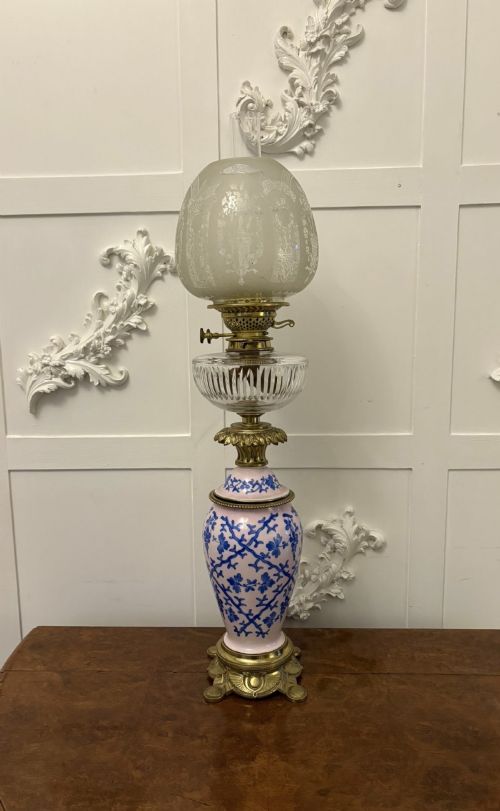
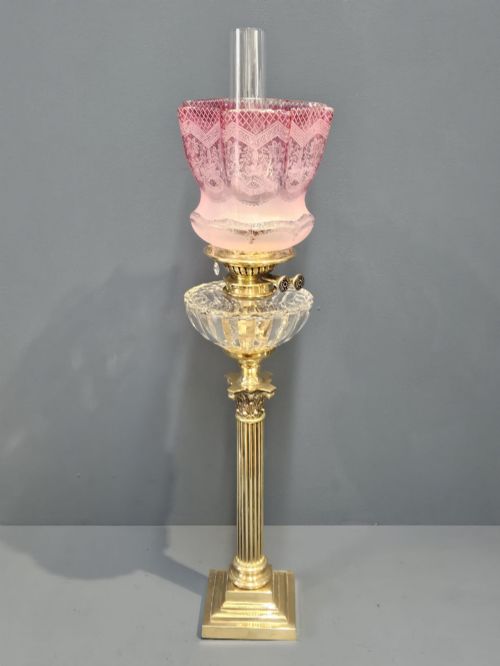
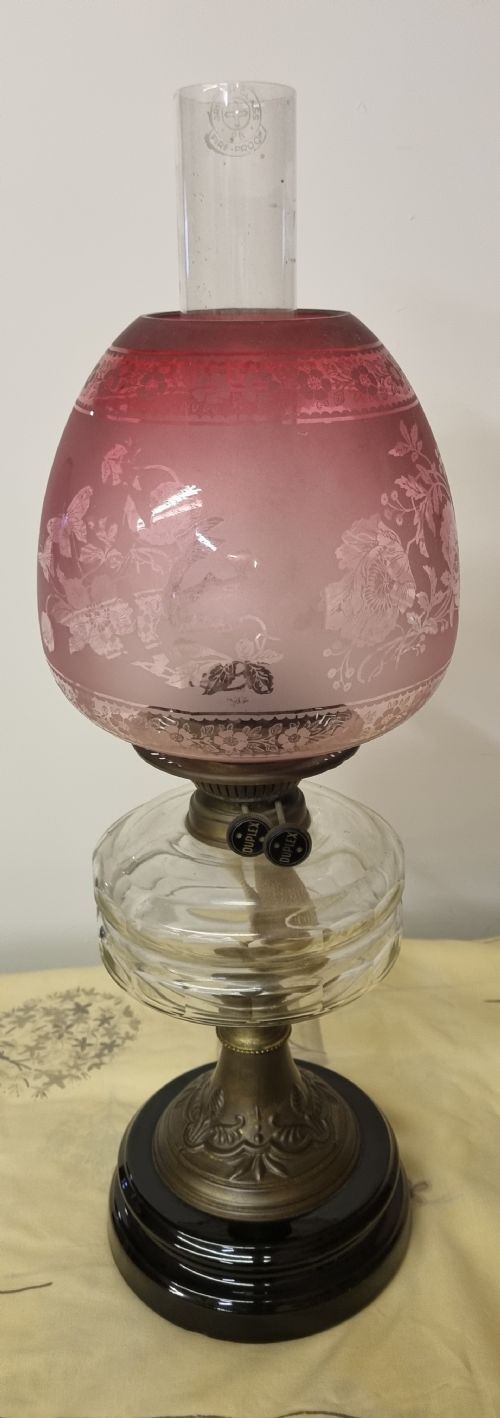
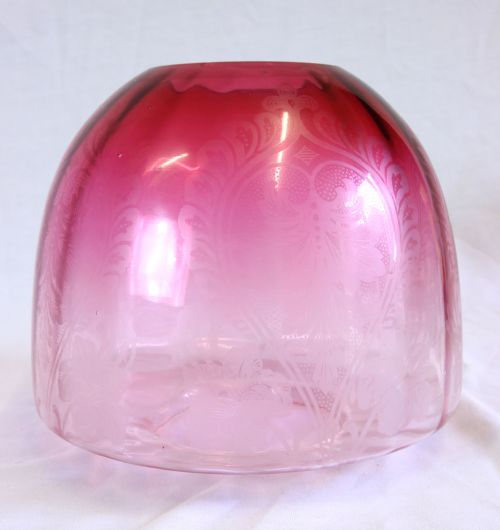
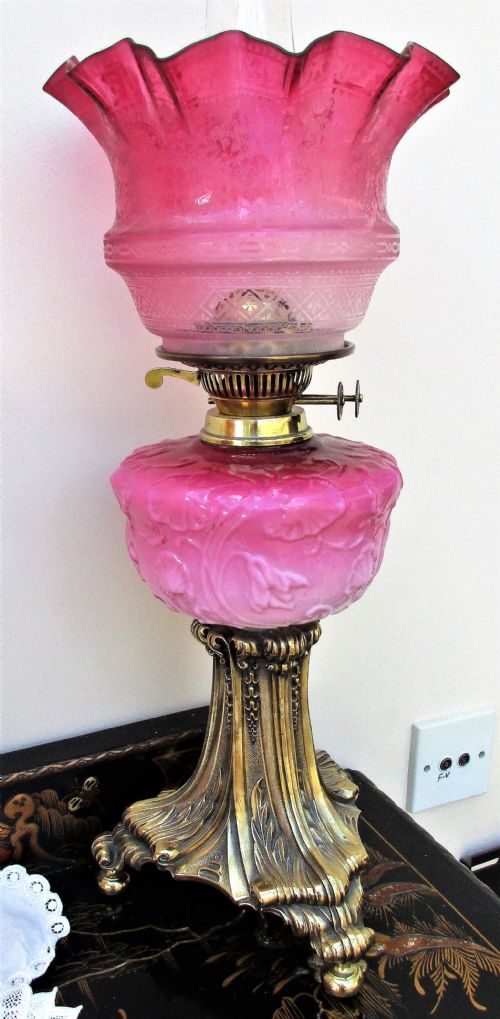
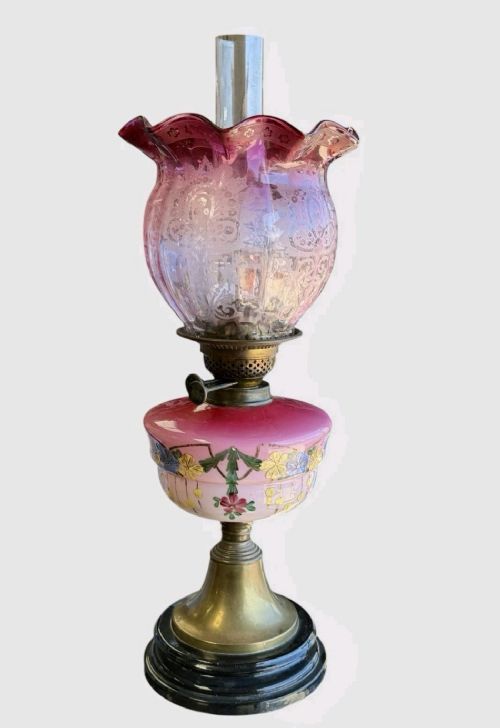
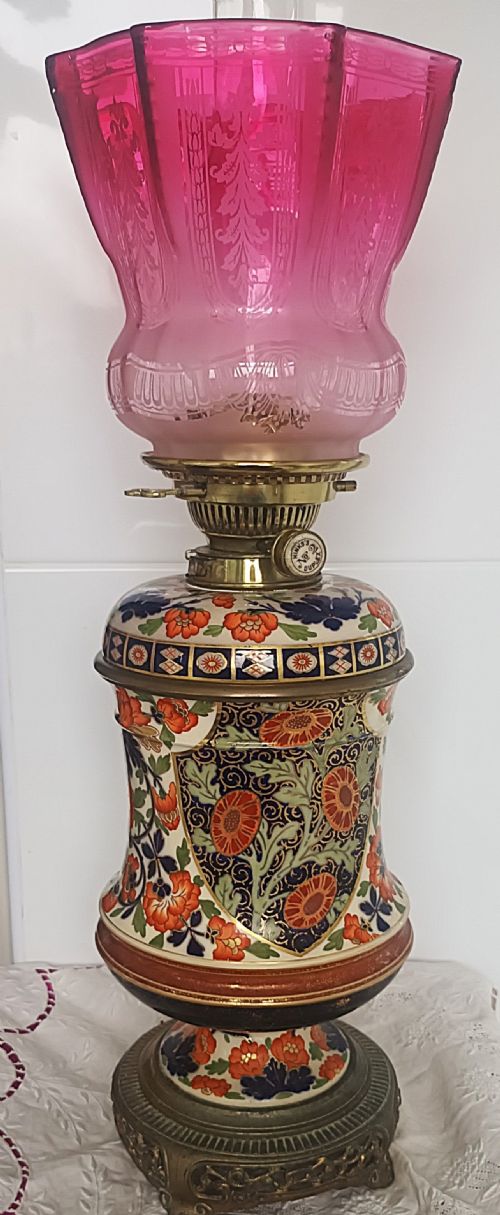
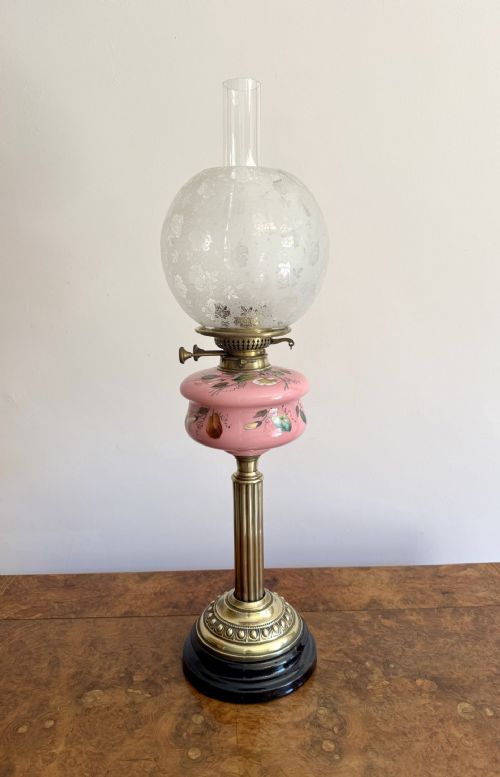
The most common survival on this page is the Victorian oil lamp, which pairs a brass or ceramic column with a pink glass font and matching shade. These pieces utilise opaque, satin, or etched glass to diffuse light softly across a room.
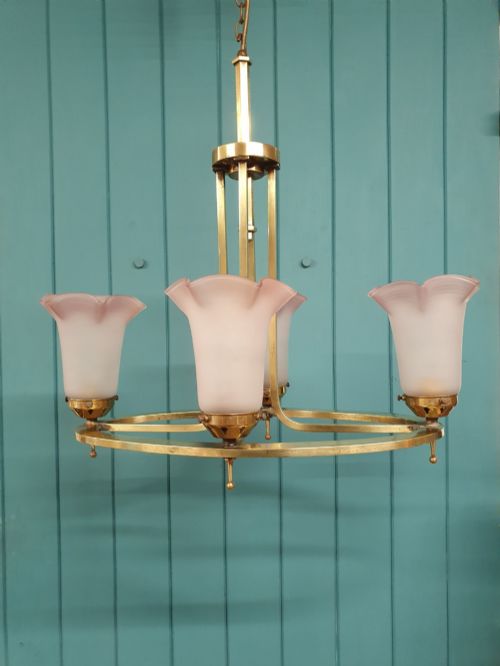
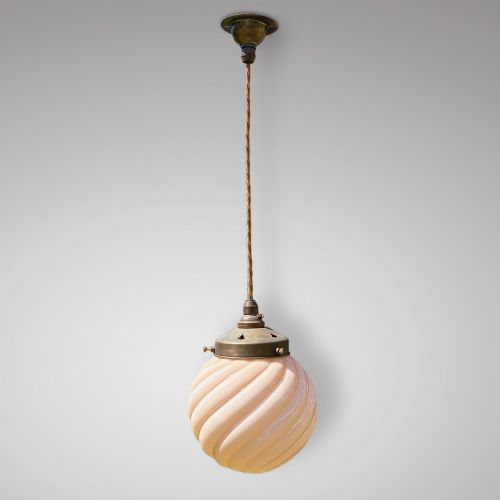
Beyond domestic oil lamps, the selection includes hanging shades, floor lamps, and desk lamps from the early twentieth century. These variations demonstrate how pink glass adapted from functional household lighting to decorative electric fittings.
How they were made
Makers combined heavy cast brass bases and columns with blown or moulded glass fonts and shades. Cranberry and pink glass achieved their distinct hues through the addition of gold or copper compounds during the melting process.
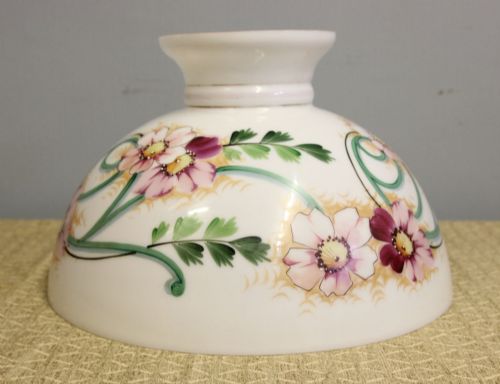
Decoration often involved hand painting, gilt detailing, or acid etching directly onto the glass surface. Many Victorian and Edwardian examples mounted these glass vessels onto Corinthian or reeded brass columns.
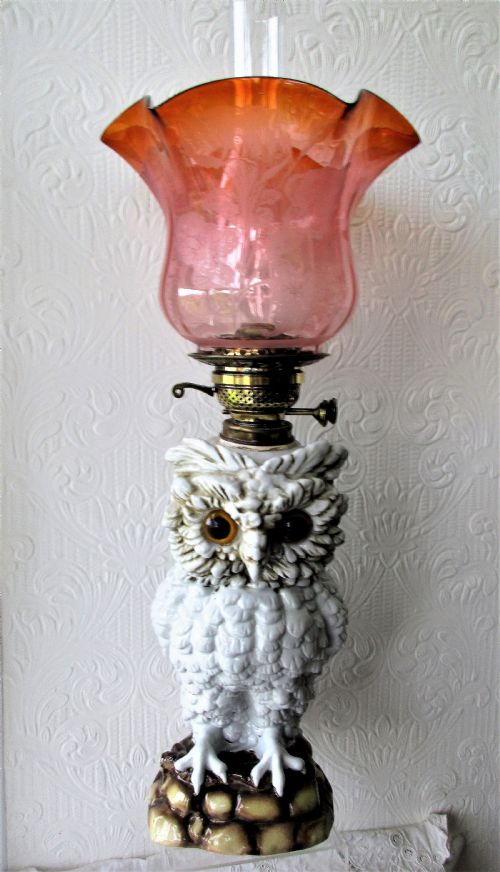
An eighteenth-century owl sits silently in the parlour, watching the room through painted porcelain eyes while the oil lamp burns.
What varies in quality
Quality rests upon the weight and depth of the glass and the crispness of any hand-painted or etched decoration. Superior Victorian examples feature heavy, resonant glass fonts paired with substantial brass castings rather than thin press-moulded alternatives.
The relationship between the components dictates the overall merit of a piece. Original matching shades and fonts demonstrate greater integrity than assembled lamps where components were substituted later.
Hinks·Taylor Tunnicliff·Sitzendorf
The Pink Glass Lamp Glossary
- Cranberry Glass
- A rich pinkish-red glass created by adding gold chloride to the molten batch. It appears frequently in Victorian oil lamp shades and fonts.
- Font
- The oil reservoir of a lamp, typically made of glass, ceramic, or metal. It sits atop the column and supports the burner.
- Opaline Glass
- A semi-translucent white or tinted glass often used for Victorian and Edwardian lamp shades. It diffuses light with a soft pastel glow.
- Standard Lamp
- A tall floor lamp designed to stand upright without table support. These appear in brass forms during the Edwardian and Art Deco periods.
- Satin Glass
- Glass treated with hydrofluoric acid to produce a velvety, matte texture on the surface. This finish occurs on Victorian pink glass pieces.
Pink Glass Lamp: Frequently Asked Questions
How do I date a pink glass lamp?
Dating relies on combining the style of the brass base with the manufacturing technique of the glass. Victorian examples often feature heavy brass columns and hand-etched cranberry fonts.
Later Edwardian and Art Deco pieces show simpler lines, chrome, or marble bases. Examining the burner mechanisms and collar fittings also helps narrow down the production decade.
Were these lamps converted to electricity?
Many antique oil lamps undergo conversion to electricity for modern domestic use. This process involves running a cord through the central column while preserving the original glass and brass exterior.
Some examples retain their original oil burners, while others show adaptations made during the twentieth century.
How do I clean a pink glass shade?
Cleaning requires warm water and mild soap, avoiding harsh abrasives that could damage hand-painted or gilt details. Glass shades should be removed from the brass mountings before washing.
Careful handling protects delicate hand-etched patterns and satin glass surfaces from scratching.
What is the difference between pink and cranberry glass?
Cranberry glass contains specific gold content that yields a deep, transparent pinkish-red hue. Standard pink glass often relies on different metallic oxides, producing opaque, opaline, or pastel shades.
Victorian listings frequently distinguish between these tones in their glass fonts and shades.