


Pink Frosted Light Shade
These pink frosted light shades bring a soft, diffused glow to period interiors, pairing tactile glass with substantial brass.
Pink Frosted Light Shade
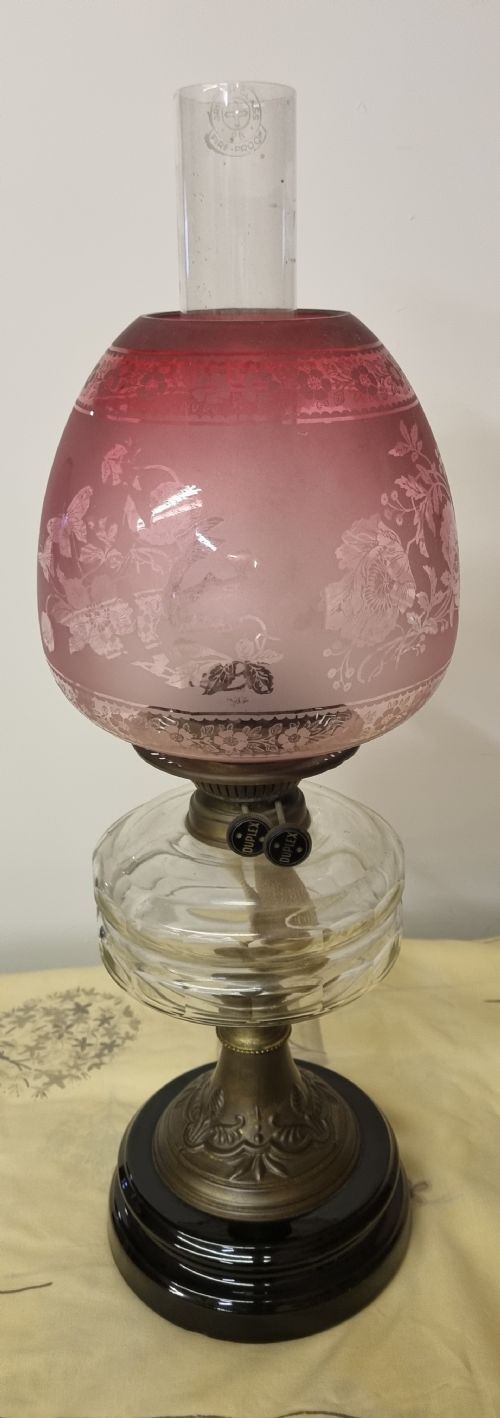
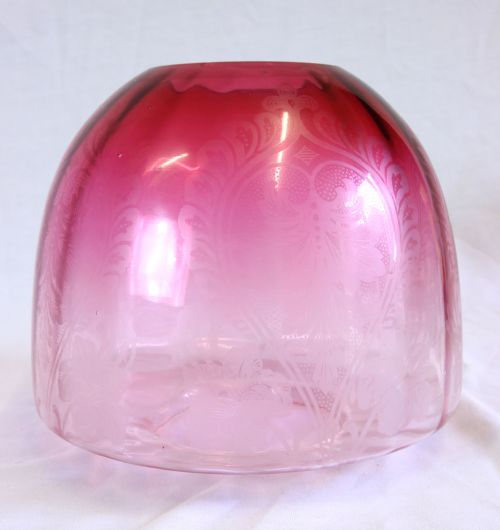
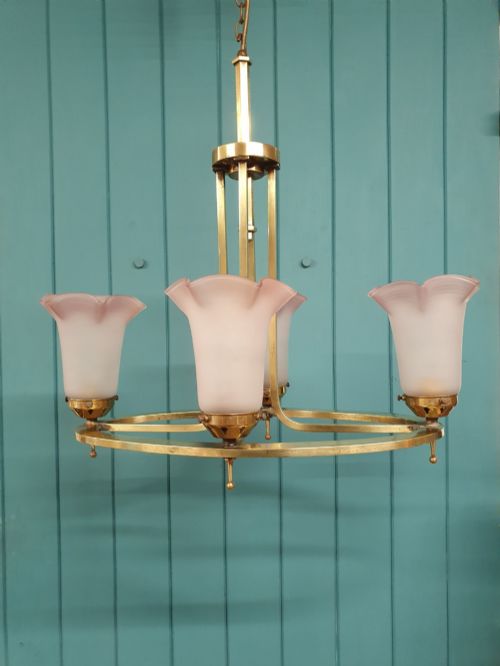
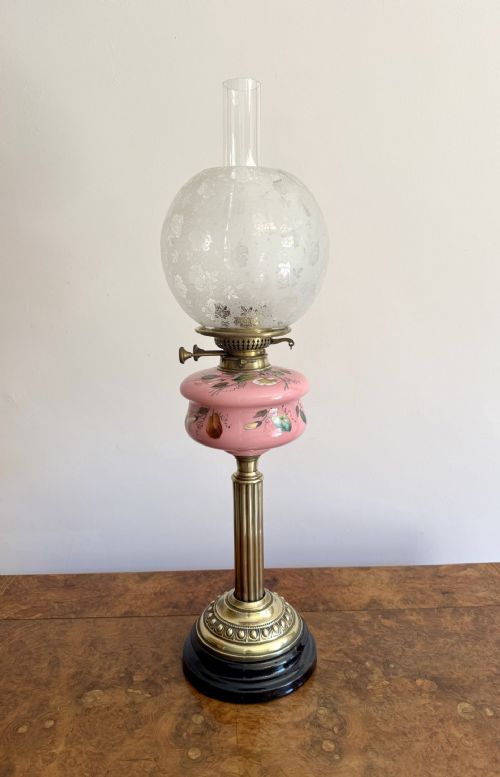
A pink frosted light shade transforms harsh illumination into a warm, inviting glow, frequently appearing on Victorian and Edwardian oil lamps or Art Deco light fittings. Collectors seeking a pink frosted light shade encounter forms ranging from simple bowl shades to elaborate shell designs intended for chandeliers and table lamps.
The selections span the nineteenth century through the nineteen-thirties, reflecting shifts in domestic lighting from oil and paraffin to electricity. Brass mounts, ceramic elements, and chrome frequently accompany the glass components across these historical periods.
How they were made
Makers utilised moulded and etched glass techniques to achieve the characteristic texture and colour of a pink frosted light shade, often combining the delicate glass bodies with robust brass frames. Artisans shaped cranberry glass and peach glass variations while molten, applying acid etching or sandblasting to create the matte finish.
Structural components such as telescopic columns, swan neck stems, and reeded shafts were cast or turned in brass to support the heavy glass shades safely. Fabric and ceramic elements occasionally appear in secondary roles to complement the primary glass and metal construction.
Dining railway carriages once relied on stout Art Deco ceiling lights to keep passengers illuminated through the night.
What varies in quality
The distinction between standard utility lighting and finer decorative pieces lies in the crispness of the glass moulding and the weight of the supporting brass metalwork. Superior examples display even colour saturation throughout the frosted material and intricate detailing on the collars and galleries.
Proportion and structural integrity separate robust period survivors from lesser items, particularly in larger chandeliers and telescopic oil lamps where balance is essential. The harmony between the pink glass shade and its original metal mount determines the overall coherence of the piece.
Walther and Sohne·Hinks
The Pink Frosted Light Shade Glossary
- Frosted glass
- Glass treated by acid etching or sandblasting to create a matte, textured surface that diffuses light evenly. This technique softens glare while highlighting the underlying pink hue.
- Cranberry glass
- A rich red-pink glass coloured with gold chloride during the melting process. It is frequently associated with Victorian lighting and tableware.
- Swan neck
- A curved metal arm resembling the neck of a swan, commonly used on desk lamps to direct illumination downward. This profile appears frequently on early twentieth-century brass fittings.
- Reeded column
- A vertical cylindrical shaft carved with parallel convex mouldings. This classical decorative motif often forms the stem of nineteenth-century oil lamps.
- Clam shell
- A marine-inspired moulding shape utilised by Art Deco glassmakers. These ribbed forms create distinctive scallop patterns on mid-period chandeliers and light shades.
Pink Frosted Light Shade: Frequently Asked Questions
What periods do these shades come from?
The listings span the Victorian, Edwardian, and Art Deco eras, extending from the mid-nineteenth century up to the nineteen-thirties. You will find items representing both the oil-burning age and early electrical conversion periods.
Designs shift from ornate, columned Victorian oil lamps toward geometric Art Deco chandeliers and table lamps as manufacturing techniques evolved.
How do I mount a replacement shade?
Fitting a shade depends on the diameter of the fitter rim and the style of the brass gallery holding it. Most period shades secure using three or four thumb screws around the brass collar.
Ensure the weight of the glass matches the capacity of the supporting metal arm or chandelier frame to maintain safe balance.
Can I use modern bulbs with them?
Modern low-heat LED bulbs work well inside vintage glass shades because they emit minimal thermal radiation compared to older incandescent lamps. This helps protect fragile antique glass from heat stress.
Select bulb shapes that fit entirely within the enclosed volume of the shade to maintain the intended diffusion of light.
What metals accompany the pink glass?
Brass is the predominant metal found supporting these glass shades, appearing in polished, patinated, or reeded column formats. Chrome and occasional ceramic elements also support later Art Deco pieces.
The warmth of brass naturally complements the pink and peach tones of Victorian and Edwardian glass.