





Pink Enamel Porcelain
These pink enamel porcelain items bring bright hand-painted Chinese and European forms into rooms that need colour and pattern.
Pink Enamel Porcelain
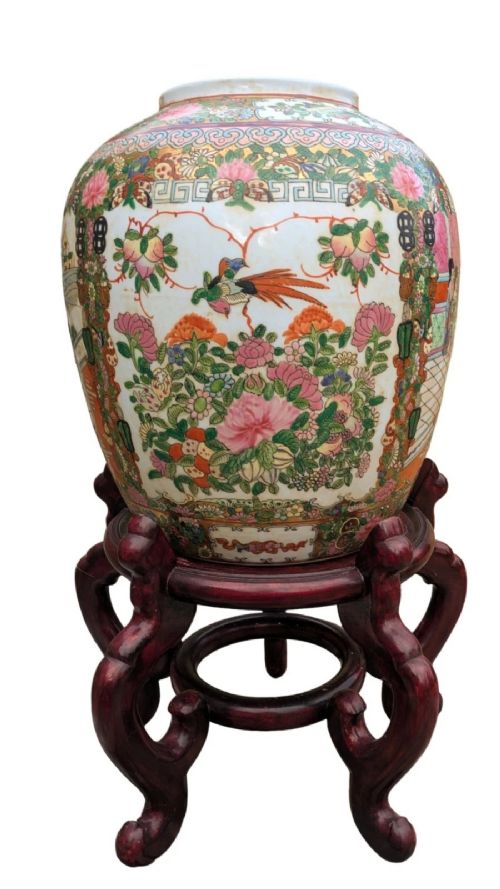
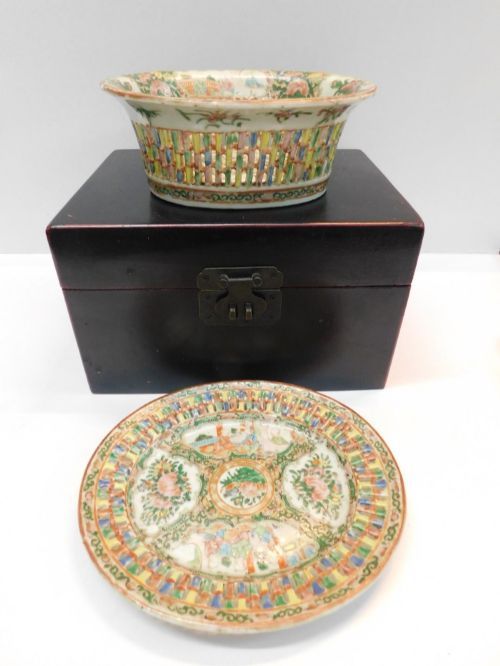
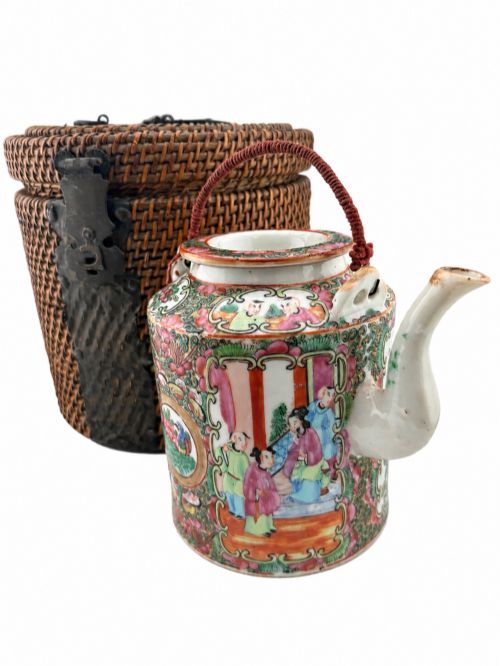
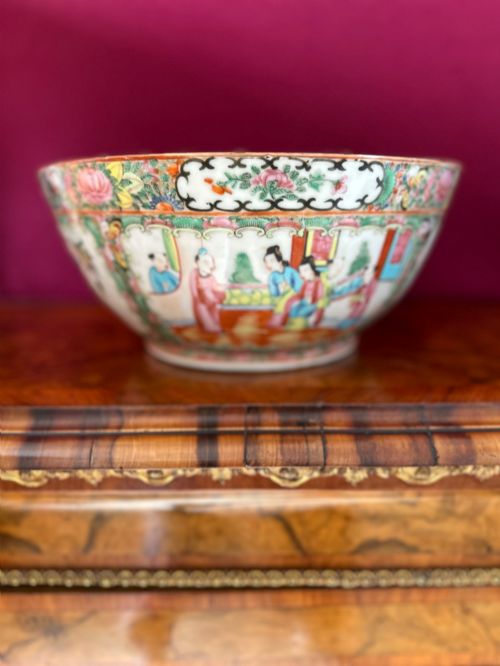
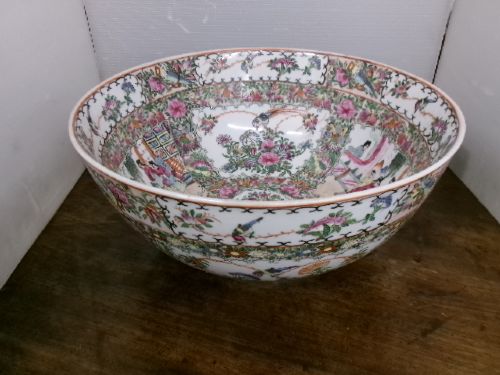
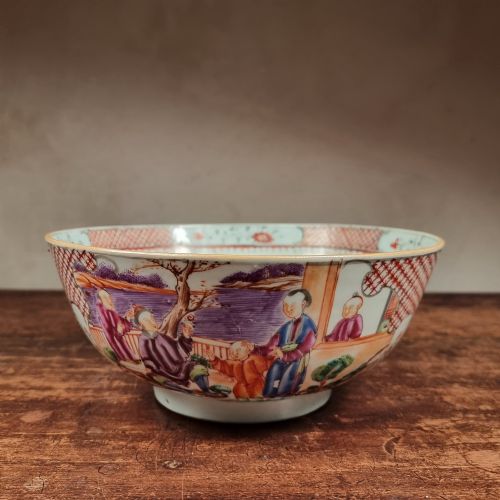
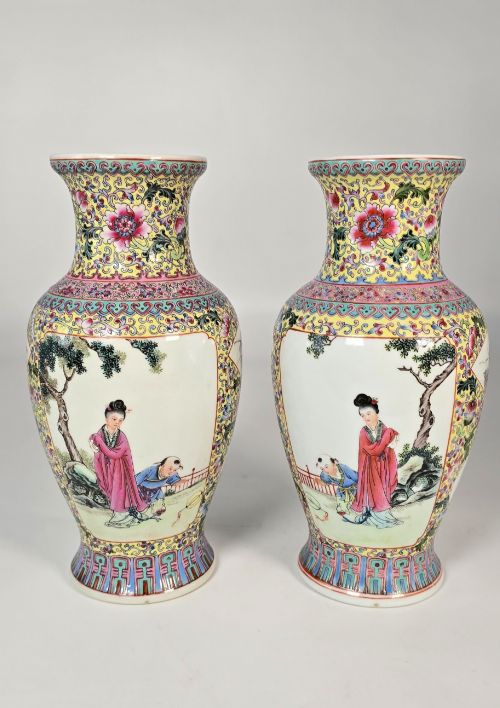
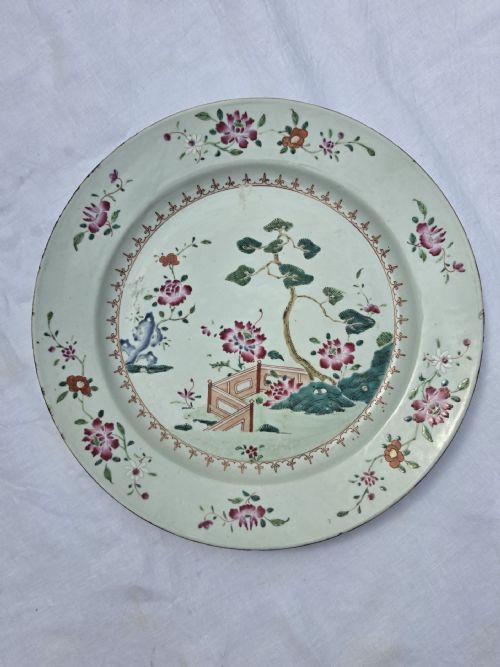
When buyers search for pink enamel porcelain, they meet objects made across several centuries, primarily Chinese export wares and nineteenth-century pieces. The selection on this page consists largely of bowls, plates, planters and vases decorated with overglaze pink enamel.
Most items originate from the Qing Dynasty and later nineteenth-century Chinese export periods, alongside Victorian French decorative clocks. Forms range from large punch bowls and baluster vases to smaller saucers and tea bowls.
Materials and methods
Potters built these pieces from porcelain and ceramic, applying detailed overglaze enamel painting by hand. Artisans frequently combined pink enamel with gold leaf, gilding, and cobalt blue motifs.
Many items incorporate brass or ormolu mounts, particularly on nineteenth-century French clocks and lamps that integrate pink porcelain panels.
Pink Enamel Porcelain Retail Price Guide 2026
Typical asking prices for pink enamel porcelain among the pieces listed under this phrase on Sellingantiques today, from the lower quarter to the upper quarter. They describe what is for sale here now, not the wider market.
Listings feature items spanning the eighteenth century, the nineteenth century, and the 1930s, using porcelain, enamel, gold leaf, and brass.
What separates quality tiers
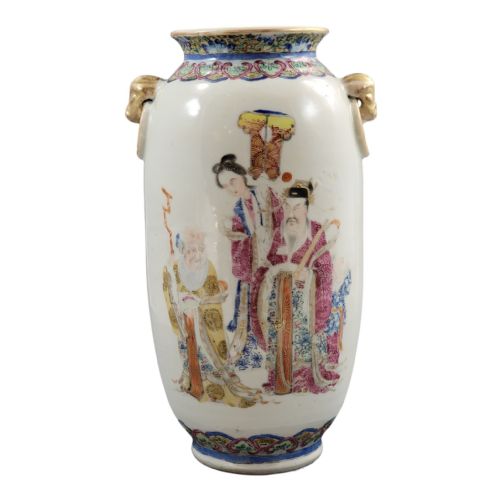
Quality rests in the precision of the hand-painted brushwork and the complexity of the figural or floral design. Pieces depicting detailed scenes with immortals or balanced bird and floral compositions demonstrate higher artistic execution.
The density and richness of the enamel colours, paired with the crispness of any gilding or seal marks, determine whether a piece sits at the upper end of the range.
The Pink Enamel Porcelain Glossary
- Famille rose
- A major palette of Chinese ceramic glades introduced in the eighteenth century, distinguished by its opaque pink enamel. This colour scheme allowed painters to achieve subtle tonal gradations.
- Canton porcelain
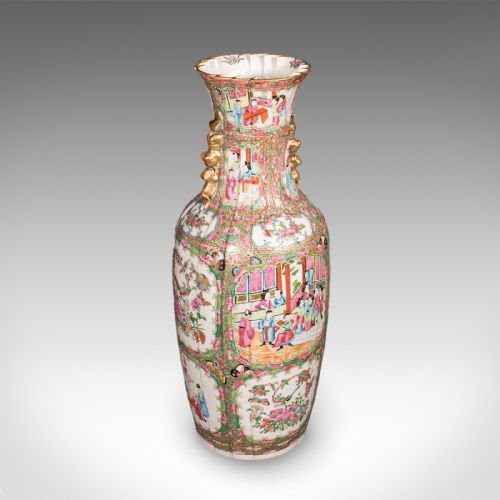
- Wares decorated in Guangzhou for export to Western markets during the Qing Dynasty and later periods. These items typically feature crowded panels of figures, birds and flowers.
- Overglaze enamel
- Pigments applied on top of a fired and glazed porcelain surface before undergoing a second, lower-temperature firing. This technique produces raised, colourful decorative details.
- Rose medallion
- A specific decorative style of Canton porcelain divided into distinct geometric or figurative panels. The composition repeats motifs of birds, flowers and court figures.
- Orlomu
- A gilt-bronze technique used widely on nineteenth-century French clocks and decorative objects. It often frames porcelain panels and structural mounts.
Pink Enamel Porcelain: Frequently Asked Questions
How are these porcelain bowls used today?
Large punch bowls and decorative vessels serve as table centrepieces or floor displays in living spaces. Smaller dishes and saucers function well as display items on cabinet shelves.
Table lamps and mantel clocks bring functional lighting and timekeeping into rooms while displaying nineteenth-century pink enamel panels.
How do I care for antique porcelain?
Dust these items gently with a dry, soft cloth to protect the delicate overglaze enamels and gilding. Avoid using chemical cleaners or abrasive materials that can wear down the painted surface.
Keep pieces away from direct sunlight and areas prone to heavy moisture changes to preserve the original glaze and gold leaf details.
How do I distinguish eighteenth century pieces from later ones?
Eighteenth-century items often show finer potting, specific reign marks such as Qianlong or Yongzheng, and distinct palette depths associated with early export production. Later nineteenth-century Canton wares tend to feature busier panel divisions and heavier enamelling.
Examining the foot ring, base marks and painting style helps clarify the manufacturing period.
What is the difference between Canton and export porcelain?
Canton porcelain refers specifically to wares painted in the port city of Guangzhou, famous for its detailed rose medallion and famille rose designs. Chinese export porcelain encompasses a broader category of goods made in China specifically for Western trade.
Many Canton pieces form a subset of the wider export tradition.