

Pine Two Over Two
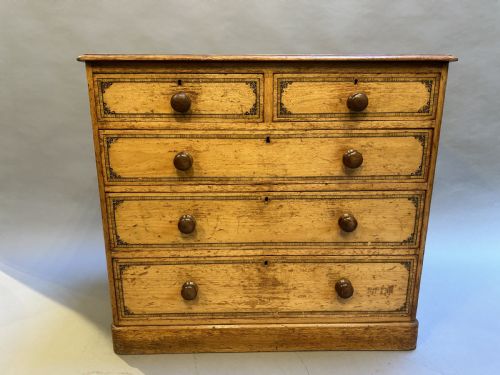
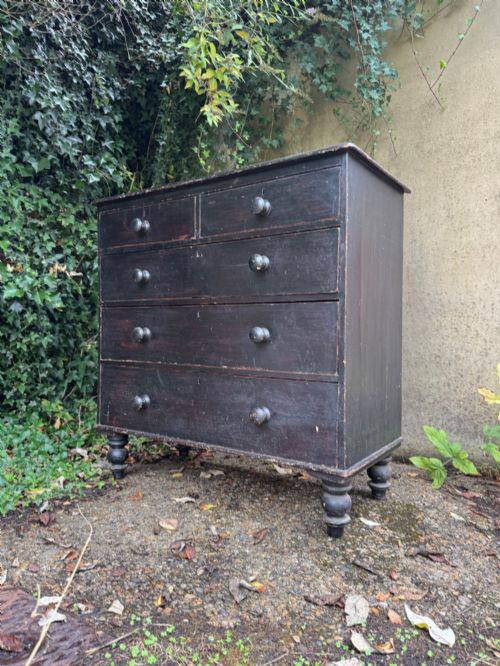
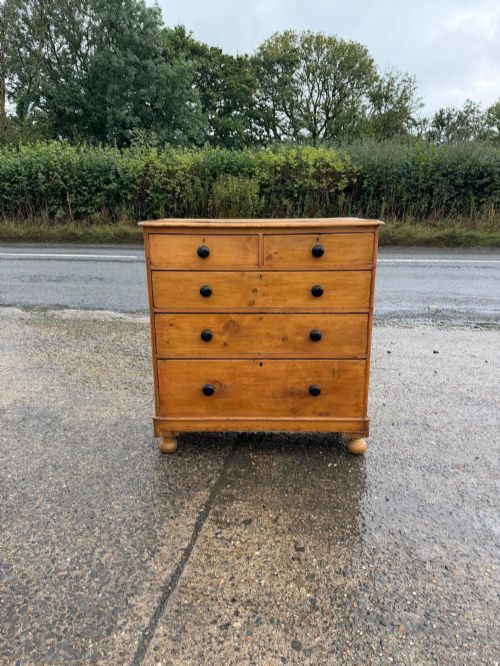
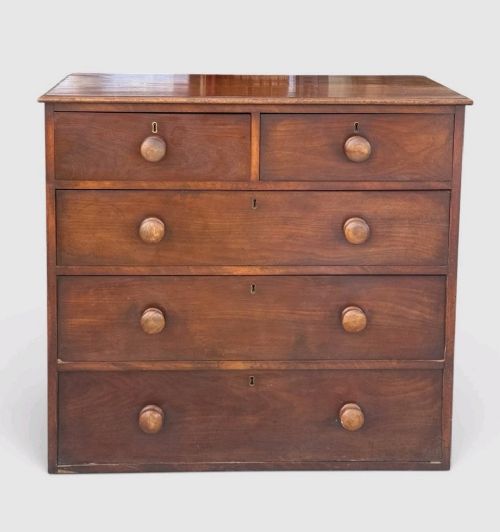
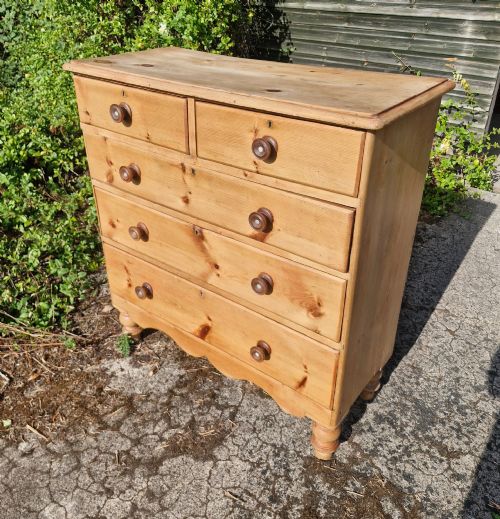
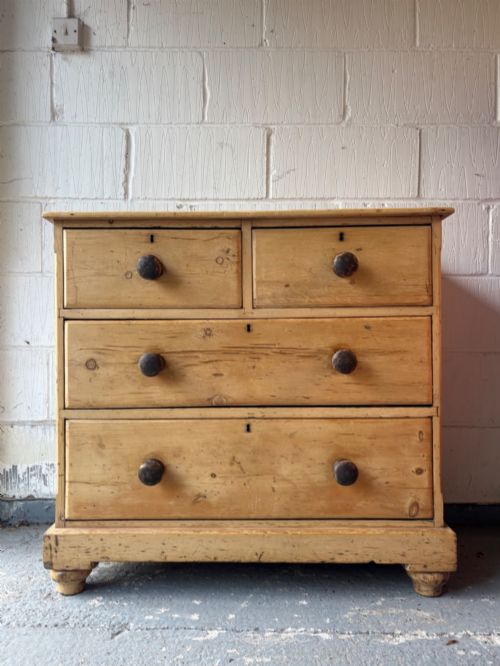
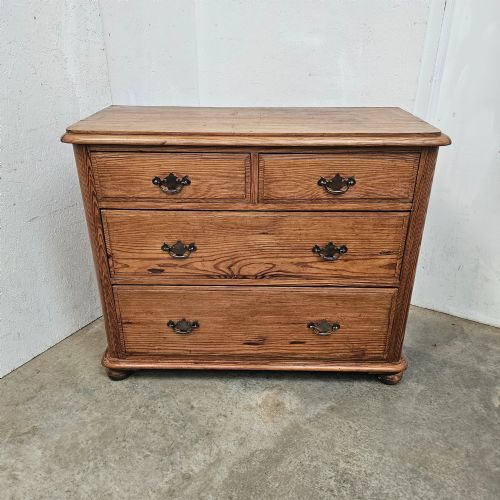
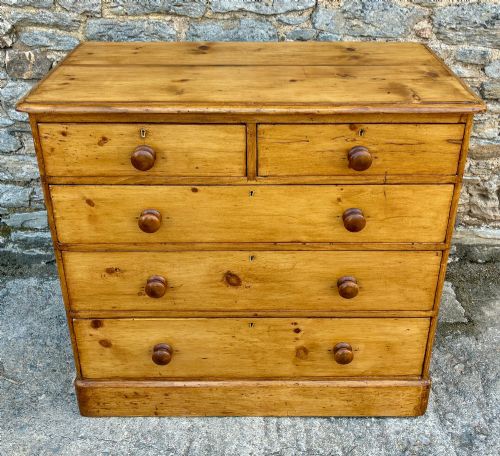
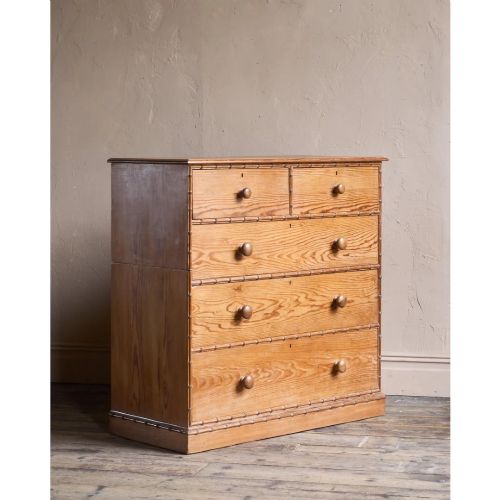
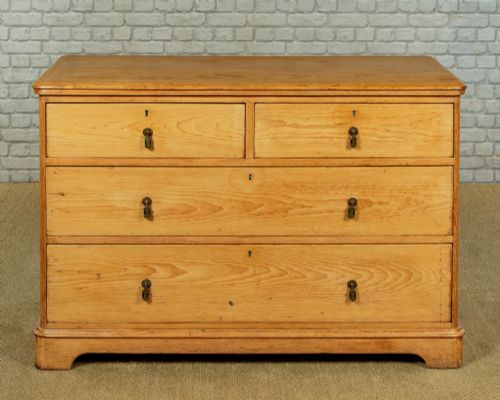
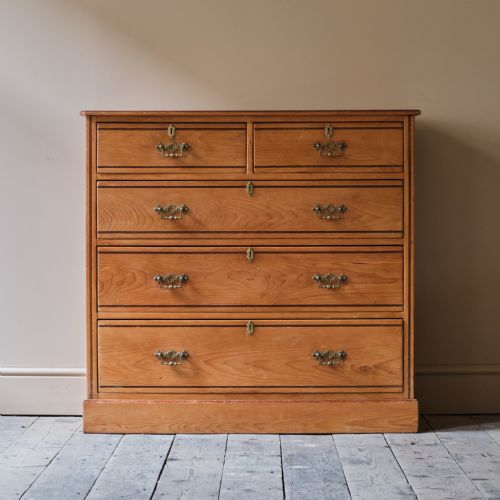
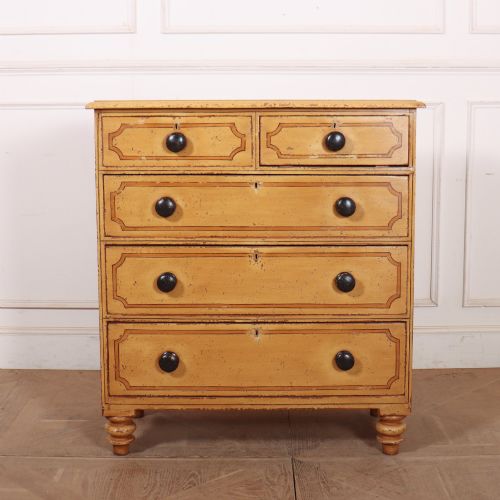
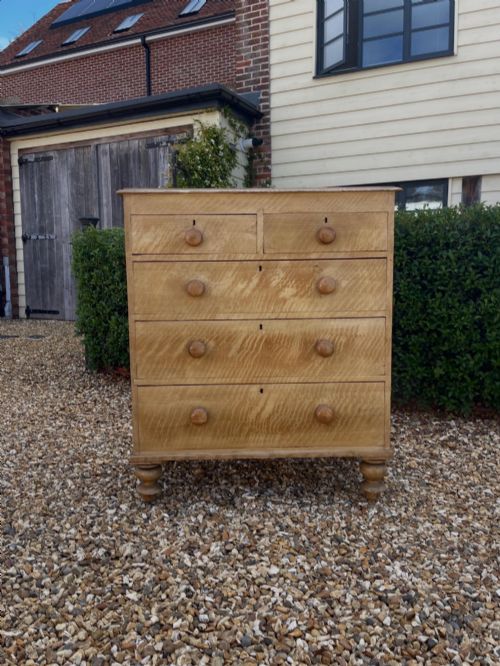
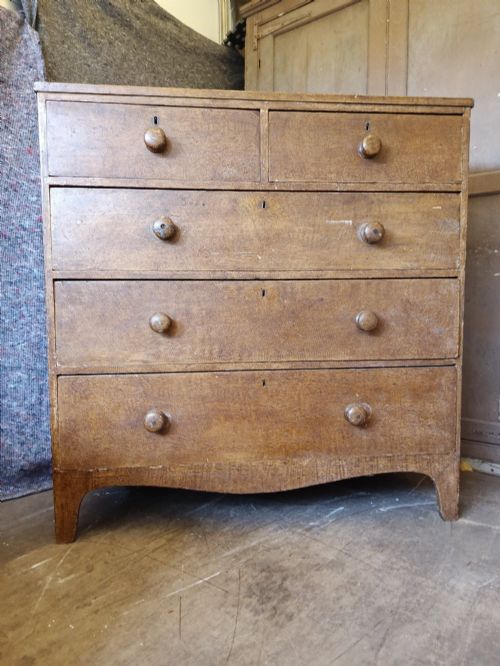
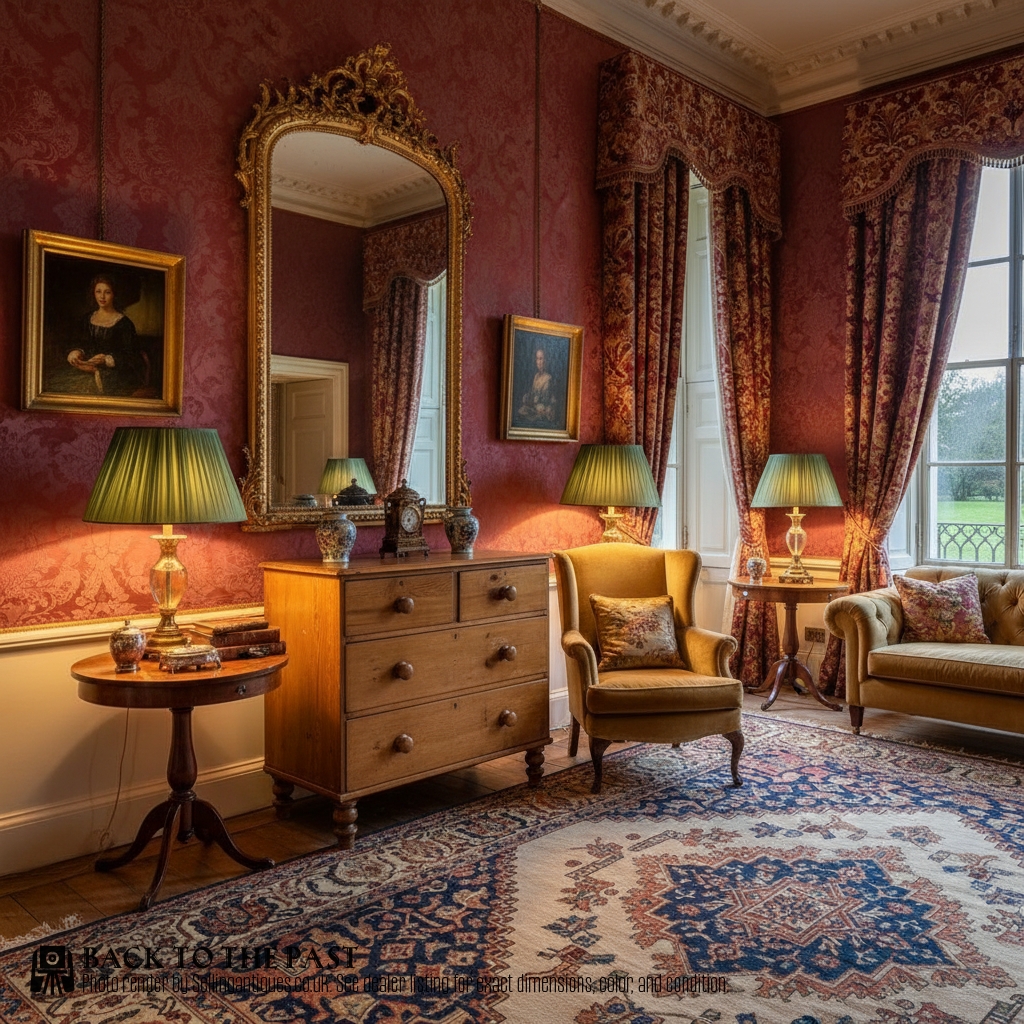
Pine two over two chests of drawers offer robust domestic storage with two smaller top drawers above two wider lower drawers.
Pine Two Over Two
These pieces are utilitarian bedroom storage furniture built from softwood timber, typically arranged with a smaller drawer configuration at the top and larger drawers beneath. Buyers seeking a pine two over two configuration will encounter pieces dating predominantly from the nineteenth century, spanning Victorian and Edwardian periods.
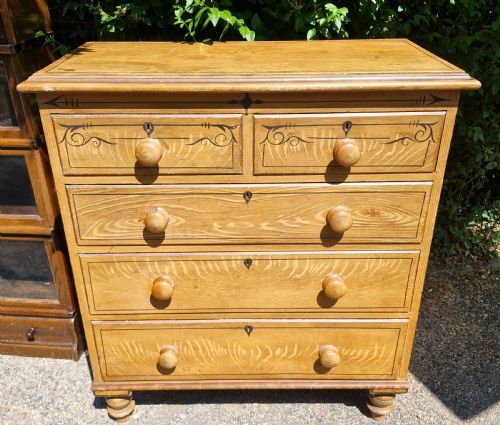
The chests appear in various finishes, including stripped wood, original paint, stencilled decoration, and scumbled surfaces. Regional English and European country styles shape the physical form of these sturdy storage items.
Makers constructed these chests for everyday household utility, resulting in practical proportions that suit contemporary bedroom spaces. The presence of shaped bases or bun handles denotes specific stylistic choices within the period.
How they were made
Construction relies heavily on pine and pitch pine timbers, sometimes augmented by secondary woods for drawer linings and backboards. Cabinet makers utilised hand-cut dovetail joints for drawer construction to ensure durability under daily use.
Surfaces received treatments ranging from clear wax to applied paint, scumble glazes, and stencilled motifs. Iron and brass fittings, including drop handles and knobs, secured the drawers and added functional hardware details.
Pine Two Over Two Retail Price Guide 2026
Typical asking prices for pine two over two among the pieces listed under this phrase on Sellingantiques today, from the lower quarter to the upper quarter. They describe what is for sale here now, not the wider market.
Some nineteenth-century drawers still retain faint traces of herbal scent packets tucked behind the backboards by former owners.
What varies in quality
The integrity of original surface treatments differentiates standard examples from more desirable survivals. Pieces retaining their original paint, stencilling, or scumble finishes hold greater historical interest than those stripped down to raw timber.
Joinery execution and timber selection dictate the structural refinement of each chest. Thick drawer linings, smooth drawer runners, and well-preserved brass or wooden hardware indicate careful workshop production.
Howard and Sons
The Pine Two Over Two Glossary
- Scumble
- A decorative paint technique involving a translucent top layer dragged or combed over a lighter base colour to simulate grained wood. This finish appears frequently on nineteenth-century country furniture.
- Pitch pine
- A resinous North American and European pine species known for its distinct grain pattern and durability. Cabinet makers utilised this timber for robust domestic storage pieces.
- Dovetail
- A traditional interlocking joint used in drawer construction to resist pull forces. Hand-cut variations indicate earlier period craftsmanship.
- Bun handle
- A small, rounded wooden knob attached to drawer fronts. These turned elements serve as the primary gripping points for opening drawers.
- Aesthetic Movement
- A late nineteenth-century design style emphasising visual beauty over narrative content. Pieces from this movement often display simplified forms and artistic surface decoration.
Pine Two Over Two: Frequently Asked Questions
How do I care for waxed pine furniture?
Waxed pine requires gentle maintenance using natural beeswax polishes applied sparingly with a soft cloth. Avoid placing these chests near direct heat sources or strong sunlight to prevent timber splitting.
Regular buffing maintains the lustre of the waxed surface and protects the softwood from everyday moisture and wear.
How can I tell a Victorian pine chest?
Victorian pine chests typically exhibit hand-cut dovetail joints, thick backboards, and turned wooden knobs or brass drop handles. The timber often shows a warm patina developed through decades of domestic waxing.
Construction details such as secondary wood linings and hand-planed drawer bottoms help distinguish nineteenth-century examples from later reproductions.
Were these painted originally?
Many nineteenth-century pine chests left the workshop with painted, scumbled, or stencilled surfaces rather than exposed natural wood. Paint served to protect the softwood and imitate more expensive hardwoods.
Surviving examples in original paint provide insight into period interior decoration and regional tastes.