

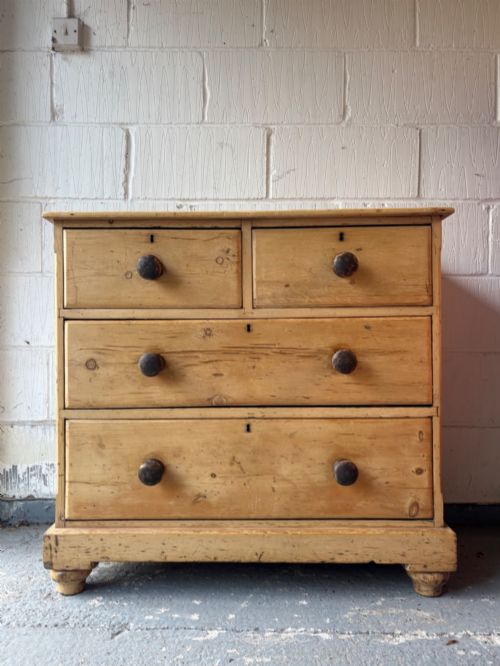
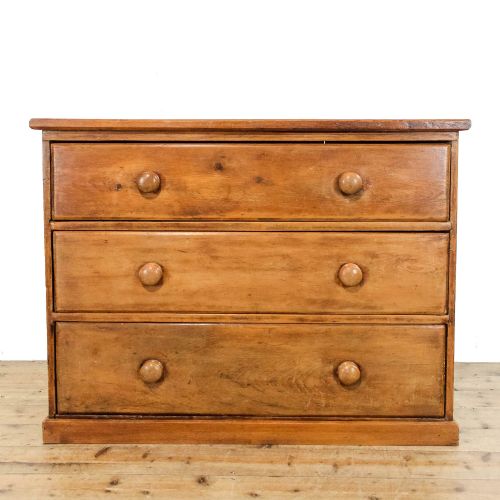
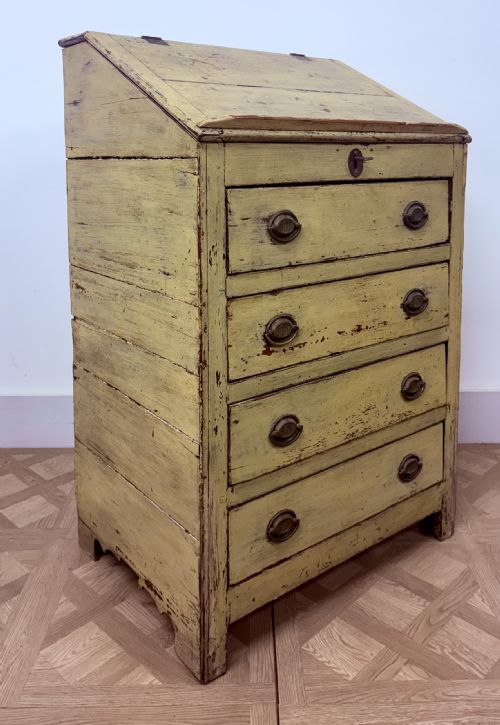
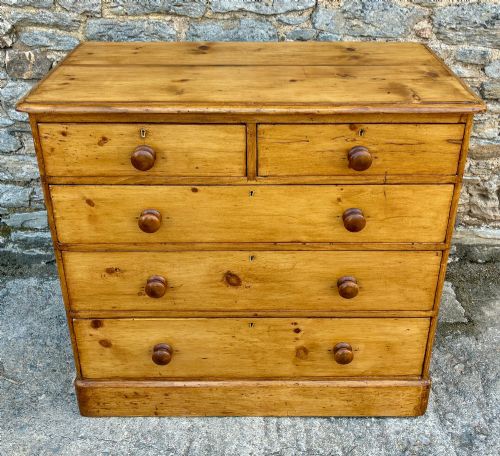
Pine Tallboy Dresser
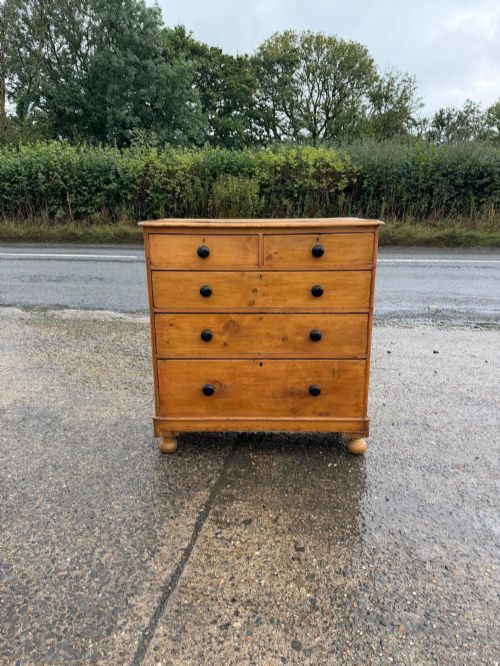
A pine tallboy dresser offers generous vertical storage, bringing practical utility and charming country character to any bedroom.
Pine Tallboy Dresser
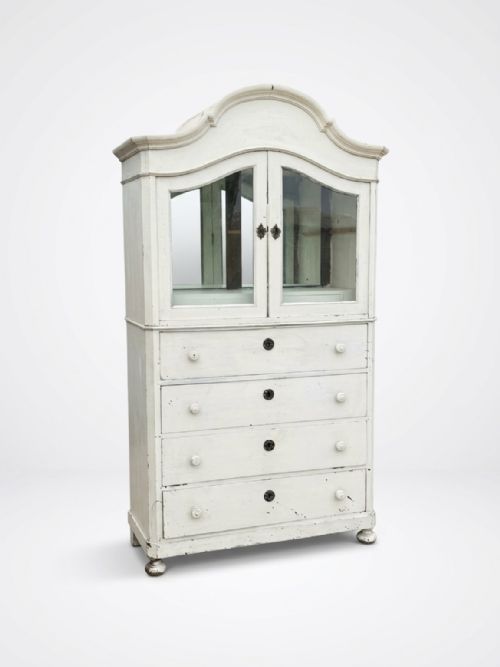
A pine tallboy dresser primarily encompasses functional chests of drawers and storage cabinets built from pine. These pieces emerge predominantly from the Victorian and Edwardian eras, alongside earlier Georgian and Regency examples.
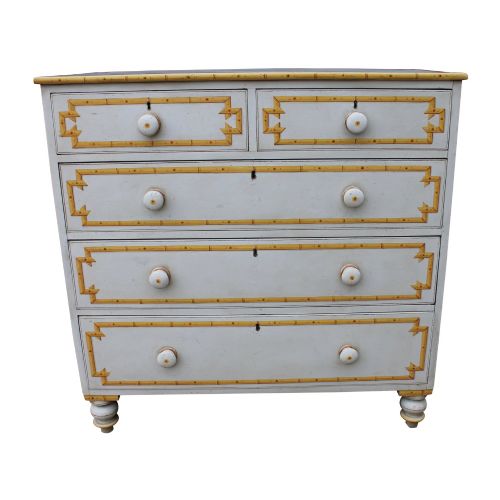
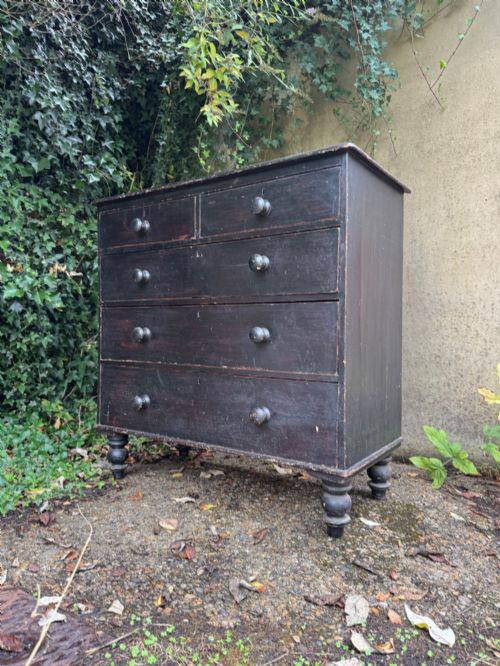
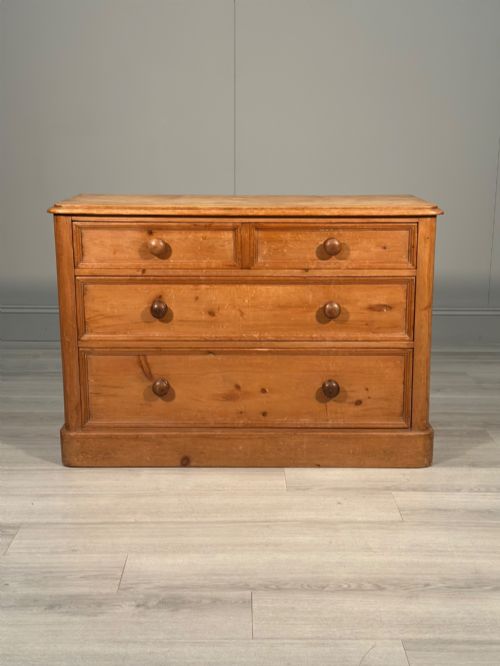
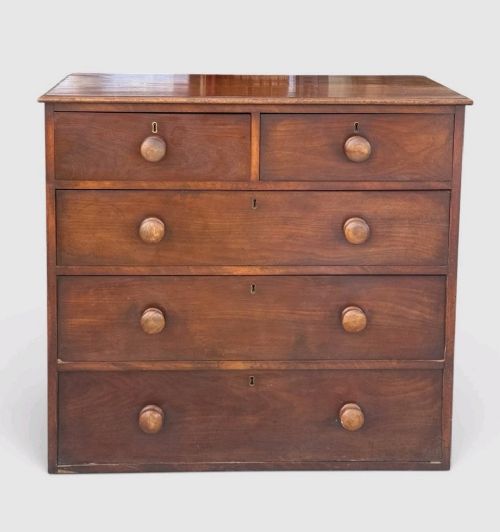
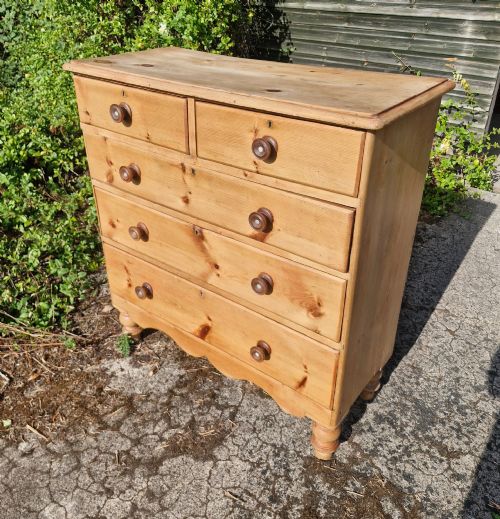
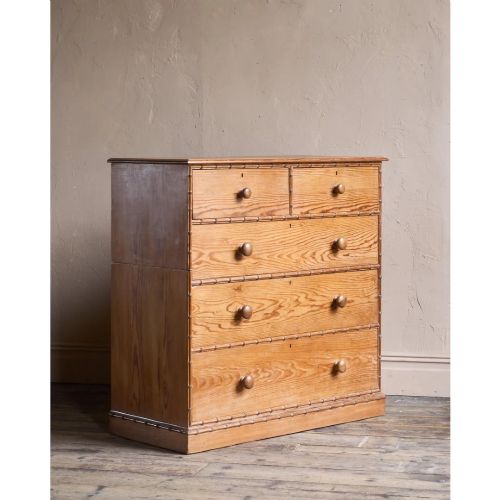
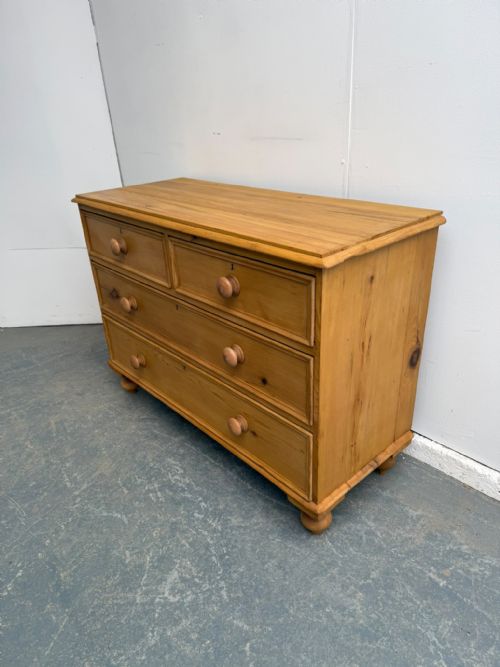
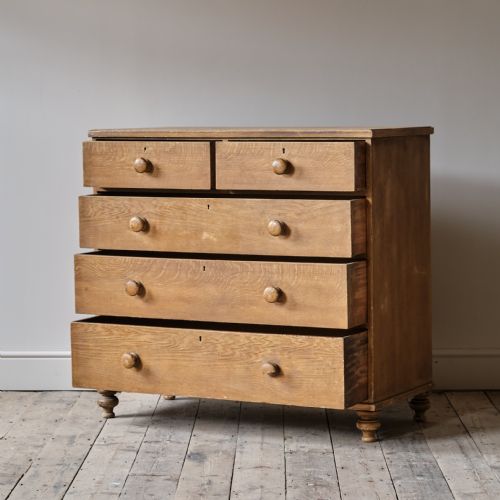
Buyers will most frequently encounter sturdy chests of drawers featuring various configurations like two small drawers over three large ones. These practical items serve as essential bedroom storage furniture rooted in English, Swedish, Irish and Hungarian country traditions.
How they were made
Craftsmen utilised solid pine timbers, sometimes incorporating pitch pine or oregon pine, combined with brass or iron hardware and wooden bun handles. Surfaces often received protective wax finishes or coats of paint, preserving the natural grain or introducing decorative colour.
Construction techniques relied on traditional joinery suitable for heavy daily use in domestic settings. Many taller examples were built in two separate parts to facilitate movement and placement within the home.
Listings span the Georgian, Regency, Victorian, and Edwardian periods, demonstrating regional traditions from England, Sweden, Ireland, and Hungary.
What varies in quality
Quality rests significantly upon the survival of original surface treatments, such as early paint schemes or authentic period wax patination. Pieces retaining their untouched, original painted or scrubbed wooden finishes command distinct regard.
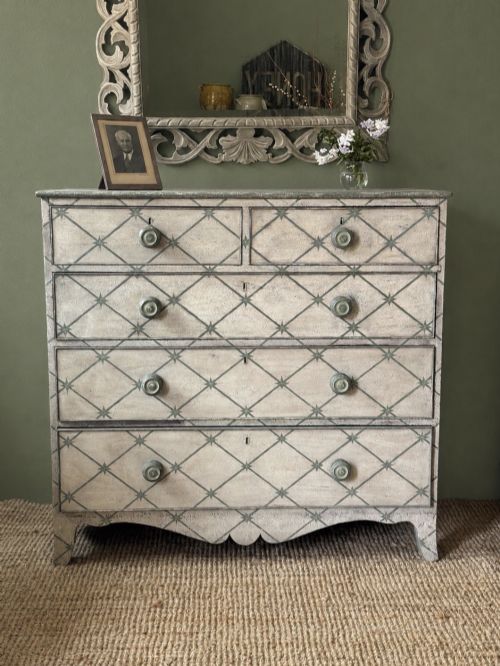
The sophistication of regional design and decorative detailing also sets pieces apart. Examples displaying specific stylistic influences like Aesthetic Movement faux bamboo turnings or regional painted motifs represent the higher tiers of craftsmanship.
Howard and Sons
The Pine Tallboy Dresser Glossary
- Tallboy
- A tall chest of drawers, typically comprising one cabinet stacked upon another or built as a single high unit to maximise vertical storage.
- Bun handle
- A small, rounded wooden knob attached to drawer fronts for pulling them open. These are frequently turned by hand.
- Scrubbed pine
- Unfinished or stripped softwood timber that has been thoroughly washed and cleaned, leaving a pale, matte surface.
- Faux bamboo
- Wood turned and carved to imitate the segmented stalks of natural bamboo. This style gained popularity during the nineteenth century.
Pine Tallboy Dresser: Frequently Asked Questions
How do I date a pine tallboy dresser?
Dating relies on observing construction methods, handle styles, and overall proportions. Georgian and Regency examples often show different moulding profiles and feet compared to later Victorian pieces.
Examination of the timber and backing boards further helps confirm the period of manufacture, distinguishing nineteenth-century items from Edwardian equivalents.
Were these dressers originally painted?
Many nineteenth-century pieces left the workshop with painted finishes, ranging from simple regional colours to sophisticated decorative schemes. Original paint adds considerable historical interest.
Alternatively, many examples were waxed or polished to highlight the natural grain of the pine timber over decades of domestic use.
What is the difference between pitch pine and standard pine?
Pitch pine contains a higher resin content, giving the wood a denser weight and a more pronounced, striated grain pattern. It was often utilised during the nineteenth century for robust furniture.
Standard pine provides a lighter, softer medium that took paint and wax readily, making it the predominant choice for country chests of drawers.
How should I care for a waxed pine surface?
Maintain the timber by applying a traditional beeswax furniture polish occasionally, buffing it gently with a soft cloth. Avoid placing the piece near direct heat sources.
Keep the wood away from excessive moisture to preserve the wax finish and prevent the pine from drying out or splitting.