






Pine Study Desk
A pine study desk offers honest utility and warmth, bringing straightforward timber character and practical workspace into a room.
Pine Study Desk
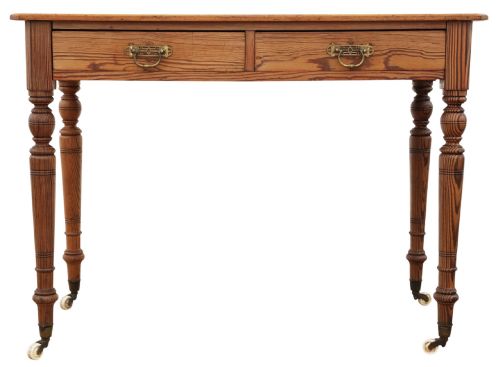
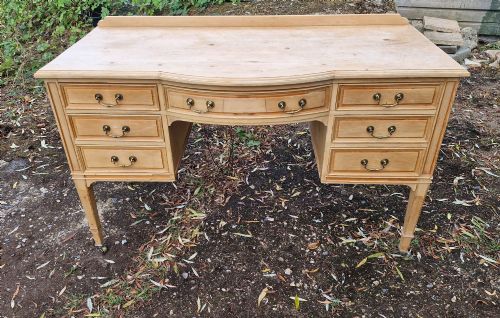
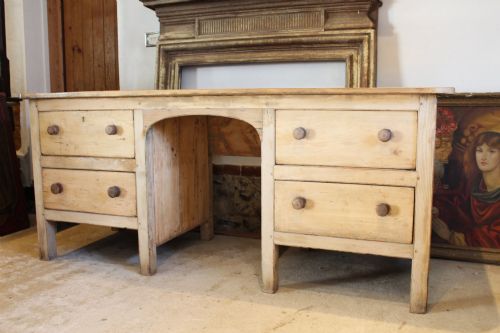
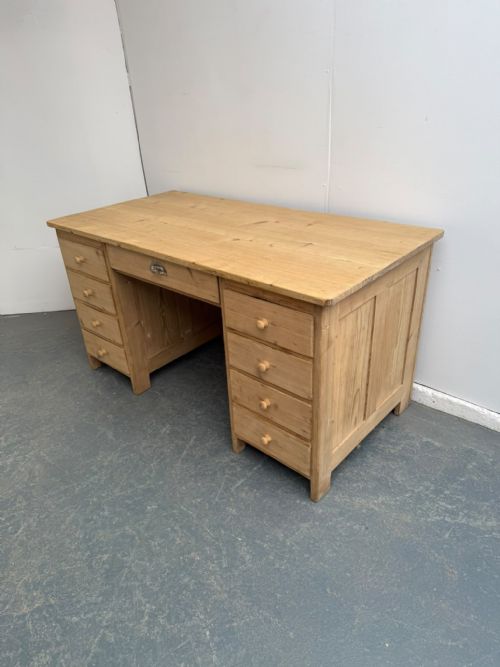
A pine study desk is a practical workspace built primarily from softwood, frequently found in formats such as kneehole writing tables, pedestal office desks, and fitted bureaux.
Buyers seeking a pine study desk typically encounter pieces dating from the Victorian and Edwardian eras, alongside earlier examples from the nineteenth century.
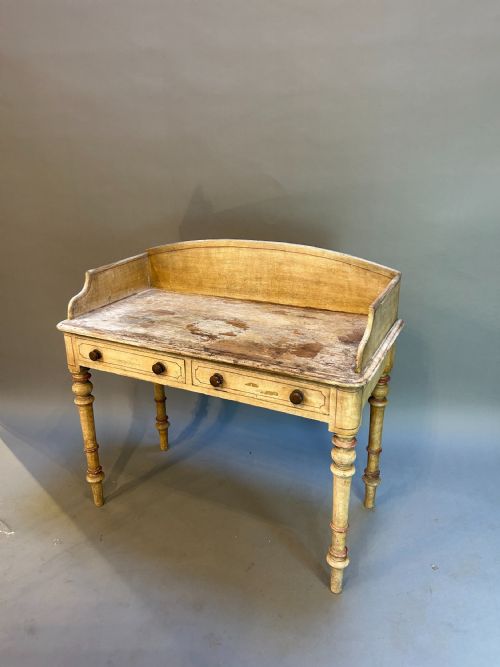
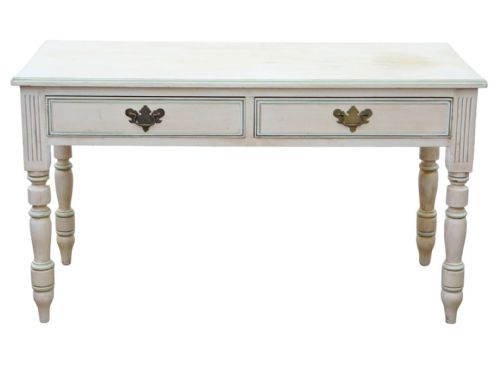
Forms range from simple side tables with single drawers to substantial multi-drawer pedestals and estate desks constructed in pitch pine or painted finishes.
How they were made
Construction relies heavily on pine and pitch pine timbers, often joined with secondary woods such as oak and sycamore for drawers and internal framing.
Hardware incorporates brass pulls and drop handles alongside iron fittings, while surface treatments vary between natural waxed grain and painted finishes.
Listings feature pieces spanning the nineteenth and early twentieth centuries, constructed in pine, pitch pine, oak, and sycamore.
What varies in quality
Quality rests on the density and selection of the timber, distinguishing standard deal from dense, durable pitch pine.
Construction depth marks the division between utility pieces and finer examples, seen in the presence of robust dovetail joints and well-proportioned pedestal arrangements.
The Pine Study Desk Glossary
- Pitch pine
- A dense, resinous softwood with a prominent grain pattern, favoured for its durability in heavy-duty desks.
- Kneehole
- A central recessed space beneath a desk top, flanked by banks of drawers or pedestals.
- Secretaire
- A desk featuring a drop-front writing slope that conceals internal pigeonholes and small drawers.
- Partners desk
- A large freestanding desk designed to be used from both sides simultaneously, featuring cupboards or drawers facing opposite directions.
Pine Study Desk: Frequently Asked Questions
How do I date a pine study desk?
Dating relies on construction methods, timber selection, and overall stylistic details. Earlier pieces often show hand-cut joinery and simpler drawer configurations.
Later Victorian and Edwardian examples tend to feature heavier pedestal forms and standardised hardware alongside pitch pine construction.
What is the difference between pine and pitch pine?
Standard pine is a lighter, softer wood commonly used for painted or general domestic furniture. Pitch pine contains higher resin content, giving it a heavier weight and a distinctively striated grain.
Desks built in pitch pine were typically designated for heavier service in offices, schools, and estates.
Are these desks suitable for daily computer work?
Many of these desks provide adequate surface area and knee clearance for modern seating arrangements. Pedestal and kneehole formats offer stable platforms for daily tasks.
Drawer configurations on older models may require careful measurement to accommodate modern keyboards and equipment.
How should I care for a waxed pine surface?
Maintenance involves regular dusting with a soft cloth and occasional application of traditional beeswax to nourish the timber. Avoiding direct sunlight and excessive heat protects the finish and prevents the wood from drying out.
Painted surfaces require gentle cleaning with mild soap and water without abrasive agents.