
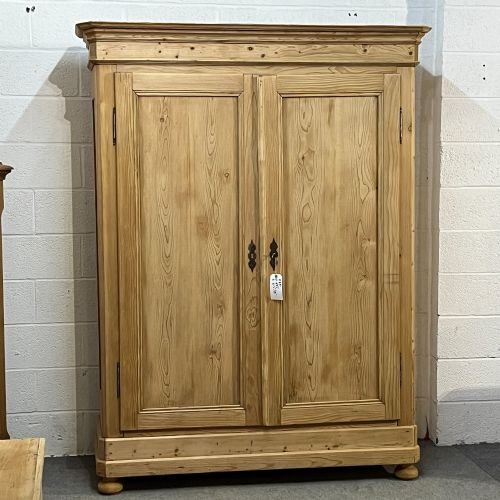
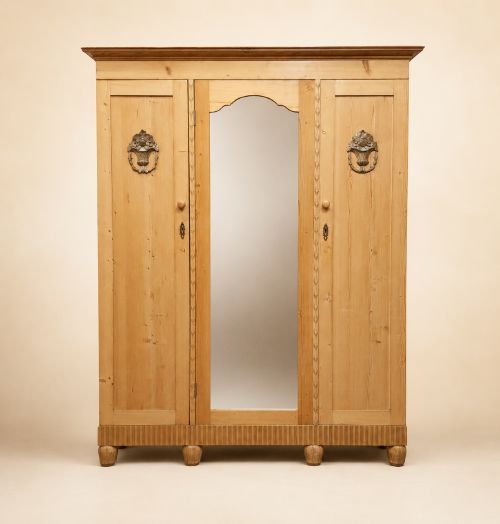
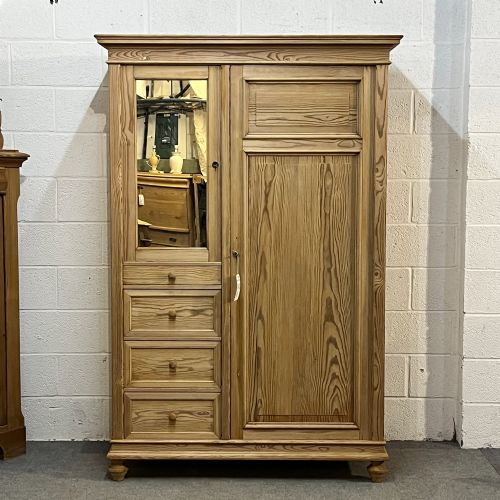
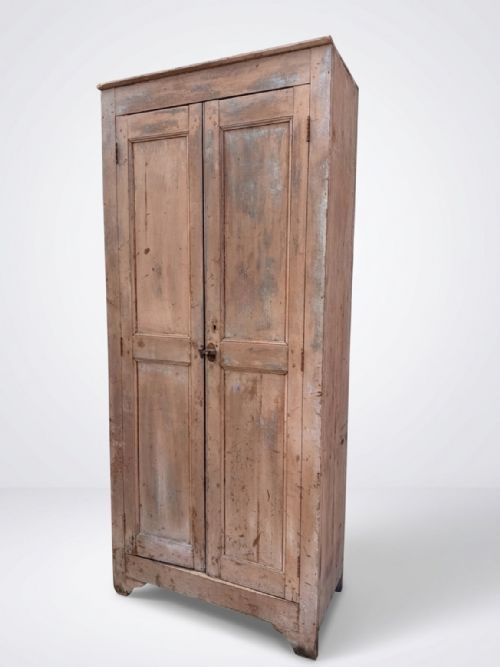
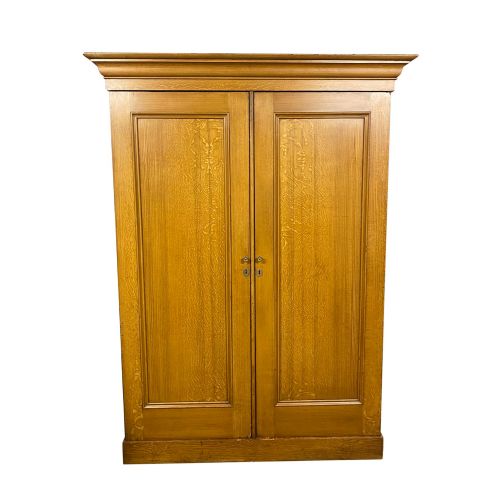
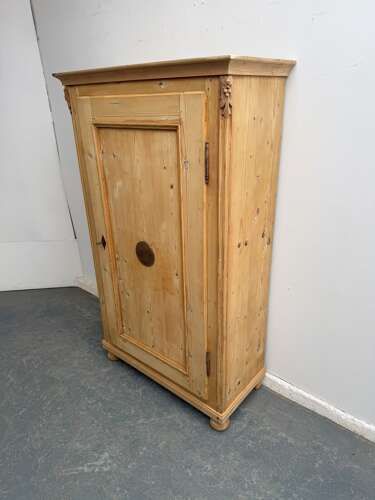
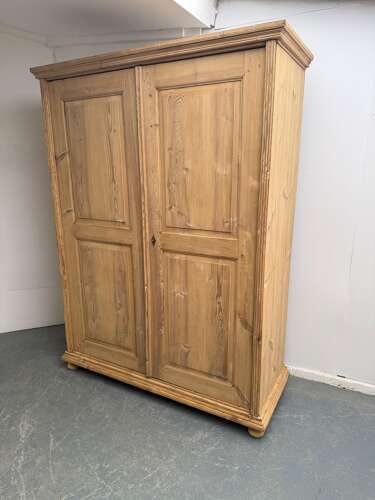
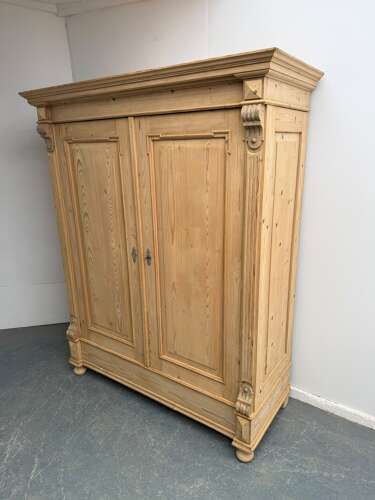
Pine Linen Press Wardrobe
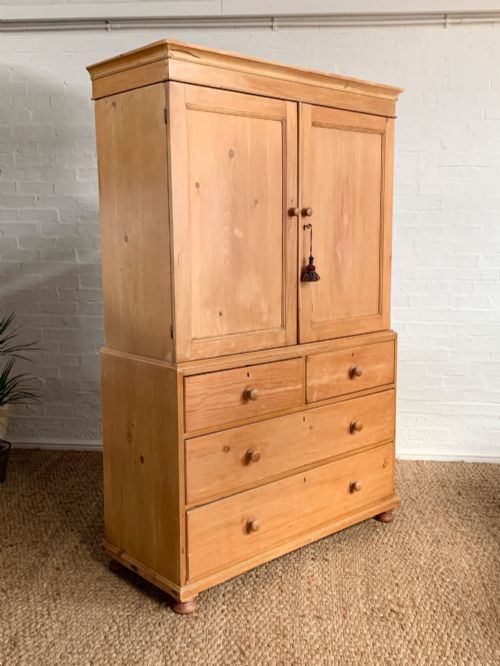
A pine linen press wardrobe brings substantial regional utility and honest timber grain into a bedroom, combining upper linen storage with lower drawers.
Pine Linen Press Wardrobe
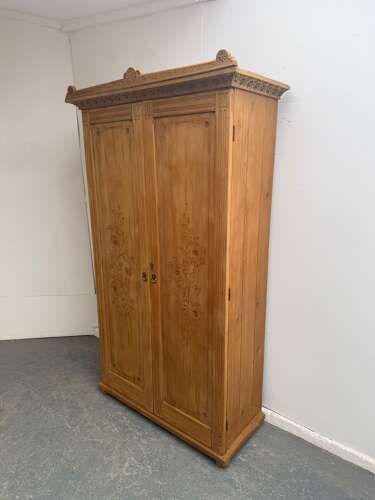
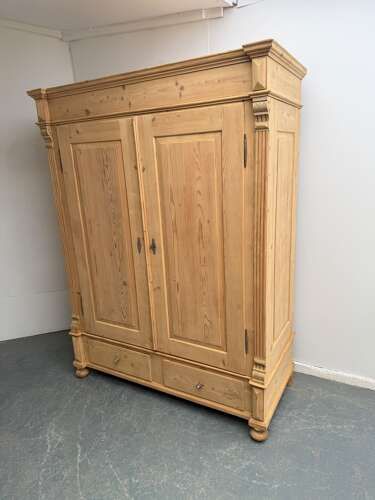
When searching for a pine linen press wardrobe, buyers encounter tall storage pieces designed for domestic linen and garments, originating primarily from the Victorian and Georgian periods. These pieces frequently manifest as large knockdown wardrobes, compactums, or traditional housekeepers' cupboards constructed from solid softwood.
The inventory on this page ranges from simple country cottages examples to elaborate Arts and Crafts or Gothic interpretations. Regional variations appear across English and French country styles, presenting distinct door configurations and internal shelving layouts.
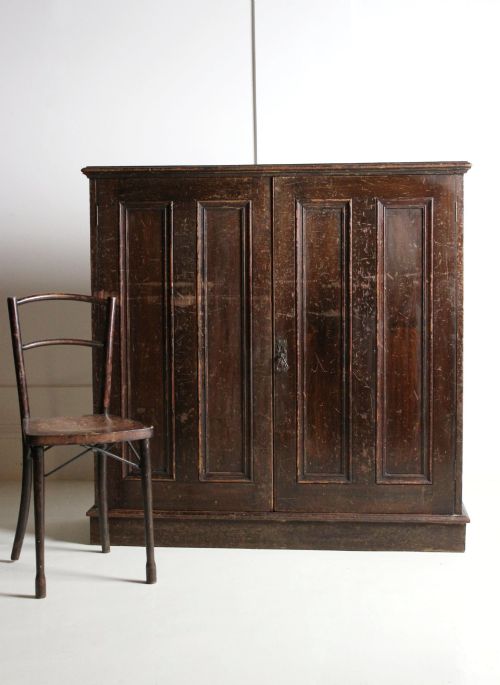
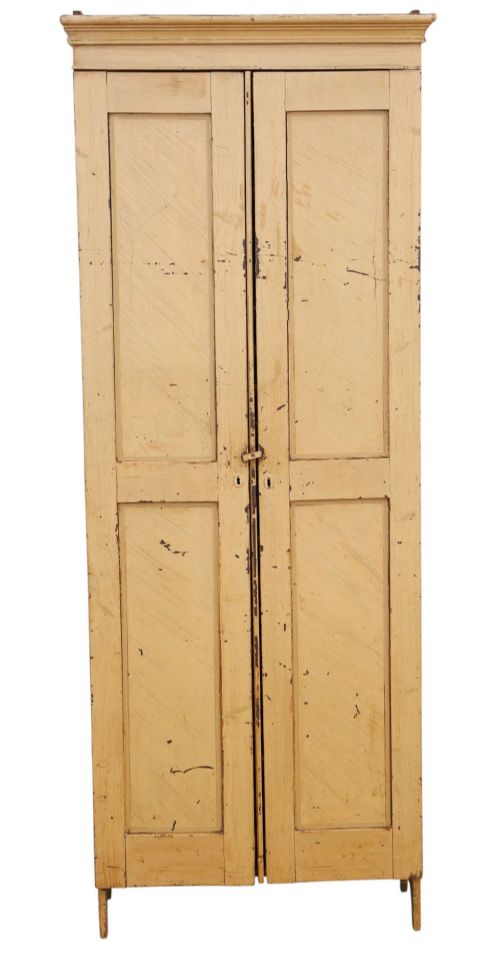
Many survivors retain their original paintwork, scumble glazes, or historical wax finishes rather than modern stripping. The utility of these large storage items has kept them functional for contemporary homes seeking deep, adaptable hanging and folding space.
Materials and construction
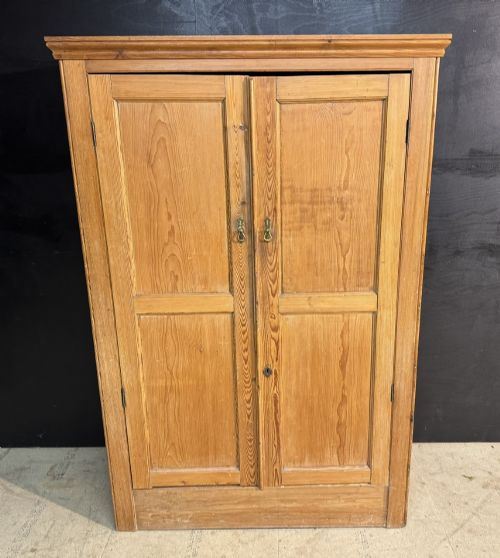
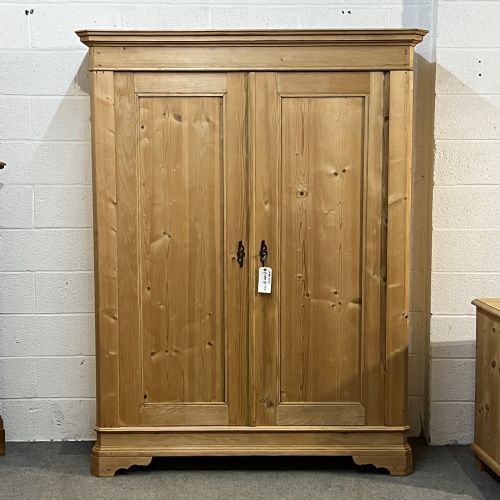
Makers utilised native and imported softwoods, primarily pine alongside pitch pine, assembling carcasses with pegged joints, substantial mouldings, and panelled doors. Iron and brass hardware such as hinges, handles, and escutcheons secure the heavy timber doors and drawers.
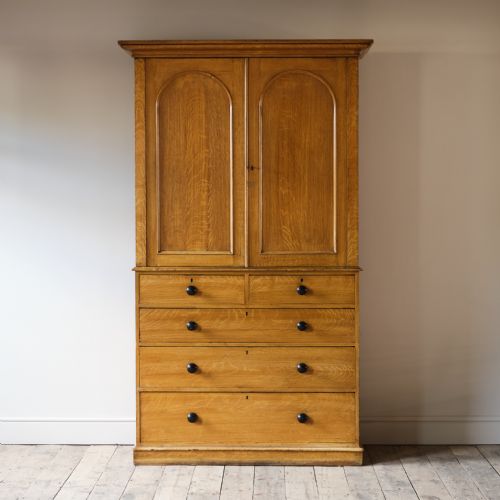
Surface treatments vary widely from plain waxed pine to decorative applications like cream painted finishes and original scumble faux oak paintwork. Many large Victorian and Georgian carcasses were engineered to dismantle into modular sections for ease of transport within homes.
Storage forms range from French double wardrobes and chapel cupboards to Arts and Crafts hall wardrobes and kitchen housekeepers' cupboards.
Assessing quality in antique pine furniture
Quality rests upon the integrity of the original timber framing, the retention of period hardware, and the survival of untouched surface coatings like historical paint or scumble. Pieces that retain their original knockdown mechanisms and internal configurations command greater architectural interest.
Proportion and detailing distinguish superior examples, such as those featuring arched panels, carved Arts and Crafts motifs, or balanced proportions on Georgian low cottage pieces. Heavy timber shrinkage, clumsy modern alterations, and stripped surfaces devoid of historic patina alter the character of the piece.
The Pine Linen Press Wardrobe Glossary
- Linen press
- A tall cupboard traditionally used for storing folded sheets and textiles, often featuring sliding trays or shelves in the upper section above clothes drawers.
- Compactum
- A multi-functional wardrobe combining hanging space, linen drawers, and shelving within a single unified footprint.
- Knockdown
- A piece of furniture constructed to dismantle into modular sections, facilitating movement and installation in tight spaces.
- Scumble
- A translucent decorative paint technique applied over a base coat to imitate the grain of more expensive hardwoods like oak.
- Fielded panel
- A wooden panel with bevelled or recessed edges set into a frame, adding depth and structural stability to large wardrobe doors.
Pine Linen Press Wardrobe: Frequently Asked Questions
What is a pine linen press?
A pine linen press is a tall storage cabinet designed to hold household textiles and clothing, typically featuring internal shelving or trays in the upper compartment.
These pieces provide substantial bedroom storage by combining upper cupboard space with deep lower drawers for folded garments.
How do I date a pine wardrobe?
Dating relies on observing construction methods, hardware types, and stylistic indicators such as Georgian proportions or Victorian Gothic mouldings.
Original paint finishes, timber patination, and the presence of hand-cut joints also help determine whether a piece belongs to the eighteenth or nineteenth century.
Are these wardrobes easy to move?
Many larger examples were built as knockdown wardrobes designed to separate into modular sections for transport.
Buyers should check individual listings to confirm whether a specific cabinet dismantles or remains a single solid piece.
Should I wax or paint my cupboard?
Deciding between a waxed or painted finish depends on preserving any surviving historical surfaces found on the timber.
Many pieces retain original scumble glaze or early paintwork that collectors prefer to keep untouched rather than stripping back to raw pine.