
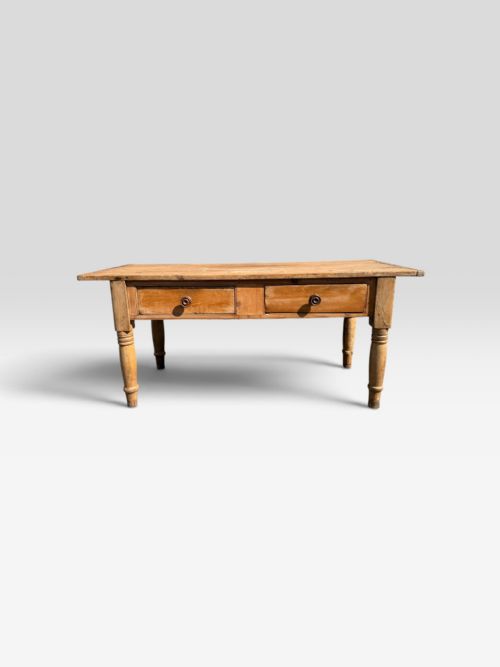
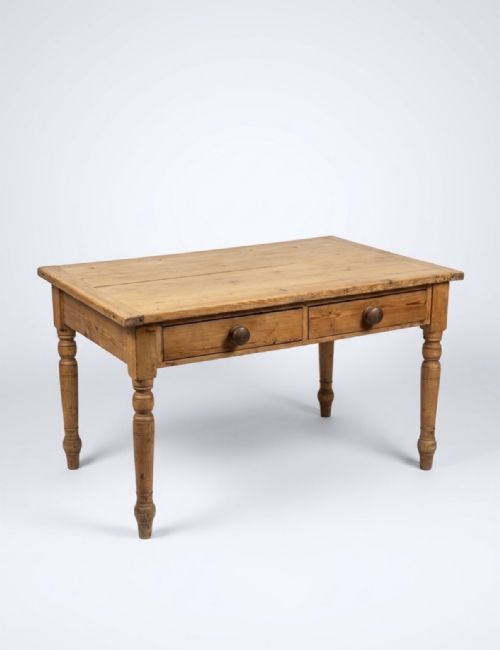
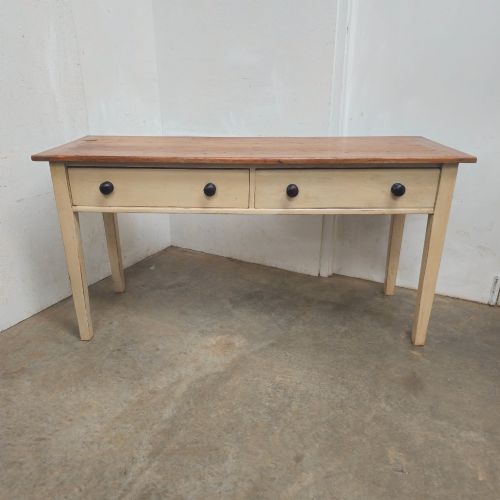
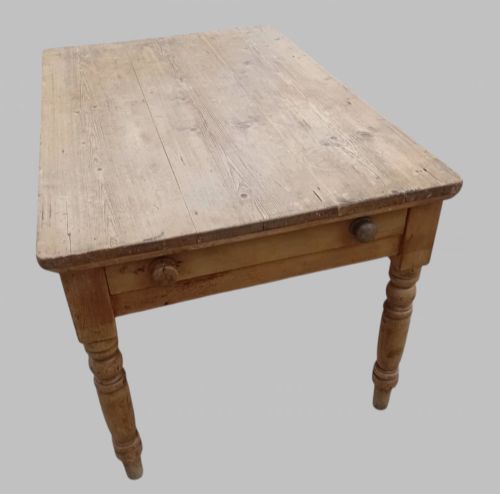
Pine Kitchen Side Table
A pine kitchen side table brings honest utility to a room, offering scrubbed tops and sturdy drawers built for hard daily work.
Pine Kitchen Side Table
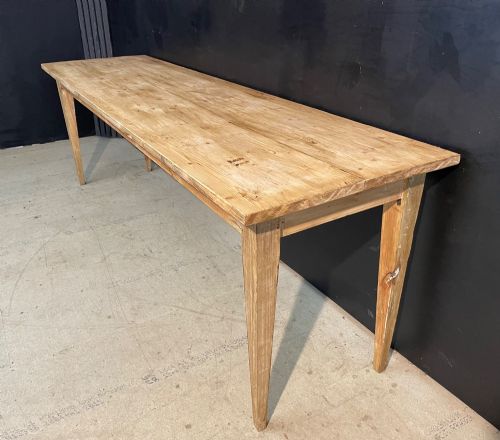
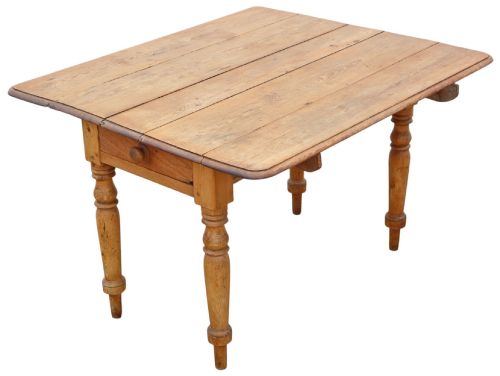
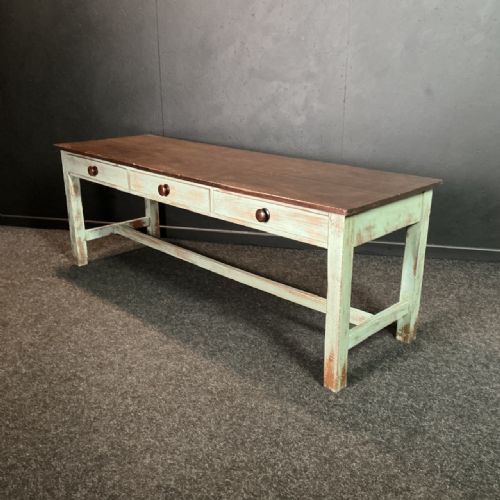
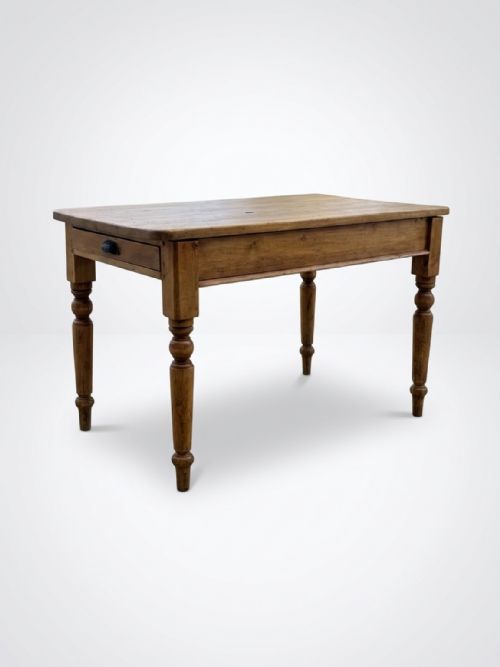
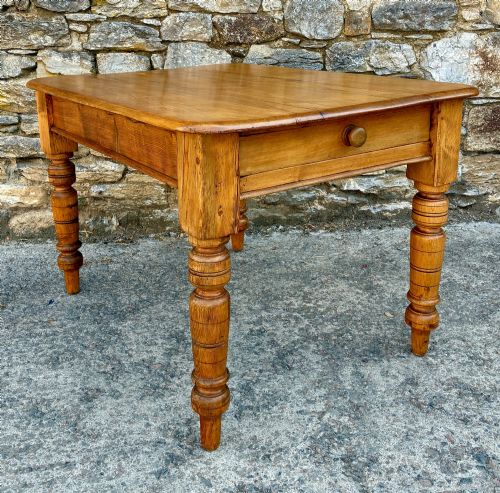
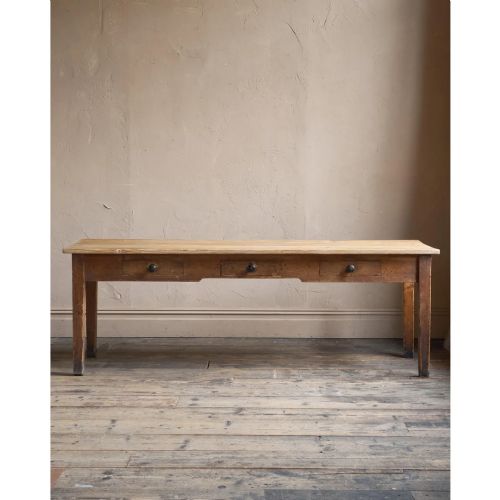
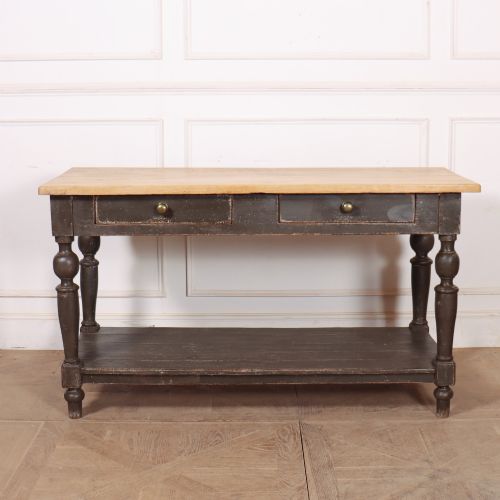
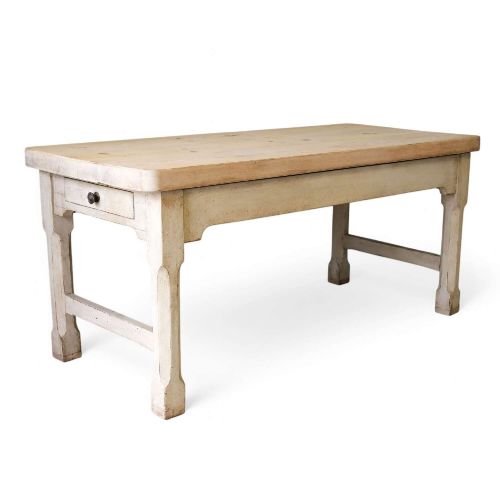
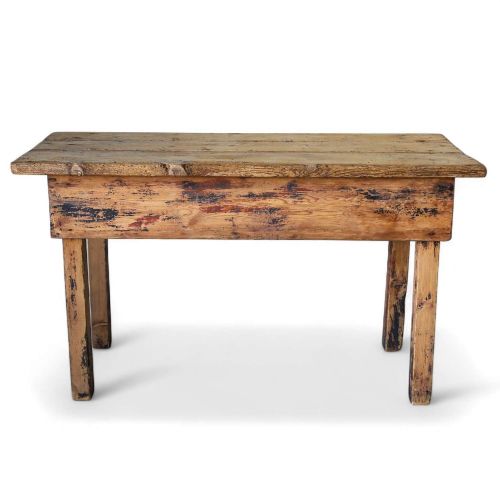
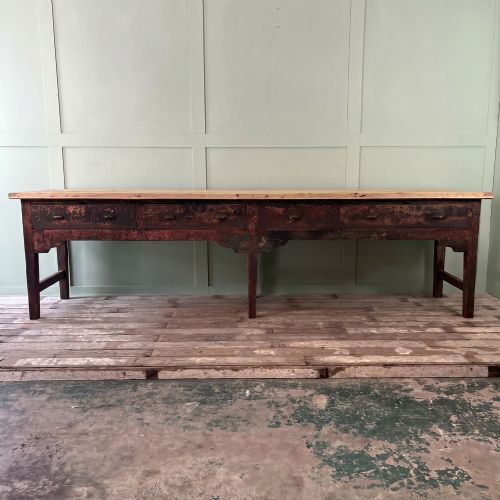
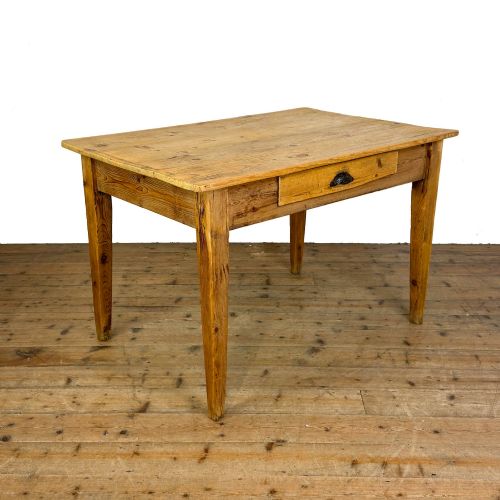
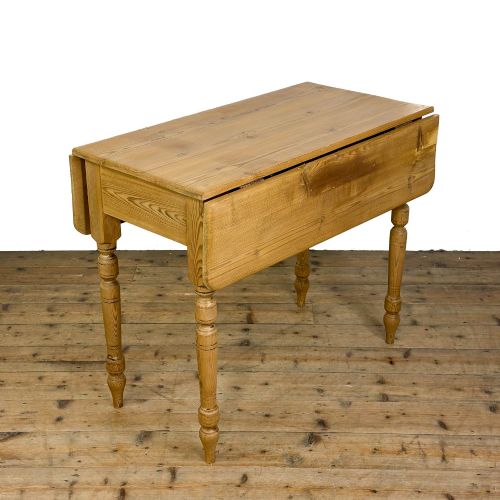
A pine kitchen side table spans a variety of hardworking domestic forms, including prep tables, servers, scullery tables, and side tables designed for utilitarian spaces. These pieces emerge predominantly from the nineteenth century and the Victorian era, alongside examples from the eighteenth and early twentieth centuries.
Regional variations appear across the selection, encompassing English, French, Scandinavian, and Welsh country traditions. Makers constructed these items for demanding environments such as dairies, bakeries, and domestic kitchens, resulting in honest, unpretentious proportions built around drawers and plank tops.
Materials and construction
Carpenters relied primarily on softwoods like standard pine and dense pitch pine for main structures, occasionally pairing them with fruitwood, oak, or metal fittings and brass details. Surfaces frequently received protective coatings or decorative finishes, including traditional Falu paint, later white paint, or scrubbed natural timber tops.
Joinery focused entirely on practical longevity, utilising sturdy drawer boxes fitted to the front frieze and stable plank construction for surfaces. Folding drop leaves and two-tier designs added versatility to tables intended for busy sculleries and workspaces.
Several tables were built specifically for demanding trades, including historic florists, bakers, and drapers who required sturdy timber frames for daily commerce.
Assessing quality and character
Quality rests in the integrity of the timber and the honesty of the wear, distinguishing purposeful utilitarian age from later alterations. Tables retaining original painted legs or authentic surface treatments carry greater integrity than those stripped or heavily reworked.
Proportion and functional details elevate certain examples, particularly those featuring well-proportioned single or multiple drawers and robust framing. The distinction between a standard workshop table and a finer domestic piece lies in the balance of the proportions and the survival of original hardware.
The Pine Kitchen Side Table Glossary
- Pitch pine
- A dense, resinous softwood often used for heavy-duty furniture. It provides exceptional durability and a distinct grain pattern.
- Falu paint
- A traditional deep red paint originating in Sweden, commonly used to protect exterior and interior timber. It contains copper red pigment from the Falun copper mine.
- Scrub-top
- A plain wooden table top designed to be scrubbed clean with water and sand after food preparation. This process creates a pale, smooth surface over decades.
- Frieze
- The horizontal band running beneath the table top, which frequently houses one or more drawers in these utility tables.
Pine Kitchen Side Table: Frequently Asked Questions
What is a pine kitchen side table used for?
These tables served primarily as practical work surfaces for food preparation, baking, and scullery tasks in traditional kitchens and dairies. Their built-in drawers provided convenient storage for everyday utensils and tools.
Today, they function brilliantly as compact kitchen islands, sideboards, or preparation spaces in modern homes. Their utility translates well to contemporary rooms needing extra surface area and rustic character.
How do I date a pine kitchen table?
Dating relies on observing construction methods, timber characteristics, and hardware details such as drawer dovetails and iron or brass pulls. Pieces from the Victorian era often display specific regional farmhouse traits and simpler joinery techniques.
Comparing the wear patterns and paint history also helps establish the age of the timber. Original finishes, such as early layers of paint or scrubbed tops, offer strong chronological clues.
Are painted pine tables original?
Many tables retain original period paint, such as traditional Swedish Falu paint or early white decorative finishes applied in country workshops. These coatings protected the soft pine and identified regional origins.
Some pieces feature later painted surfaces applied during subsequent decades of use. Evaluating the integration of the paint with the underlying wood helps determine whether the finish dates to the period of manufacture.
How do I care for a scrubbed pine top?
Maintain scrubbed timber surfaces by cleaning them gently with mild soap and water, avoiding harsh chemical treatments that strip the grain. Regular light oiling can protect the dry wood from moisture and staining.
Accepting the natural marks and patination of the wood is part of living with these historical pieces. Their charm stems directly from the honest wear accumulated during decades of domestic service.