
Pine Kitchen Larder
A pine kitchen larder brings honest utility and generous storage to a room, holding provisions and kitchenware with straightforward charm.
Pine Kitchen Larder
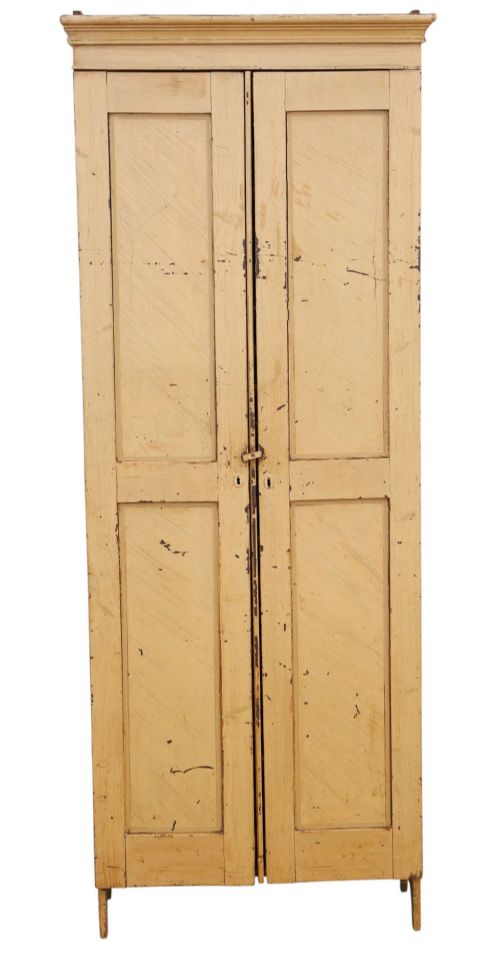
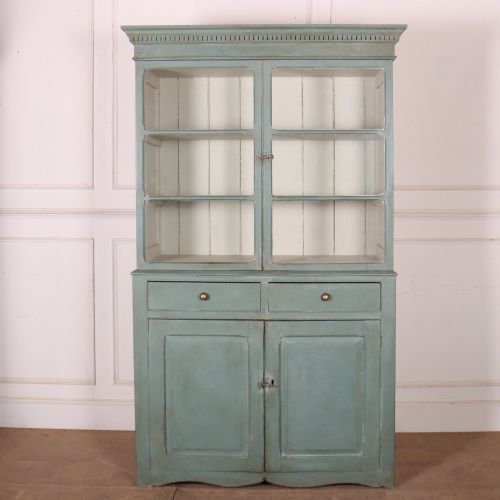
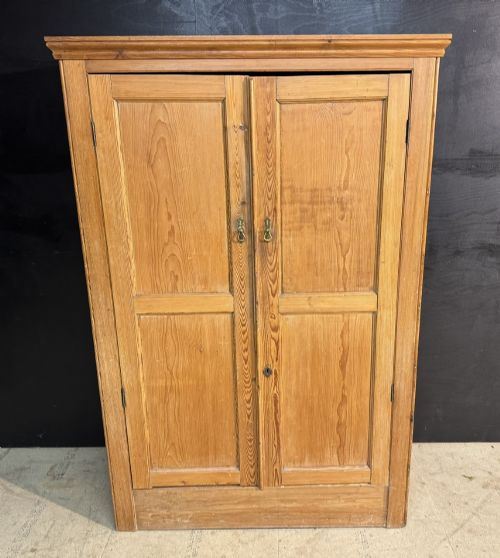
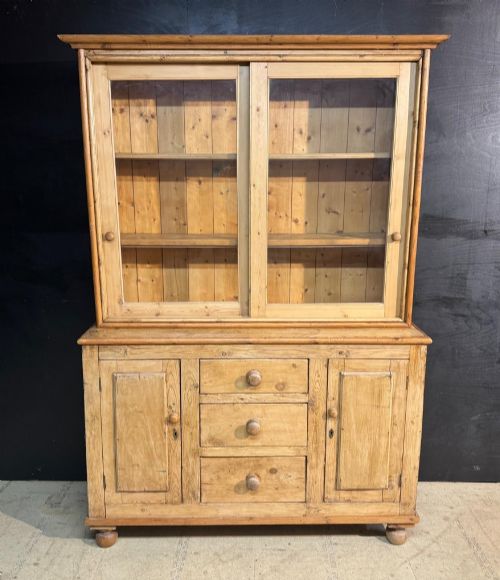
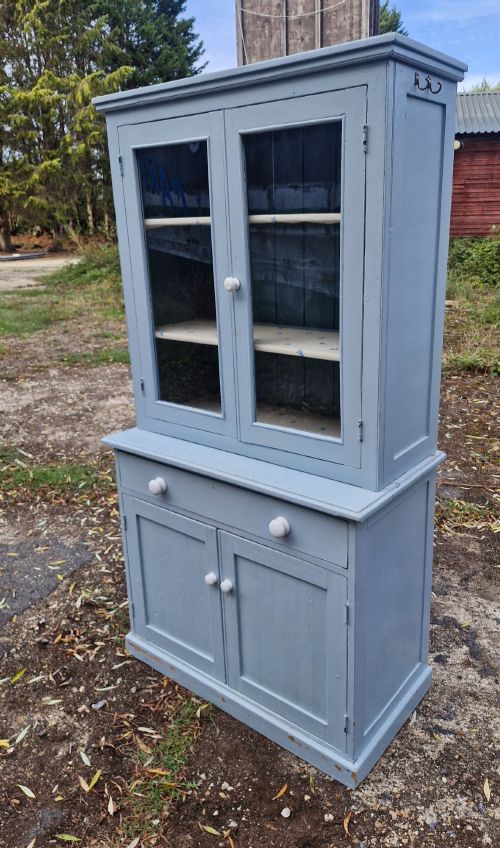
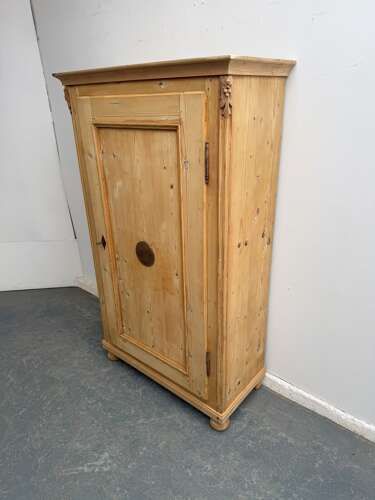
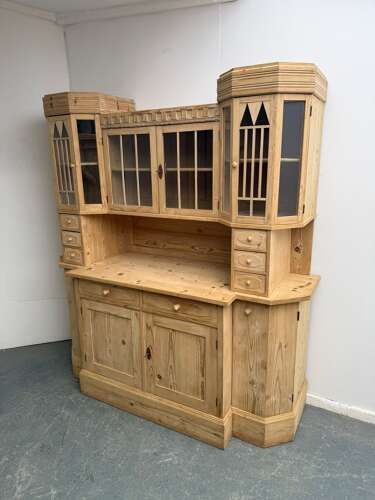
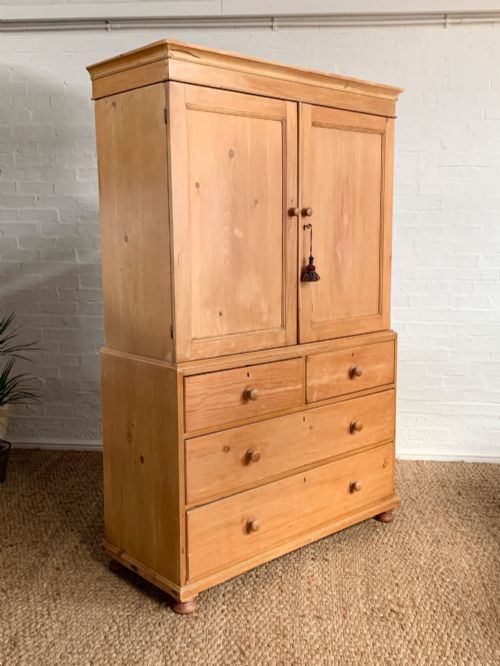
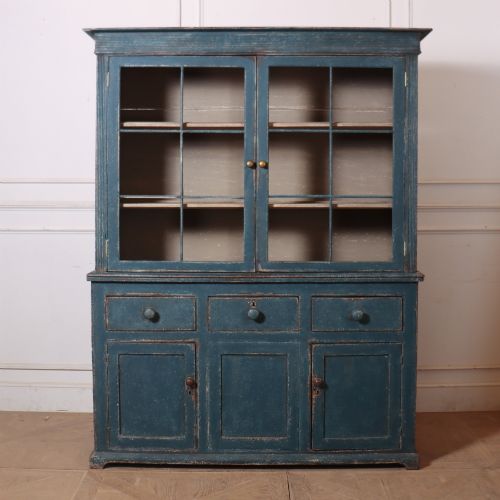
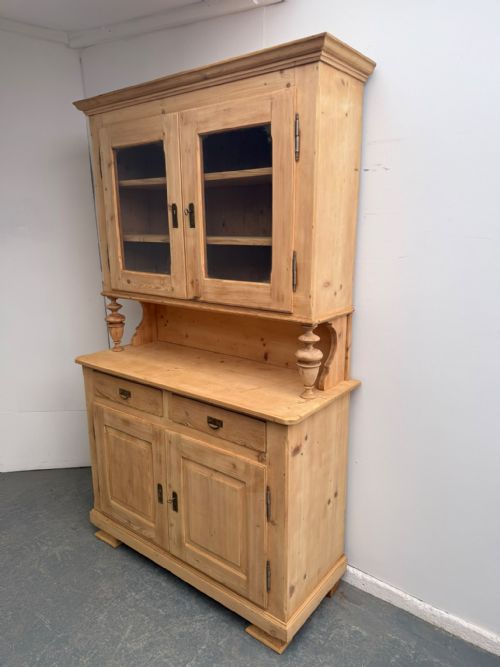
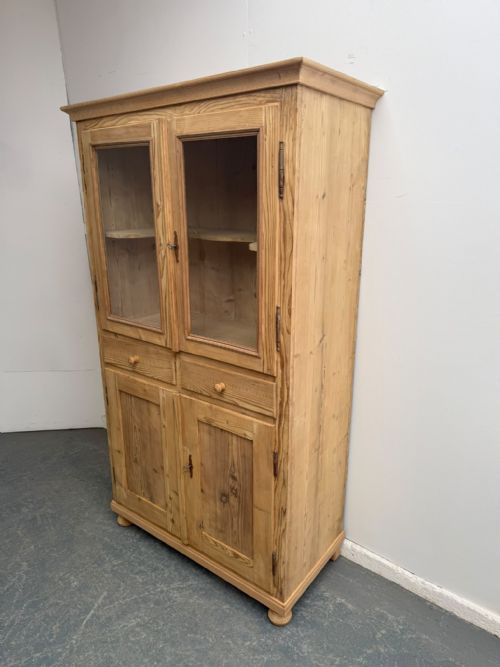
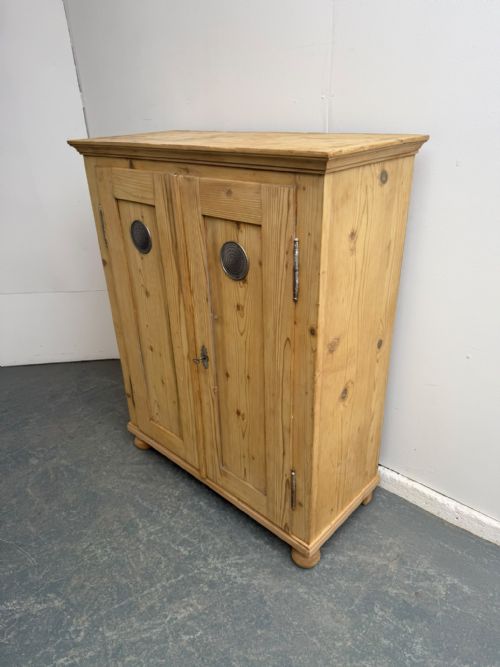
A pine kitchen larder provides substantial storage designed originally for food preservation and household provisions, appearing here through forms such as housekeeper's cupboards, kitchen dressers, and food cupboards.
The examples on this page span from the eighteenth century through the Victorian era and into the early twentieth century, showing regional characteristics from English counties, Scotland, Denmark, and France.
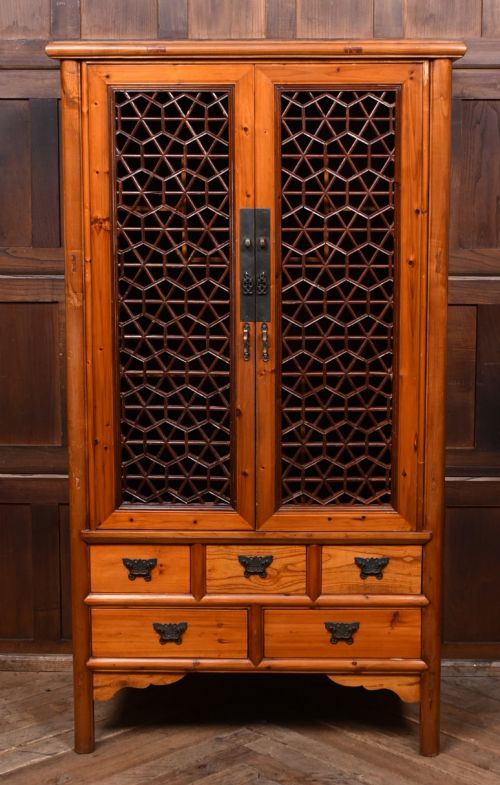
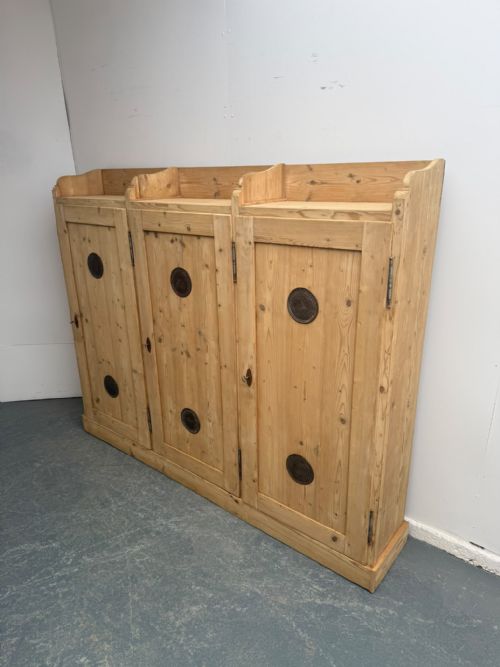
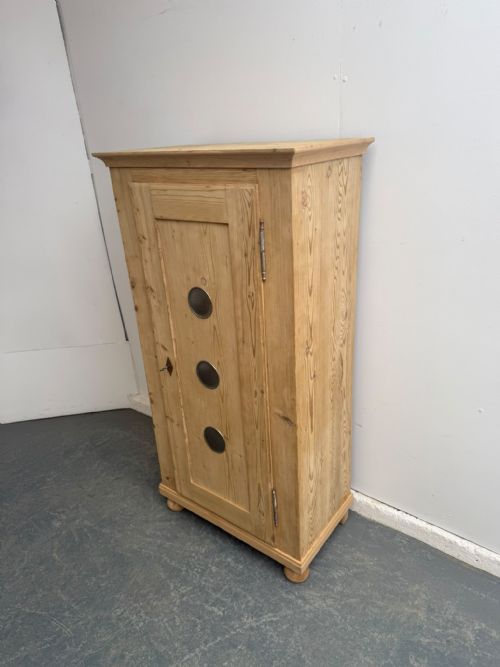
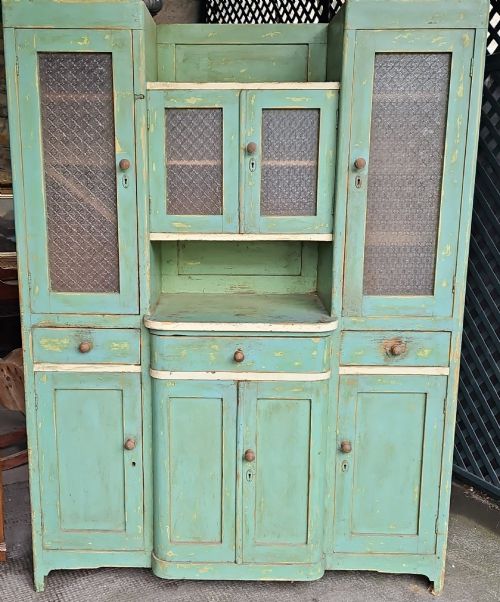
Buyers will encounter tall single or multi-door cupboards, two-piece dressers with open shelving or glazed display sections, and vented designs intended to keep stored goods cool.
What varies in quality
Quality rests in the integrity of the original construction, seen in well-joined timber, sturdy panelled doors, and intact internal shelving that has survived decades of heavy domestic use.
The survival of original surface treatments, such as early paint or undisturbed patination from years of cleaning and wear, distinguishes pieces that retain their historical character from those heavily altered.
Listings feature periods ranging from the eighteenth century through the Victorian era to the 1930s, constructed in pine with glass, brass, and iron elements.
The Pine Kitchen Larder Glossary
- Housekeeper's cupboard
- A large storage piece traditionally used in country houses for linens, dry goods, and provisions. These units typically feature multiple doors and internal shelving.
- Vented cupboard
- A cabinet incorporating pierced panels or wire mesh to allow air circulation. This design kept perishable food cool before mechanical refrigeration.
- Kitchen dresser
- A dual-purpose piece combining base cupboards or drawers with upper display shelving or a glazed cabinet. They served as the central storage hub for domestic tableware.
- Pine
- A softwood commonly utilised for utilitarian vernacular furniture due to its workability. It accepts paint finishes readily and develops a rich warmth through handling.
Pine Kitchen Larder: Frequently Asked Questions
How do I date an old pine larder?
Dating relies on construction methods, timber characteristics, and hardware such as hinges and locks. Earlier pieces from the eighteenth century show hand-tooled joints and specific vernacular proportions.
Later Victorian and Edwardian examples often incorporate machine-cut elements and standardised fittings while maintaining similar domestic functions.
Should I keep the painted finish or strip it?
Deciding whether to keep paint depends on whether the finish is original or a later application. Original historical paint layers preserve the character and age of the piece.
Stripped pine exposes the natural grain for waxing, which suits different interior decorative preferences.
Where were these cupboards originally used?
These cupboards originated in domestic kitchens, pantries, sculleries, and large country house housekeeper rooms. They functioned as the primary storage vessels for dry goods, bread, cheese, and household equipment.
Regional variations reflect the specific needs of different English counties, Scotland, and continental Europe.