



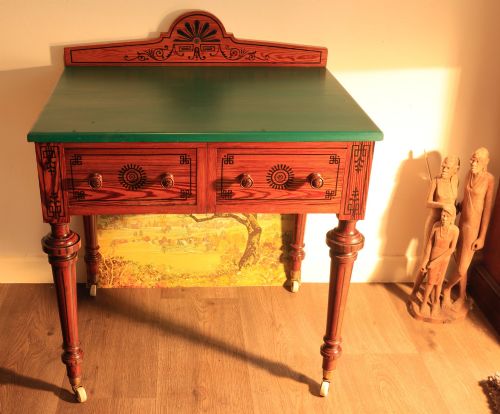

Pine Hall Table with Drawers
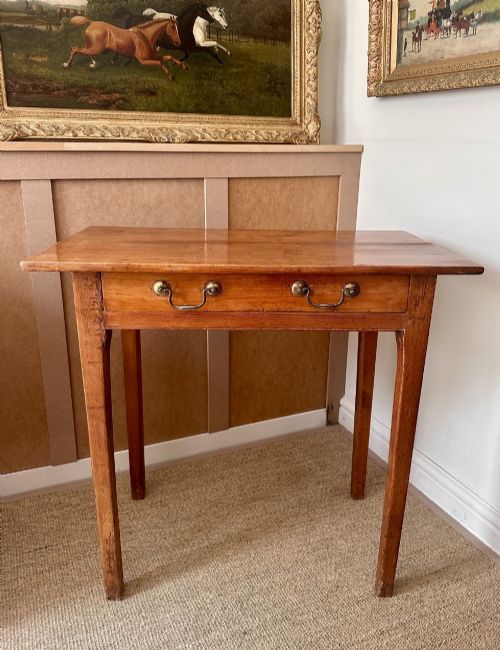
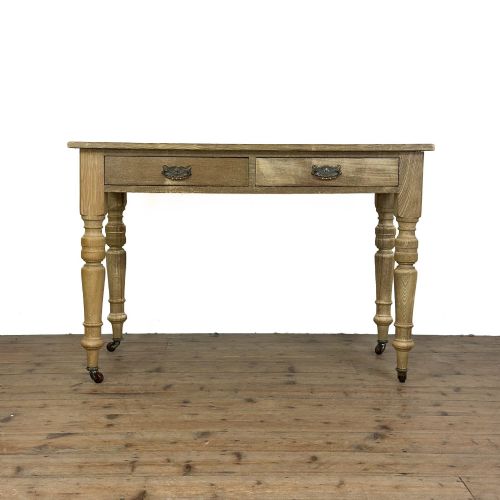
These pine hall table with drawers examples are sturdy everyday furniture pieces from the Victorian era and the nineteen-twenties, offering practical storage for your entryway.
Pine Hall Table with Drawers
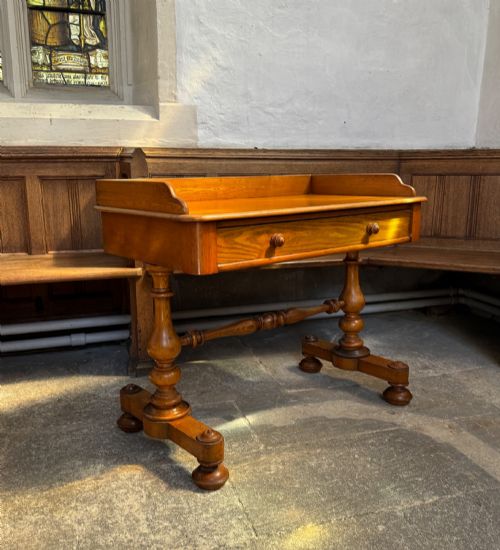
A pine hall table with drawers brings utility and rustic character to a corridor or entranceway, drawing upon traditional English country forms. When searching for this type of furniture, you encounter items originating from the nineteenth century alongside early twentieth-century examples dated around nineteen-twenty.
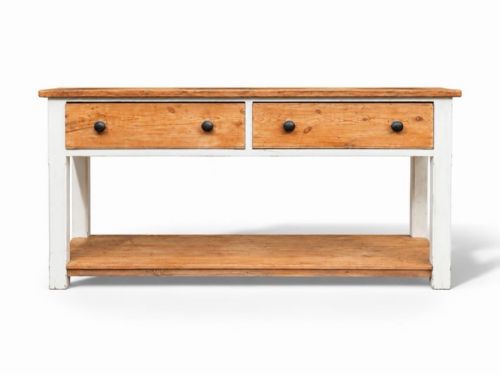
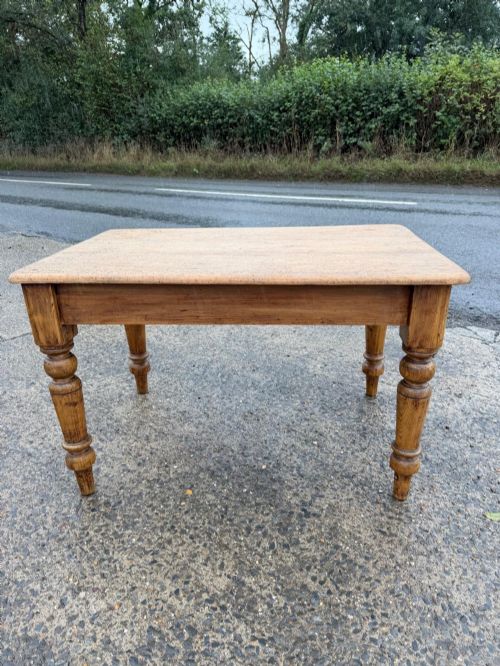
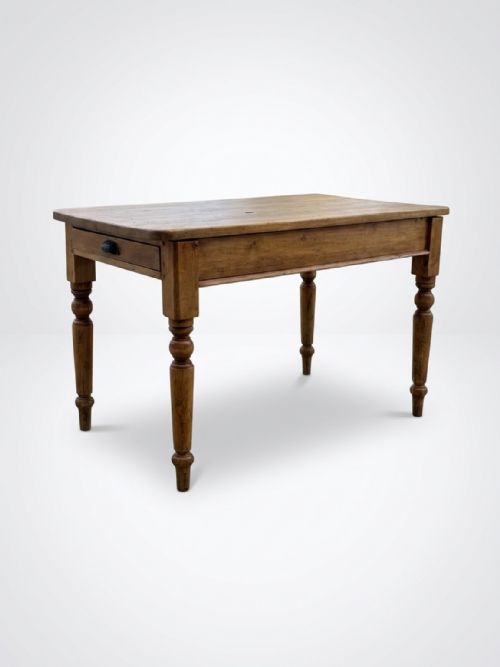
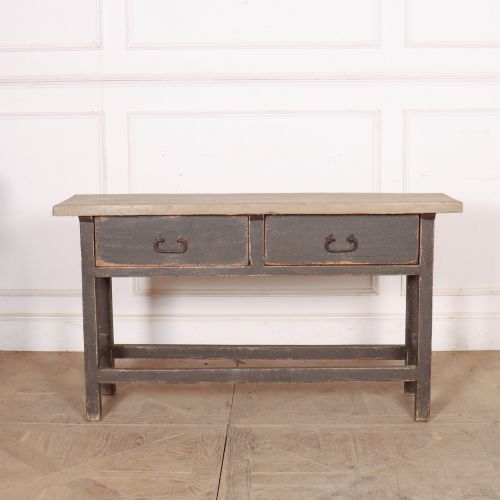
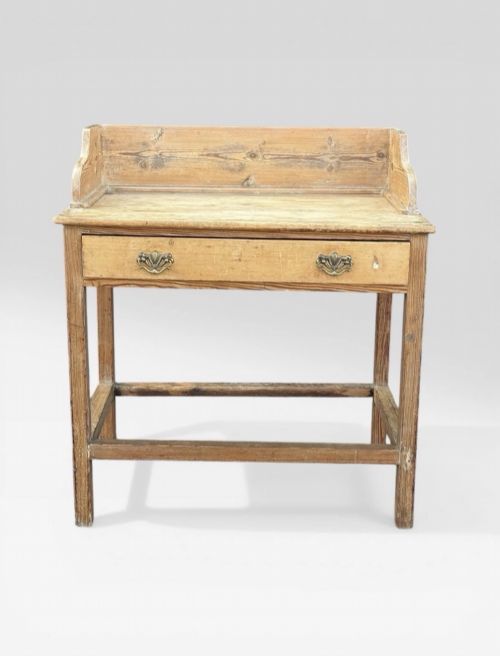
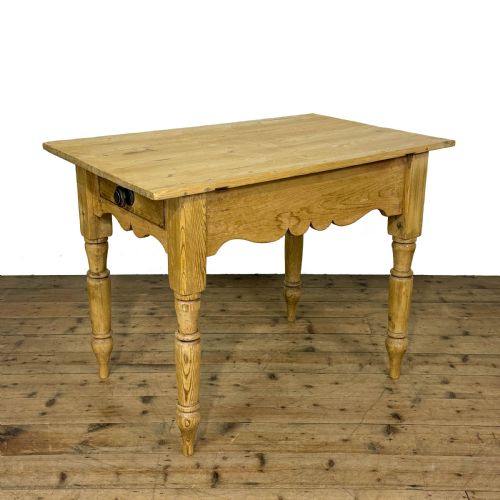
The inventory on this page encompasses varied functional forms that share similar proportions, including side tables, washstands adapted for hall use, and compact kitchen tables fitted with drawers. These pieces generally feature single drawer arrangements within the front frieze, constructed from standard pine or pitch pine.
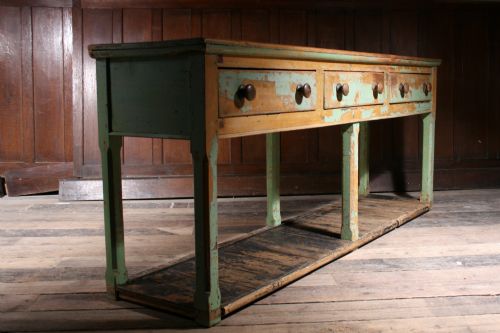
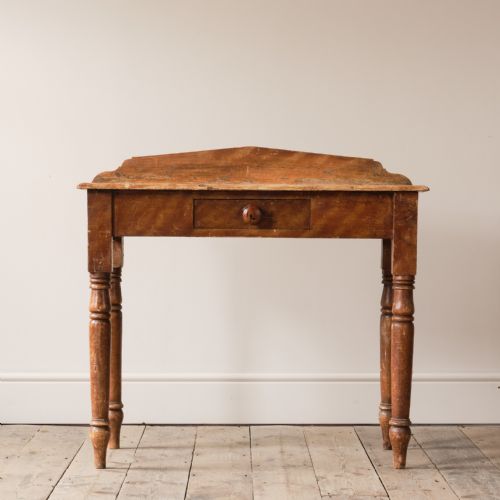
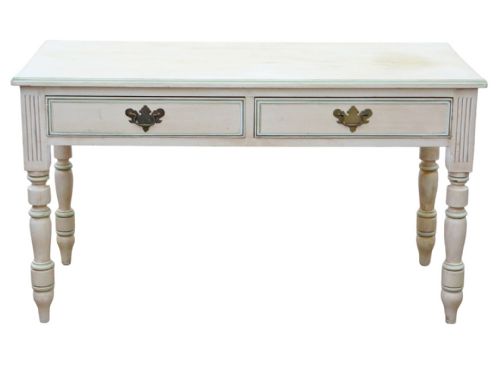
Stylistically, these items align with Victorian country, rustic farmhouse, and English country traditions. They range from plain waxed wooden surfaces to pieces retaining original paint finishes.
How they were made
Construction relies primarily on pine and pitch pine, selected for their availability and workability in regional workshops. Makers often paired these timber frames with metal hardware, such as brass pulls or handles fitted to the single drawers.
Surface treatments vary between natural wood finishes and applied layers of paint. Several examples retain their original painted surfaces, reflecting the practical domestic finishes applied during the nineteenth and early twentieth centuries.
Pine Hall Table with Drawers Retail Price Guide 2026
Typical asking prices for pine hall table with drawers among the pieces listed under this phrase on Sellingantiques today, from the lower quarter to the upper quarter. They describe what is for sale here now, not the wider market.
The listings span the Victorian period, the nineteenth century, and the year nineteen-twenty, utilising pine, pitch pine, paint, wood, and brass.
What varies in quality
Quality differences emerge in the preservation of original surfaces, particularly where early paint finishes remain intact rather than stripped down to bare timber. The presence of documented provenance or original brass hardware also elevates certain pieces above standard utilitarian examples.
Construction details distinguish finer workshop output from basic domestic furniture, observable in the careful joining of the drawer frieze and the selection of denser pitch pine over standard softwoods.
The Pine Hall Table with Drawers Glossary
- Pine
- A softwood commonly used in British furniture making, valued for its accessibility and pale grain. It forms the primary structural material for these tables.
- Pitch Pine
- A denser, more resinous variety of pine often utilised for durability in nineteenth-century tables and washstands. It displays a pronounced grain pattern.
- Frieze
- The horizontal band running beneath the top surface of a table. In these pieces, the frieze typically houses the single drawer.
- Washstand
- A domestic piece designed for holding washing basins, frequently repurposed as a side or hall table due to its similar height and drawer configuration.
- Original Paint
- Surface coating applied during the period of manufacture that has not been subsequently stripped or repainted. It adds historical interest to rural furniture.
Pine Hall Table with Drawers: Frequently Asked Questions
What is a pine hall table with drawers?
These items are nineteenth-century and early twentieth-century wooden tables featuring built-in storage drawers beneath the top surface. They derive from various functional forms including side tables and washstands.
Built for practical use in domestic spaces, they provide a narrow surface and a drawer for small household items in narrow hallways or entryways.
How old are these tables typically?
The pieces listed originate predominantly from the Victorian period and the nineteenth century, with some examples dating to the nineteen-twenties.
They reflect the domestic cabinet-making styles of rural and provincial workshops from those specific eras.
Were these originally hall tables?
Many items matching this description began as side tables, small kitchen tables, or washstands before being utilised in hallways.
Their compact proportions and functional drawers make them well-suited for narrow spaces despite their varied original domestic purposes.
How do I care for painted pine furniture?
Painted pine surfaces require gentle cleaning with a dry or barely damp cloth to protect the historic finish.
Avoid harsh chemical cleaners that might strip or damage original paint layers preserved from the nineteenth century.