
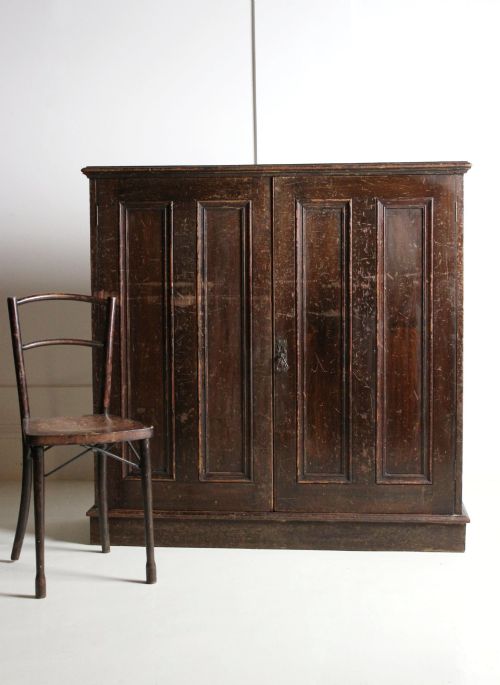
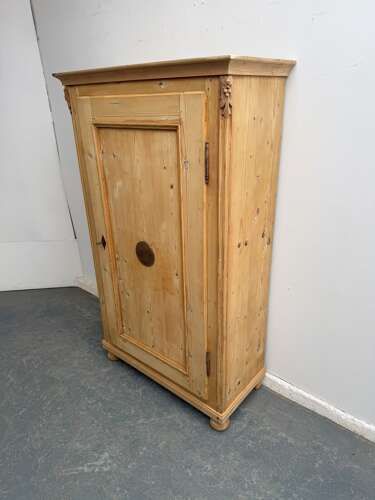
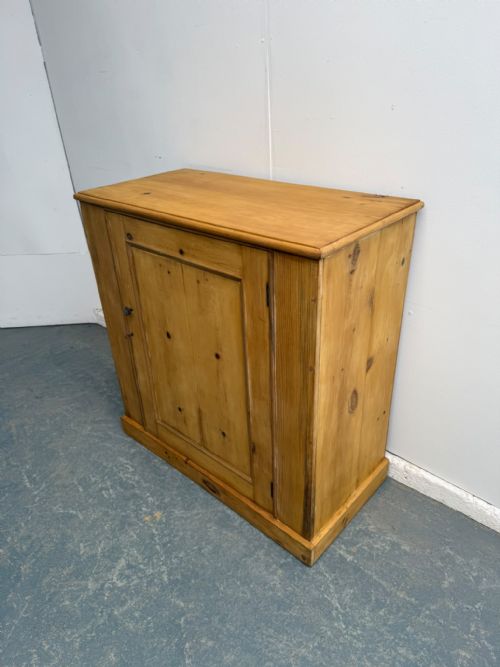
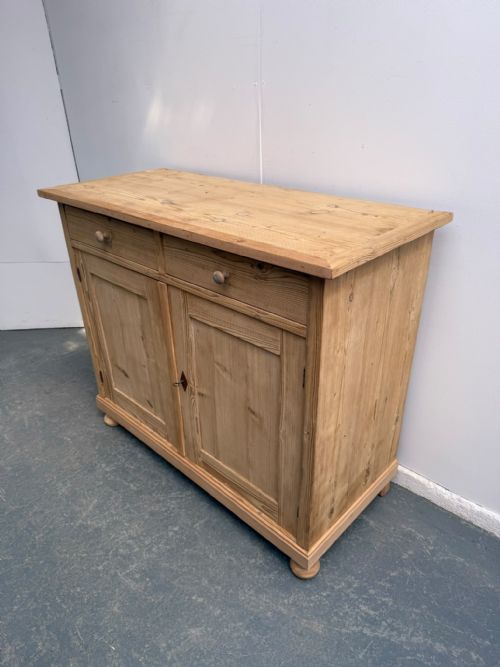
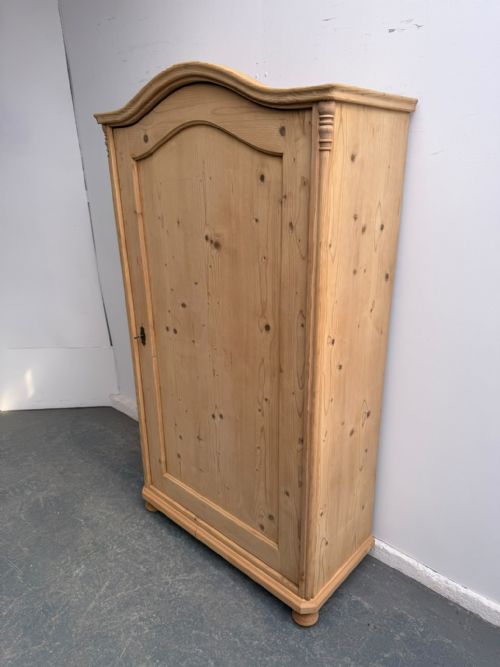
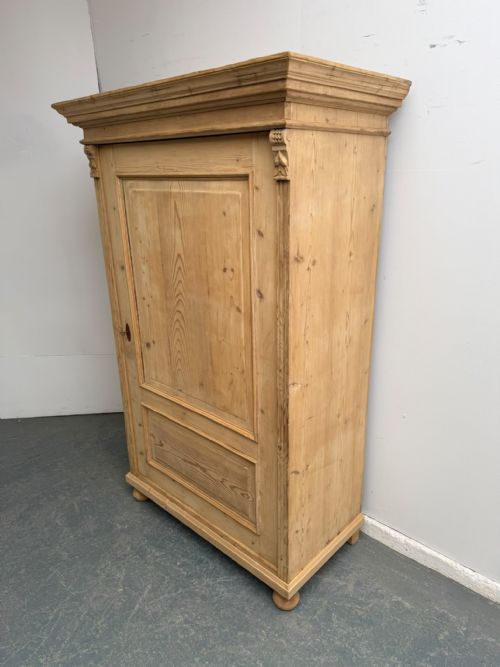
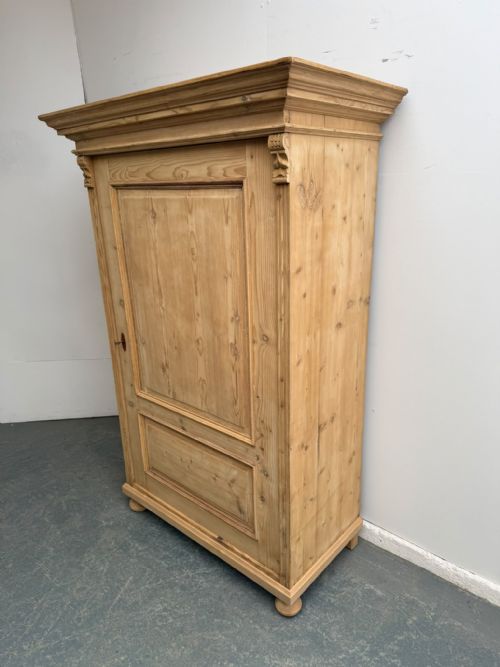
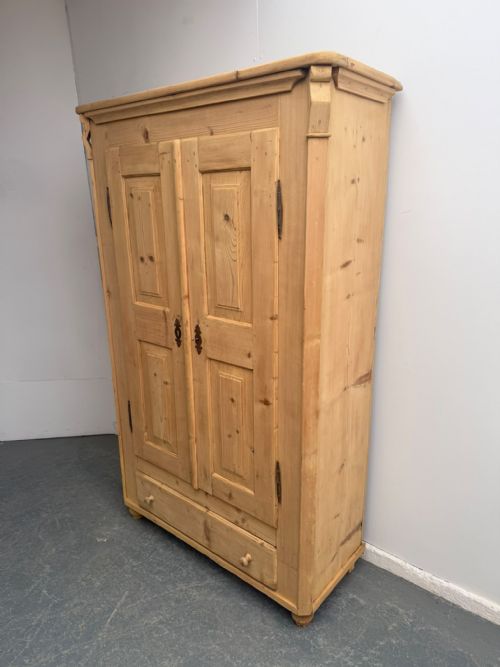
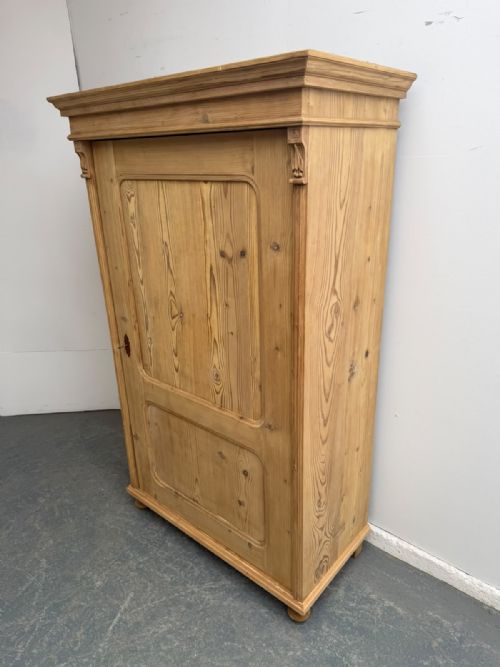
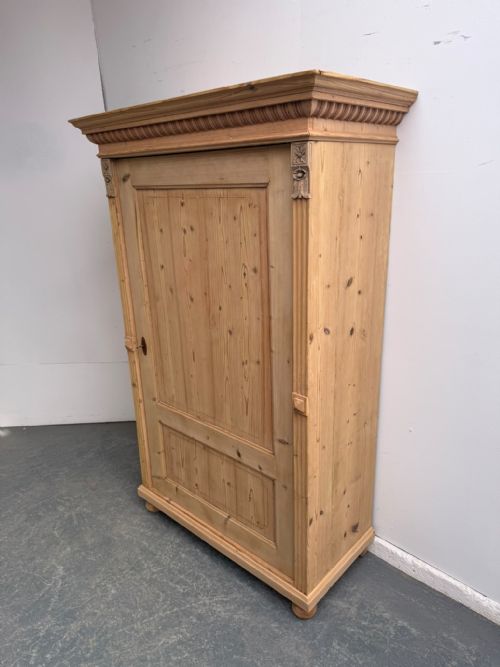
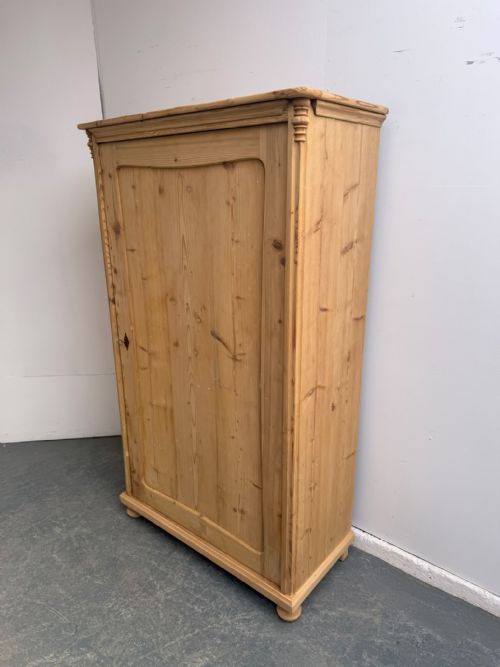
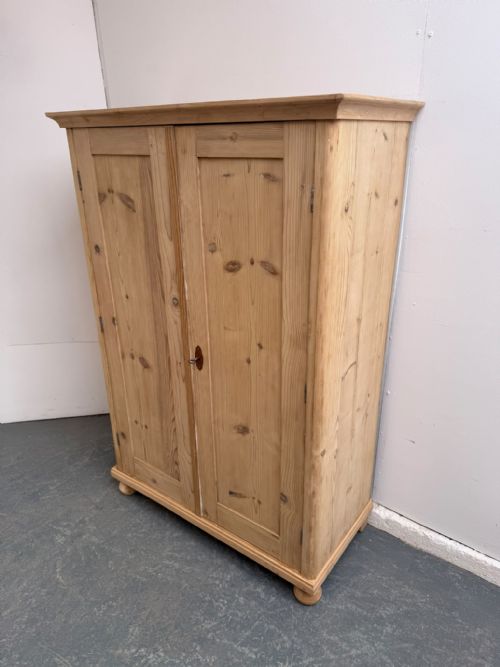
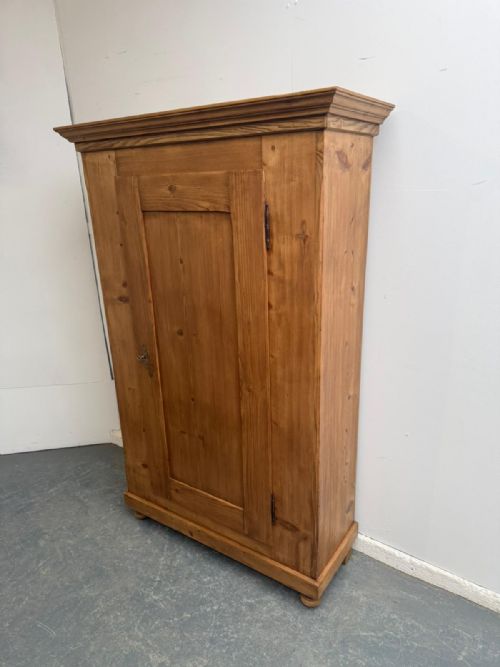
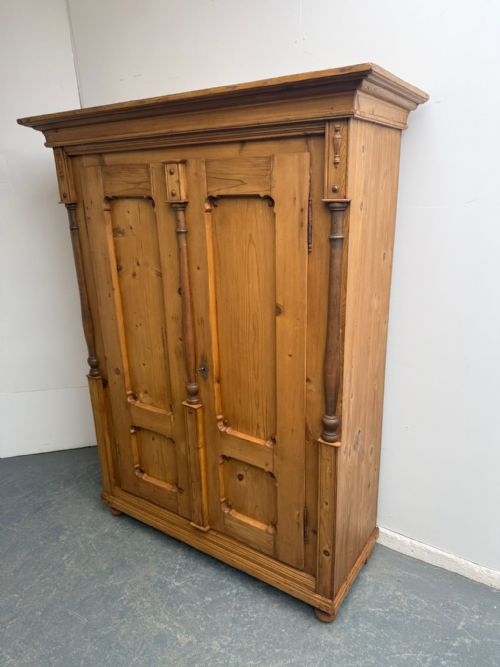


Pine Hall Storage Cabinet
A pine hall storage cabinet is a practical utilitarian piece offering substantial storage for everyday entryways and corridors.
Pine Hall Storage Cabinet
A pine hall storage cabinet covers a variety of upright cupboards, wardrobes, and dresser bases designed to organise entrance spaces and corridors. Buyers searching for a pine hall storage cabinet will encounter pieces originating from Victorian, Georgian, and Edwardian periods, alongside regional examples from Sweden, Hungary, and Germany.
The dominant forms on this page include single and double door cupboards, shallow hall wardrobes, and chiffoniers built from softwood. Many of these utility items arrive ready to wax or paint, allowing them to adapt to contemporary domestic interiors.
How they were made
Makers constructed these cabinets primarily using solid pine, incorporating iron and brass for hinges, locks, and handles. Surfaces frequently display original paint, stained finishes, or untreated timber intended for subsequent waxing.
Joinery methods rely on traditional carpentry suitable for utilitarian furniture, featuring fielded panels, pegged joints, and occasional ceramic or metal fittings.
Listings feature pine furniture spanning the Georgian, Victorian, and Edwardian periods, alongside continental pieces finished in paint and stain.
What varies in quality
Proportion and depth set the better examples apart, particularly shallow formats designed specifically for narrow hallways and corridors. Originality of the surface finish also dictates grade, with untouched regional paint or honest early wax surfaces holding distinct distinction over stripped alternatives.
Structural integrity depends on the retention of original backboards, shelving, and doors that hang true without excessive warping in the soft timber.
The Pine Hall Storage Cabinet Glossary
- Chiffonier
- A low sideboard or small cabinet featuring drawers above enclosed cupboard doors, popular for compact storage.
- Dresser base
- A low utilitarian table form fitted with drawers or cupboards beneath the top surface, originating from kitchen and hallway use.
- Fielded panel
- A wooden door panel with bevelled or recessed edges designed to accommodate seasonal movement in solid pine.
- Skeleton cupboard
- A specialised storage cabinet constructed with open or glazed framework doors, originally utilised for specific linen or pantry organisation.
- Armoire
- A tall freestanding wardrobe or cupboard featuring one or two doors, utilised historically for hanging garments and textiles.
Pine Hall Storage Cabinet: Frequently Asked Questions
Where do these pine hall cabinets originate?
The pieces span British workshops from the Georgian, Victorian, and Edwardian eras, alongside continental examples imported from Sweden, Germany, and Hungary.
Regional varieties often display distinct painted surfaces or construction details unique to their domestic traditions.
Can I paint or wax these cupboards myself?
Many listings note that cupboards are sold ready to wax or paint, making them straightforward to finish according to individual interior schemes.
Raw or previously stripped pine readily accepts modern breathable paints or traditional beeswax preparations.
How deep are hallway storage cabinets usually?
Hallway versions frequently utilise shallow formats to ensure they fit comfortably into narrow corridors without obstructing movement.
Descriptions often highlight shallow proportions alongside low or wide configurations.
What is the difference between a wardrobe and a cupboard?
Wardrobes generally provide vertical hanging space for garments, occasionally configured as one-piece hall wardrobes or child's wardrobes.
Cupboards primarily feature internal shelving designed for general household storage, linens, or provisions.