

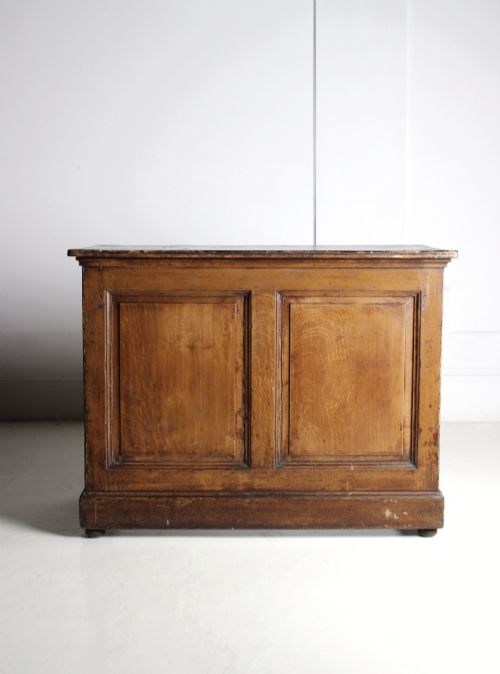
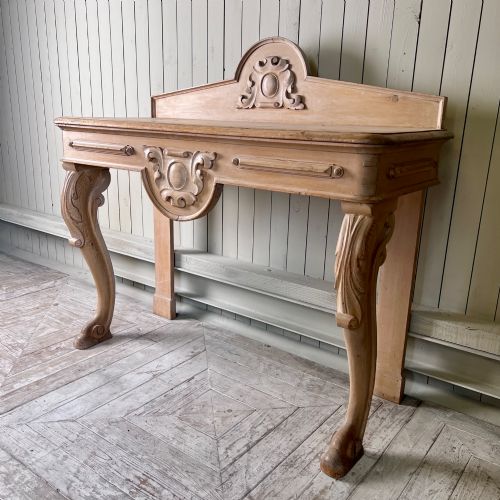



Edwardian Pine Sideboard
An edwardian pine sideboard provides functional storage with honest character, bringing practical utility and timeless warmth to any room.
Edwardian Pine Sideboard
When you search for an edwardian pine sideboard, you encounter robust storage furniture built during the early decades of the twentieth century alongside related Victorian and country pieces. The selection includes chiffoniers, dresser bases, and kitchen dressers that share sturdy wooden construction and everyday utility.
How they were made
Carpenters constructed these items primarily using solid pine and pitch pine, selecting timber for its durability and straight grain. Joinery relied on traditional methods to ensure stability across heavy use in kitchens and dining rooms.
Metal hardware such as brass and iron appeared on handles, hinges, and drawer pulls, while occasional ceramic or glass elements added functional detail. Original paint finishes or waxed surfaces protected the wood while allowing the natural grain and character to show.
Edwardian Pine Sideboard Retail Price Guide 2026
Typical asking prices for edwardian pine sideboard among the pieces listed under this phrase on Sellingantiques today, from the lower quarter to the upper quarter. They describe what is for sale here now, not the wider market.
The listings span the Victorian, Edwardian, and early twentieth-century periods, showcasing pine, pitch pine, and iron hardware.
What varies in quality
Quality rests upon the integrity of the timber selection and the retention of original surfaces, such as early paint finishes or undisturbed waxed patination. Pieces that retain their original brass or iron hardware and balanced proportions stand apart from heavily altered examples.
The sophistication of the joinery and the presence of thoughtful details like functional drawers and well-fitted doors define the upper tier of these items. Honest signs of period use add character without compromising the structural soundness of the woodwork.
The Edwardian Pine Sideboard Glossary
- Chiffonier
- A low sideboard or cabinet featuring drawers and cupboards, commonly used in dining spaces for storing tableware. This form offers compact storage without dominating a room.
- Pitch pine
- A dense, resinous softwood utilised for robust furniture construction, known for its distinct grain pattern. It provides exceptional strength and durability.
- Dresser base
- The lower section of a kitchen dresser, functioning as a standalone sideboard with surface space and under-counter storage. It serves as a practical workspace and cabinet combined.
- Arts and Crafts
- A design movement prioritising traditional craftsmanship, simple forms, and honest materials over mass production. Pieces in this style emphasise utility and construction.
Edwardian Pine Sideboard: Frequently Asked Questions
What rooms suit an edwardian pine sideboard?
These versatile storage pieces fit naturally into kitchens, dining rooms, and hallways where practical surface space and enclosed storage are needed.
Their warm wooden tones and straightforward forms complement both traditional country interiors and more modern living spaces.
How do I maintain a pine sideboard?
Regular dusting with a soft cloth keeps the surface clean, while occasional application of suitable wax helps nourish the wood and preserve the finish.
Avoid placing these items in direct sunlight or near heat sources to prevent the pine from drying out or splitting over time.
How do I distinguish Edwardian pieces from Victorian ones?
Edwardian furniture often tends towards lighter proportions and simpler lines compared to heavier, more heavily carved Victorian designs.
However, makers continued using traditional vernacular styles across both periods, making overall construction and context important indicators.
Were these sideboards painted originally?
Many utility pieces received coats of paint for practical protection or decorative purposes in domestic settings during the nineteenth and early twentieth centuries.
Surviving early paint finishes add historical character and provide insight into how past owners decorated their homes.