

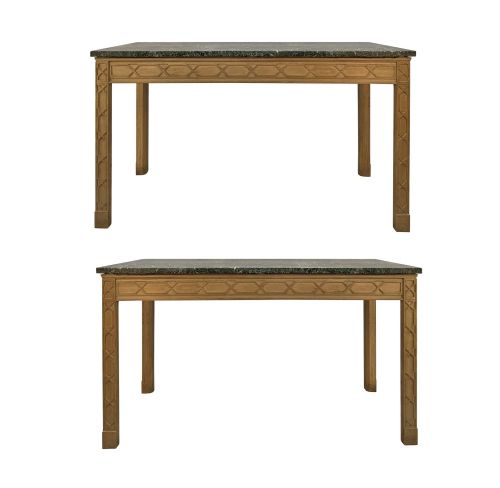
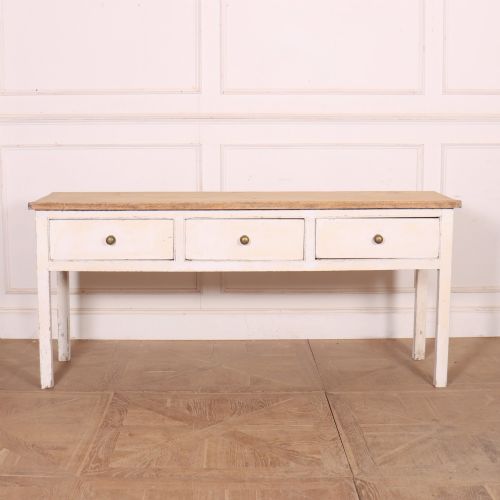
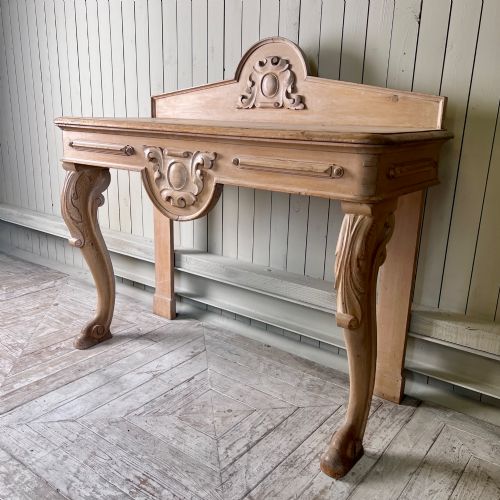
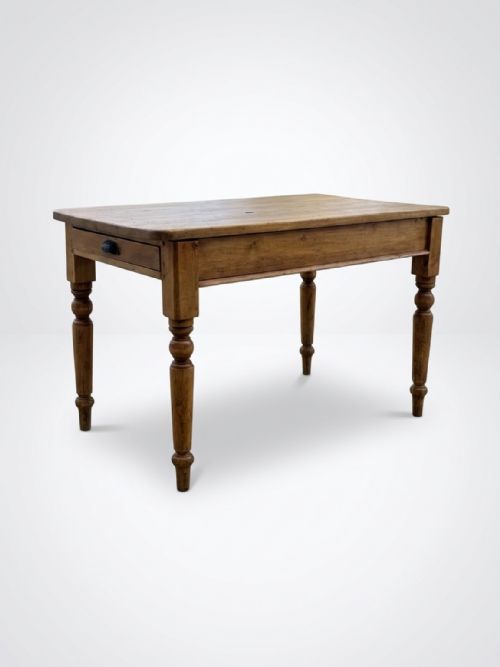
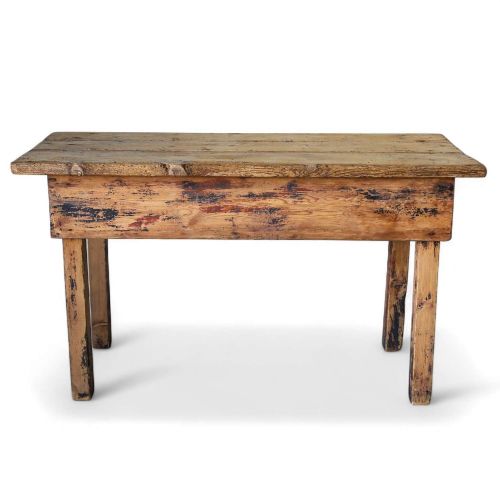
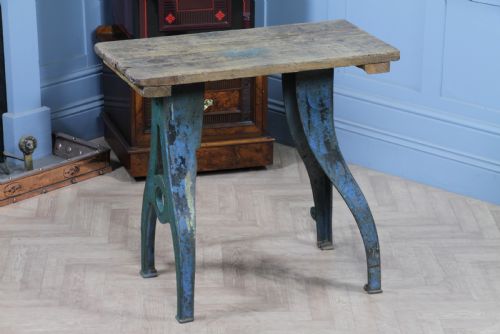
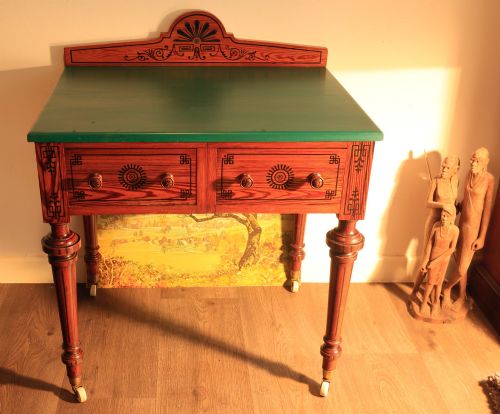

Pine Hall Console Table
A pine hall console table brings practical surface space and straightforward character to an entranceway through durable timber construction.
Pine Hall Console Table
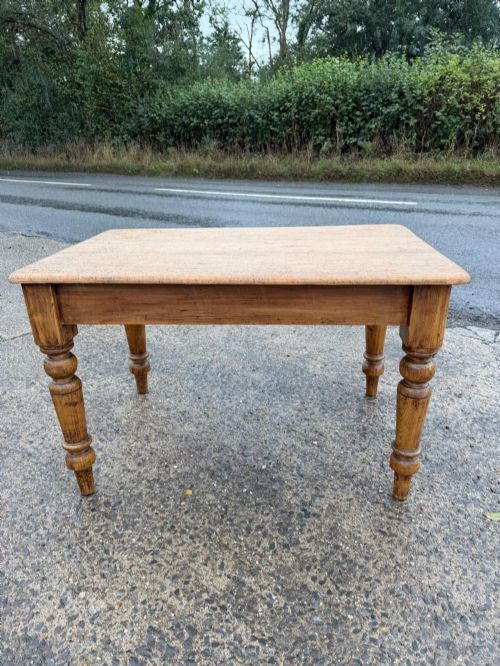
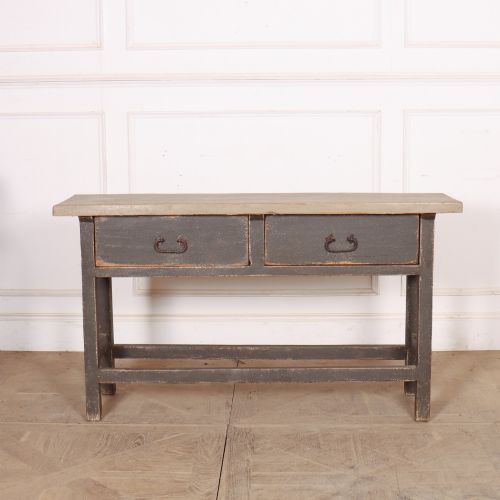
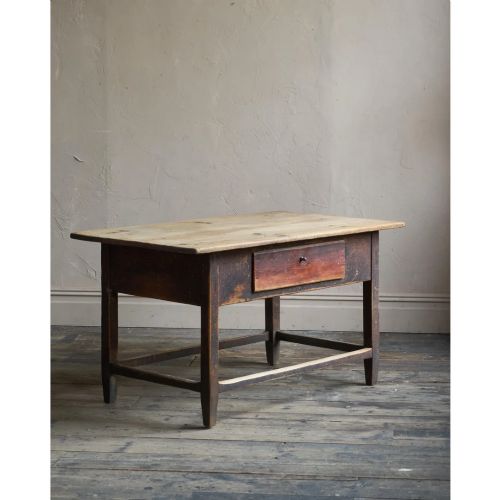
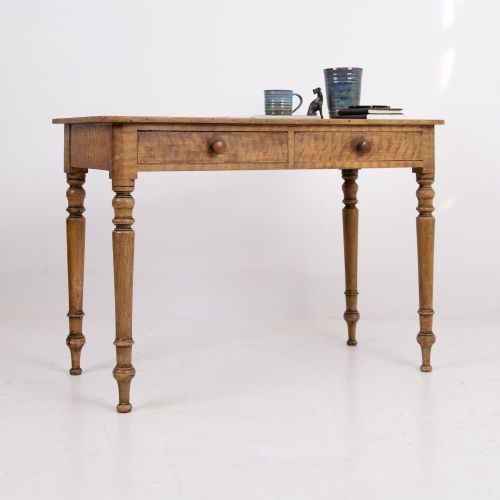
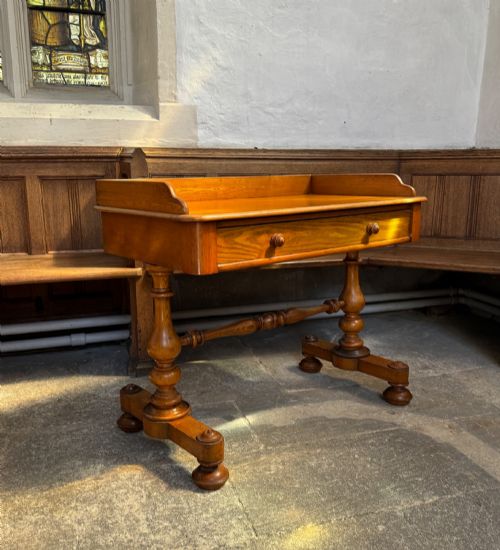
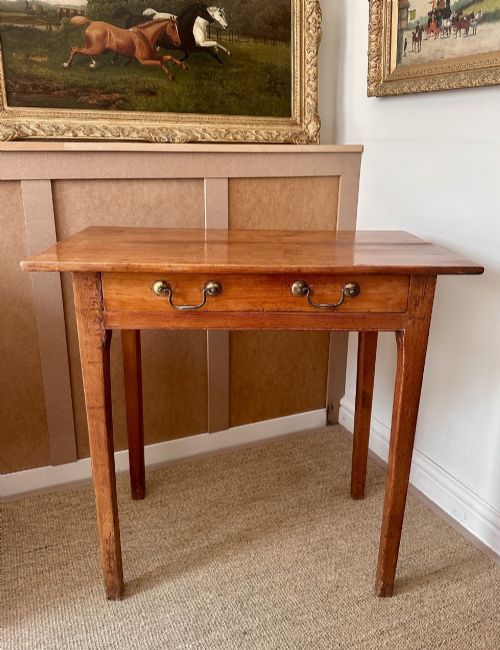
A pine hall console table serves as a narrow surface for entranceways and corridors, appearing frequently in nineteenth-century and Victorian iterations alongside earlier Georgian examples. These pieces often manifest as side tables, servers, or adapted washstands that fit neatly against narrow hallway walls.
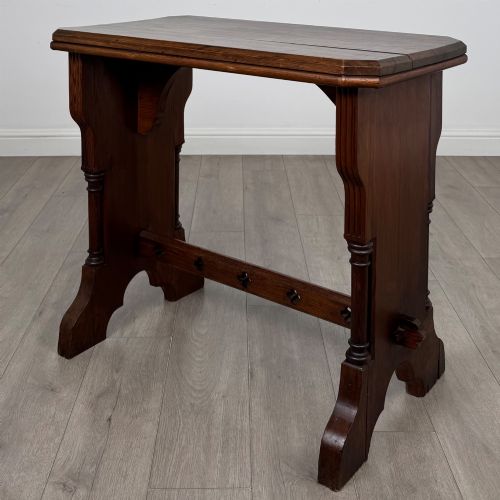
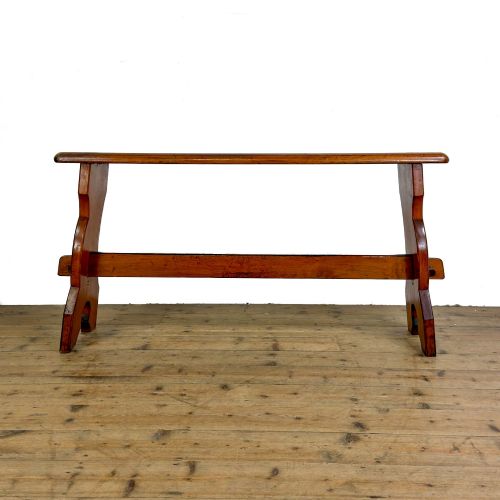
The selection ranges from rustic farmhouse forms and painted country pieces to gothic-influenced pitch pine designs. Buyers encounter both stripped natural timber and examples retaining historic painted surfaces or scumble finishes.
How they were made
Carpenters utilised softwoods primarily, selecting standard pine and denser pitch pine for structural stability in domestic furniture. Metal fixtures such as brass handles appear alongside iron components on industrial or upcycled machine bases.
Surfaces were frequently finished with hand-applied paint, original scumble glaze, or left as bare timber depending on regional domestic traditions. Joinery typically relied on straightforward pegged or dovetailed construction suited to utility furniture.
Pine Hall Console Table Retail Price Guide 2026
Typical asking prices for pine hall console table among the pieces listed under this phrase on Sellingantiques today, from the lower quarter to the upper quarter. They describe what is for sale here now, not the wider market.
Materials documented across these pieces include standard pine, pitch pine, painted wood, and cast iron supports.
What varies in quality
The distinction between standard utility items and finer examples rests largely in the preservation of original surfaces, such as early paint or scumble effects, rather than elaborate ornamentation. Construction methods also separate basic workshop pieces from more considered Georgian or Victorian items.
Timber selection plays a role, with dense pitch pine offering greater durability and visual grain depth compared to standard softwoods. Retaining original structural elements like single-drawer friezes or box stretchers adds to the integrity of the piece.
The Pine Hall Console Table Glossary
- Pitch pine
- A resinous softwood noted for its durability and distinct grain pattern. It was frequently utilised for nineteenth-century furniture exposed to heavier daily use.
- Scumble
- A decorative painting technique involving a translucent glaze dragged over a base coat to imitate finer hardwoods or create patterned texture. This finish appears on several Victorian examples.
- Washstand
- A domestic piece designed to hold a basin and jug, often adapted into a narrow hall table due to its compact proportions. These usually feature low splashbacks or lower shelving.
- Frieze
- The horizontal band beneath the tabletop that frequently houses one or more drawers. Its construction helps define the period of the joinery.
- Potboard
- An open slatted lower shelf found on traditional dresser bases and heavy tables. It provides stable storage space near the floor.
Pine Hall Console Table: Frequently Asked Questions
Where should I place a console table?
These narrow tables suit entrance halls, narrow corridors, and passage spaces where depth is limited. Their shallow profiles allow them to sit flat against walls without blocking movement.
They also function effectively behind sofas or as serving surfaces in dining areas when floor space permits.
How do I care for antique pine?
Dust surfaces regularly with a dry cloth and avoid placing wooden furniture in direct sunlight or near strong heat sources. Wax finishes can be maintained occasionally to protect the timber.
For painted surfaces, gentle cleaning with a damp cloth prevents damage to historic pigments and scumble glazes.
Were these tables originally made for hallways?
Many examples began life as side tables, washstands, serving tables, or work desks rather than dedicated hallway furniture. Their compact proportions made them easily adaptable for entranceways as domestic layouts evolved.
Makers built them for utility in kitchens, bedrooms, and parlours before later generations repurposed them for corridors.
How do I identify a Victorian pine table?
Victorian pieces often display characteristic softwood construction, sometimes utilising dense pitch pine, alongside simple turned legs or plain friezes with single drawers. Details like brass hardware or gothic stylistic touches help narrow down the date.
Construction marks and timber patination also provide clues to nineteenth-century origin.