

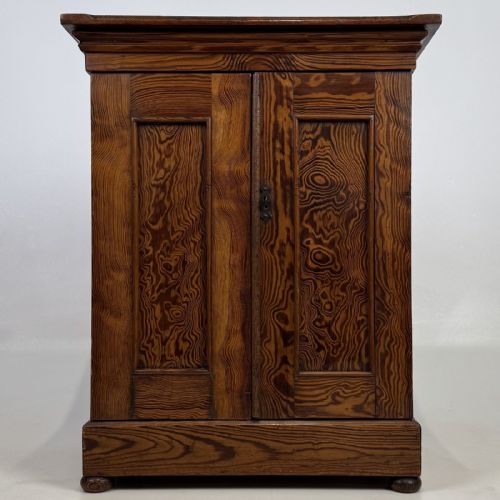
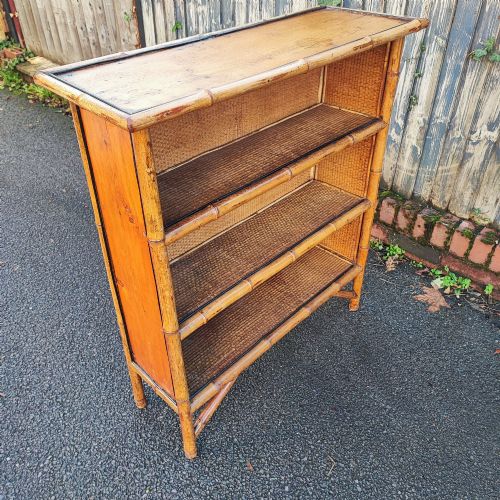
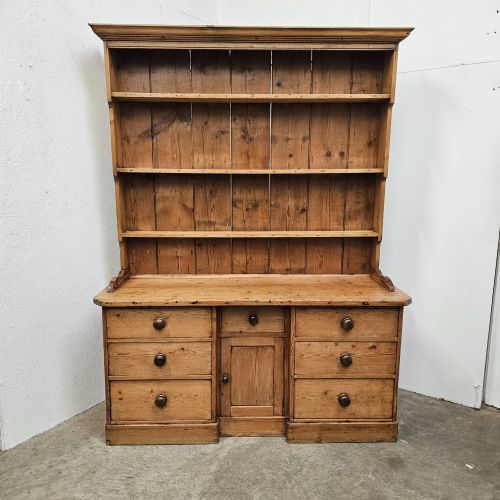
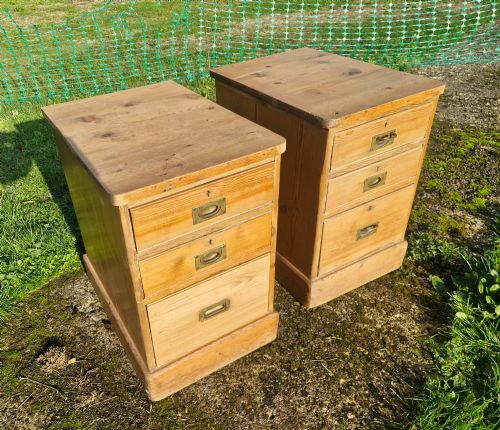
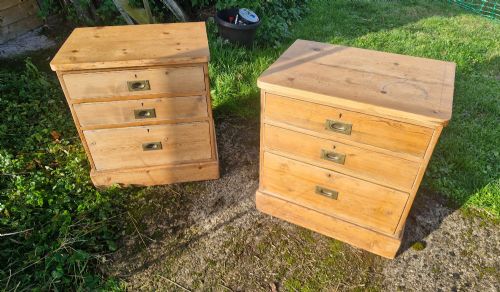


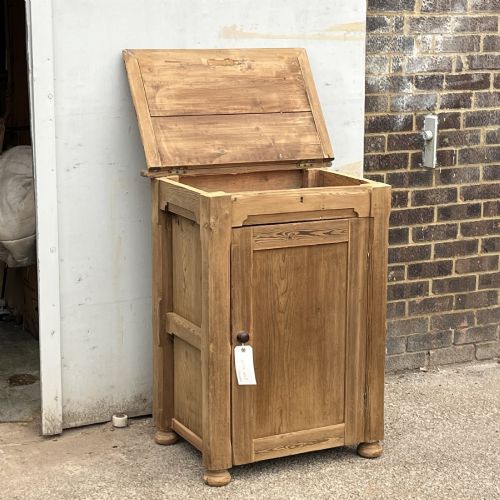
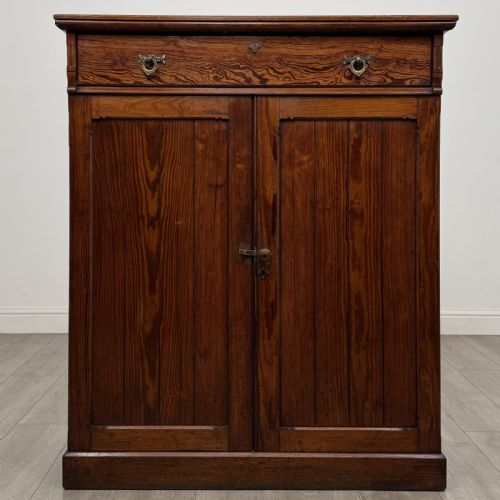
Pine Furniture Cabinet
Pine furniture cabinet pieces combine everyday storage utility with the honest charm of historic timber.
Pine Furniture Cabinet
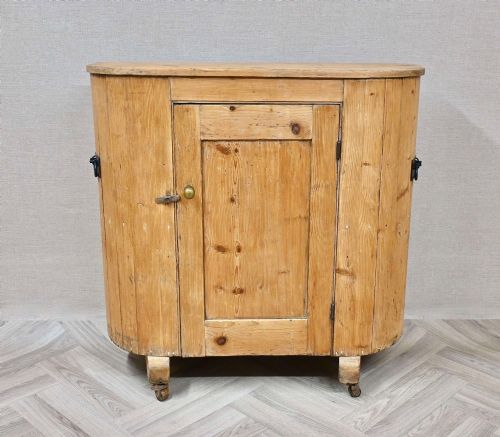
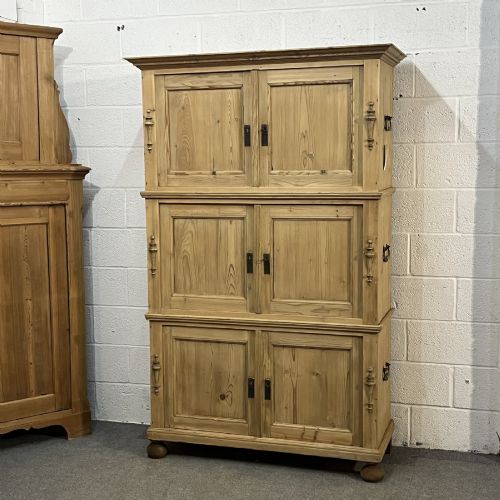
When searching for pine furniture cabinet items, buyers encounter a diverse selection of practical storage forms originating from the eighteenth century through the early twentieth century. These pieces encompass utilitarian cupboards, wardrobes, housekeeper's cupboards, and kitchen dressers designed for domestic or institutional service.
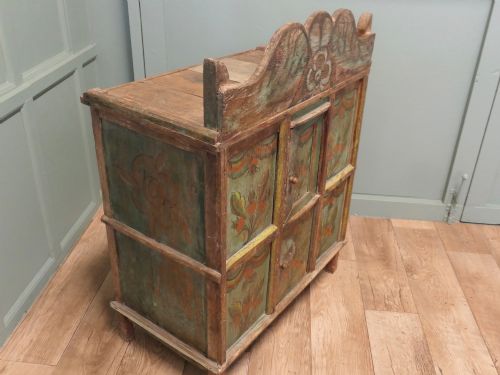
The most common examples on this page stem from the Victorian period and various regional traditions, including Scandinavian, English, and Scottish country workshops. Items range from simple waxed storage units to elaborate painted folk art pieces and campaign furniture built for transport.
Form follows function closely in these domestic items, yielding corner cupboards, school cabinets, and office chests built to meet specific storage demands. Buyers select them for their warmth, historical character, and functional capacity in contemporary interiors.
Construction and Materials
Makers utilised native softwoods, predominantly pine and pitch pine, often selecting denser pitch pine for pieces requiring greater structural endurance like campaign units and Wellington chests. Iron, brass, and metal hardware such as ring handles and hinges secure the heavy timber doors and drawers.
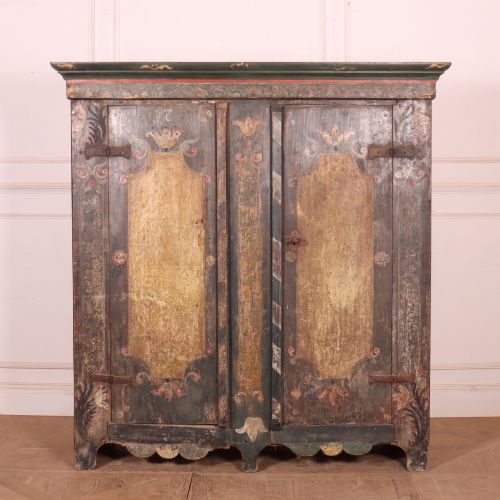
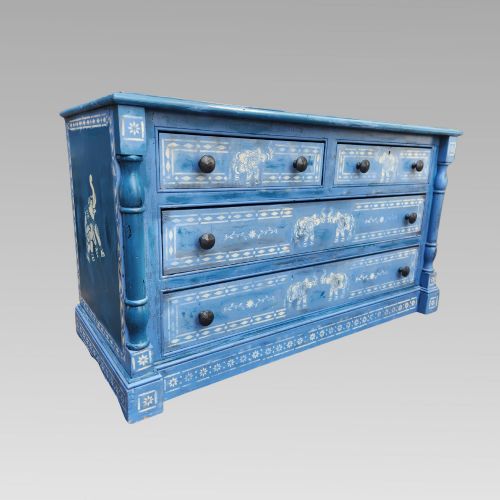
Surface finishes vary significantly between historic pieces, spanning simple wax treatments, scumble glazes, and heavy layers of period paint. Many items retain original or subsequent coats of blue, cream, teal, or folk art decoration applied over the wood substrate.
Pine Furniture Cabinet Retail Price Guide 2026
Typical asking prices for pine furniture cabinet among the pieces listed under this phrase on Sellingantiques today, from the lower quarter to the upper quarter. They describe what is for sale here now, not the wider market.
Geographic styles span English, Scottish, Scandinavian, and Japanese origins, encompassing both utilitarian school furniture and decorative folk art.
Assessing Quality
Quality in these storage pieces rests upon the integrity of the original construction, joinery precision, and the survival of authentic surface treatments like early paint or traditional wax. Pieces retaining their original brass or iron hardware and uncompromised internal shelving stand higher in the range than heavily modified examples.
Proportion and regional decorative detail separate standard utilitarian items from exceptional vernacular works, particularly in Scandinavian and British pieces with hand-painted finishes or specialised interior pigeonholes. The harmony between the timber's grain, the patination of age, and the original form dictates the desirability of each cabinet.
The Pine Furniture Cabinet Glossary
- Pitch pine
- A dense, resinous softwood commonly utilised for nineteenth-century furniture requiring extra strength. It displays a pronounced grain pattern.
- Scumble painted
- A decorative technique where a translucent top glaze is manipulated with tools to create mottled or wood-grained effects over a base colour.
- Campaign cupboard
- Portable storage furniture constructed in sections with recessed metal handles for military transport during the nineteenth century.
- Housekeeper's cupboard
- A large tall storage cabinet traditionally used in grand houses for linen, preserves, and dry goods, often featuring multiple doors and drawers.
- Wellington chest
- A tall, narrow set of drawers secured by a single hinged locking stile on the right edge, originating in the nineteenth century.
Pine Furniture Cabinet: Frequently Asked Questions
What is a pine furniture cabinet used for?
These cabinets serve as versatile storage solutions for contemporary homes, holding everything from clothing and linens to kitchen crockery and books.
Their robust timber construction and historic forms allow them to function as statement storage pieces in hallways, kitchens, and bedrooms.
How do I date an old pine cabinet?
Dating relies on examining construction methods, timber types, and hardware such as hinges and drawer pulls alongside visible tool marks.
Period styles, regional paint finishes, and lock mechanisms also provide clear chronological markers for eighteenth and nineteenth-century pieces.
Are painted pine cabinets original?
Many pieces retain historic or original painted surfaces, including folk art decoration, scumble glazes, and traditional regional colours.
Surface analysis helps distinguish early decorative layers from later cosmetic updates applied during subsequent periods of domestic use.
How do I care for waxed pine furniture?
Maintaining waxed pine requires regular applications of traditional beeswax to nourish the softwood and preserve its soft lustre.
Keep these pieces away from direct heat sources and strong sunlight to prevent the timber from drying out or splitting.