
Pine Cupboard Doors
Pine cupboard doors open up practical storage solutions salvaged from larger wardrobes, dressers, and architectural cabinetry, offering sturdy timber character for interiors.
Pine Cupboard Doors
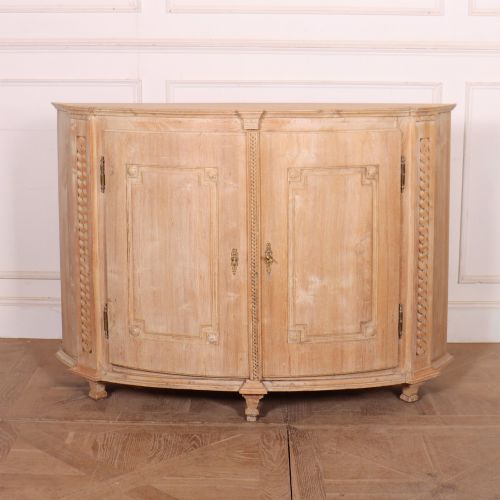
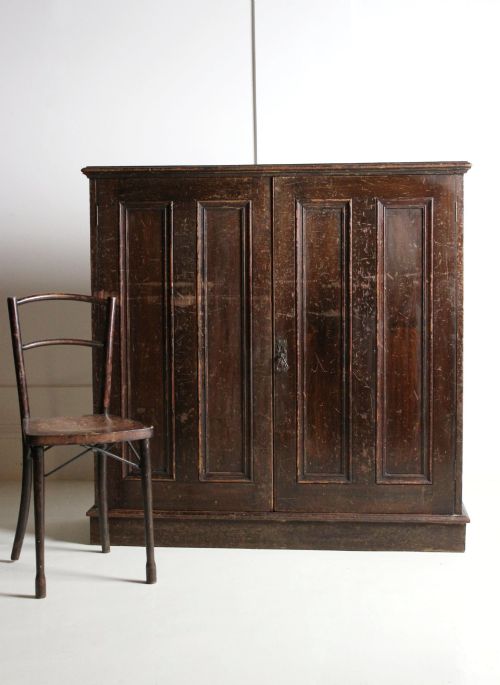
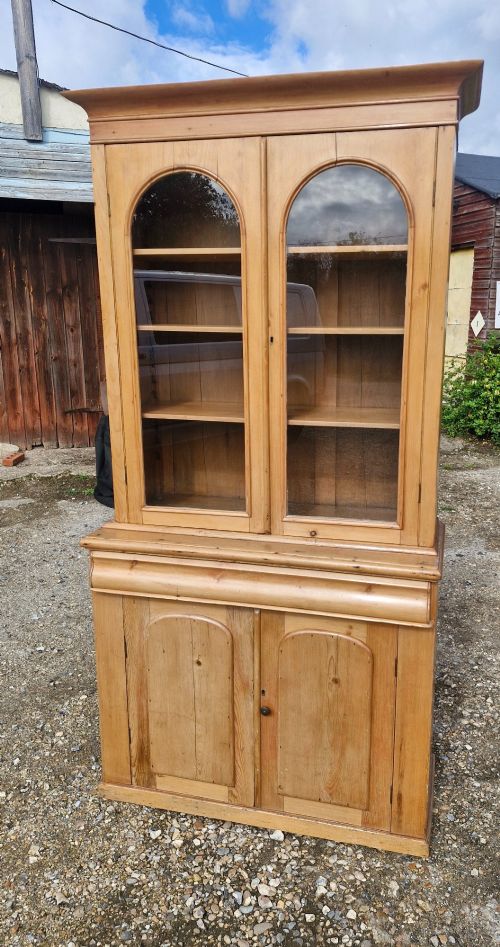
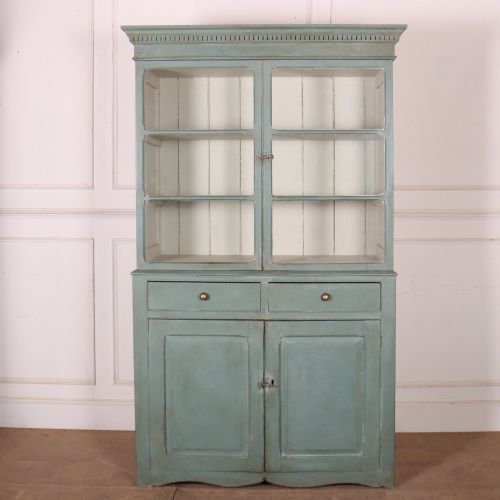
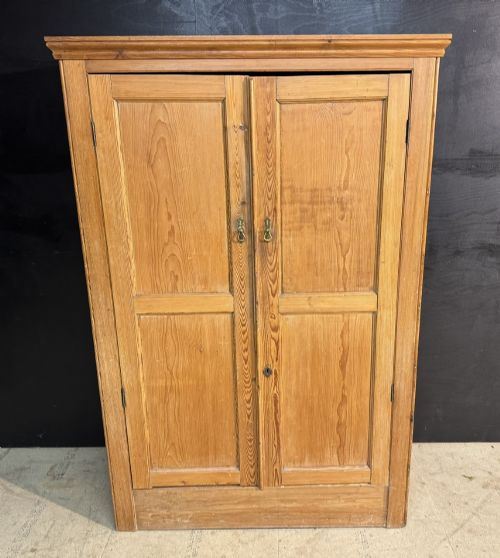
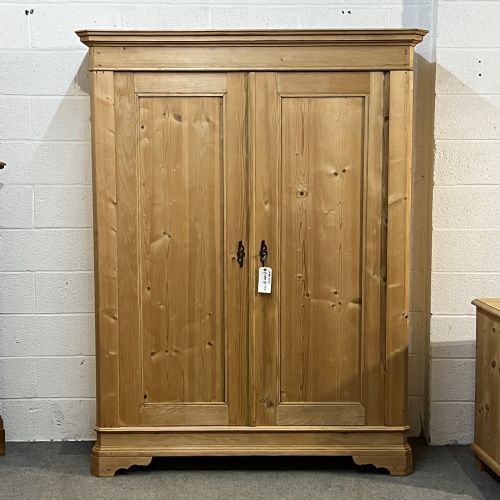
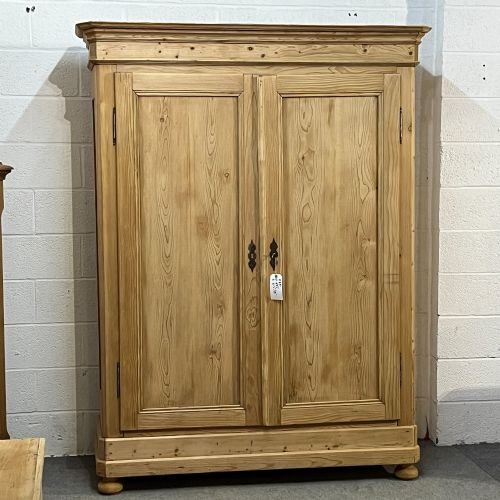
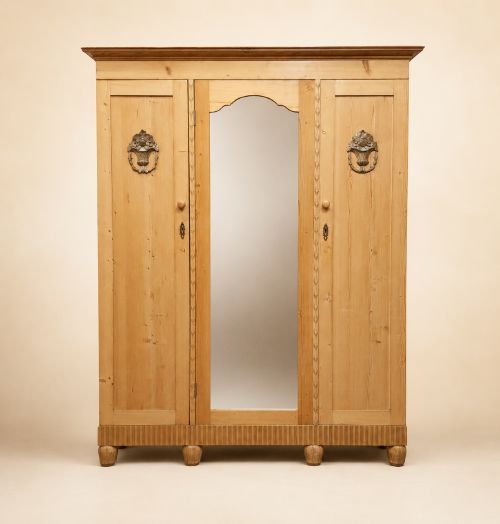
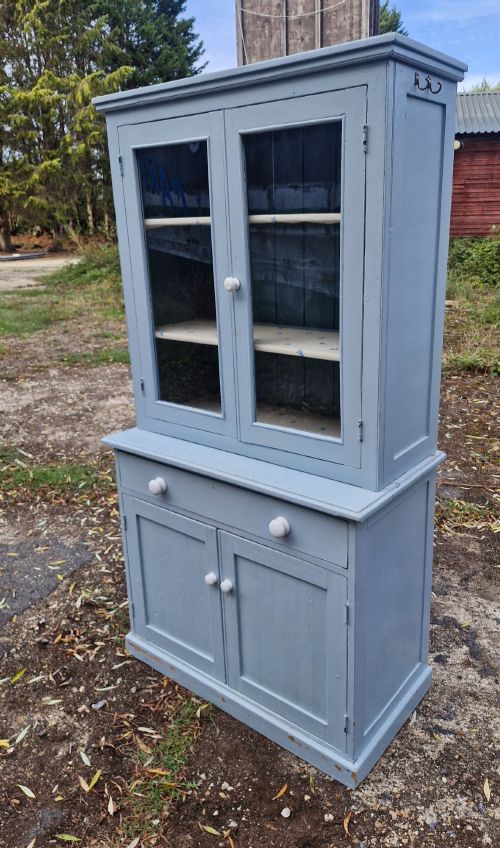
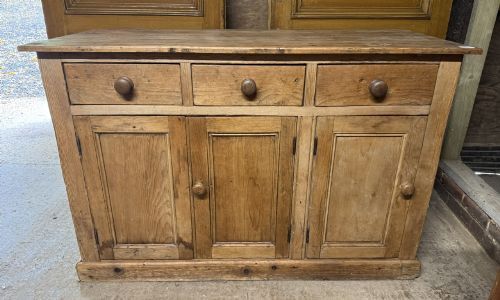
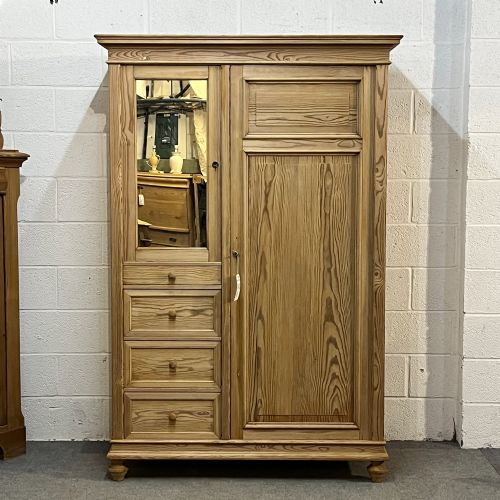
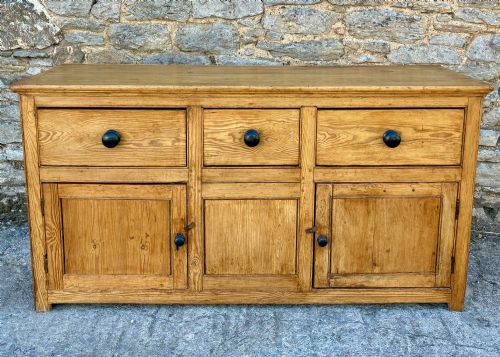
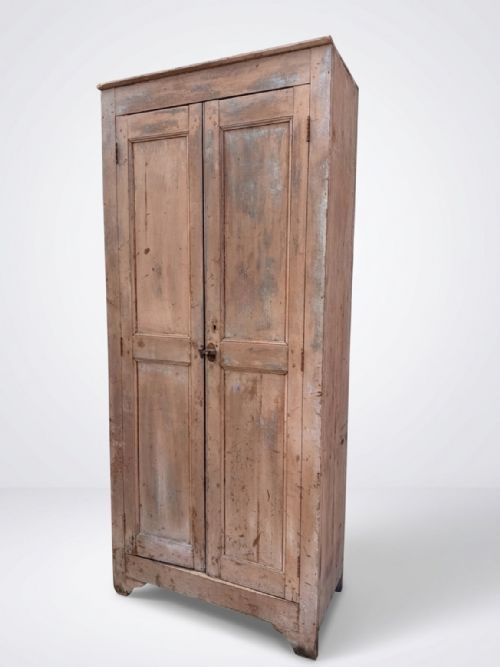
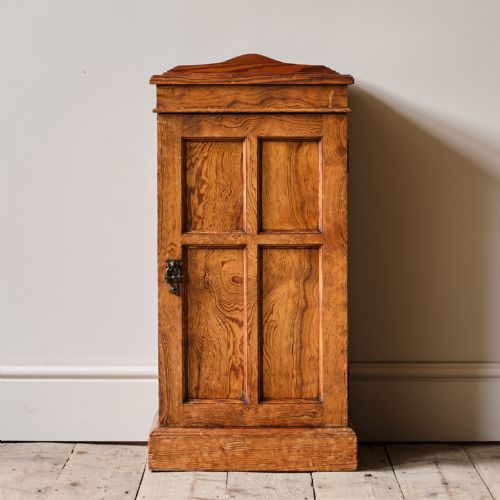
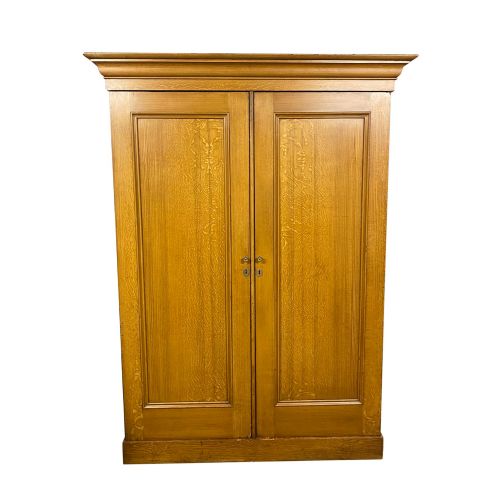
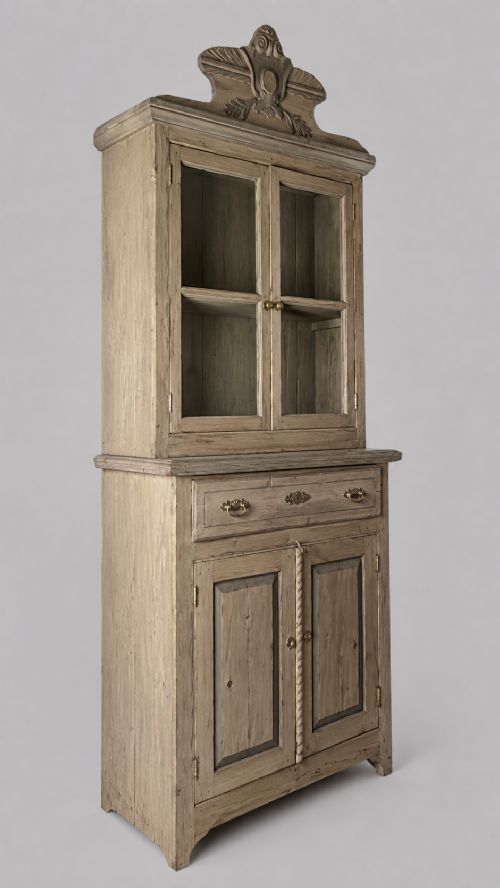
Pine cupboard doors represent architectural salvage and repurposed elements originating from larger historical storage furniture, including wardrobe panels, kitchen dresser doors, and cabinet fronts. When searching for pine cupboard doors, buyers encounter singular panels, matched pairs, and multi-door assemblies salvaged from period furniture dating across the nineteenth and early twentieth centuries.
The selection ranges from simple waxed Victorian boards to painted country pieces and glazed French provincial frames. Common forms include single panels for small wall cupboards, twin doors for larger larder units, and multi-section configurations sourced from institutional or domestic storage cabinets.
Origins span British regional workshops, French provincial properties, and occasional Gothic revival or Arts and Crafts commissions. These elements serve architectural renovation projects, bespoke furniture builds, or wall-mounted decorative displays.
How they were made
Construction relies primarily on solid pine timber, incorporating frame-and-panel techniques designed to accommodate natural wood movement in domestic environments. Carpenters utilised mortise and tenon joints to secure stiles and rails around central floating panels.
Surface treatments vary widely between original painted finishes, scumble glaze, and stripped or waxed raw timber. Iron and brass hinges, latches, and glass panes appear across many examples, reflecting the functional hardware of the Victorian and Georgian periods.
The inventory includes architectural elements from French provincial, Scottish country, and English vernacular traditions.
What varies in quality
Quality depends upon timber selection, grain tightness, and the integrity of the original joinery. Dense heartwood and straight-grained old-growth pine offer greater structural stability than fast-grown modern equivalents.
The preservation of original surface treatments, whether historic paintwork or patinated wax, distinguishes untouched examples from heavily altered pieces. Intricate details such as field-raised panels, carved mouldings, and original hardware elevate the craftsmanship of individual doors.
The Pine Cupboard Doors Glossary
- Stile
- The vertical outer member of a frame-and-panel door.
- Rail
- The horizontal framing member that joins the stiles in a panelled door.
- Scumble
- A translucent oil-based glaze applied over a lighter base coat to imitate finer hardwoods such as oak.
- Knockdown
- Furniture construction designed to be easily disassembled using wedges or bolts, often found in large Victorian wardrobes.
- Larder
- A tall storage cupboard historically used for food preservation before refrigeration.
Pine Cupboard Doors: Frequently Asked Questions
How are old pine cupboard doors used in modern interiors?
These pieces are frequently utilised as architectural wall panels, fitted into custom kitchen pantries, or hung as functional doors on built-in hallway storage.
They also serve as decorative headboards or standalone wall art when the timber possesses significant historic paint patina.
Can I paint or wax reclaimed pine doors?
Many surviving examples retain bare timber surfaces ready for finishing with traditional beeswax or modern eggshell paint according to interior preferences.
Original historic paint finishes are typically preserved without stripping to maintain the piece's authentic character and age.
How do I date a set of pine cupboard doors?
Dating relies on examining construction methods, such as hand-cut joinery, square-headed nails, and the type of timber used, such as dense nineteenth-century Baltic pine.
Hardware styles like wrought iron strap hinges or brass drop handles also provide reliable chronological indicators.
Are pairs of doors easier to find than single panels?
Single cupboard doors frequently emerge from smaller wall cabinets, pot cupboards, and housekeeping units.
Matched pairs typically originate from larger Victorian wardrobes, linen presses, or kitchen dressers and require careful measurement for architectural reuse.