




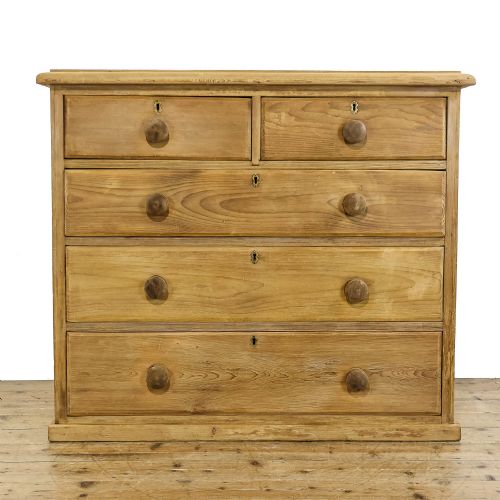


Pine Commode Cabinet
These pine commode cabinet pieces span country houses and provincial workshops, offering robust timber storage with characterful painted or waxed surfaces.
Pine Commode Cabinet
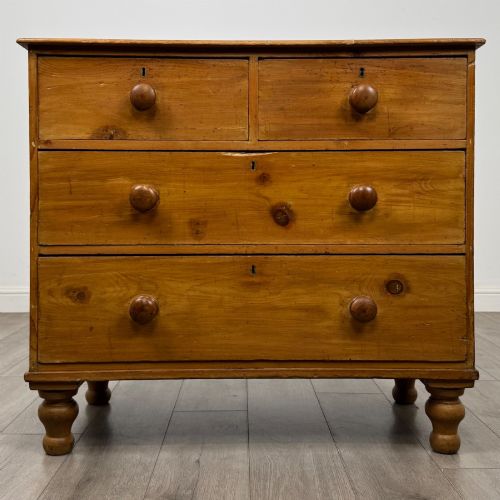
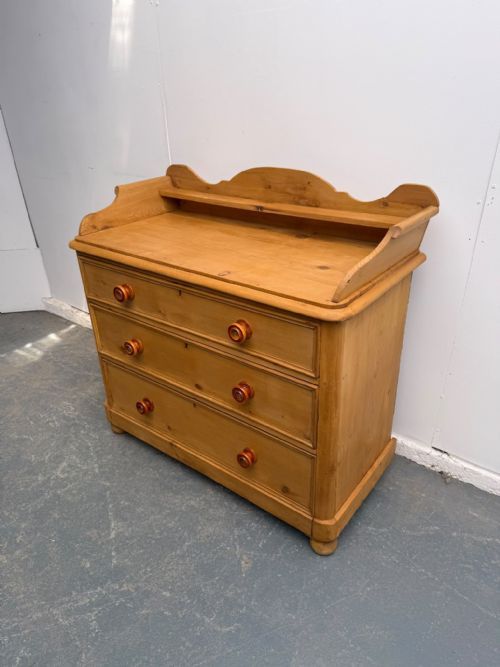
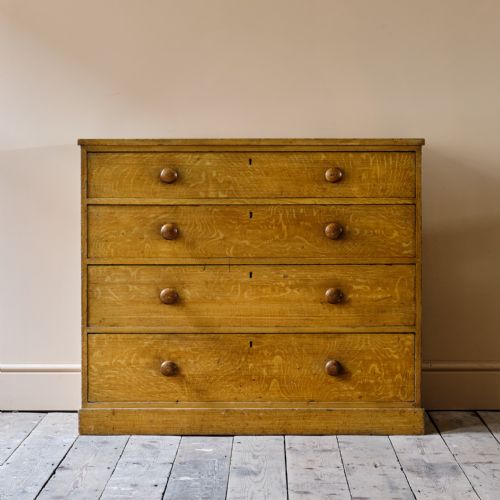
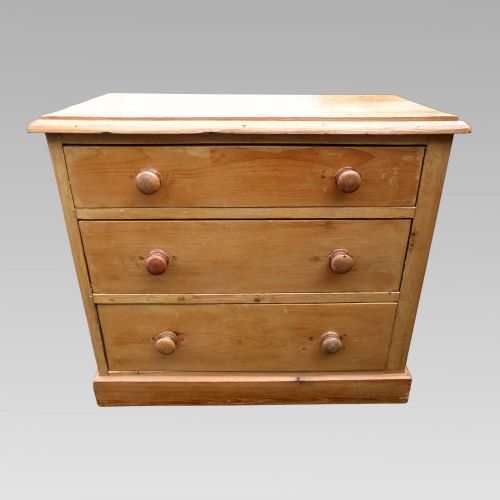
When you search for pine commode cabinet, you are looking at utilitarian storage furniture constructed from softwood, predominantly taking the form of chests of drawers, cupboards, and washstands. These pieces originate from various domestic settings, ranging from English and Victorian country homes to continental European workshops.
The versions you are most likely to meet on this page date predominantly from the nineteenth century, including specific periods like the Victorian era, alongside regional styles such as Scandinavian, Gustavian, and Georgian country. They appear in diverse formats, from tall five-drawer chests to pairs of painted commodes and faux bamboo cupboards.
Materials and construction
Construction relies on solid pine timbers, selected for availability and workability, often enhanced with brass or iron hardware and ceramic elements. Surfaces are treated in distinct ways, utilising original scraped paint, simulated wood painting, or simple wax finishes that highlight the natural grain.
Regional workshops applied specific decorative techniques, resulting in pieces finished in black paint, folk art motifs, or decorative faux bamboo framing. Zinc and other supplementary materials appear on specific functional forms like washstands.
At least one nineteenth-century cupboard decided that standard timber was too plain and dressed up as bamboo.
Judging quality in country pine
The distinction between ordinary and superior pieces rests on the survival of original decorative surfaces, such as untouched scraped paint or authentic regional pigments, versus later stripped or altered finishes. Proportion and regional detailing also set finer cabinet work apart from standard utilitarian items.
Drawer construction, the retention of original iron or brass handles, and the integrity of structural joinery determine the overall standing of a piece. European folk art examples and documented regional types often show greater individuality in their craftsmanship.
The Pine Commode Cabinet Glossary
- Commode
- A low chest of drawers or a cabinet with doors, commonly standing on short legs. In this context, the term covers continental European chests and cupboards.
- Gustavian
- The Swedish interpretation of French neoclassical design, notable for lighter proportions and pale painted finishes. This style dominates many Scandinavian pieces.
- Faux bamboo
- A decorative technique where solid wood is carved or turned to imitate the joints and texture of bamboo stalks. It appears on nineteenth-century cabinet work.
- Scraped paint
- A conservation term for a painted surface where later layers of decoration have been carefully removed to reveal the original colour beneath.
- Washstand
- A specialised piece of furniture designed to hold a basin and pitcher for personal washing, often incorporating zinc or ceramic components.
Pine Commode Cabinet: Frequently Asked Questions
What is a pine commode cabinet?
A pine commode cabinet is a wooden storage unit, typically taking the form of a chest of drawers or a small cupboard made from softwood.
These items were utilitarian pieces used in bedrooms and living spaces across various European countries during the eighteenth and nineteenth centuries.
How do I care for waxed pine furniture?
Waxed pine requires gentle cleaning with a dry or slightly damp cloth, avoiding harsh chemical sprays that strip the finish.
Applying a traditional beeswax polish periodically helps maintain the lustre and protects the softwood from drying out.
Are painted finishes original on these pieces?
Many pieces retain their original or early scraped paint finishes, which are valued for their authentic regional character and patina.
Others may have been stripped down to bare wood or repainted during later periods of their domestic use.
Where were these pieces made?
The inventory includes items originating from English country workshops, French households, and Scandinavian regions such as Sweden.
Each region imparted distinct stylistic traits, from Gustavian painted surfaces to robust Victorian proportions.