


Pine Church Seating
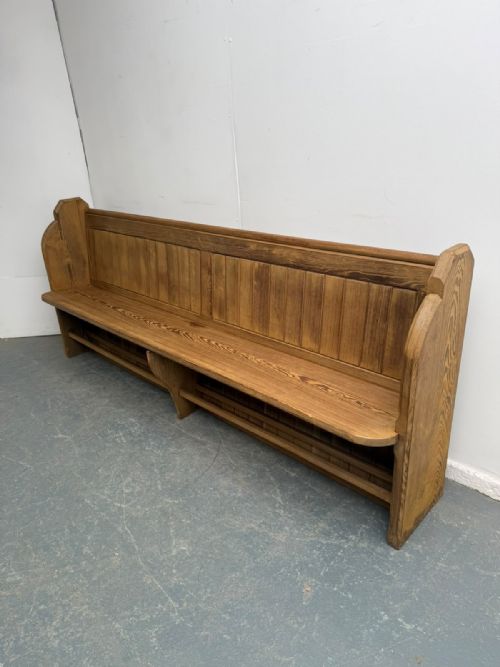
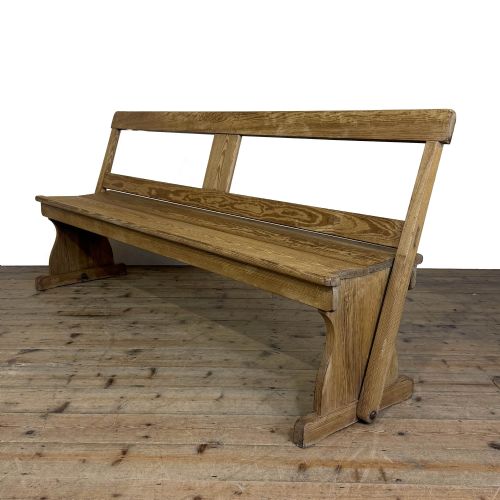
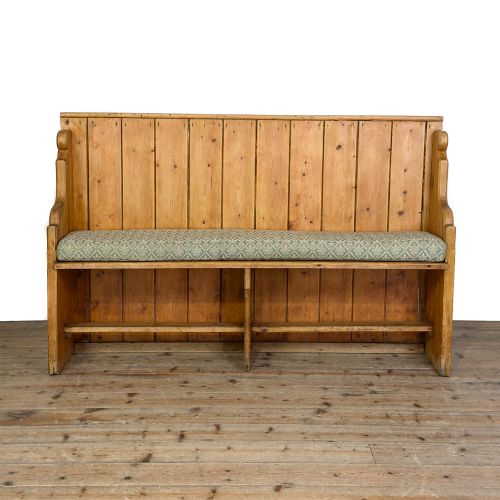
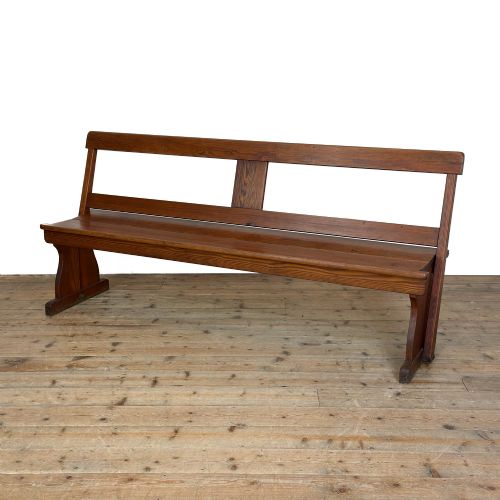
Pine church seating brings solid ecclesiastical character into domestic spaces through robust pews, settles, and benches crafted from durable timbers.
Pine Church Seating
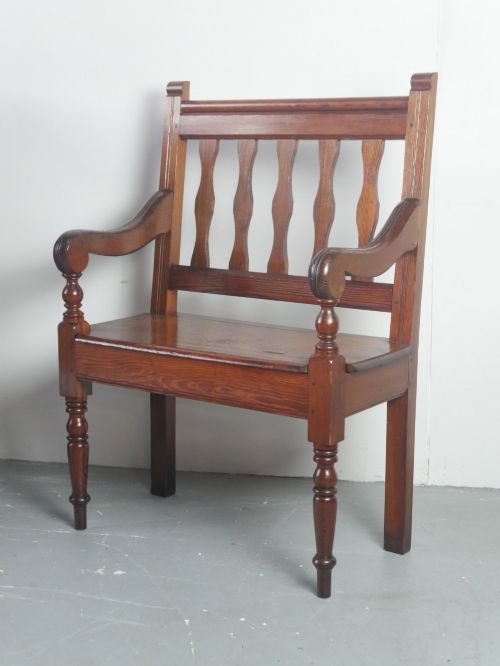
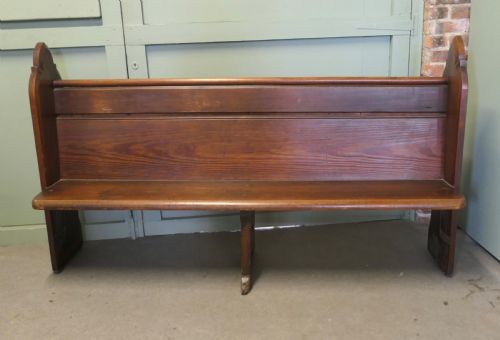
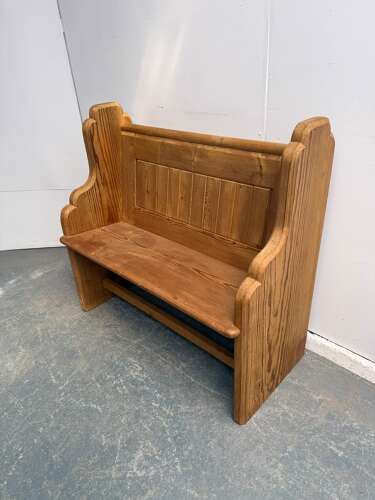
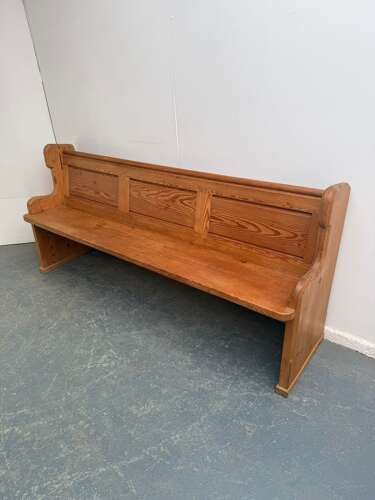
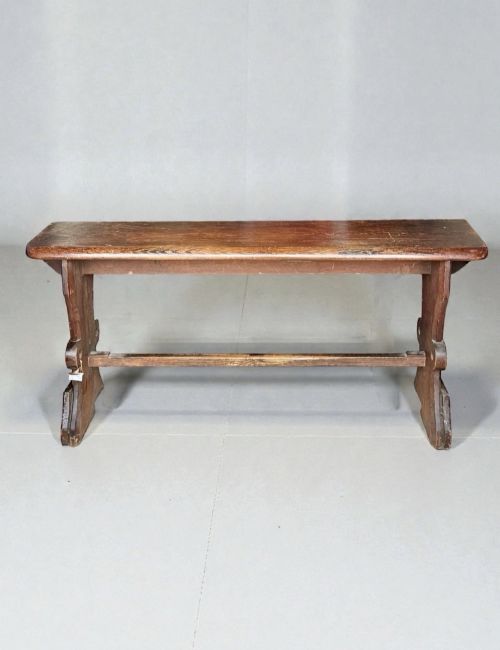
Pine church seating encompasses a range of ecclesiastical and vernacular furniture designed for communal spaces, specifically built to endure heavy daily use. When exploring pine church seating, buyers encounter robust pews, settles, and benches originating primarily from the nineteenth century.
Materials and construction methods
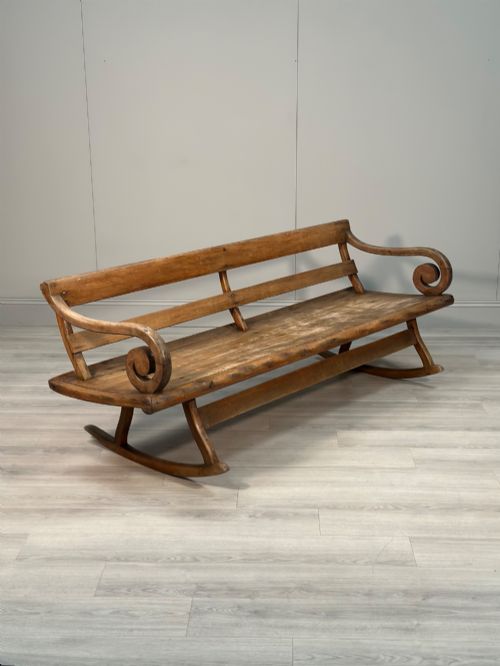
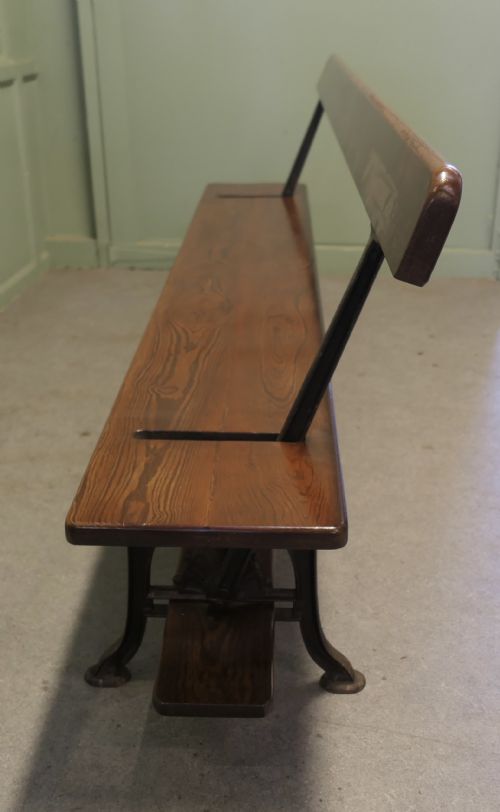
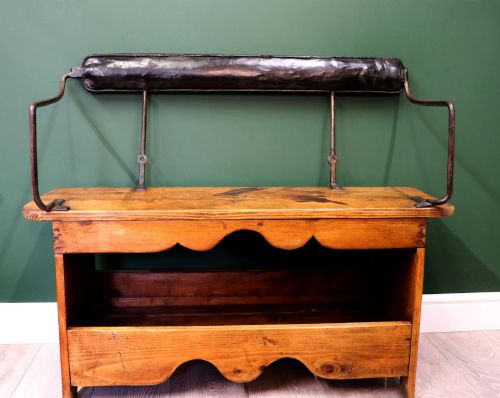
Makers relied heavily on standard pine and denser pitch pine, selecting these softwoods for their resilience and straight grain. Timber construction was frequently supplemented by cast iron framework or hardware on specialised items like reversible tram benches.
Surfaces were finished in various ways depending on regional origin and intended setting, utilising simple wax, protective paint layers, or retaining natural patinas. Joinery was built to withstand institutional wear, combining pegged joints and heavy planks.
Pine Church Seating Retail Price Guide 2026
Typical asking prices for pine church seating among the pieces listed under this phrase on Sellingantiques today, from the lower quarter to the upper quarter. They describe what is for sale here now, not the wider market.
Listings demonstrate a strong presence of 19th-century Victorian items, alongside Edwardian examples incorporating pine, pitch pine, iron, and paint.
Factors that determine quality
Quality rests primarily on the integrity of the timber selection, with denser pitch pine and carefully aged standard pine commanding greater attention. The presence of original surface treatments, such as early blue, green, or regional painted finishes, elevates a piece above standard stripped examples.
The Pine Church Seating Glossary
- Pitch pine
- A resinous North American pine species valued for its durability and prominent grain pattern. It was widely utilised in Victorian ecclesiastical joinery.
- Settle
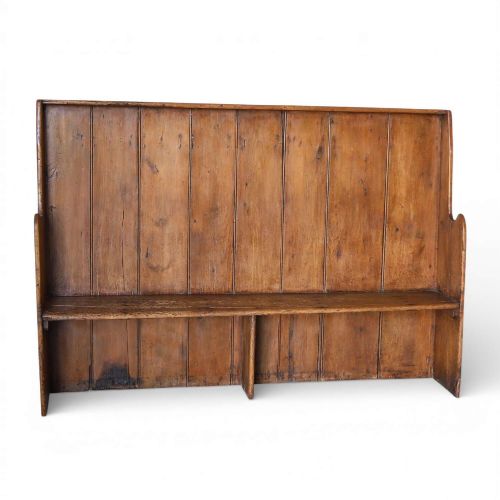
- A wooden bench featuring a high back to block drafts, often with enclosed storage beneath the seat. These served communal rooms and halls.
- Gothic Revival
- An architectural and decorative style drawing inspiration from medieval design. It frequently manifests in pointed arches and tracery on church pews.
- Organ bench
- A specialised seat designed for musicians operating church organs, typically lacking a backrest to allow freedom of movement.
- Patina
- The surface sheen and colour developed through years of handling, waxing, and ageing. This quality indicates genuine period use.
Pine Church Seating: Frequently Asked Questions
Where were these benches used?
These items originated in churches, chapels, and public institutions where sturdy communal seating was essential for congregations and visitors.
Over time, many pieces transitioned into domestic hallways, dining rooms, and living spaces as interior tastes shifted toward vernacular furniture.
How do I care for waxed pine?
Maintain waxed surfaces by applying a traditional beeswax polish periodically to nourish the dry timber and protect the grain.
Keep the wood away from direct heat sources and sudden humidity changes to prevent timber movement and splitting.
How can I identify Gothic Revival details?
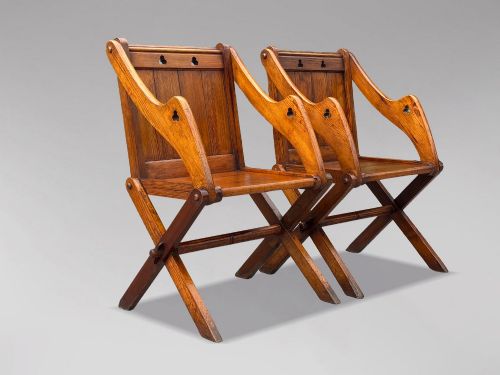
Gothic Revival pieces often display architectural motifs such as pointed arches, quatrefoils, and vertical paneling carved directly into the timber.
These ecclesiastical design elements were particularly popular during the Victorian era for church furnishings and hall seating.