


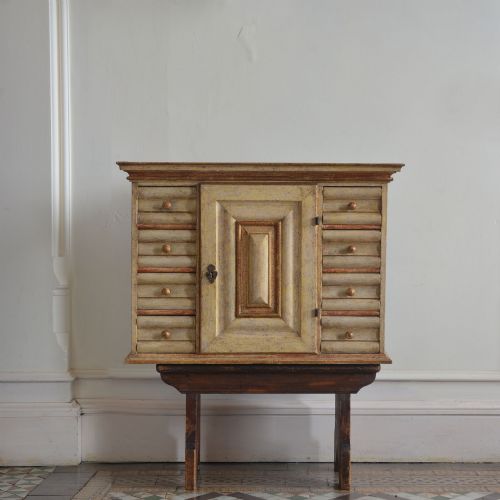
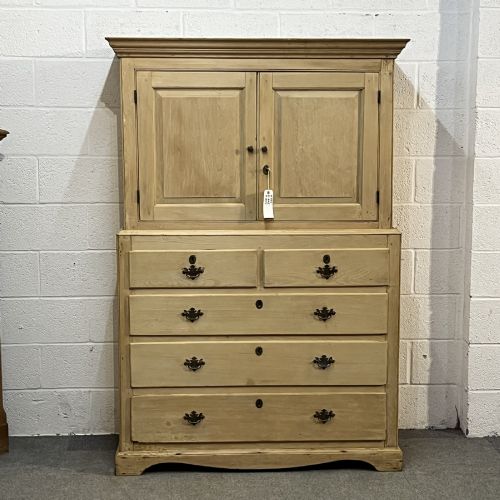
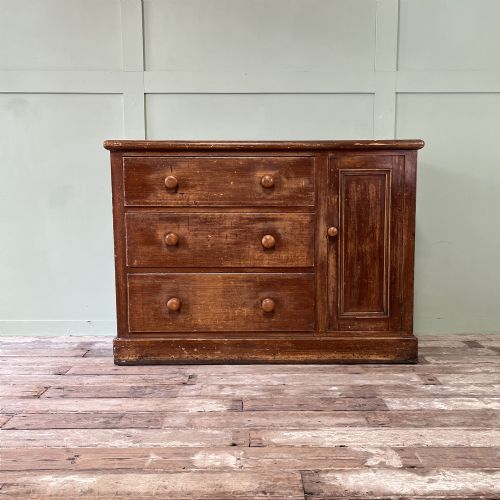
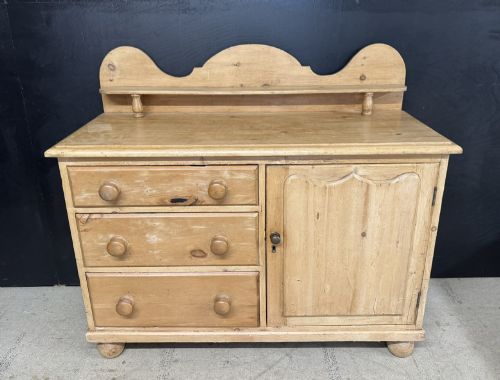
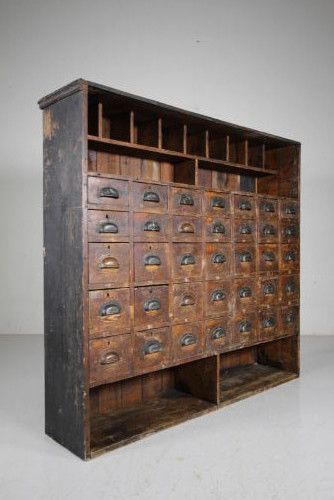
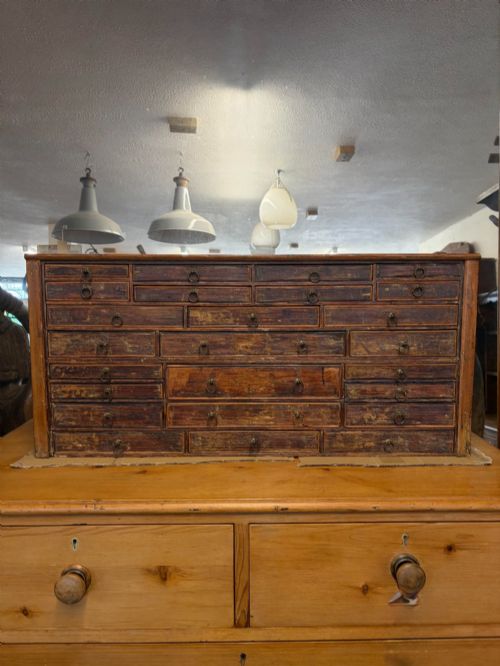
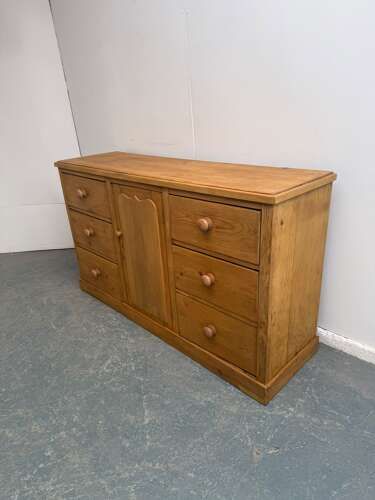
Pine Chest of Drawers Cupboard
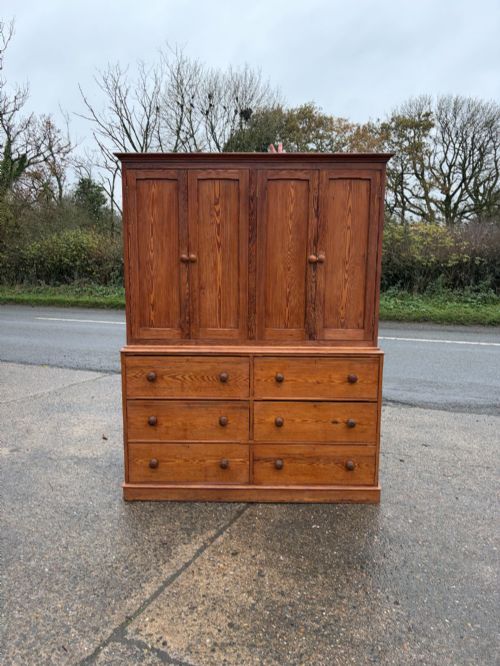
A pine chest of drawers cupboard brings sturdy utility and practical storage to a room through traditional craftsmanship.
Pine Chest of Drawers Cupboard
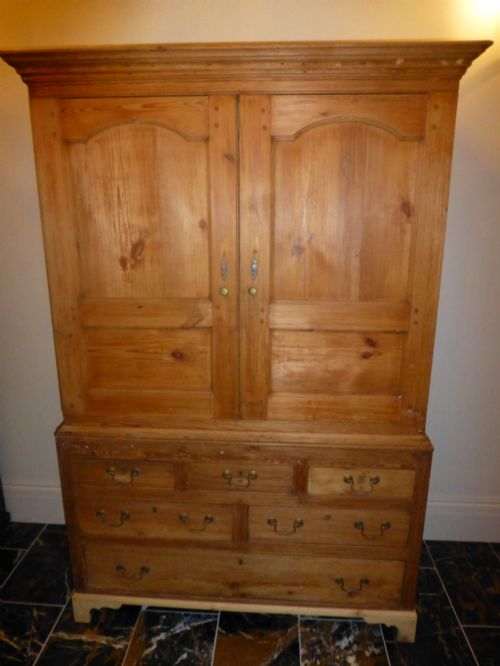
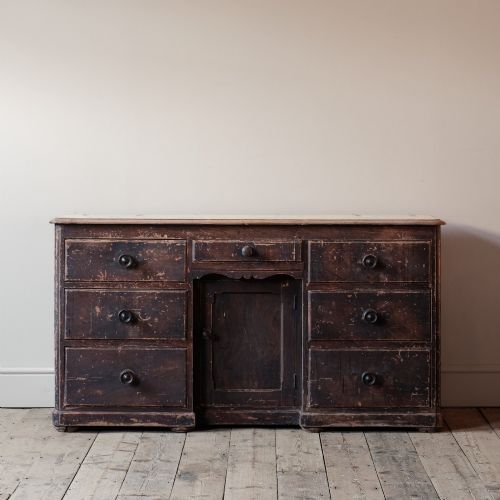
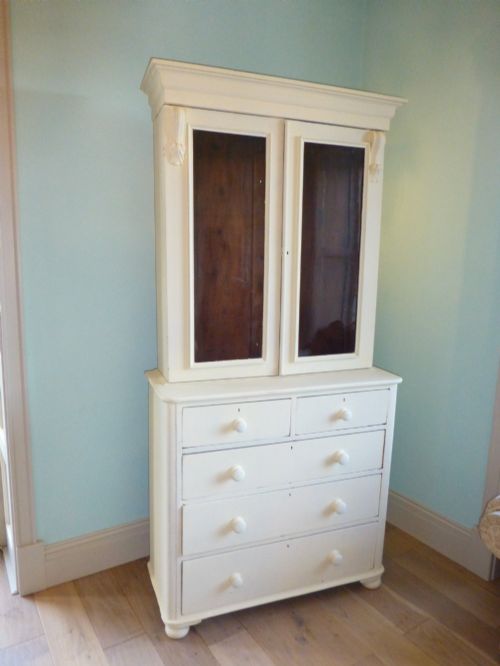
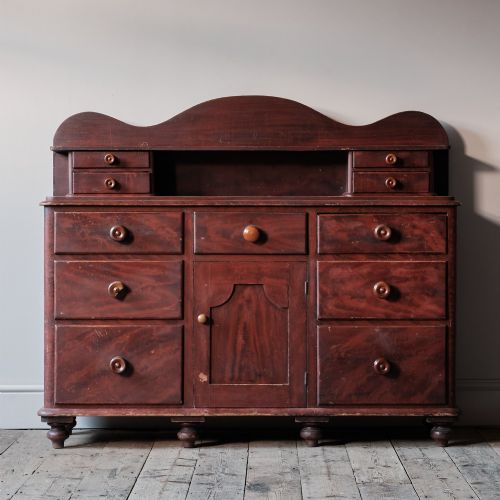
A pine chest of drawers cupboard combines multi-drawer storage with enclosed cabinet space, drawing from nineteenth-century domestic and commercial utility. When exploring a pine chest of drawers cupboard, a buyer typically encounters Victorian examples, alongside Georgian, Edwardian, and twentieth-century pieces.
The surviving forms range from kitchen dresser bases and linen presses to large multi-drawer banks and shop fittings. These pieces originate from English, French, Dutch, and Hungarian workshops, reflecting diverse regional storage needs.
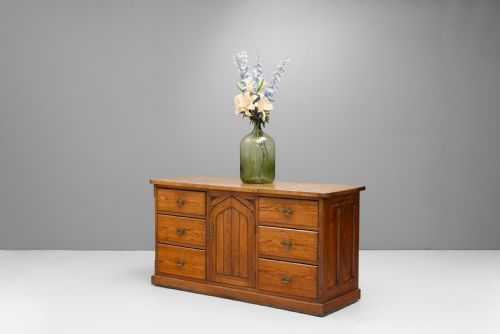
Domestic variants often serve bedrooms and kitchens, while multi-drawer configurations reflect commercial or institutional origins. This variety ensures buyers find items suited to both daily storage and traditional interior schemes.
How they were made
These items rely on solid pine timbers, sometimes utilising pitch pine for added durability or deal for secondary framing. Surfaces frequently retain original paint finishes in white, cream, or green, alongside waxed or unpainted natural wood surfaces.
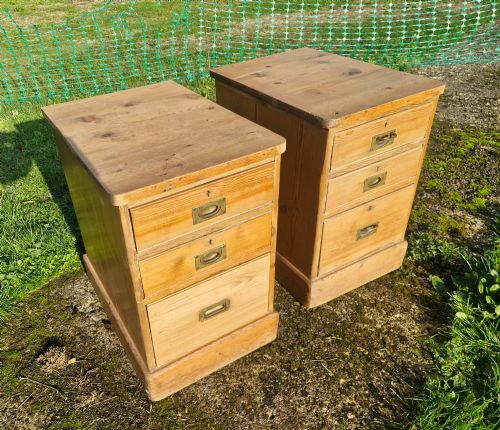
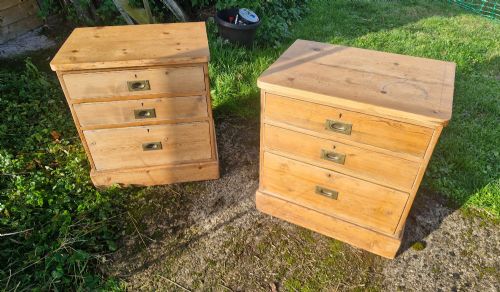
Hardware consists of brass or iron handles and pulls, matched to the period of construction, from campaign style brass insets to simple metal knobs. Construction techniques involve traditional joinery designed to support heavy daily use in domestic and commercial settings.
Pine Chest of Drawers Cupboard Retail Price Guide 2026
Typical asking prices for pine chest of drawers cupboard among the pieces listed under this phrase on Sellingantiques today, from the lower quarter to the upper quarter. They describe what is for sale here now, not the wider market.
Listings feature items spanning the Georgian, Victorian, and Edwardian periods, constructed from pine, painted wood, and brass.
What varies in quality
The distinction between tiers rests upon the integrity of the timber and the preservation of original finishes, such as early paint layers. Superior examples display balanced proportions, sound structural joinery, and matching period hardware.
Scale and complexity also define the range, distinguishing simple domestic cupboards from large multi-drawer shop fittings or complex two-piece linen presses. Pieces retaining their original configuration and untreated or authentically aged surfaces hold greater character.
Luxmore's of Ilfracombe·D Napier & Sons
The Pine Chest of Drawers Cupboard Glossary
- Linen Press
- A tall storage piece featuring upper cabinet doors enclosing sliding trays or shelves, paired with lower storage drawers.
- Bank of Drawers
- A multi-drawer cabinetry unit originally designed for commercial, office, or shop fitting purposes.
- Campaign Style
- Portable furniture built with recessed brass hardware and reinforced corners for ease of transport.
- Chifferobe
- A hybrid storage item combining elements of a wardrobe and a chest of drawers.
- Deal
- A softwood timber derived from pine or fir, commonly utilised in traditional cabinet making.
Pine Chest of Drawers Cupboard: Frequently Asked Questions
Where were these cupboards used?
These storage units served multiple settings, ranging from country kitchens and bedrooms to commercial shops and offices.
Larger configurations with numerous drawers functioned as utilitarian shop fittings or linen storage in large households.
How do I care for painted pine?
Maintain painted surfaces by dusting with a soft, dry cloth and avoiding harsh chemical cleaning agents.
Keep pieces away from direct heat sources and strong sunlight to prevent the timber from drying and the paint from cracking.
Are these pieces heavy to move?
Solid pine construction makes these items substantial, and larger pieces such as linen presses or multi-drawer banks require two people to lift.
Certain units are designed to dismantle into two or more sections to simplify transport and placement within a room.
How do I date a pine cupboard?
Dating relies on observing construction methods, timber choice, and the style of the hardware and feet.
Victorian and Georgian examples display hand-cut joinery and period-appropriate brass or iron pulls, distinguishing them from later Edwardian work.