



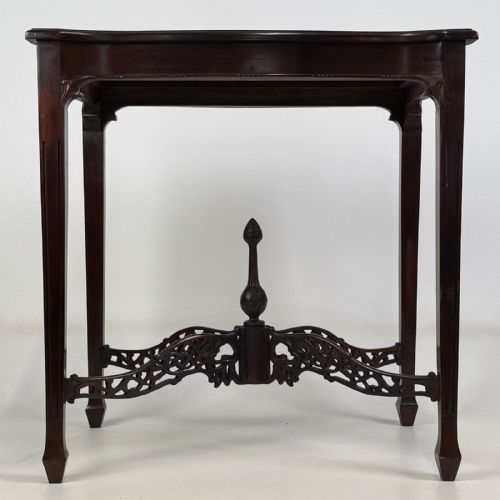
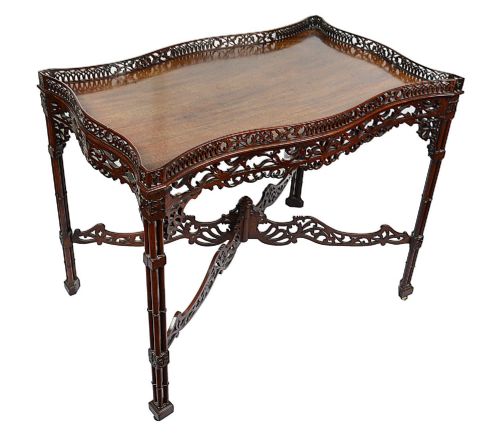
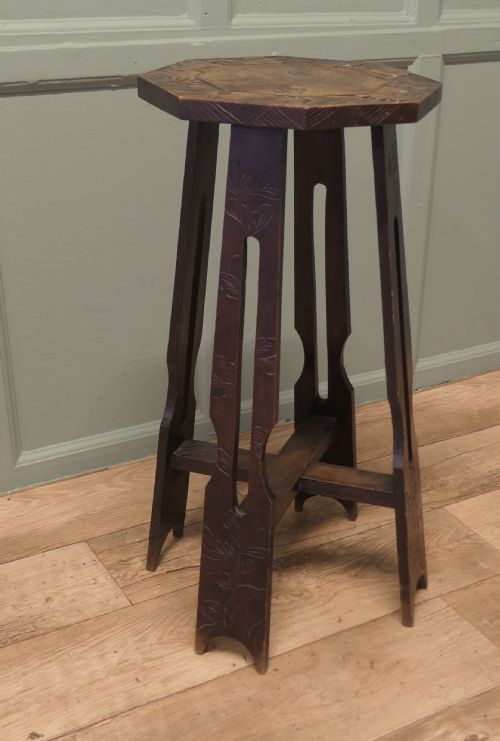
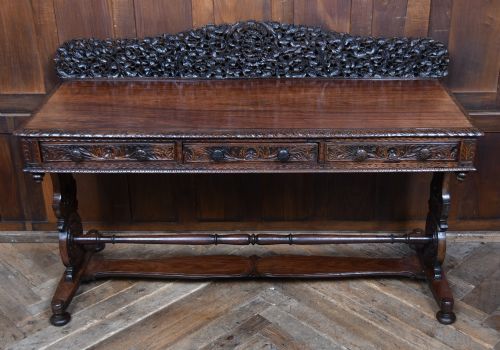
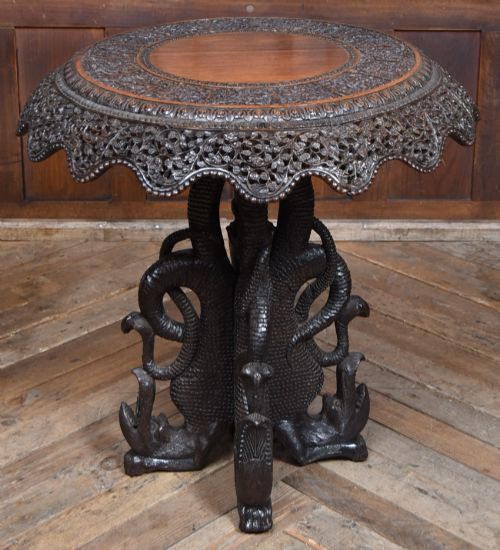
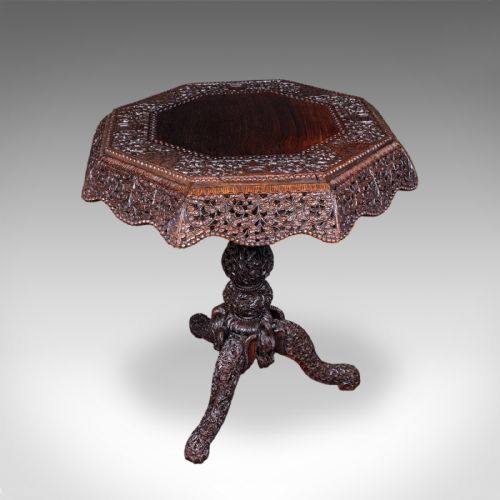
Pierced Wood Side Table
A pierced wood side table brings intricate fretwork and rich timber into a room, offering a functional surface with distinct character.
Pierced Wood Side Table
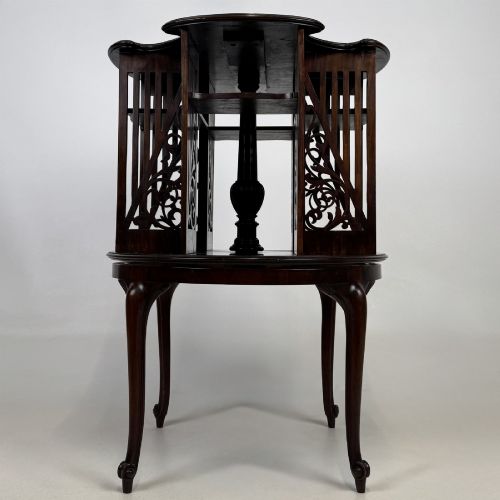
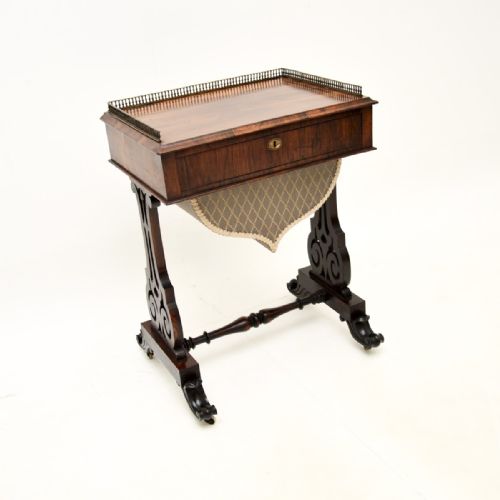
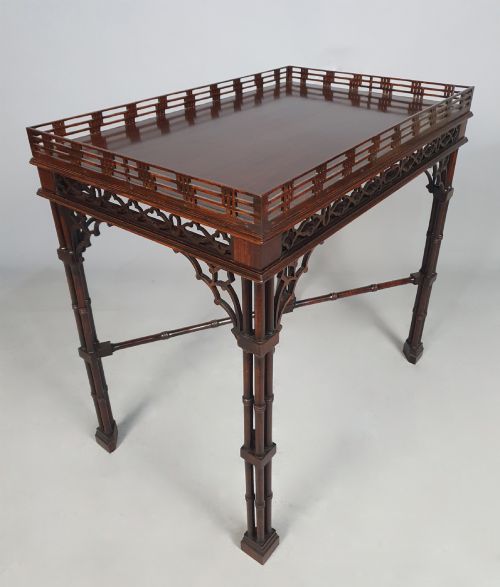
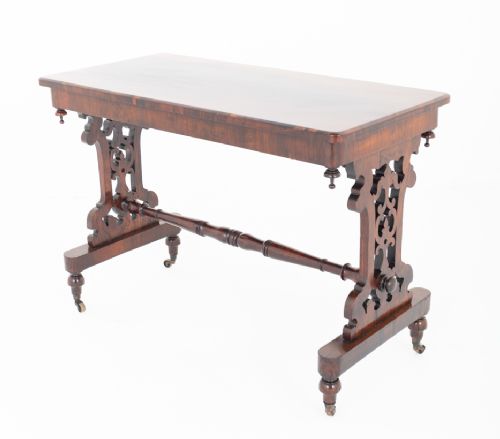
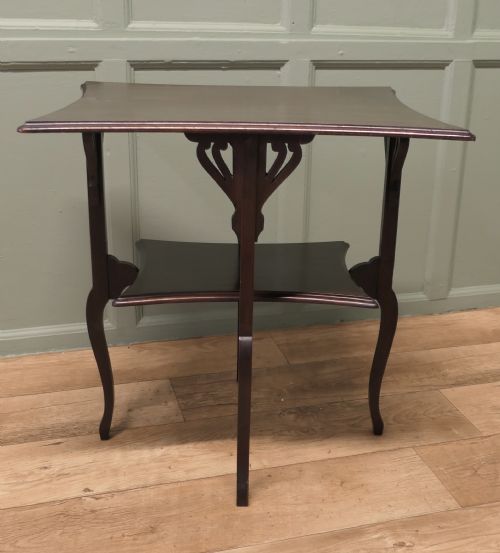
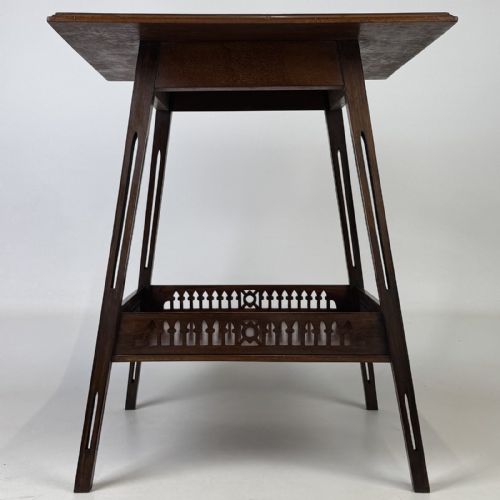
A pierced wood side table is a low surface characterised by openwork carving, fretwork, or pierced brackets, designed to serve as an occasional, lamp, or bedside table. These pieces emerge from various design traditions, including Anglo-Indian, Edwardian, and Georgian aesthetics, spanning from the nineteenth century into the twentieth century.
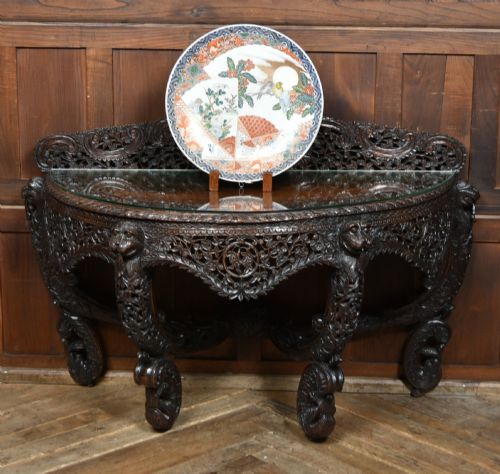
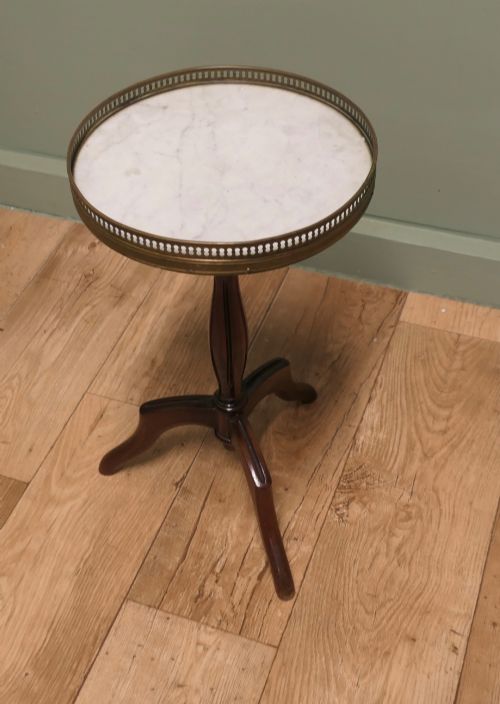
The buyer encounters forms ranging from folding occasional tables and Hoshiarpur tray top tables to console tables and wine tables. Materials such as teak, mahogany, padauk, and rosewood form the structural foundation of these varied items.
Origins stretch from British workshops working in specific revival styles to colonial workshops in India and Burma. The resulting objects combine practical utility with complex surface decoration that defines their visual appeal.
Materials and construction methods
Cabinetmakers and regional artisans utilised dense hardwoods such as mahogany, padauk, teak, and rosewood to support deep carving and pierced fretwork without structural failure. These timbers provided the strength required for intricate cutouts in brackets, trays, and aprons.
Inlaid elements of brass, copper, and bone frequently punctuate the dark timber surfaces, secured by hand into recessed channels. Joinery techniques varied according to origin, from traditional British mortise and tenon frames to folding mechanisms found in regional export pieces.
Pierced Wood Side Table Retail Price Guide 2026
Typical asking prices for pierced wood side table among the pieces listed under this phrase on Sellingantiques today, from the lower quarter to the upper quarter. They describe what is for sale here now, not the wider market.
Form variations on this page include console tables, bedside tables, plant stands, and folding occasional tables.
Distinctions in craftsmanship
The definition of the pierced work separates standard production from superior examples, as crisp, deep cutting in the wood creates sharp shadows and clean geometric or organic motifs. Shallow or blunt piercing yields a softer, less articulate pattern.
The selection of timber grain and the precision of contrasting inlays such as brass or bone determine the visual harmony of the piece. Integrated structures that remain rigid without excessive modern reinforcement represent higher standards of original construction.
E.W Godwin
The Pierced Wood Side Table Glossary
- Pierced wood
- Wood that has been cut entirely through in a decorative pattern. This technique creates openwork designs common in friezes, brackets, and panels.
- Hoshiarpur
- A town in Punjab known for intricate woodwork. Tables from this centre feature dense floral or geometric patterns inlaid with brass or bone.
- Padauk
- A heavy tropical hardwood with a reddish hue. It resists decay and accepts fine carving work characteristic of Anglo-Indian and Burmese pieces.
- Fretwork
- Ornamental design executed by cutting patterns in wood. It provides light, perforated decoration to table aprons and brackets.
- Occasional table
- A small, movable table intended for specific, intermittent use in a room. Forms include lamp tables, wine tables, and plant stands.
Pierced Wood Side Table: Frequently Asked Questions
What is a pierced wood side table?
A pierced wood side table is a small surface featuring openwork carving, fretwork, or pierced brackets. These pieces range from Georgian mahogany examples with pierced corner brackets to heavily carved Anglo-Indian and Burmese export tables.
Such tables function as lamp stands, occasional surfaces, or bedside tables. Their defining feature is the perforated decoration cut directly into the timber.
Where were these tables made?
These tables originate from British workshops influenced by Georgian and Gothic revival styles, as well as colonial workshops in India and Burma. Anglo-Indian and Burmese pieces often arrived through international trade during the nineteenth and early twentieth centuries.
British cabinetmakers also produced revival styles locally using imported timbers like padauk and mahogany. The regional origin typically dictates the style of carving and inlay present on the surface.
How do I style a pierced wood side table?
A pierced wood side table works well beside a sofa or armchair as a stable surface for a lamp or small objects. The intricate carving and inlaid metal or bone provide strong visual interest, allowing the table to act as a focal point in a room.
Keep surrounding furniture relatively simple to let the openwork details and timber grain stand out. These tables also adapt easily to hallway or bedside placement where surface space is needed.
How do I date a pierced wood side table?
Dating relies on examining the timber species, joinery methods, and stylistic indicators such as Gothic brackets or Hoshiarpur inlay patterns. Nineteenth-century pieces often utilise solid padauk, teak, or mahogany with hand-cut joinery and traditional finishes.
Twentieth-century examples, including Edwardian and 1930s variations, may show different construction tolerances or machine assistance in the fretwork. Comparing the specific carving motifs to documented regional outputs helps narrow the period.