

Pierced Silver Tableware
Pierced silver tableware brings delicate openwork metal into formal dining, offering functional elegance through intricate craftsmanship.
Pierced Silver Tableware
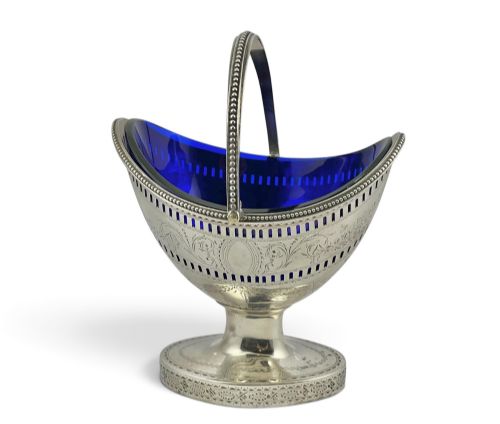
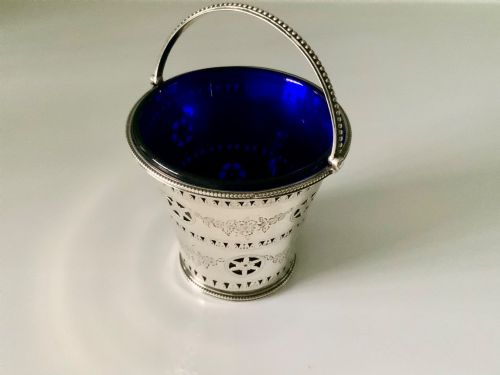
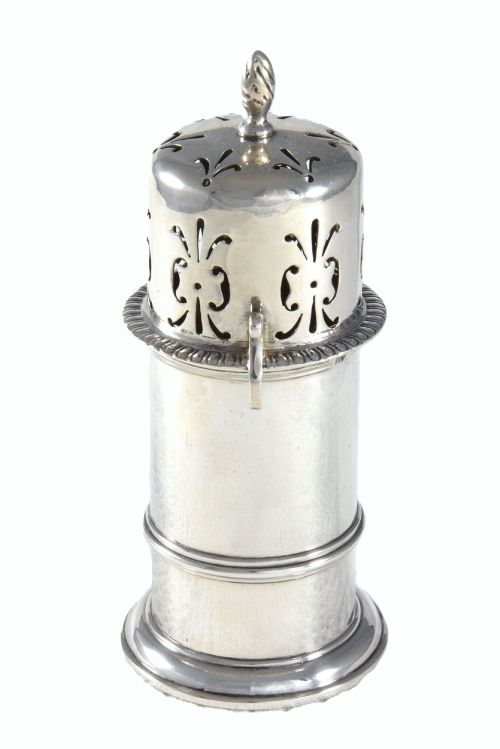
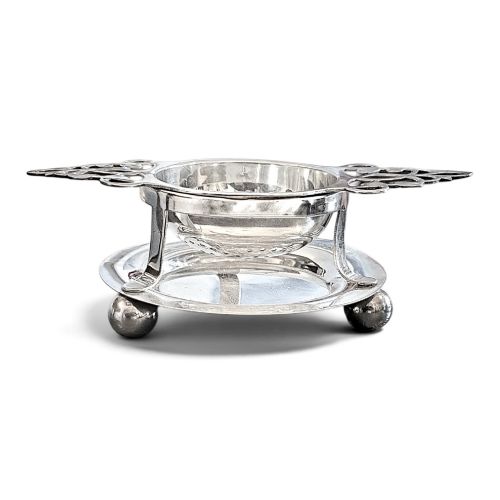
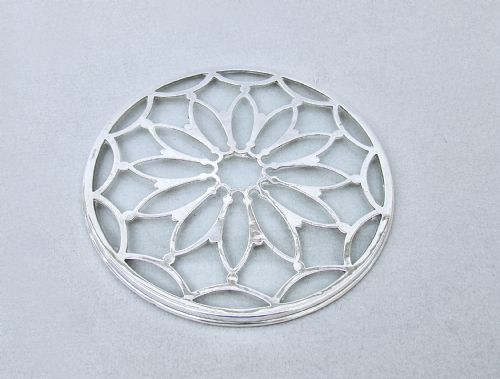
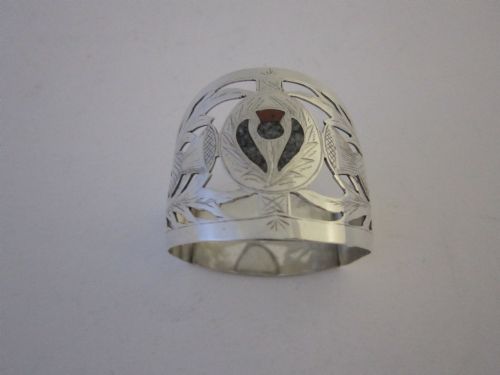
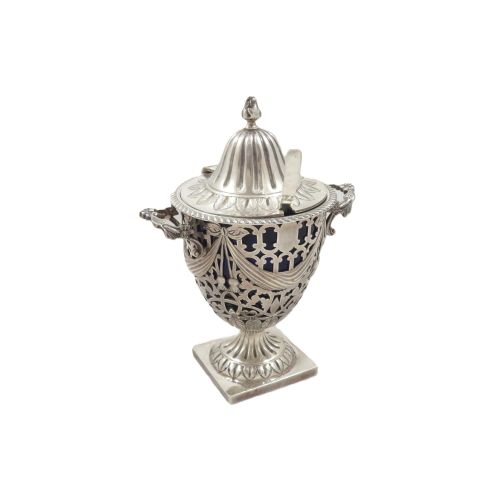
Pierced silver tableware encompasses functional dining items decorated with open fretwork and pierced patterns, ranging from condiment pots to serving baskets. These pieces appear frequently in Victorian and Edwardian iterations, alongside later George V and mid-century British examples.
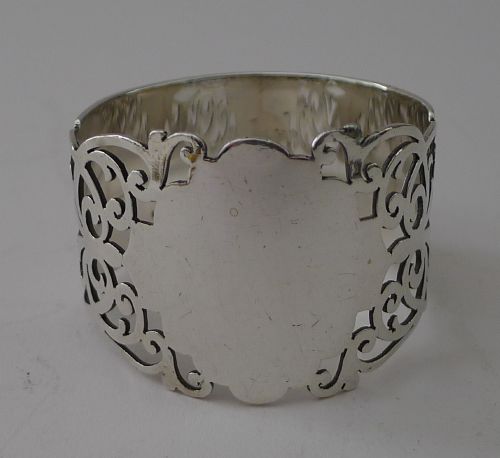
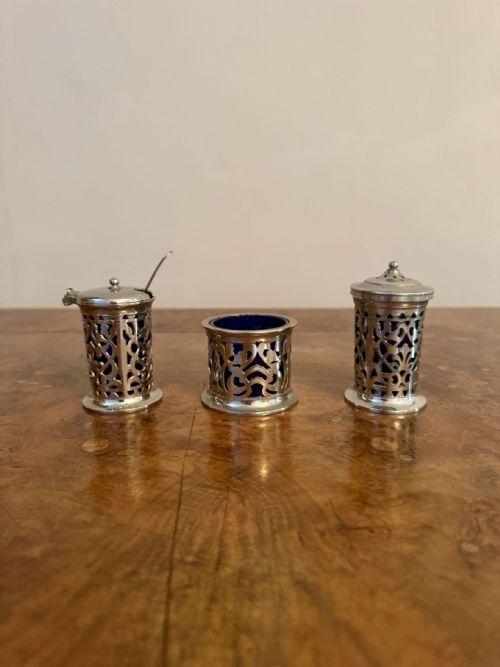
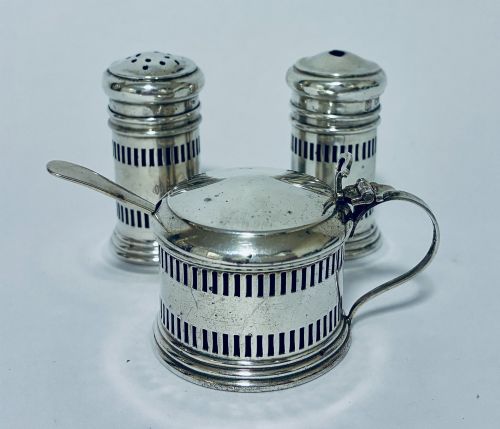
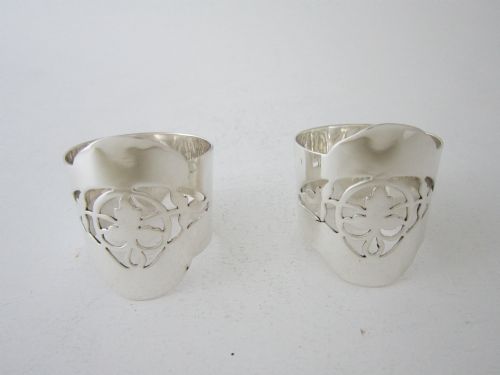
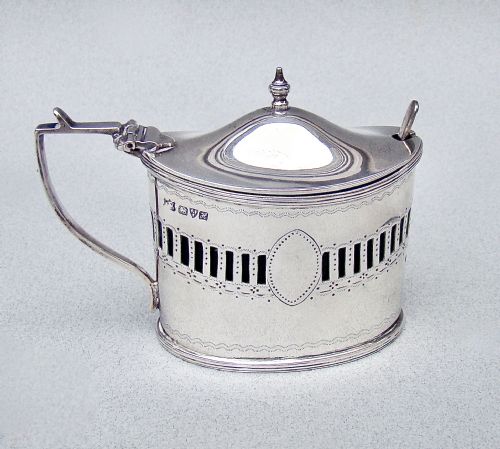
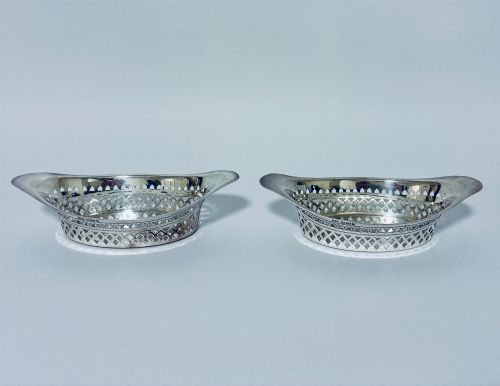
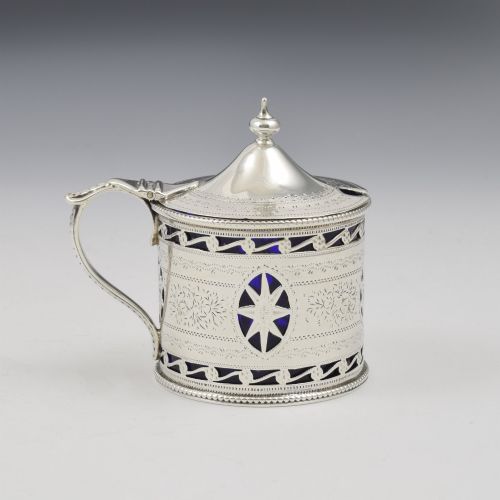
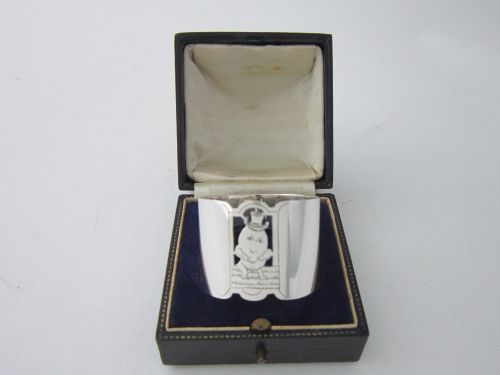
Buyers encounter numerous variations including mustard pots, cruet sets, napkin rings, sugar baskets, and bonbon dishes. Many designs incorporate fitted glass liners, silk, velvet, or leather details to complement the open silver frames.
Materials and technique
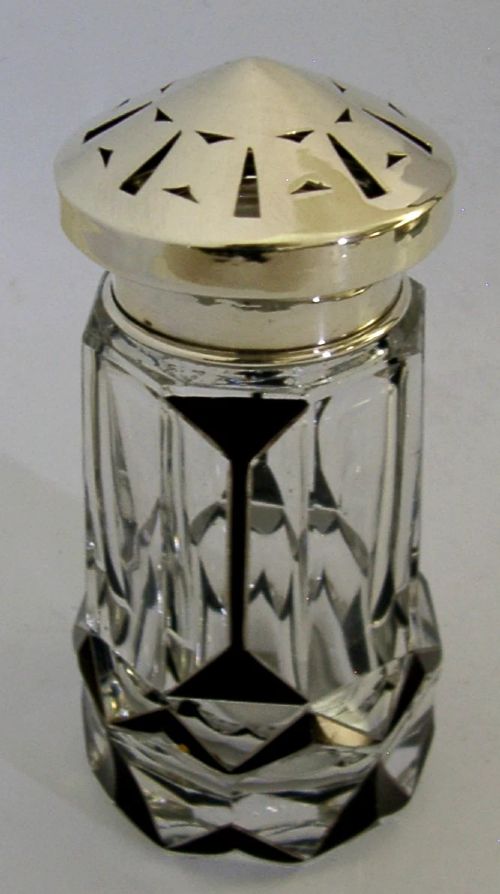
Makers utilised sterling silver and silver plate, frequently combining the metalwork with cobalt glass, cranberry glass, or clear glass liners. Additional textures were introduced through fitted components made from silk, velvet, and leather.
Craftsmen executed openwork patterns by piercing sheet metal with specialised saws or casting components before hand-finishing the details. Handles, rims, and bases were then soldered or mounted onto the pierced bodies.
Pierced Silver Tableware Retail Price Guide 2026
Typical asking prices for pierced silver tableware among the pieces listed under this phrase on Sellingantiques today, from the lower quarter to the upper quarter. They describe what is for sale here now, not the wider market.
Listings span the eighteenth century through to the mid-twentieth century, featuring styles from Georgian revival to mid-century British production.
Judgement of quality
Quality rests upon the crispness of the piercing and the weight of the metal used to form the body. Finer examples display precise, evenly spaced apertures that maintain structural integrity without feeling overly thin.
The integration of secondary materials such as original coloured glass liners or fitted presentation cases elevates a piece. Superior items retain clear hallmarks and balanced proportions across handles, feet, and pierced galleries.
Harrods Ltd·Alfred Marston·Nathan and Hayes·C T Burrows and Sons·Robert Hennell I·Cartier
The Pierced Silver Tableware Glossary
- Piercing
- The technique of cutting decorative openwork patterns through sheet metal. This method creates light, ornamental designs on items such as baskets and mustard pots.
- Cruet set
- A matched group of small containers for holding condiments like salt, pepper, mustard, and vinegar at the table. These often sit within a pierced silver frame or stand.
- Quaich
- A traditional shallow two-handled drinking vessel originating in Scotland. Examples rendered in silver often feature decorative handles and rims.
- Caddy spoon
- A short-handled spoon specifically designed for measuring loose tea leaves from a caddy. Georgian and later examples frequently incorporate pierced bowls.
- Sugar caster
- A tall vessel with a pierced dome top used for sprinkling sugar onto food. They appear in various forms across the Victorian and Edwardian periods.
Pierced Silver Tableware: Frequently Asked Questions
How do I clean pierced silver tableware?
Clean these items using a soft brush and a mild liquid silver dip or polish to avoid damaging the delicate openwork edges. Rinse thoroughly in warm water and dry immediately with a soft cloth.
Take extra care around fitted glass liners and fabric elements such as silk or velvet linings. Remove removable liners before cleaning the metal frame to prevent moisture trapping.
Are glass liners original to the silver pieces?
Many mustard pots and baskets retain their original cobalt or cranberry glass liners, which were blown to fit the specific interior dimensions. Replacement liners are common due to the fragile nature of glass.
Examine the fit of the glass within the pierced silver frame to determine originality. A snug fit that sits level without excessive movement usually indicates a contemporary or original component.
How do I identify the date of my silver?
British silver typically bears a series of hallmarks stamped directly onto the metal surface. These marks include a maker's mark, a standard mark indicating sterling silver, a town mark, and a date letter.
Consult official assay office records corresponding to the specific city mark to decode the exact year of manufacture. Stylistic cues such as Georgian revival motifs or Edwardian proportions also help narrow the period.
Can I use antique silver tableware daily?
Solid sterling silver pieces are durable enough for regular use provided they receive gentle handling and proper maintenance. Avoid placing items with glass liners or delicate soldered joints into dishwashers.
Hand washing immediately after use prevents acidic foods like mustard from tarnishing or pitting the metal surface. Store pieces securely when not in use to protect the openwork structures from bending.