



Pierced Silver Lid
When you handle a pierced silver lid, you hold an intricate piece of metalwork designed to let scent escape or contents breathe while keeping the container secure.
Pierced Silver Lid
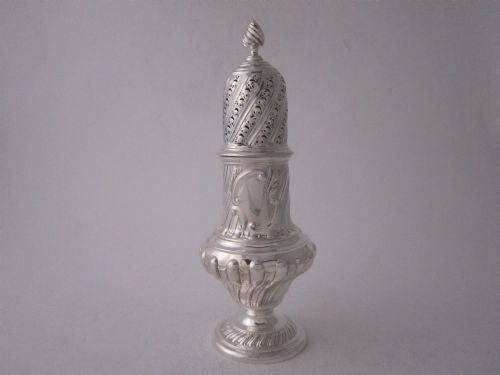
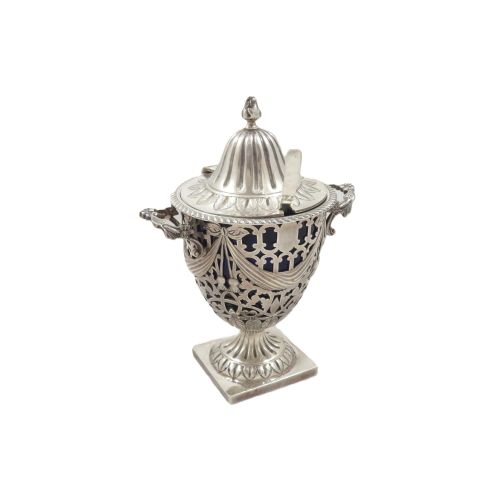
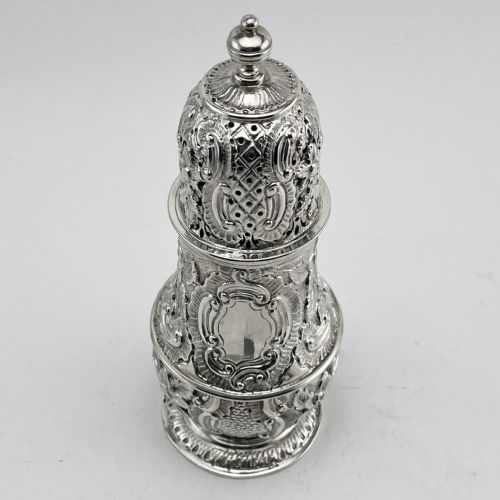
A pierced silver lid crowns containers designed for domestic use, from potpourri boxes and trinket caskets to sugar casters and mustard pots. These covers appear across the Victorian, Edwardian, and Georgian periods, alongside pieces from 1890 and 1910.
The objects bearing these covers span utilitarian vessels and decorative desk accessories. Buyers encounter small vanity boxes alongside larger condiment jars and baskets, each featuring ornamental piercing upon the metal top.
How they were made
Silversmiths utilised sterling silver and silver plate, often combining the metal with cobalt glass liners, ruby red glass, wicker, or turned wood bases. Piercing was executed by hand-sawing delicate patterns or casting the openwork design before finishing.
Many items incorporate repoussé work, chasing, and bright cut engraving to complement the fretwork. Continental and English workshops employed these methods to create patterned lids for boxes, dishes, and condiment containers.
Pierced Silver Lid Retail Price Guide 2026
Typical asking prices for pierced silver lid among the pieces listed under this phrase on Sellingantiques today, from the lower quarter to the upper quarter. They describe what is for sale here now, not the wider market.
Listings feature items from Georgian, Victorian, and Edwardian periods, utilising sterling silver, silver plate, and glass.
What varies in quality
The standard of a pierced silver lid rests upon the precision of the piercing and the crispness of the surrounding chased or engraved motifs. Hand-cut fretwork displaying clean edges and balanced symmetry stands apart from simpler stamped patterns.
The weight of the metal and the integrity of the hinge or fit also distinguish finer examples. Maker marks from established silversmiths add distinction to the structural quality of the vessel.
Robert Hennell I·Francis Clark·Robert Garrard·Martin Hall And Co·Harry Atkin·James Dixon And Son·John Round·William Devenport·James Deakin And Sons·Reynolds And Westwood
The Pierced Silver Lid Glossary
- Pierced
- Metalwork that has been cut through to create an openwork pattern or decorative design. This technique allows light and air to pass through the silver surface.
- Potpourri
- A mixture of dried petals and spices kept in a decorative container to scent a room. Lidded boxes with pierced tops were specifically made to release this fragrance.
- Repoussé
- A metalworking technique where the silversmith hammers the design from the reverse side to form a raised relief on the front. It frequently frames the pierced panels on Victorian boxes.
- Sterling silver
- An alloy consisting of pure silver and other metals, usually copper, to add durability. British pieces typically carry standard hallmarks to verify this composition.
- Bright cut engraving
- A form of surface decoration executed with faceted cutting tools that leave bright, reflective geometric cuts. This technique often accompanies openwork silver borders.
Pierced Silver Lid: Frequently Asked Questions
What were pierced silver lids used for?
These pierced covers served practical and decorative functions on containers holding aromatic substances, sugar, or dry goods. The openwork allowed scents to diffuse gently from potpourri boxes while keeping the contents contained.
They also topped dresser jars, trinket caskets, and condiment pots where ventilation or visual lightness was desired. The delicate fretwork transformed everyday utility boxes into ornamental desk and vanity accessories.
How do I date a silver piece with a pierced lid?
Dating relies heavily upon the official hallmarks stamped into the metal by regional assay offices. These marks identify the maker, the town of assay, and a specific date letter corresponding to the year of manufacture.
Stylistic cues such as Victorian rococo revival curves or Edwardian elegance also help narrow the timeframe. Comparing the design motifs to documented examples from specific decades confirms the era.
How should I clean antique pierced silver?
Cleaning requires a soft microfibre cloth and a mild, non-abrasive silver polish formulated for antiques. Avoid aggressive scrubbing that might wear down the delicate edges of the pierced fretwork.
Soft brushes help remove tarnish and residue from the intricate cut-out sections without damaging the metal. Regular gentle dusting keeps the surface bright without stripping the historical patina.
Are pierced silver lids fragile?
The pierced sections are inherently thinner than solid silver sheets, requiring care during handling and polishing. Heavy pressure can bend or distort the fine metal webs created by the silversmith.
Placing these items away from busy edges prevents accidental drops that could warp the openwork. With mindful placement and gentle maintenance, the structural integrity remains intact over generations.