




Pierced Repousse Silver
Pierced repousse silver pieces combine raised metalwork with intricate openwork, offering decorative utility in Victorian and Edwardian household objects.
Pierced Repousse Silver
When you search for pierced repousse silver, you encounter decorative domestic items designed to catch the light and display intricate metal craftsmanship. These pieces span the Victorian and Edwardian eras, reaching back into the late nineteenth century and forward into the twentieth.
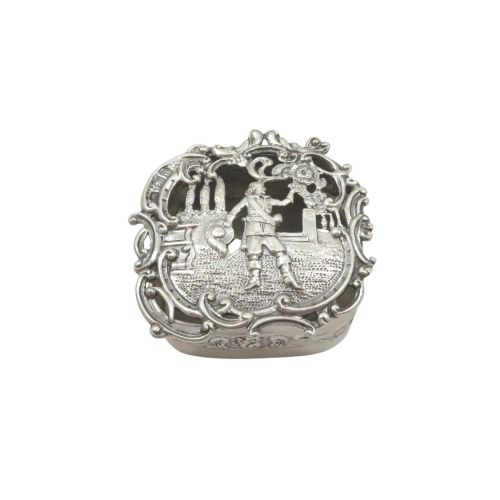
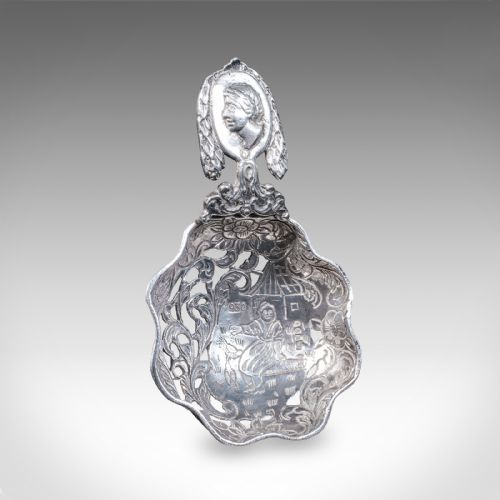
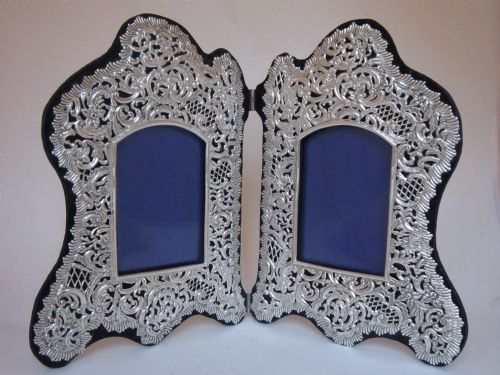
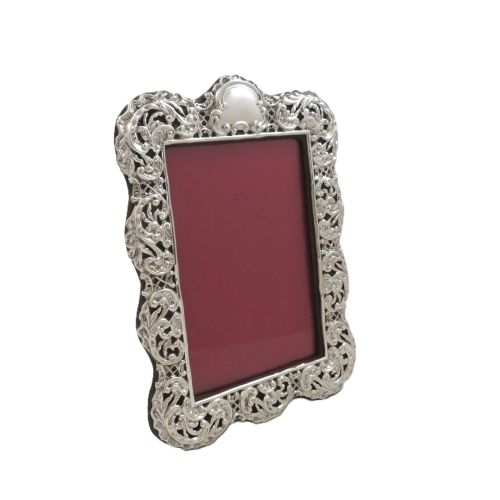
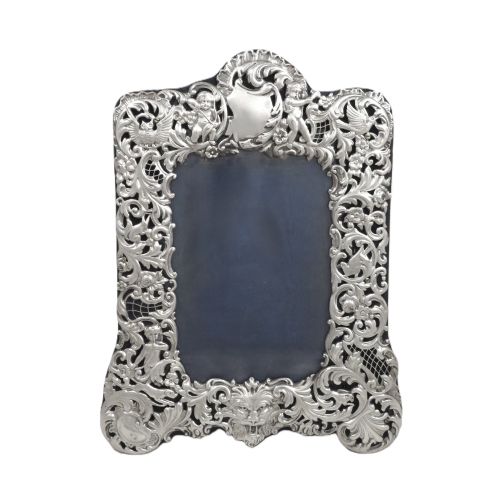
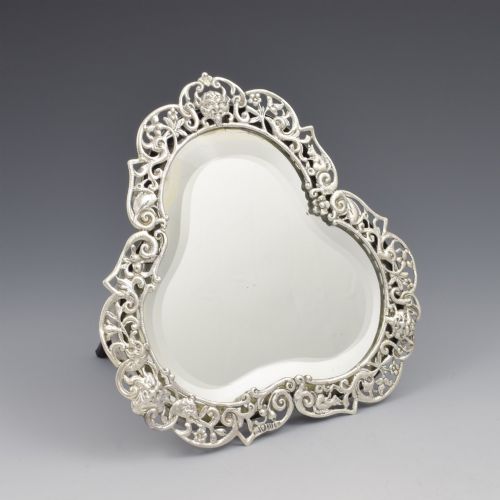
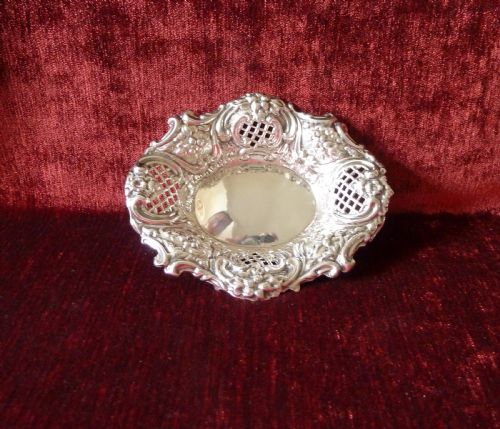
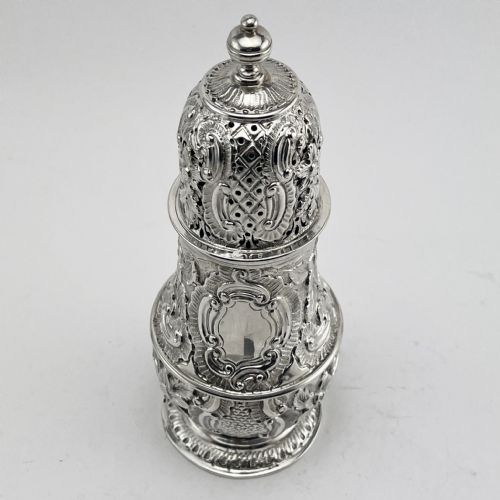
The objects take many forms for the table and dressing table. You will frequently meet photograph and picture frames, serving dishes, sugar baskets, pin dishes, and dressing table mirrors.
Beyond standard British manufacture, the selection includes international workshops such as Chinese Export, German Historicism, and Kashmiri production. These varied origins introduce distinct regional motifs while maintaining the characteristic pierced and raised surface treatment.
How they were made
The creation of these items relies principally upon sterling silver or silver plate, sometimes combined with structural elements of wood, leather, or velvet, alongside glass inserts like cobalt glass liners. Metalworkers shaped the silver sheet from the reverse side to push out relief designs before refining the details from the front.
Piercing required careful cutting away of the background metal to create openwork lattices and decorative borders. Silversmiths utilised punches and hammers to achieve high relief patterns of animals, birds, cherubs, and foliage.
Listings feature items spanning Victorian, Edwardian, and early twentieth-century periods, utilising sterling silver, silver plate, cobalt glass, and velvet.
What varies in quality
The structural integrity of the openwork lattice also distinguishes superior items from simpler production. Where delicate piercing remains rigid and well-balanced without distortion across large surfaces, the hand of a skilled silversmith is evident.
Martin Hall·Henry Matthews
The Pierced Repousse Silver Glossary
- Repousse
- A metalworking technique where the artisan hammers and punches the design from the reverse side to form a raised relief on the front. This method creates tactile, three-dimensional decorative surfaces on bowls, frames, and dishes.
- Pierced
- The process of cutting openings through the metal to create decorative fretwork or open lattices. It lightens the appearance of heavy silver objects while displaying contrasting backgrounds.
- Sterling silver
- An alloy containing a high proportion of silver combined with other metals to ensure durability in household articles. Most British domestic items from these periods carry standard sterling hallmarks.
- Import hallmarks
- Official stamps applied by assay offices to foreign silver items entering the country for sale. They provide clues to the geographic origin and import date of continental or Asian pieces.
- Potpourri box
- A small lidded container pierced to allow scented dried plant materials to fragrance a room. These boxes often feature intricate repousse lids and decorative bodies.
Pierced Repousse Silver: Frequently Asked Questions
What items are made with pierced repousse silver?
These pieces include photograph frames, dressing table mirrors, sugar baskets, fruit bowls, serving dishes, and small trinket boxes.
They were produced primarily in Britain, Germany, and China during the late nineteenth and early twentieth centuries for domestic display and service.
How do I care for pierced repousse silver?
Maintenance requires gentle cleaning with a soft brush to remove tarnish from the recesses without damaging the delicate openwork edges.
Avoid abrasive dips that can strip away the original finish and soften the relief details of the repousse work.
How do I date pierced repousse silver items?
Dating relies on official assay office hallmarks, maker marks, and stylistic indicators such as Edwardian Rococo Revival or Victorian aesthetic motifs.
Comparing the form and decorative style alongside stamped date letters provides a reliable guide to the year of manufacture.
Were these silver items used daily?
Many pieces served specific domestic functions, such as holding sugar at the table, framing family portraits, or containing potpourri in the drawing room.
Others served as decorative table centrepieces for dining rooms during the Victorian and Edwardian periods.