



Pierced Gallery Lamp Table
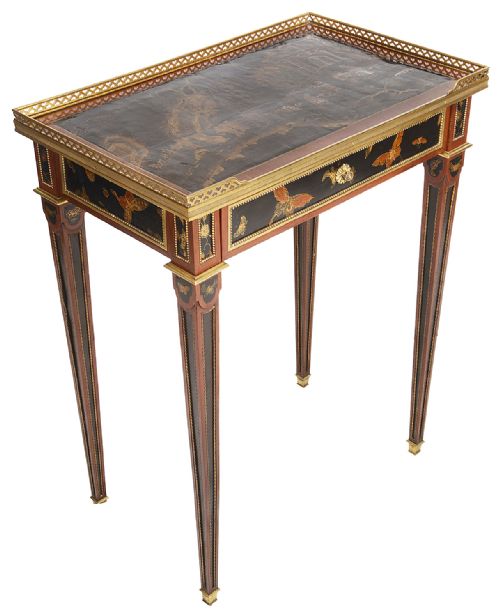
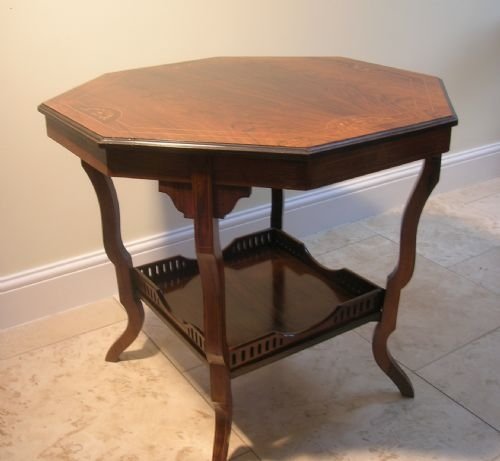
A pierced gallery lamp table brings practical surface space and a refined raised rim to a sitting room, designed to keep small objects secure.
Pierced Gallery Lamp Table
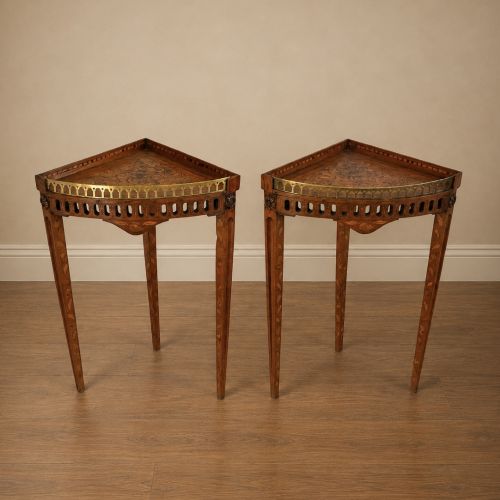
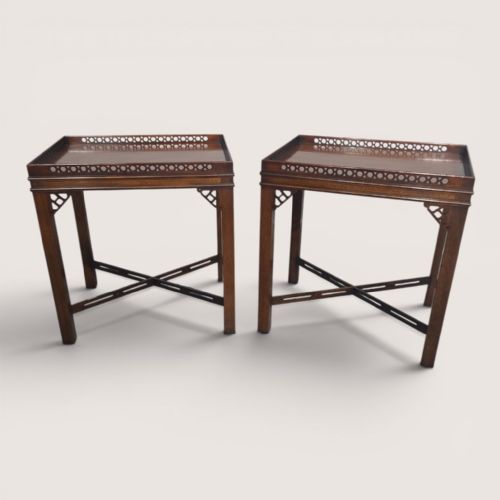
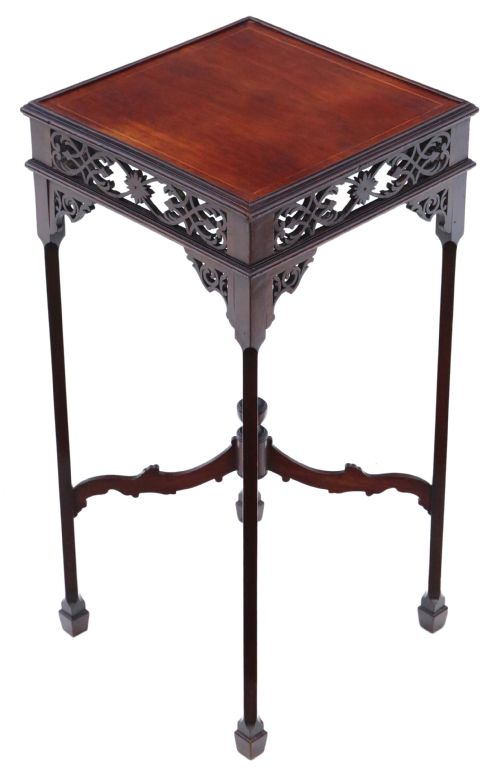
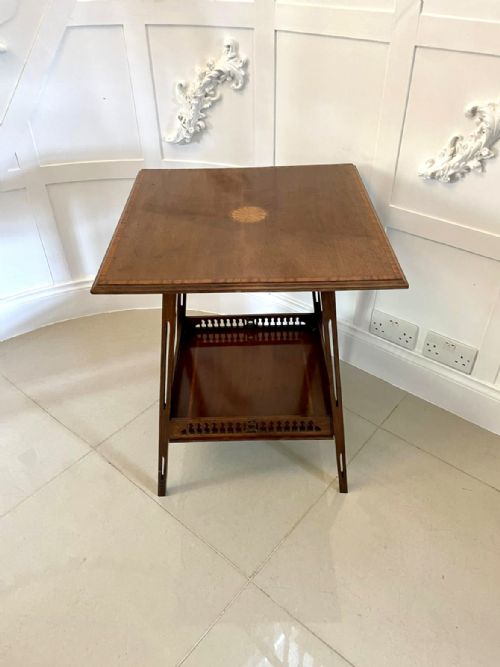
A pierced gallery lamp table combines a compact surface for lighting or drinks with a decorative pierced perimeter that stops items from sliding off. When you search for a pierced gallery lamp table, you encounter diverse forms ranging from corner stands to occasional tables.
The pieces on this page span several periods, notably the eighteenth century and subsequent revival eras like the Edwardian period and nineteen-hundreds. You will find side tables, occasional tables, and corner tables designed to fit snugly beside seating.
Makers utilised various timber grounds, with mahogany and walnut appearing alongside ebonised hardwood and figured oak. The addition of a pierced gallery, often executed in brass, defines the functional elegance of these small tables.
How they were made
Cabinet makers constructed these tables using dense timbers such as mahogany, walnut, and oak, frequently employing marquetry inlay or lacquer work for surface decoration. Figured veneers added pattern and depth to tabletops and tiers.
The characteristic gallery was formed from pierced sheet metal or cast brass, secured around the table edge to create an ornamental barrier. Joinery relied on traditional techniques suitable for small occasional furniture, ensuring stability without excessive bulk.
Some nineteenth-century makers evidently decided flat edges were far too dull and gave their tables hearts instead of circles.
What varies in quality
Quality rests upon the crispness of the pierced metalwork and the precision of the timber inlay. Finer examples display meticulous grain selection in mahogany or satinwood and secure, well-fitted galleries.
Proportion and structural balance separate simpler utilitarian pieces from sophisticated revival or eighteenth-century work. The integration of secondary tiers and fine leg turning further elevates a table's standing.
The Pierced Gallery Lamp Table Glossary
- Pierced gallery
- A raised decorative railing around the edge of a table surface featuring cut-out openwork patterns. This element prevents items placed on the top from falling off.
- Chippendale revival
- A stylistic movement drawing inspiration from eighteenth-century designs associated with Thomas Chippendale. Pieces often feature characteristic cabriole legs or carved details.
- Marquetry
- The art of applying pieces of veneer to a structure to form decorative patterns and pictures. Craftsmen used contrasting timbers to create complex visual designs on tabletops.
- Ebonised hardwood
- Timber treated with a dark finish to imitate expensive ebony. This technique was particularly favoured during the Aesthetic Movement.
- Occasional table
- A small, light table designed to be moved about a room as needed. These versatile pieces served various functions in period interiors.
Pierced Gallery Lamp Table: Frequently Asked Questions
What is a pierced gallery lamp table used for?
These tables were originally intended to hold portable lighting such as oil lamps or candles near seating areas. The raised pierced border ensured that items remained secure on the surface.
Today, they function well beside armchairs or sofas for holding books, drinks, or decorative objects. Their compact footprint allows them to fit into corners and small spaces where larger furniture will not go.
How do I identify the period of a lamp table?
Dating relies on examining the timber species, construction methods, and stylistic revival cues. Eighteenth-century originals contrast with later nineteenth and early twentieth-century revival interpretations through joinery details and wear patterns.
Revival pieces often incorporate machine-assisted elements alongside hand finishing, whereas older pieces show distinct hand-tool marks. Comparing the hardware and inlay styles to known periods helps narrow down the date.
Are these tables sturdy enough for daily use?
Most occasional and lamp tables were built to support modest weights like lamps and tea services rather than heavy loads. Their light construction makes them easy to reposition around a room.
Careful placement away from heavy traffic areas protects their delicate legs and inlaid surfaces from accidental knocks. Proper maintenance keeps the joints secure for everyday interior living.
What woods were commonly used for these tables?
Mahogany and walnut predominate among the listings, offering rich tones and strong grain patterns suitable for fine cabinet making. Oak and figured oak also appear, particularly in Arts and Crafts contexts.
Ebonised hardwood and satinwood provided alternative finishes for specific aesthetic tastes. Brass elements frequently formed the distinctive gallery rims atop these timber structures.