





Pierced Carved Mirror Frame
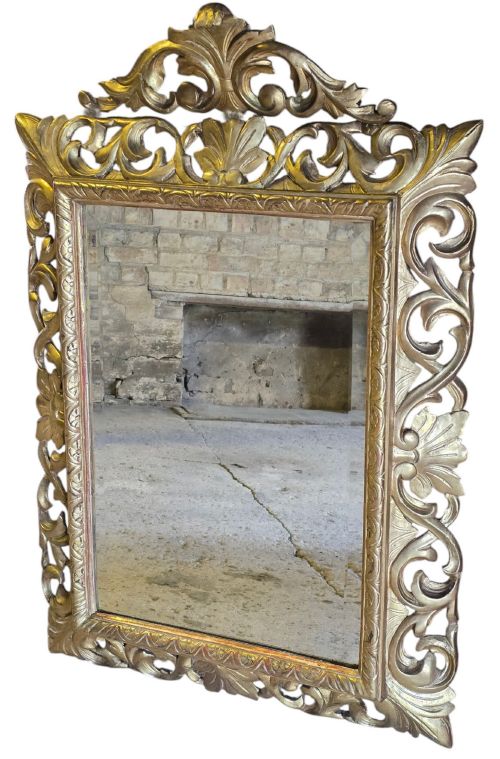
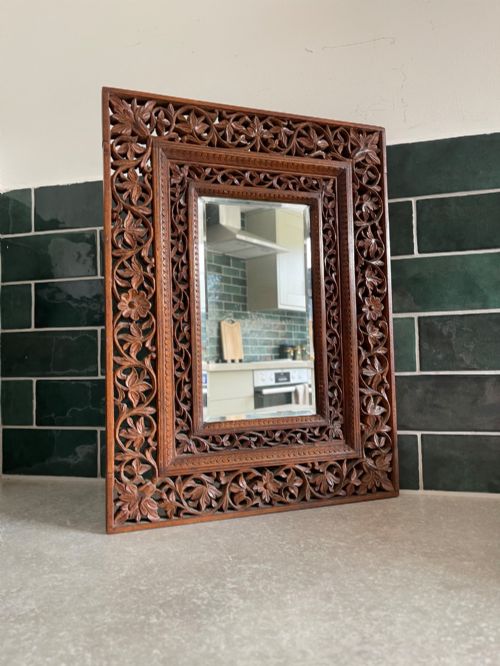
These pierced carved mirror frame pieces offer intricate wooden and gilt surrounds that instantly draw the eye in any room.
Pierced Carved Mirror Frame
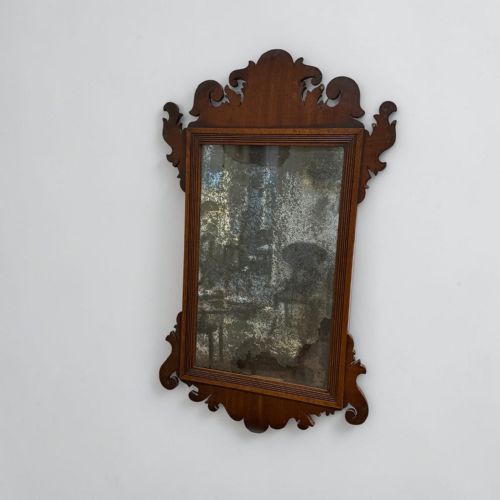
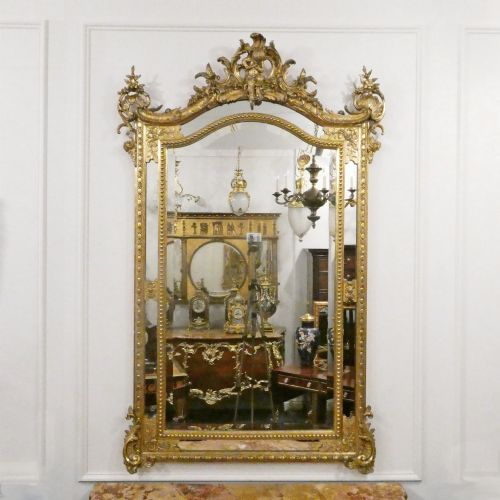
A pierced carved mirror frame brings together elaborate openwork decoration and functional wall glass across various historical periods. When searching for a pierced carved mirror frame, buyers encounter diverse forms ranging from large overmantle pieces to smaller vanity mirrors.
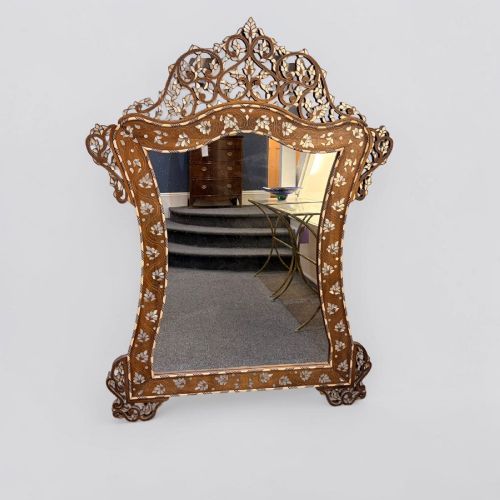
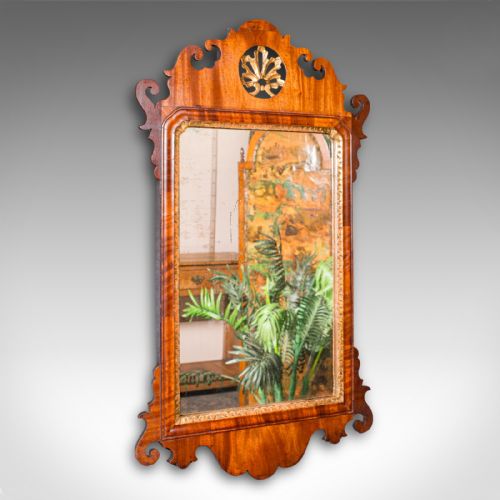
The selection spans multiple centuries and regional workshops, including Victorian creations, Georgian examples, and Anglo-Indian designs. Wall mirrors dominate the evidence, showing carved timber, giltwood, and hardwood construction.
How they were made
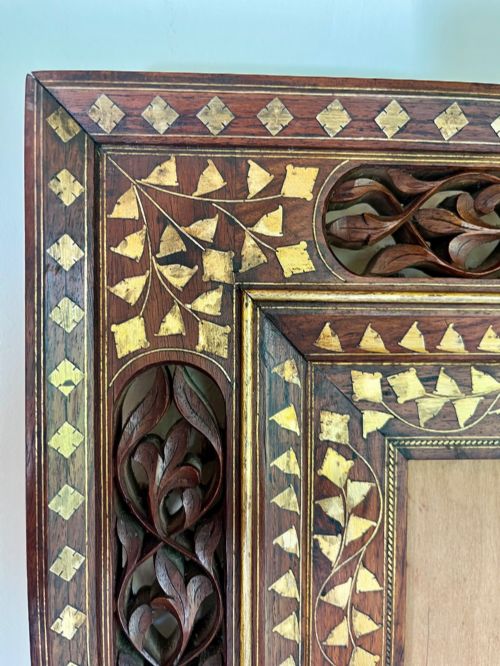
Makers shaped these frames from solid hardwoods, teak, rosewood, and oak, applying intricate pierced and fret-cut techniques to achieve open patterns. Many examples incorporate brass inlay or gesso layers beneath gold leaf and giltwood finishes.
Carvers executed delicate openwork by hand, cutting through the timber to create airy, pierced edges before applying surface gilding or polish.
Pierced Carved Mirror Frame Retail Price Guide 2026
Typical asking prices for pierced carved mirror frame among the pieces listed under this phrase on Sellingantiques today, from the lower quarter to the upper quarter. They describe what is for sale here now, not the wider market.
Materials span giltwood, gesso, brass, gold leaf, hardwood, teak, rosewood, and oak across multiple centuries.
What varies in quality
The depth and crispness of the hand-carved detail separate ordinary frames from exceptional works. Pierced work that retains sharp edges and clean internal angles demonstrates superior craftsmanship.
The quality of the original gilding or the retention of the hardwood grain influences the overall visual impact of the frame. Intricate fret-cutting requires steady precision, and the finest pieces show no hesitation in the hand of the carver.
The Pierced Carved Mirror Frame Glossary
- Giltwood
- Wood that has been coated with gold leaf or gold paint. This finish creates a bright, reflective surface popular in Rococo and Georgian designs.
- Pierced work
- A decorative technique where material is cut entirely through to create open spaces and intricate patterns. It defines the aesthetic of these carved frames.
- Gesso
- A plaster-like mixture applied to wood surfaces to prepare them for gilding. It provides a smooth base for intricate carved details.
- Fret cut
- Woodwork shaped by cutting patterns using a fine saw. This technique produces flat, geometric, or scrolling open designs.
- Overmantle
- A large mirror designed to hang above a fireplace mantel. These pieces often feature elaborate frames meant to dominate a room.
Pierced Carved Mirror Frame: Frequently Asked Questions
What is the difference between Georgian and Victorian frames?
Georgian frames often showcase elaborate Rococo asymmetry, naturalistic motifs, and high-relief giltwood carving. Victorian pieces frequently lean towards revival styles, utilising timber alongside applied gilt finishes.
Examining the underlying wood species and the application of gesso helps determine the manufacturing era.
How should I clean a giltwood mirror frame?
Giltwood surfaces require gentle dusting with a soft, dry brush to prevent damage to the delicate gold leaf layer. Moisture can lift the underlying gesso, so water and chemical cleaners must be avoided entirely.
Professional conservators handle deeper cleaning when accumulated grime obscures the carved detail.
Where were Anglo-Indian mirror frames made?
These pieces originate from workshops in the Indian subcontinent during the nineteenth and early twentieth centuries, often featuring dense hardwood carving. Makers utilised local timbers such as teak and rosewood, sometimes incorporating brass inlay.
European demand shaped many of these designs, blending traditional regional craftsmanship with Western mirror forms.