
Georgian Carved Mirror Glass
When you handle georgian carved mirror glass, you find yourself looking at centuries of timber and foil that still catch the morning light.
Georgian Carved Mirror Glass
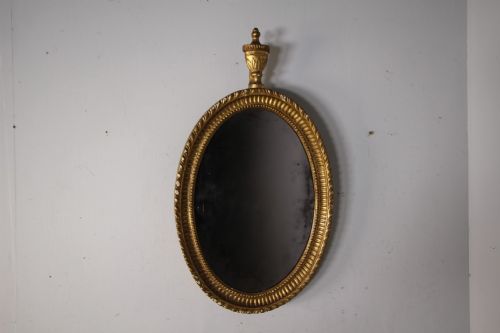
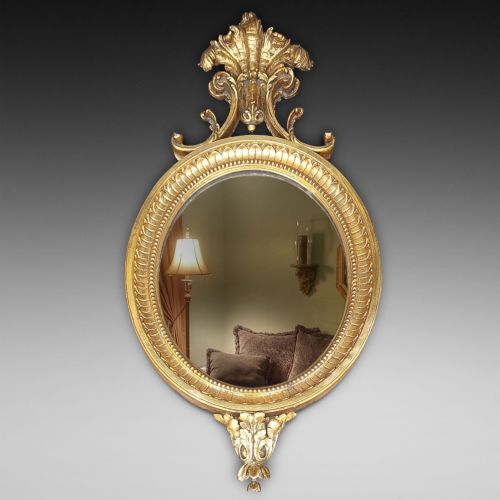
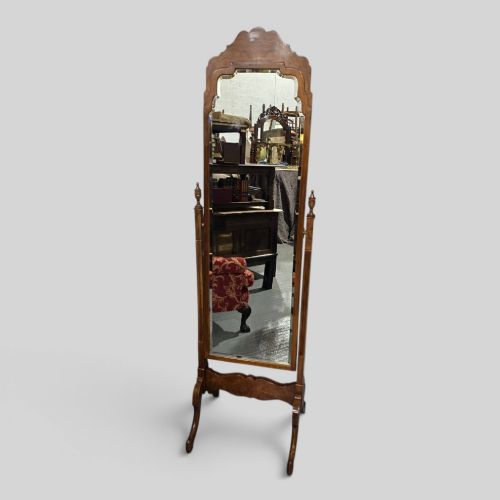
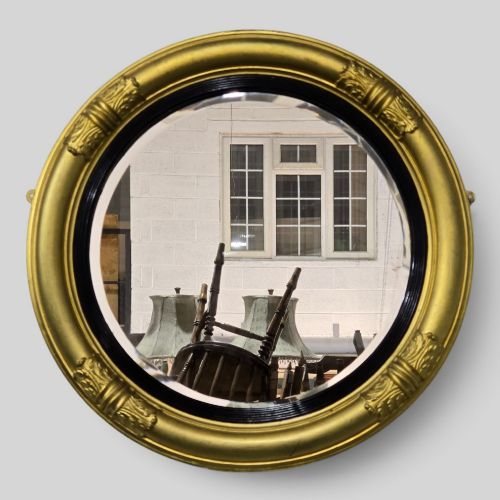
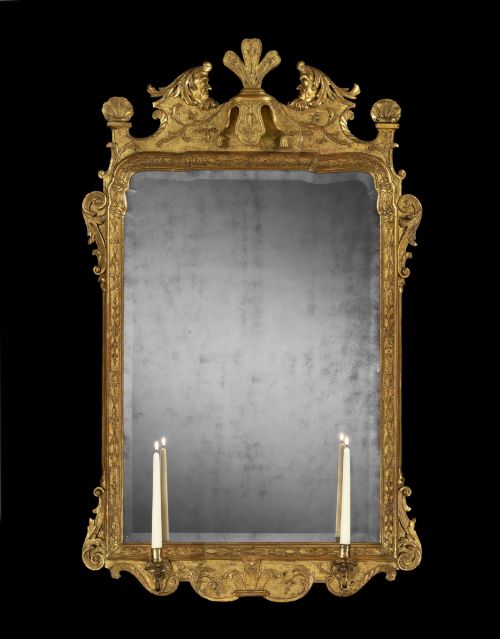
These pieces are functional wall hangings and dressing furniture designed to reflect light and space within a room, spanning wall mirrors, overmantels, pier mirrors, and cheval glasses. When you search for georgian carved mirror glass, you meet objects that served both utilitarian grooming purposes and grand interior decoration during the eighteenth and nineteenth centuries.
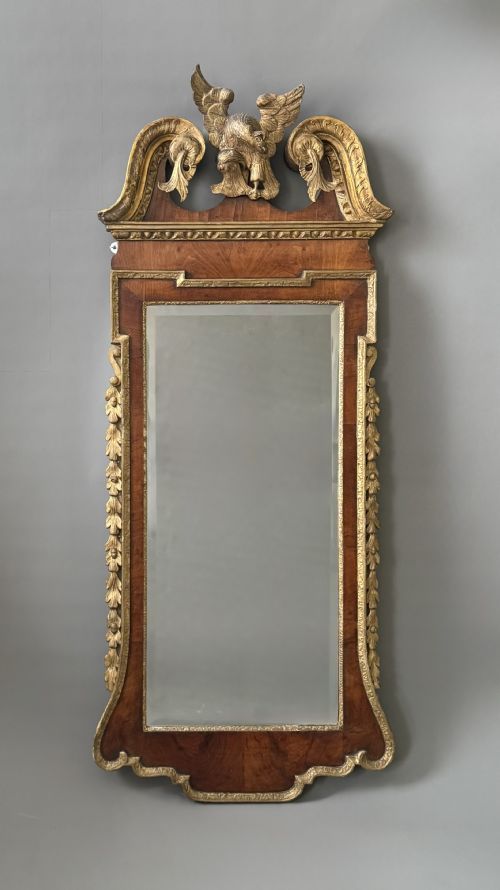
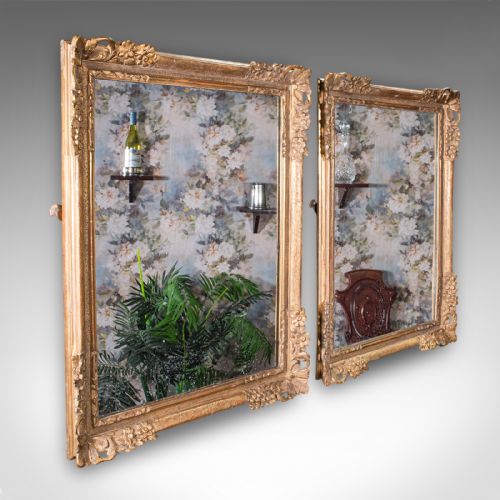
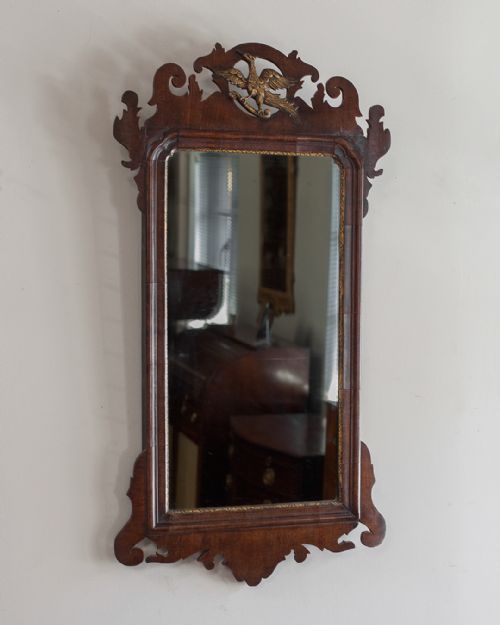
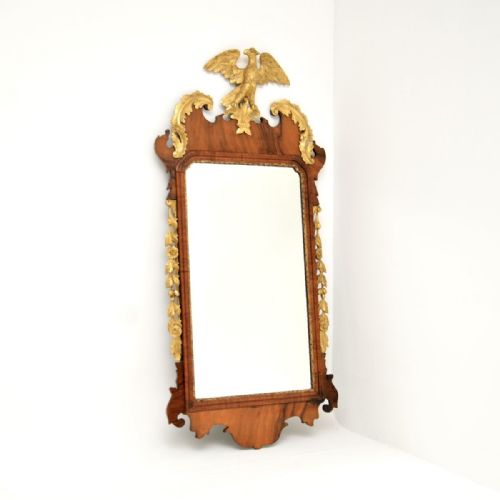
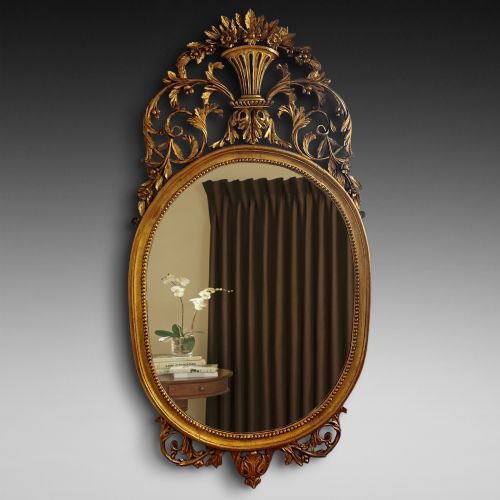
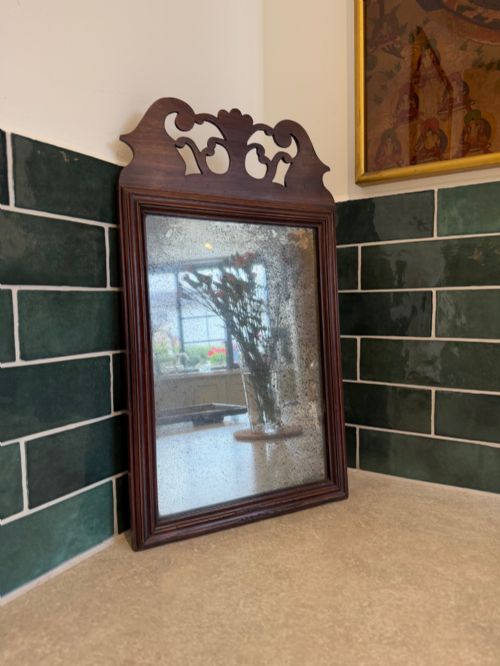
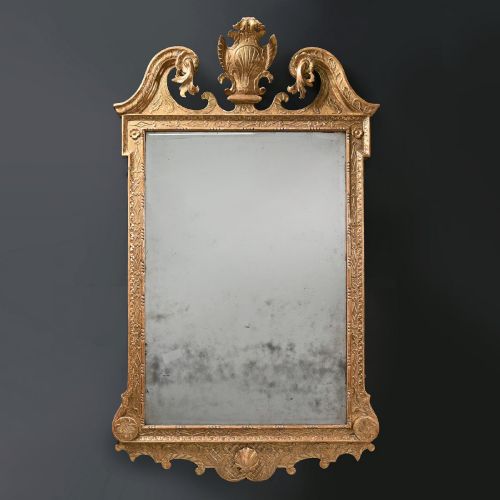
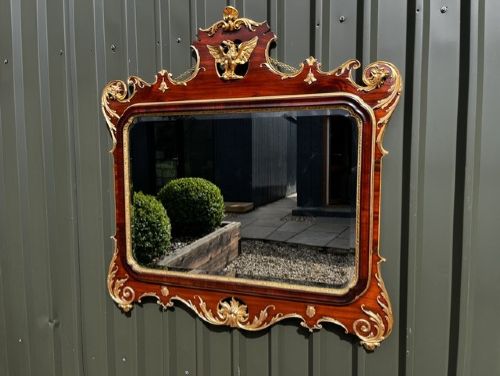
You are most likely to encounter mahogany and walnut frames alongside gilded gesso surfaces, representing the domestic and formal aesthetics of Georgian and Regency periods. The forms range from simple fretwork dressing glasses to grand scale overmantels and pier mirrors originating from English, French, and Italian workshops.
How They Were Made
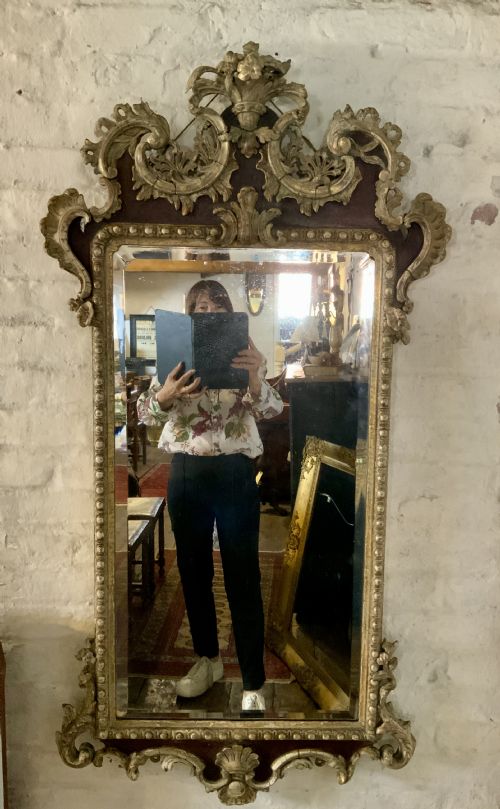
Craftsmen shaped these frames from dense timbers such as mahogany, walnut, sycamore, and rosewood, often applying parcel gilding to accentuate carved details. Carved gesso and wooden elements received layers of gold leaf or paint over prepared grounds to achieve their finished metallic sheen.
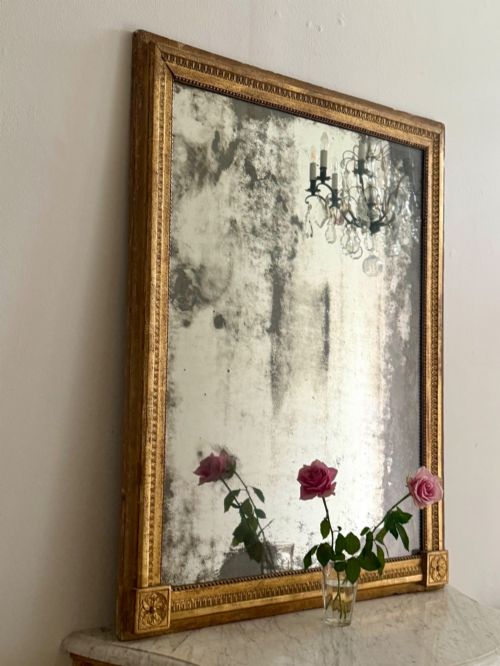
Makers utilised mercury glass and silvered plates for the reflective surfaces, sometimes retaining original plates that exhibit foxing and age spots. Joinery techniques involved fretwork cutting for lighter wall mirrors and robust construction for heavy overmantel and pier glass frames.
Listings feature walnut, mahogany, and rosewood frames alongside gilded gesso from the eighteenth, nineteenth, and early twentieth centuries.
What Varies in Quality
The sophistication of the wood carving and the depth of the gesso relief separate standard production from superior examples, with finer pieces displaying crisp scrolling foliage and well-defined mouldings. The presence of original mirror plates, particularly mercury glass with authentic foxing, adds substantial character compared to later replacements.
Proportion and material selection dictate the tier of the piece, as seen in the choice of burr walnut veneers or fine mahogany paired with balanced architectural dimensions. The reputation of the workshop or the fidelity of period design influences how successfully the mirror holds its historical integrity.
Gillows Of Lancaster·William Kent·John Belchier
The Georgian Carved Mirror Glass Glossary
- Gesso
- A plaster-like mixture applied to wood frames as a base for carving and gilding. This compound allowed artisans to model intricate relief ornamentation before applying gold leaf.
- Parcel gilt
- A surface treatment where only specific carved elements or raised details of a wooden frame are highlighted in gold leaf. The remaining timber surface shows its natural grain and polish.
- Pier mirror
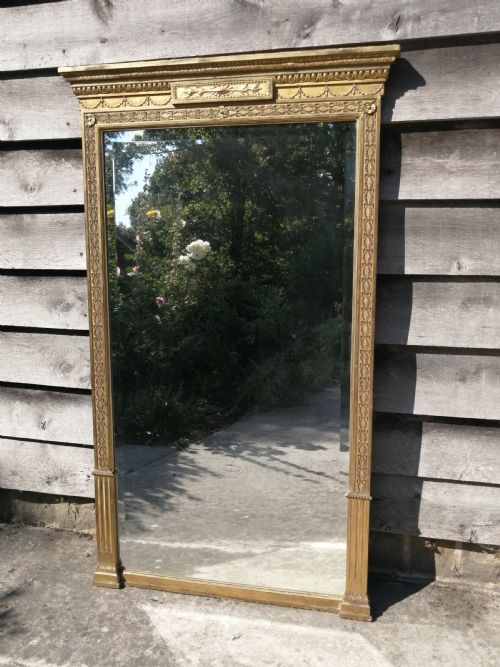
- A tall mirror specifically designed to hang on the wall space between two windows. These pieces often sat above low console tables to maximise interior illumination.
- Fretwork
- Thin wood panels cut with intricate decorative patterns using a fretsaw. This technique defined the lightweight scroll-topped mirrors popular during the mid-eighteenth century.
- Foxing
- The natural ageing process of mirror glass where oxidation creates dark spots and mottling behind the glass plate. Collectors often prize this characteristic as proof of age.
Georgian Carved Mirror Glass: Frequently Asked Questions
How do I identify a genuine period frame?
Examine the construction of the timber backing and the tooling marks left by hand tools on the wooden frame. Older pieces utilise traditional joinery and hand-cut fixings that differ from later revival manufacturing methods.
Look closely at the gesso and gilt layers for signs of natural wear and underlying preparation chalks that indicate age. Original mercury plates often show characteristic edge oxidation and subtle distortion in the reflection.
What is the difference between a pier mirror and an overmantel?
Pier mirrors are tall and narrow, built to hang on the solid wall sections between windows to bounce light back into the room. Overmantel mirrors are wider and horizontal, designed specifically to sit directly above a fireplace mantelpiece.
Overmantels frequently feature grander architectural proportions and trumeau panels, whereas pier mirrors focus on vertical extension to complement tall architectural windows.
Can I hang these heavy mirrors on modern walls?
Solid timber and gesso frames carry substantial weight, particularly large overmantels and giltwood pier glasses. You must locate wall studs or utilise heavy-duty wall anchors rated for the specific weight of the glass and wooden frame.
Professional installation is recommended to distribute the load evenly across the hanging wire and brackets, protecting the antique joints from unnecessary twisting.
Why do some mirror plates look cloudy or spotted?
Cloudiness and spots are the result of foxing, where chemical reactions over generations cause the backing amalgam to oxidise behind the glass. This degradation creates a soft, hazy reflection rather than the crisp mirror image produced by modern float glass.
Many collectors value this effect because it confirms the glass plate is original to the eighteenth or nineteenth-century frame rather than a modern replacement.