

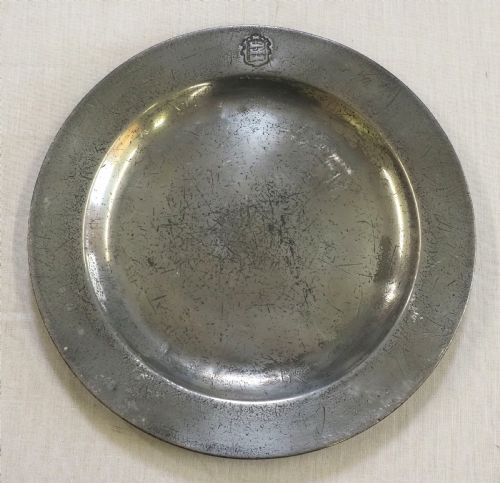


Pewter Serving Dishes
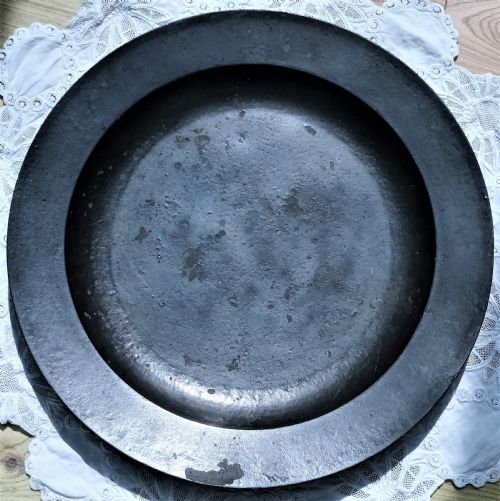
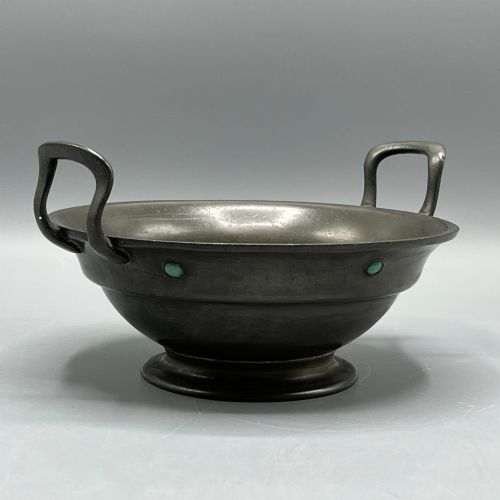
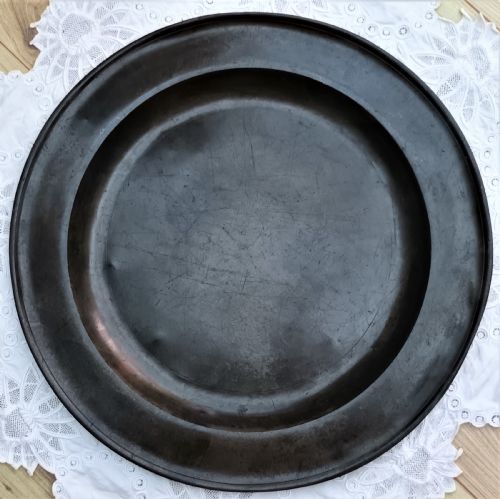
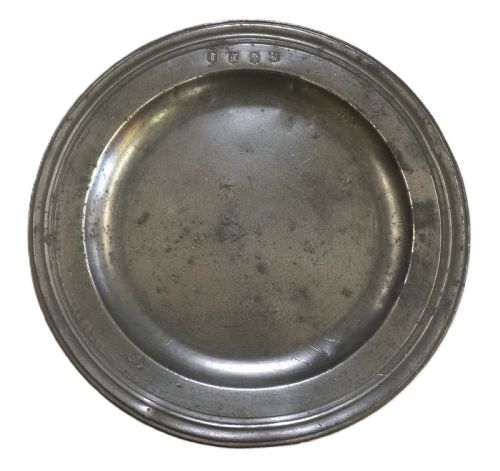
These pewter serving dishes include broad rim chargers and hammered bowls spanning the seventeenth century to the twentieth century.
Pewter Serving Dishes
Pewter serving dishes encompass platters, chargers, plates, and bowls utilised for dining and display across several historical periods. Buyers seeking these items encounter forms ranging from plain rim chargers to triple reeded plates and Arts & Crafts bowls.
Assessing quality
Quality in these items rests upon the crispness of the reeding, the weight of the metal, and the clarity of maker touchmarks. Broad rims with well-defined multiple reeds command attention for their proportions.
The integrity of the surface and the presence of original hammering distinguish superior examples. Pieces bearing verifiable maker attribution or armorial engraving offer additional historical interest.
Pewter Serving Dishes Retail Price Guide 2026
Typical asking prices for pewter serving dishes among the pieces listed under this phrase on Sellingantiques today, from the lower quarter to the upper quarter. They describe what is for sale here now, not the wider market.
Some seventeenth-century dishes carry the weight of centuries alongside personal coats of arms, ready for their next grand feast.
Liberty & Co·John Duncomb·Samuel Smith·Wood & Michell·John Tubb·Thomas Alderson·Thomas Haward·Thomas Powell·Edward Leapidge I·Nehemiah Cloudesley·John Barlow·S Duncomb
The Pewter Serving Dishes Glossary
- Charger
- A large ceremonial or dining plate, often measuring over sixteen inches across. These heavy vessels formed the centrepiece of formal dining tables.
- Reeded
- A decorative moulding consisting of parallel convex strips. Triple reeded rims feature three distinct raised bands.
- Broad rim
- A wide flat border surrounding the central well of a dish. Seventeenth-century examples often display exceptionally wide borders.
- Touchmark
- An official stamp impressed into the metal by a pewterer to denote standard and authorship. These marks assist in identifying the maker and workshop.
- Cabochon
- A polished gemstone set unfacetted into the metalwork. Liberty and Co pieces utilise this decorative element on bowls and sugar basins.
Pewter Serving Dishes: Frequently Asked Questions
How do I identify a seventeenth-century charger?
Seventeenth-century chargers typically feature broad rims and multiple reeded edges. They often display visible hammer marks across the surface.
Makers from this era frequently struck their touchmarks near the rim or inside the well.
What is the difference between a charger and a platter?
Chargers are generally larger, heavier plates designed for formal display or serving multiple portions. Platters share a similar flat or slightly dished form for presenting food.
Both categories appear extensively in Georgian and earlier English pewter.
How should I care for antique pewter?
Pewter requires gentle cleaning with mild soap and warm water, followed by immediate drying with a soft cloth. Avoid abrasive polishes that remove the historic surface patina.
Store pieces in a stable environment away from extreme humidity.
What do touchmarks tell us?
Touchmarks identify the individual pewterer or workshop responsible for the piece. They often include initials, symbols, or town marks.
Referencing these marks allows collectors to date dishes within specific centuries.