



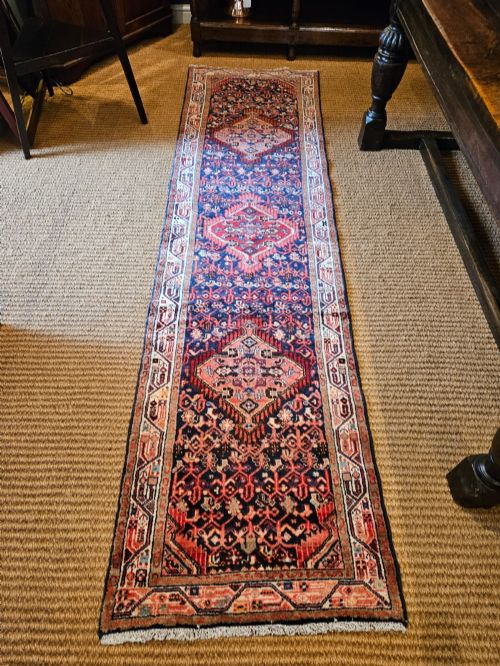
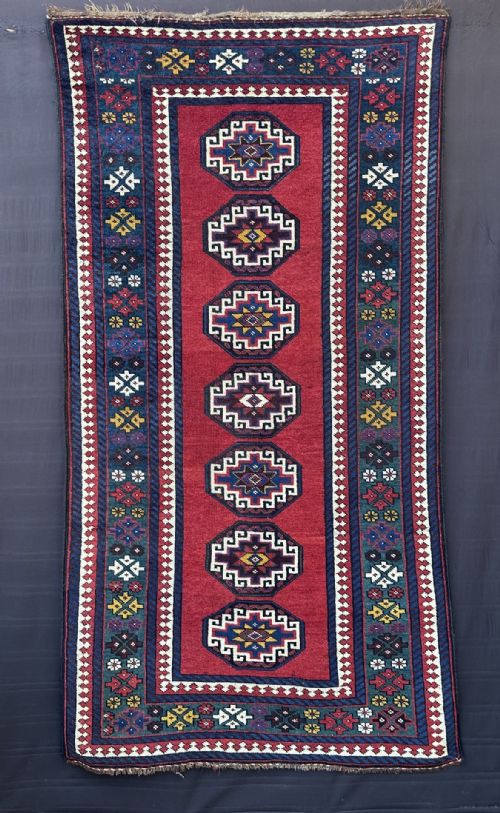
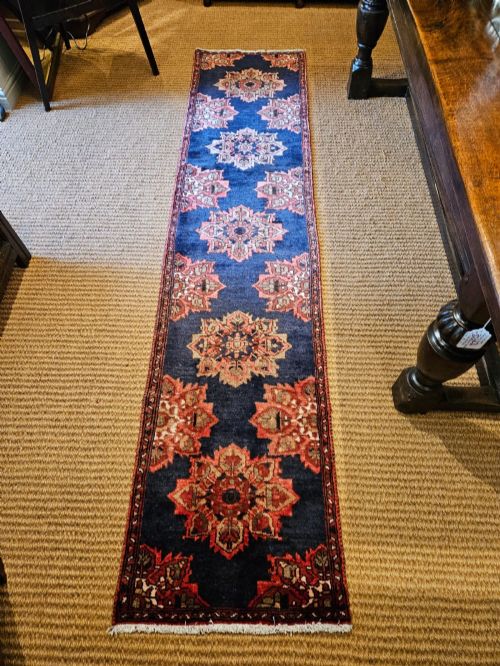
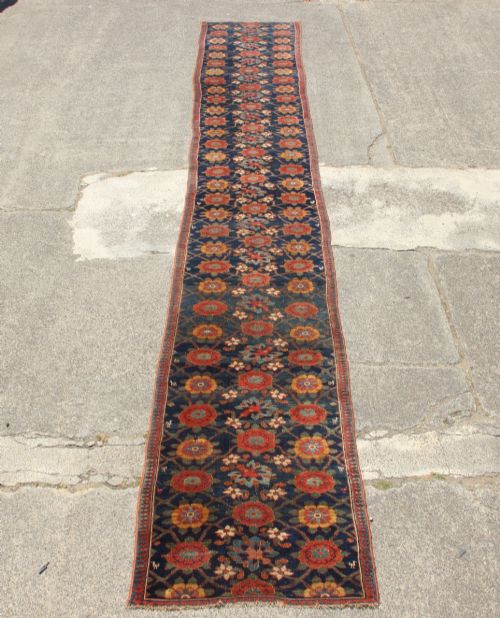
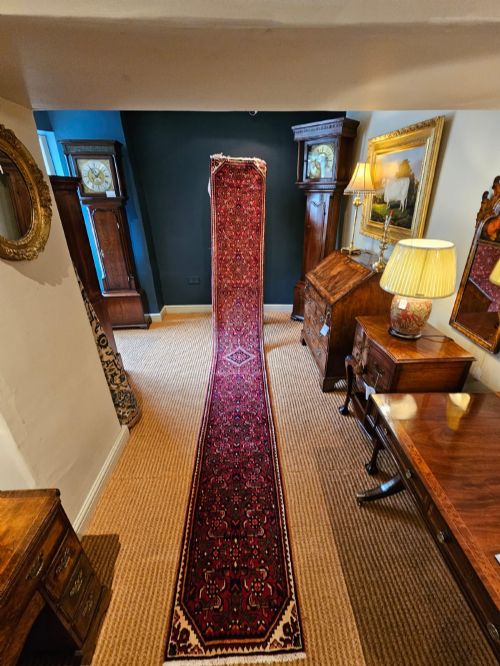
Persian Wool Hallway Runner
A persian wool hallway runner brings lasting character to a corridor with dense handwoven patterns and durable natural fibres.
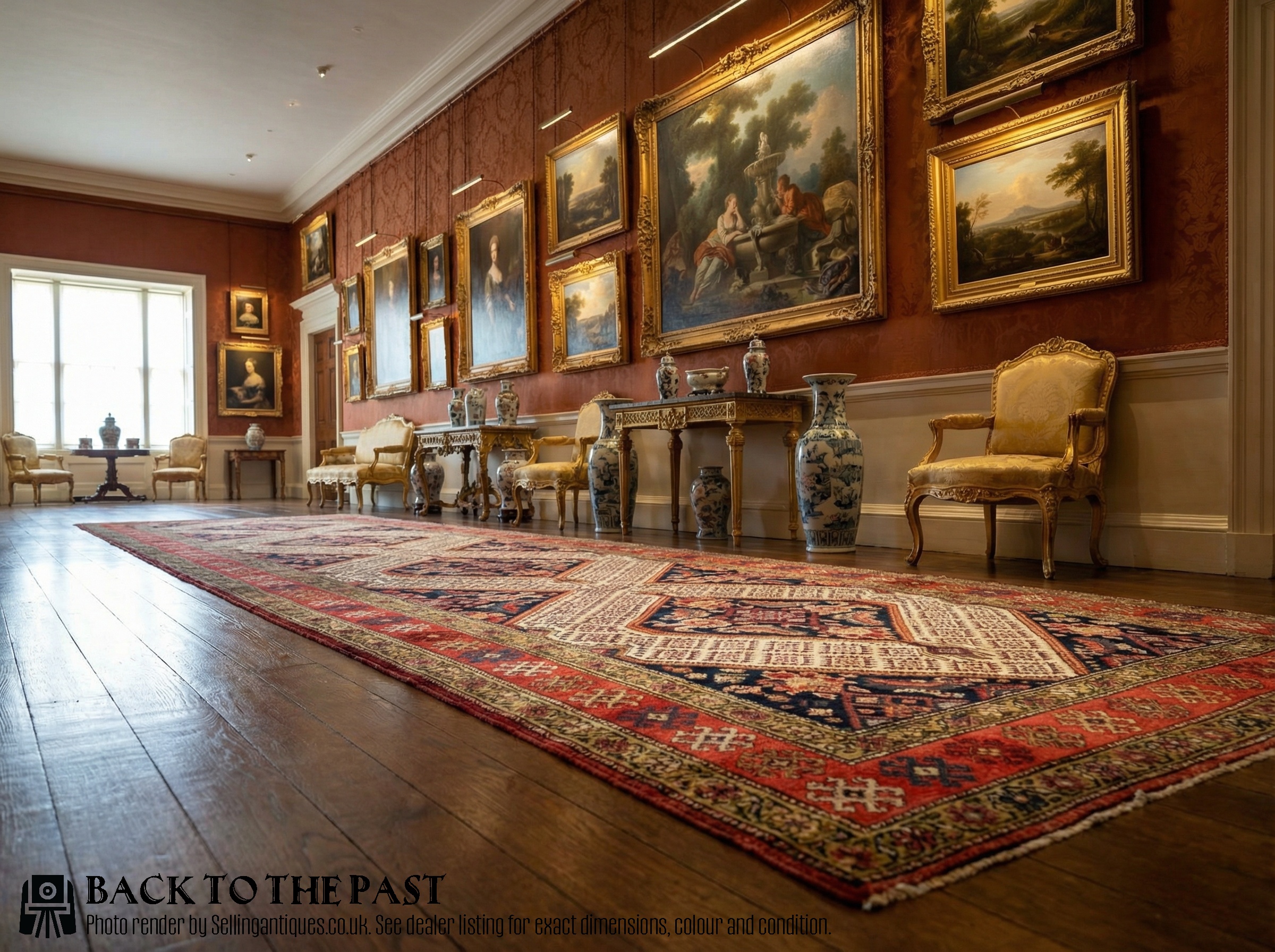
Persian Wool Hallway Runner
A persian wool hallway runner is a long, narrow carpet designed specifically for corridors, landings and high-traffic circulation spaces. These floor coverings bridge utility and decorative regional artistry, offering narrow proportions tailored to domestic walkways.
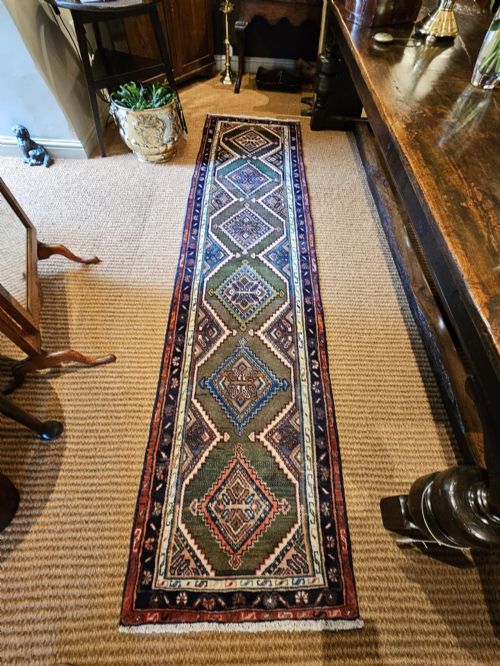
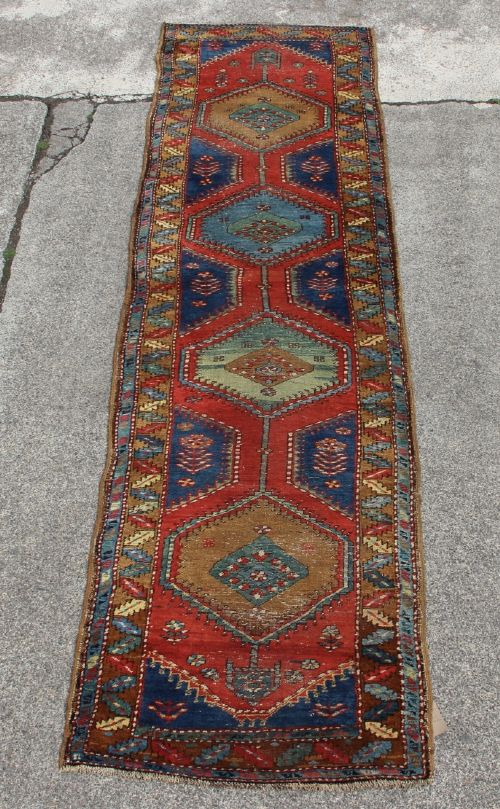
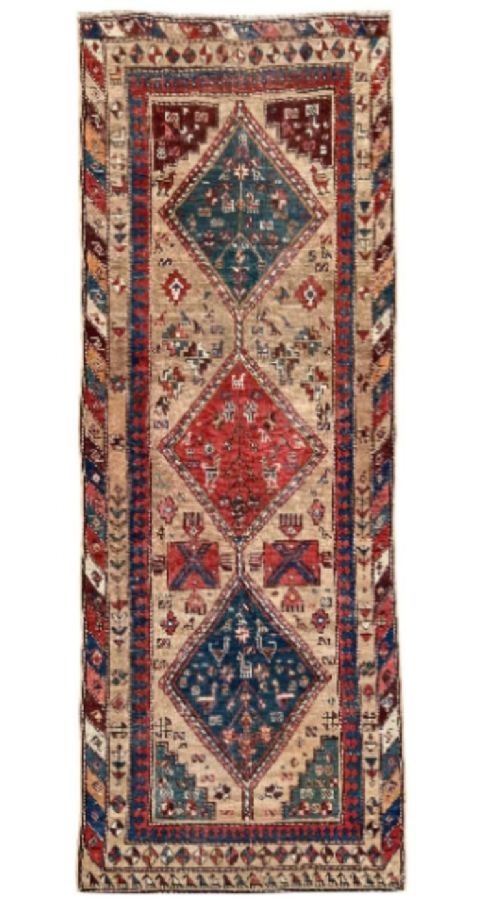
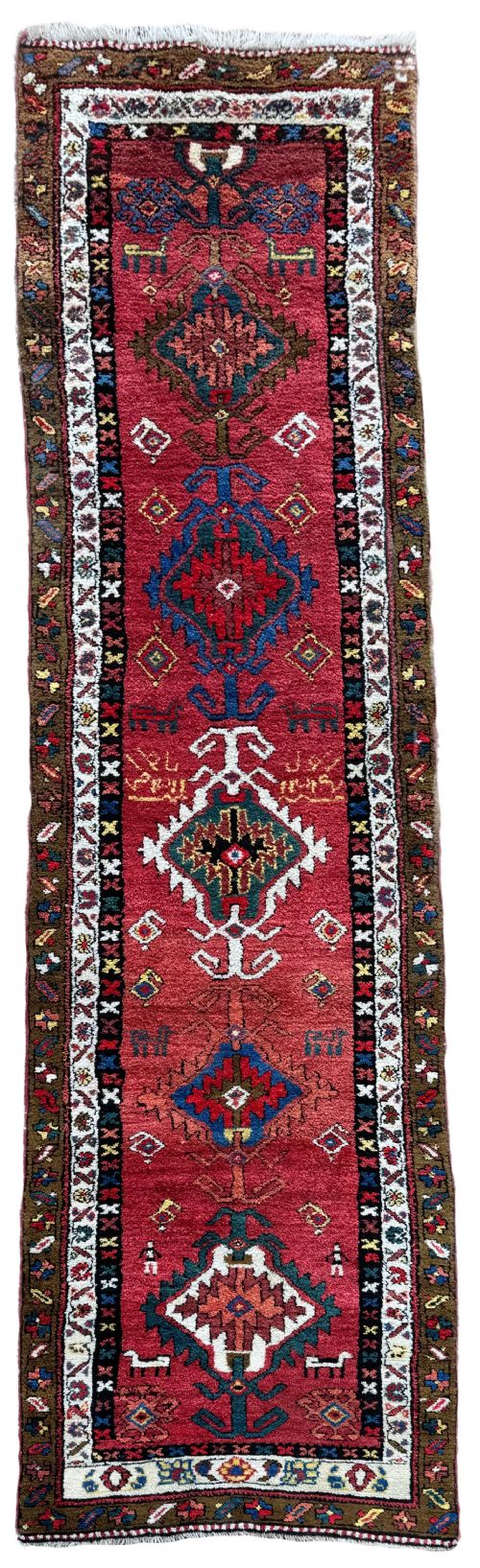
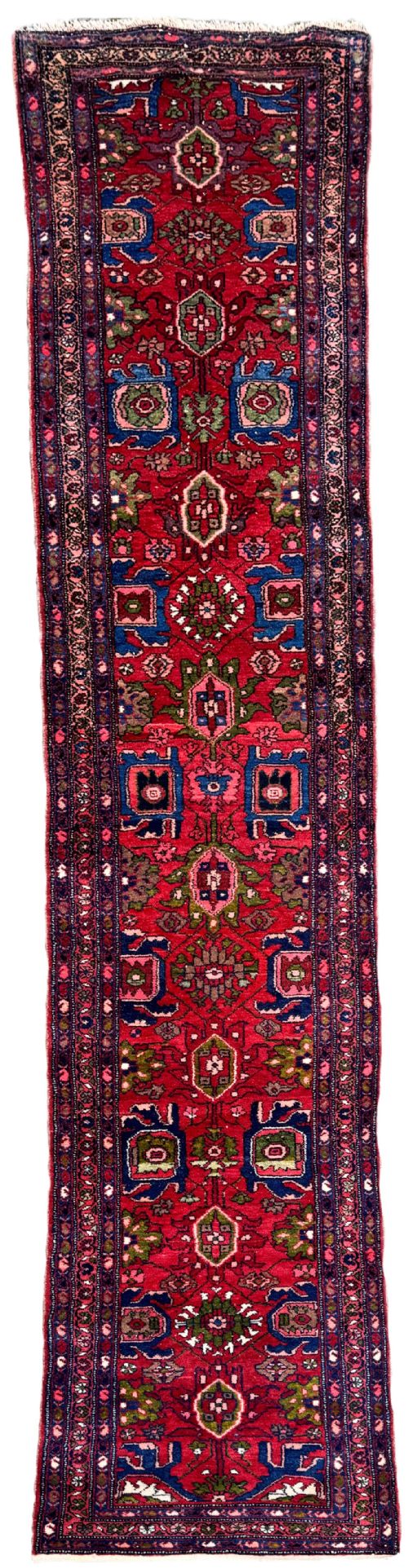
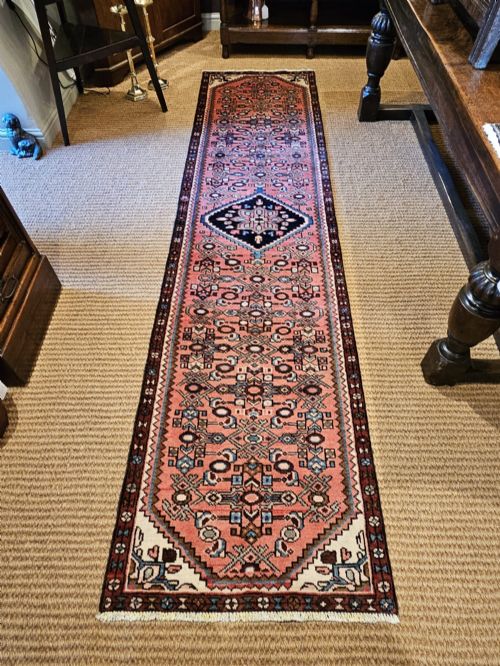
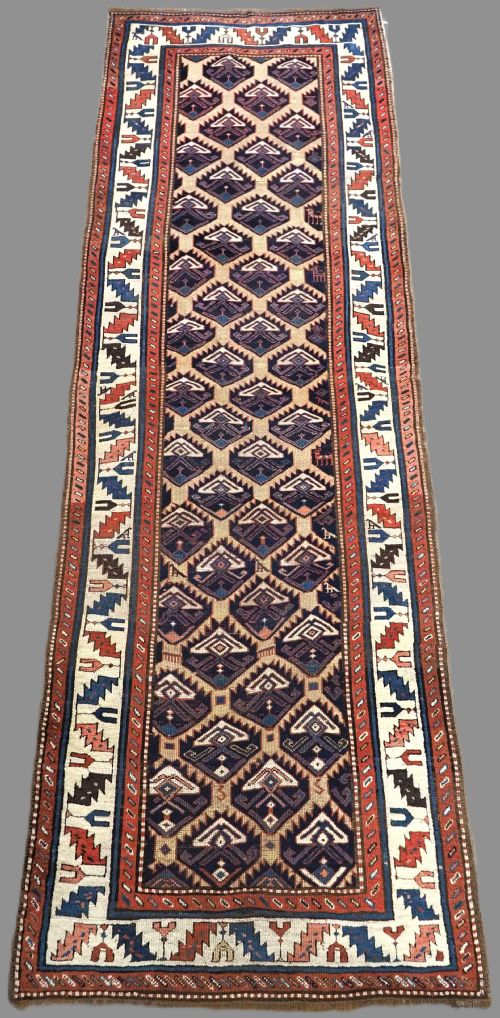
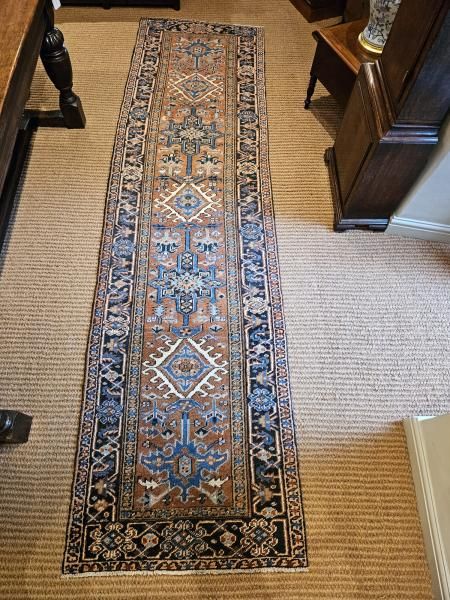
The selections available range from nineteenth-century tribal pieces to early twentieth-century village weaving. Pieces originate from distinct weaving centres and nomadic groups, including Kurdish, Heriz, Hamadan, and Caucasian traditions.
Buyers encounter long formats spanning various lengths, executed in traditional regional palettes dominated by deep indigo blues, olives and rich reds. Each rug reflects the practical needs of domestic hallways combined with local aesthetic heritage.
Materials and construction
These textiles are built upon a sturdy foundation of natural cotton or wool warp and weft threads, providing structural stability for the floor. The visible surface consists of dense hand-knotted pure wool pile, sheared to a resilient depth.
Weavers utilised natural dyestuffs derived from local plants and minerals to colour the wool yarns before knotting individual strands by hand. This traditional method produces rich, saturated tones that mellow gracefully over decades of use.
Listings feature pieces spanning from the nineteenth century through the 1960s, constructed entirely from natural wool and cotton materials.
Distinctions in quality
Quality in these floor coverings rests upon the density of the knotting and the precision of the tribal or traditional design execution. Finer knots permit more intricate geometric or floral detailing and contribute to a tighter, more resilient pile structure.
The integrity of the original wool materials and the uniformity of the narrow weave along the entire length dictate the structural longevity. Pieces that retain their full original outer borders and secure selvedges demonstrate superior preservation.
Kurdish tribal weavers·Heriz village workshops·Hamadan weaving clusters·Shahsavan nomadic groups·Bakshaish district makers
The Persian Wool Hallway Runner Glossary
- Warp
- The vertical foundation threads stretched tightly on the loom before knotting begins. These lengthwise threads support the entire physical structure of the runner.
- Weft
- The horizontal threads passed alternately over and under the warp threads between rows of knots. They bind the rows together and maintain the structural width.
- Pile
- The upright cut ends of the knotted wool yarn that form the usable soft surface of the rug. Its density determines how the runner absorbs foot traffic.
- Selvedge
- The reinforced finishing threads along the outer lengthwise edges of the rug. This edge prevents the side knots from fraying or unravelling.
- Knot
- The individual loops of wool tied manually around the warp threads to create the decorative pile. Different regional traditions employ distinct knot types.
Persian Wool Hallway Runner: Frequently Asked Questions
Are these traditional rugs suitable for heavy daily foot traffic?
Pure wool knotted on a sturdy cotton or wool foundation provides natural resilience and elasticity under regular walking pressure. The lanolin naturally present in older wool helps repel dirt and cushions the fibres against crushing.
Placing an appropriate underlay beneath the runner prevents slipping and cushions the base against hard stone or timber flooring. Routine gentle care ensures these textiles withstand everyday domestic use.
How do I identify different regional weaving styles?
Regional attribution relies upon specific geometric motifs, border arrangements, and characteristic colour combinations unique to particular village or tribal areas. For instance, Heriz designs often feature bold geometric medallions, whereas Kurdish pieces display dense all-over patterns.
Examining the structural handling of the foundation threads and the specific knotting density provides further clues to origin. Comparing pieces side by side reveals the subtle variations in local craftsmanship.
How should I clean and maintain an antique runner?
Regular gentle suction vacuuming without a rotating beater bar removes surface grit from deep within the wool pile. Professional specialist cleaning is recommended periodically to address deeper embedded dust without harming the natural dyes.
Keep the runner away from direct, prolonged sunlight to prevent fading of the natural indigo and madder tones. Rotating the piece occasionally ensures even wear across high-traffic zones.