

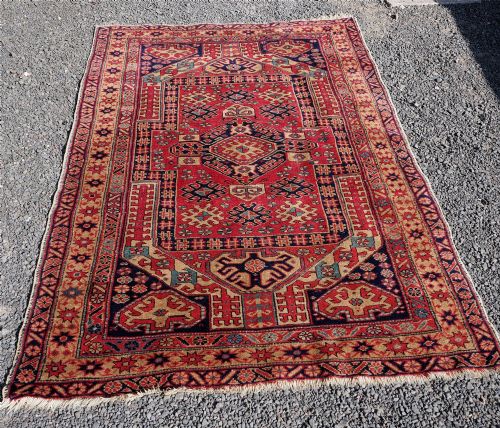
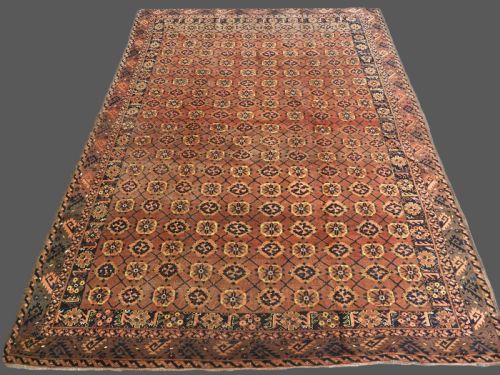
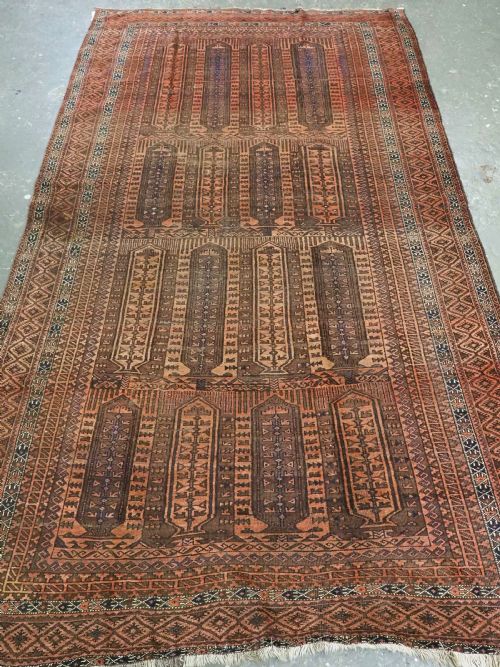
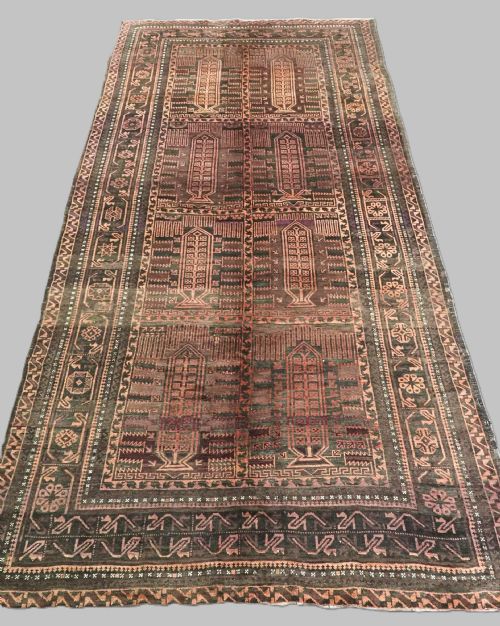


Persian Rug Tribal Design
When you search for a persian rug tribal design, you encounter hand-knotted village and nomad floor coverings woven with geometric motifs.
Persian Rug Tribal Design
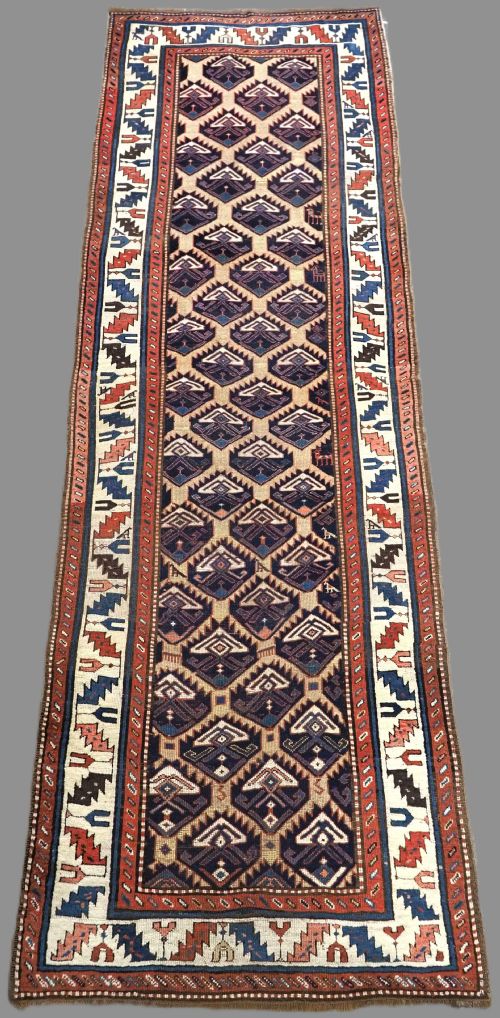
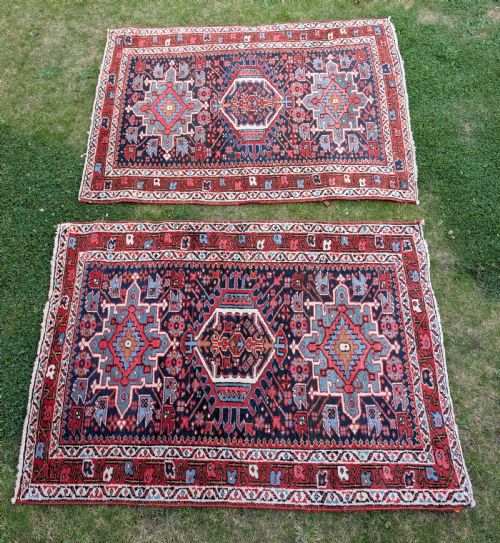
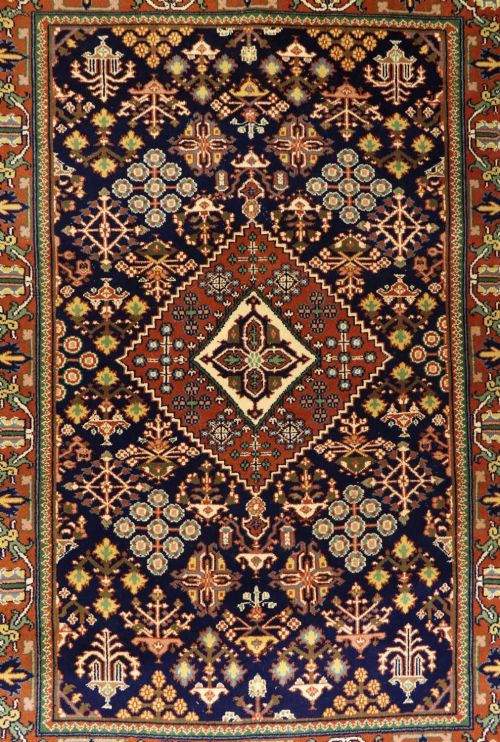
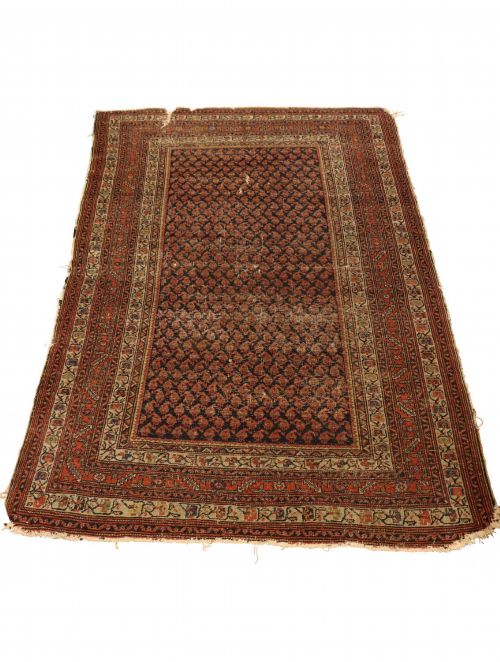
A persian rug tribal design encompasses nomadic and village pieces originating from regions inhabited by groups such as the Baluch, Kurds, Afshar, and Khamseh. These textiles include formats ranging from full-sized carpets and hallway runners to smaller pushtis, saddle bag faces, and kilims. The aesthetic relies heavily on geometric medallions, repeating boteh motifs, lattice frameworks, and stylized animal or plant forms.
Most examples found in this category date from the late nineteenth century up to the mid-twentieth century, specifically spanning periods from the 1870s through to the 1960s. Village weavers and nomadic groups produced these items primarily for domestic utility, such as floor insulation, bedding, or storage, rather than for commercial export markets. Consequently, each piece reflects the specific cultural iconography and traditional weaving patterns of the particular tribe or clan that made it.
Materials and Construction Techniques
The construction of these textiles relies predominantly on wool for the pile and foundation, frequently supported by cotton or goat hair warps and wefts. Weavers often utilised hand-spun wool, which absorbs dye unevenly and creates a varied, textured surface over time. Camel hair also appears in the foundations and piles of specific regional pieces, providing a durable and naturally undyed brown tone.
Colour comes from natural and vegetable dyes, yielding deep indigo blues, madder reds, warm yellows, and ivory grounds. Weavers knotted the wool by hand onto vertical or horizontal looms, applying techniques such as soumak or flatweave structures for bags and kilims. The combination of hand-spun materials and natural dye recipes results in the rich, saturated palette characteristic of these older village items.
Persian Rug Tribal Design Retail Price Guide 2026
Typical asking prices for persian rug tribal design among the pieces listed under this phrase on Sellingantiques today, from the lower quarter to the upper quarter. They describe what is for sale here now, not the wider market.
Listings feature pieces dated from the 1870s through the 1960s, constructed with wool, cotton, camel hair, and goat hair.
Assessing Weaving Quality
Quality in these textiles depends heavily on the fineness of the knotting and the handling of the wool. Tighter knots allow intricate geometric details, such as lattice work or shrub patterns, to remain crisp and distinct. The consistency of the hand-spun wool and the depth achieved by natural dyes also separate standard utility items from finer examples.
The integrity of the original edges, known as selvedges, and complete ends contribute significantly to the standing of a piece. Items retaining their original backings, structural side cords, and complete borders show superior preservation. Furthermore, the clarity and balance of the tribal design layout reflect the weaver's skill within their regional tradition.
The Persian Rug Tribal Design Glossary
- Boteh
- A stylised almond or paisley motif representing a floral shoot or cypress tree. It appears frequently in repeating fields across Baluch and Afshar pieces.
- Kelim
- A flatwoven textile produced without a pile by tightly interweaving warp and weft threads. These serve as lightweight coverings or functional storage structures.
- Pushti
- A small mat or rug designed for sitting upon or placing on furniture rather than covering a large floor area. These smaller formats often display concentrated geometric medallions.
- Medallion
- A central ornamental design motif placed in the middle of the rug field. Tribal examples typically render these shapes in stepped, hooked, or polygonal geometries.
- Mina Khani
- An all-over repeating pattern composed of daisy-like flowers linked by a delicate lattice network. This design occurs frequently in Khorasan regional weaving.
Persian Rug Tribal Design: Frequently Asked Questions
How do I care for an old tribal rug?
Vacuum gently without using a beater bar to protect the wool pile and hand-spun foundations. Professional cleaning tailored for antique textiles ensures natural dyes do not bleed.
Keep the piece out of direct sunlight to prevent fading of natural madder reds and indigo blues. Rotating the textile occasionally ensures even wear across high-traffic areas.
Were these pieces made for everyday use?
Nomadic and village weavers produced these textiles primarily for practical domestic functions within their communities. They served as floor coverings, sleeping mats, and heavy storage bags for transport.
Because they were built to withstand daily nomadic life, the wool and goat hair construction remains remarkably durable. This functional origin accounts for the frequent survival of robust utility formats.
How do I identify the tribe that made a rug?
Attribution relies on specific structural traits, palette choices, and iconographic details unique to particular groups. For instance, specific border motifs and camel hair grounds often point towards Baluch or Khorasan origins.
Comparing knotting direction, end finishes, and secondary colours helps narrow down whether a piece originates from Afshar, Kurdish, or Turkmen weavers.
What does a saddle bag face represent?
Saddle bag faces are the surviving panels of larger paired utility bags used by nomads for packing belongings on animals. Weavers decorated these specific sections with concentrated tribal designs while the hidden backs utilised plain weaves.
Collectors prize these panels as compact examples of village artistry and weaving capability. They often display complete primary medallions and intricate border work within a small format.