





Persian Nomad Weaving
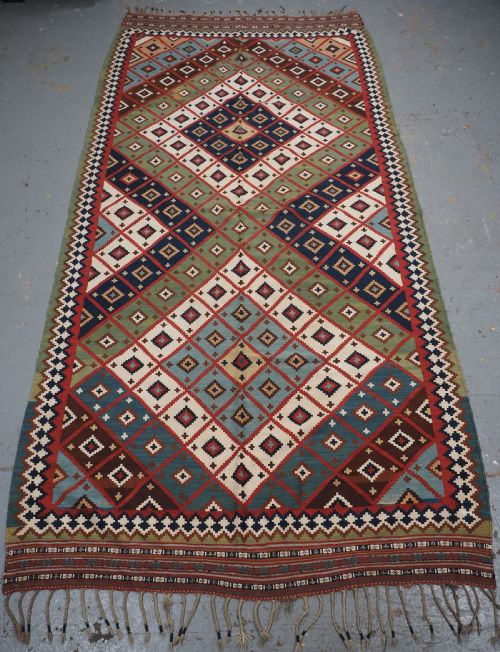
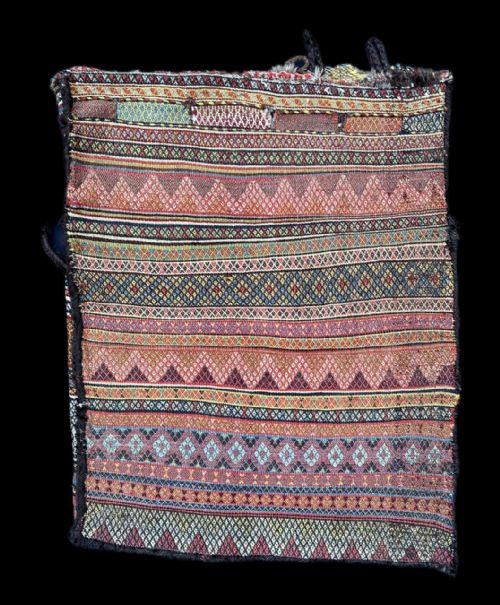
These pieces of persian nomad weaving are authentic tribal textiles and rugs carrying the rich designs of nineteenth and early twentieth century nomadic makers.
Persian Nomad Weaving
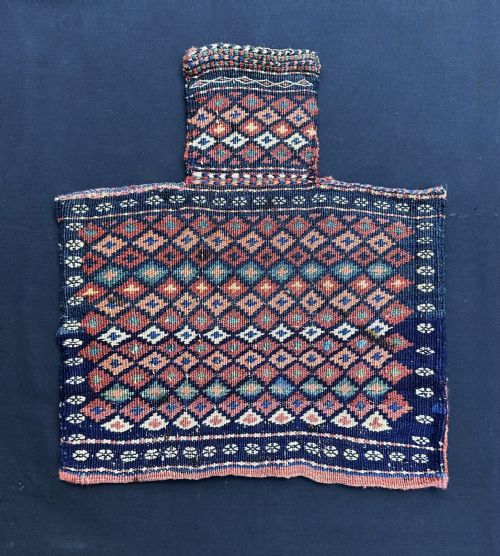
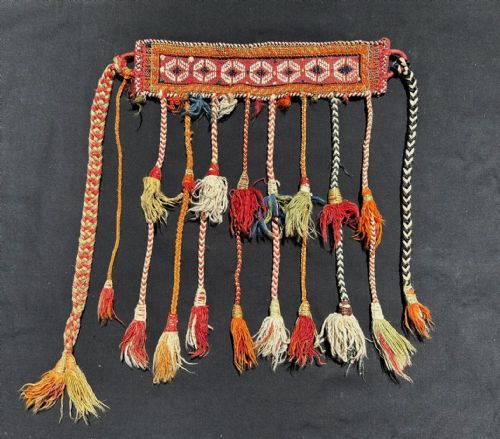
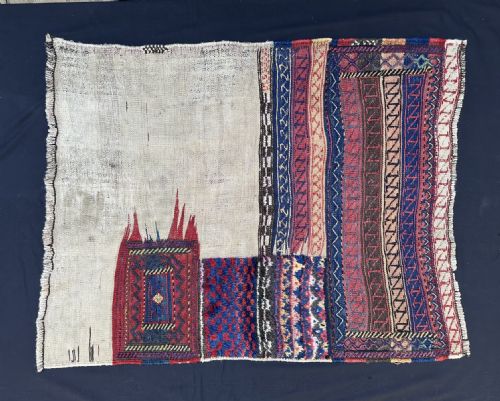
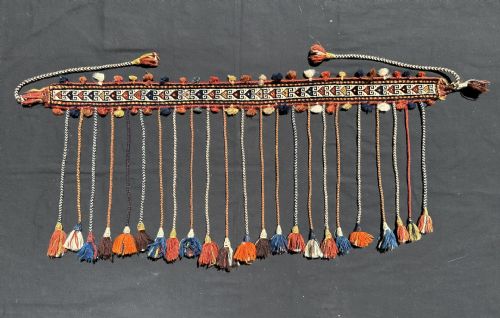
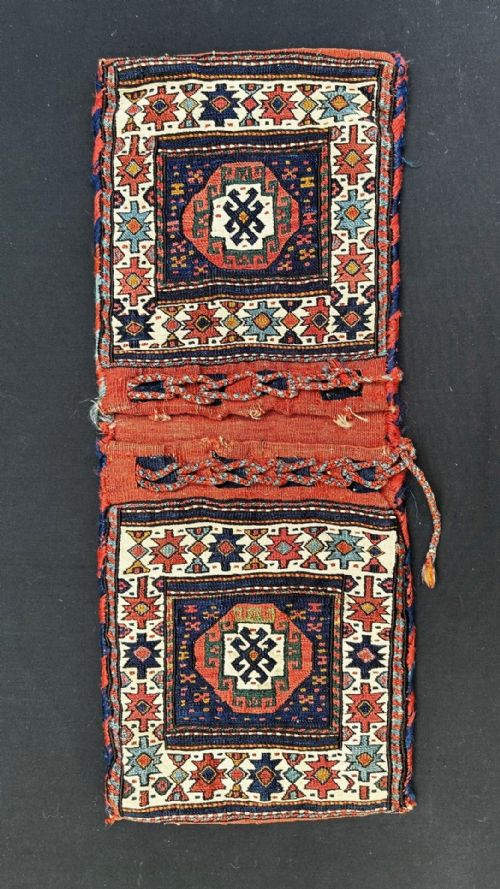
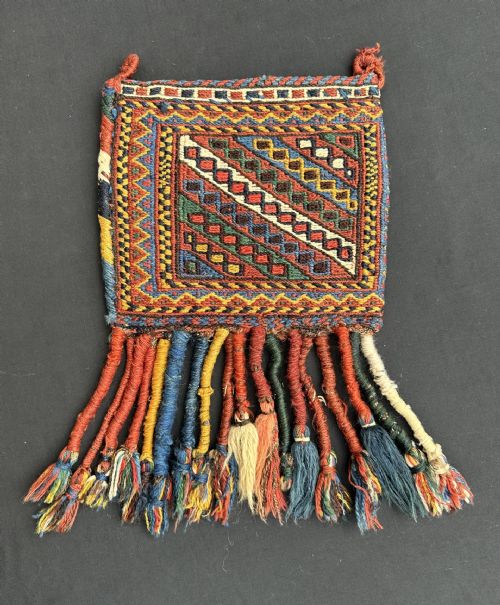
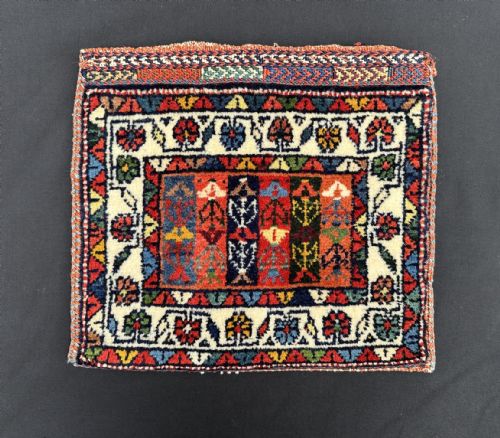
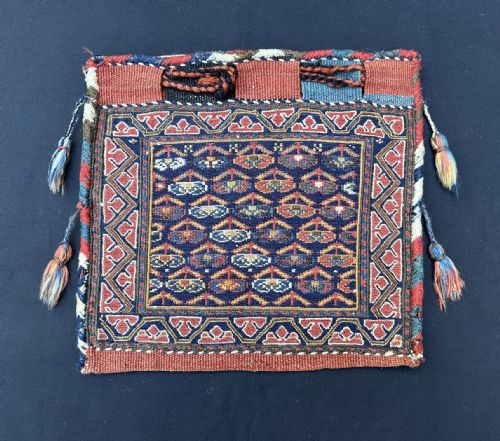
When you examine persian nomad weaving, you encounter functional objects created by distinct regional groups such as the Afshar, Qashqa'i, Lori-Bakhtiari, and Shahsevan tribes. These pieces include utilitarian items like salt bags, vanity bags, horse decorations, bread sofrehs, kilims, and rugs from provinces spanning Kerman, Fars, and Western Persia.
The version you are most likely to meet on this page is a nineteenth or early twentieth century utilitarian woven bag face or rug originating from southern or western Persian tribal territories. Such items served practical domestic and nomadic purposes while displaying traditional tribal iconography.
What varies in quality
The distinction in quality rests upon the fineness of the weave, the clarity of the tribal motifs, and the richness of the natural dye palette. Pieces executed with tight knotting and precise geometric or pictorial execution occupy the upper tier of the range.
Structural integrity also dictates quality, with intact original borders, sound wool condition, and well-preserved decorative elements such as cowrie shells or soumak work elevating the status of a textile.
Persian Nomad Weaving Retail Price Guide 2026
Typical asking prices for persian nomad weaving among the pieces listed under this phrase on Sellingantiques today, from the lower quarter to the upper quarter. They describe what is for sale here now, not the wider market.
The listings span from eighteen-sixty to nineteen-twenty, featuring natural dyes, wool, cotton, goat hair, and cowrie shells across tribal textile forms.
The Persian Nomad Weaving Glossary
- Namakdan
- A traditional salt bag woven by nomadic tribes to store rock salt for their animals. These small utilitarian containers often feature intricate geometric designs.
- Sofreh
- A flat-woven spread or cloth used for eating bread or rolling dough. They display striking tribal patterns adapted for daily domestic use.
- Soumak
- A flat-weave technique where decorative pattern threads are wrapped over the warp threads before moving across. This method creates a durable, textured surface resembling embroidery.
- Kilim
- A tapestry-woven carpet or rug produced without a pile. These pieces rely entirely on the interweaving of warp and weft threads to form flat geometric designs.
- Khorjin
- A pair of saddlebags designed for transport on animals. Surviving examples are frequently separated into individual bag faces.
Persian Nomad Weaving: Frequently Asked Questions
What is persian nomad weaving?
These items are functional textiles, rugs, and storage bags created by tribal groups moving across regions of Persia. They reflect the utilitarian needs and cultural iconography of makers from the nineteenth and early twentieth centuries.
Nomads produced these woven pieces for daily survival, utilising local materials and traditional geometric designs passed down through specific tribes like the Afshar and Qashqa'i.
How were these woven items used?
Nomadic families utilised these textiles for practical storage, animal transport, and domestic life. Salt bags held mineral blocks, while larger bags stored grain or personal possessions.
Items like horse blankets, bread sofrehs, and saddlebag faces served immediate functional roles within pastoral camps before surviving as collectible examples of tribal art.
How do I live with antique tribal rugs?
Tribal rugs and flat-weaves adapt well to diverse interior settings when placed in low-to-medium traffic areas. Their robust wool construction handles gentle daily use effectively.
Protecting these textiles from prolonged direct sunlight preserves the natural dyes. Using a quality underlay prevents slipping and cushions the historic foundation.
How can I tell different tribal styles apart?
Distinct regional aesthetics separate groups like the Afshar, Qashqai, and Shahsevan through specific colour combinations, structural formats, and motif choices. Afshar pieces frequently feature repeating boteh or bird designs from Kerman.
Qashqai weavings often employ rich madder reds, deep blues, and medallion layouts characteristic of Fars province. Examining the specific knotting, border arrangements, and end finishes clarifies tribal origin.