



Persian Nomad Rug
When you handle a persian nomad rug, you hold centuries of tribal weaving traditions shaped by pastoral life across Iran.
Persian Nomad Rug
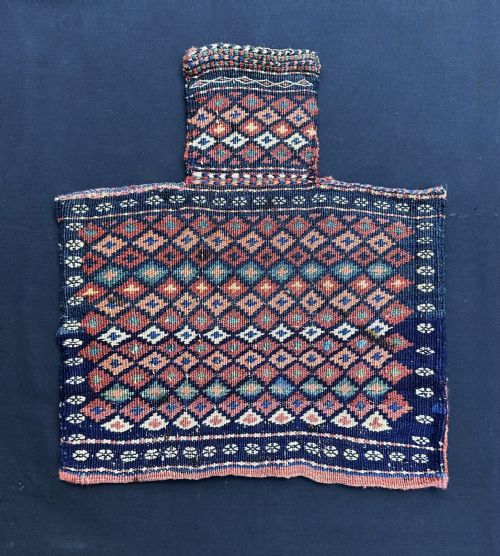
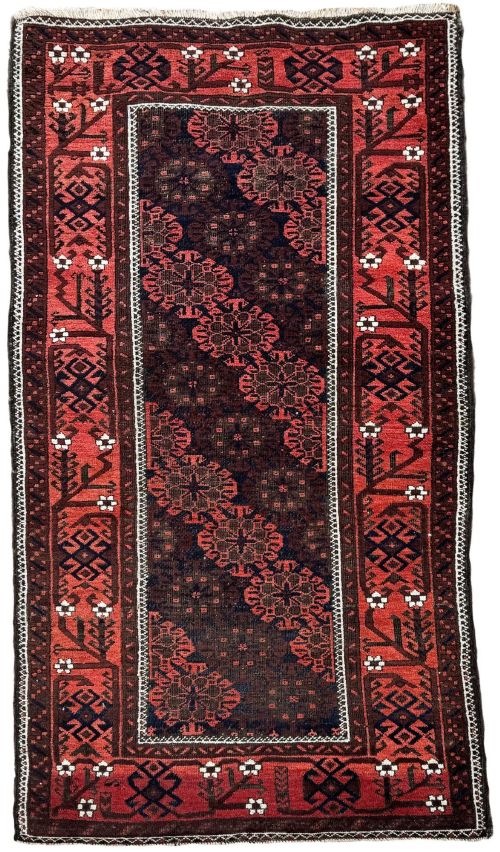
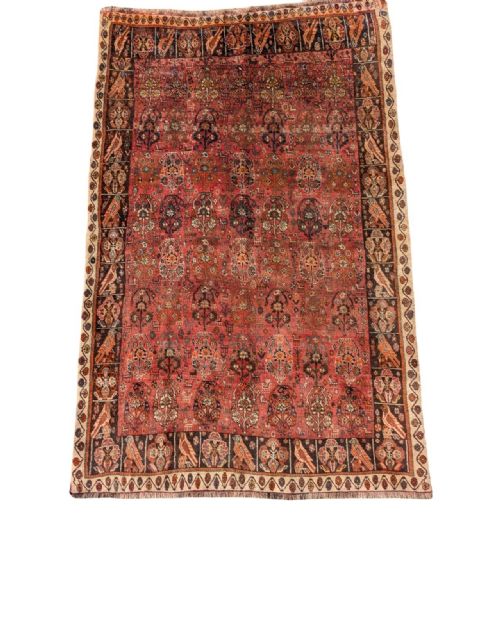
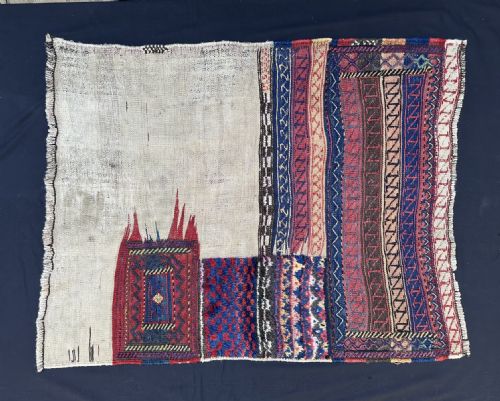
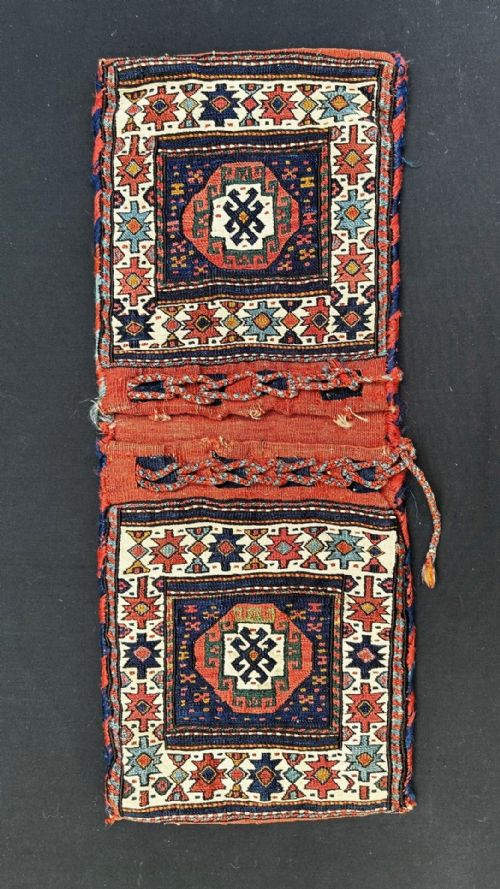
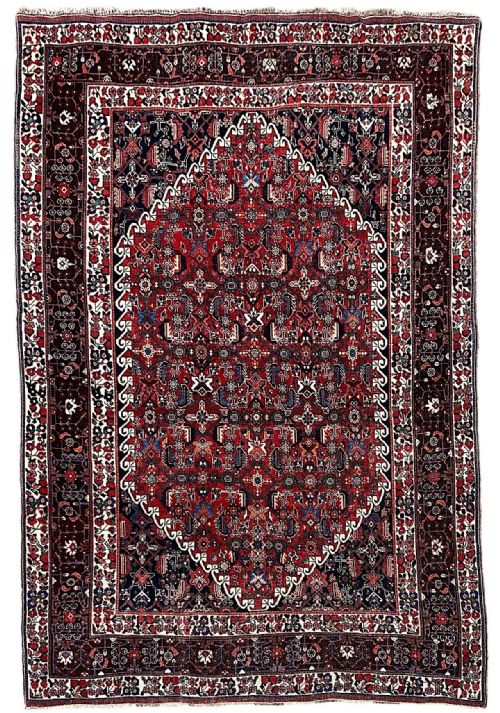
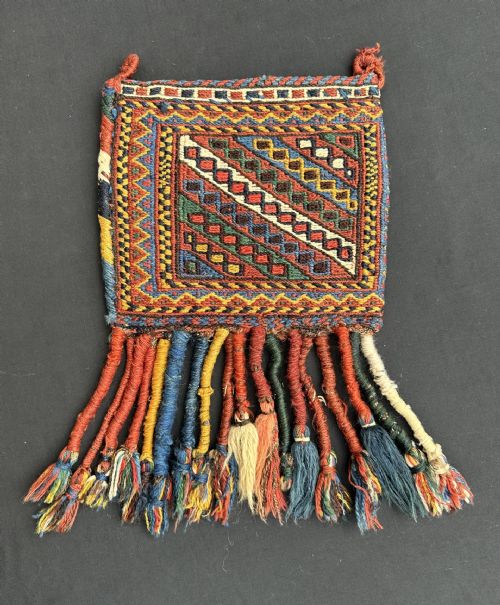
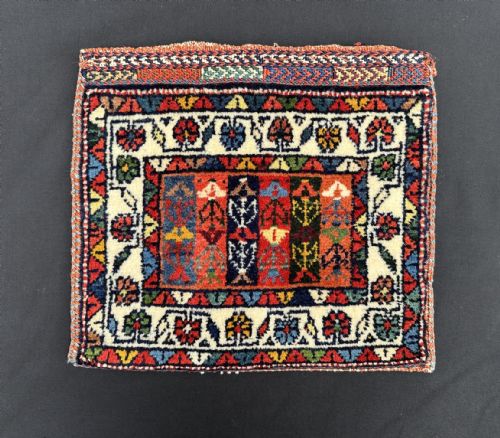
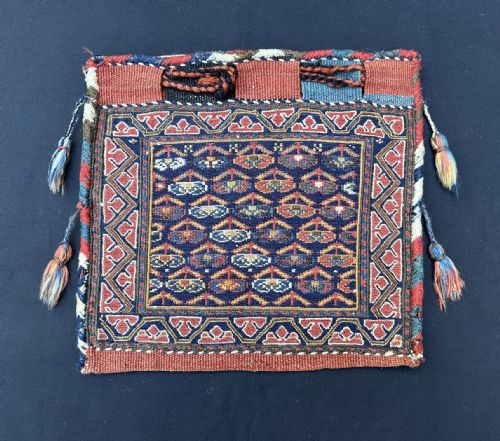
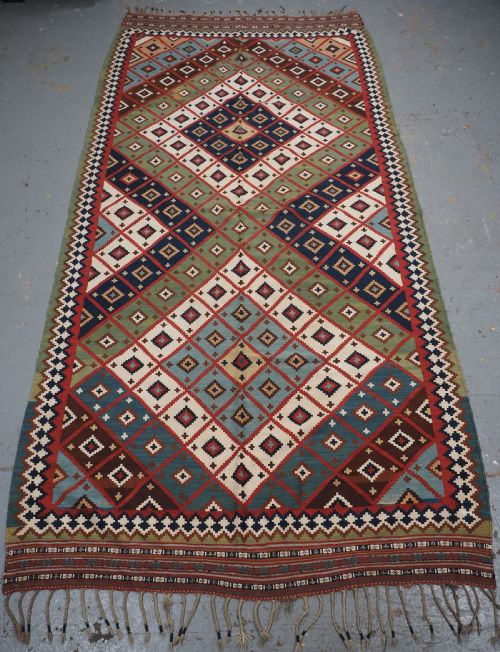
A persian nomad rug represents the utilitarian and decorative output of various tribal confederations such as the Qashqai, Afshar, Shahsevan, Baluch, and Lori-Bakhtiari. These pieces encompass flat-woven kilims, pile carpets, horse coverlets, and functional storage containers including salt bags, bread sofreh, and saddlebags.
The objects originate from distinct geographical regions ranging from the Kerman province in the south to the mountains of western Persia and the steppes of Azerbaijan. Pieces date primarily from the nineteenth and early twentieth centuries, reflecting the material culture of mobile communities.
Buyers encounter a high proportion of smaller utilitarian bag faces and long rugs rather than room-sized carpets. This reflects the portable nature of tribal weaving, where weavers created items suited for transport on pack animals.
Materials and construction methods
Weavers relied on locally sourced wool, hand-spun wool, cotton, and occasional goat hair to provide structural durability and pile warmth. Certain pieces incorporate natural dyes alongside specific embellishments like cowrie shells.
Techniques varied between pile weaving and flat-weave soumak work or kilim construction. The resulting textiles display dense knotting and structural integrity designed to withstand rigorous daily use in nomadic camps.
Persian Nomad Rug Retail Price Guide 2026
Typical asking prices for persian nomad rug among the pieces listed under this phrase on Sellingantiques today, from the lower quarter to the upper quarter. They describe what is for sale here now, not the wider market.
Current listings feature nineteenth and early twentieth century wool and cotton pieces created by Afshar, Qashqai, Shahsevan, Baluch, and Lori-Bakhtiari nomads.
Distinctions in quality and execution
Quality rests in the fineness of the spin, the saturation and consistency of natural dye palettes, and the complexity of the tribal iconography. Tightly compacted pile and precise geometric or figurative execution elevate individual examples.
The integrity of original edges, complete formats in utilitarian bags, and the clarity of regional designs determine the standing of each textile within its specific tribal group.
The Persian Nomad Rug Glossary
- Sofreh
- A flat-woven cloth used primarily for kneading bread or serving meals within the tent. These textiles often feature bold compartmental designs.
- Soumak
- A wrapping technique producing a sturdy structure where coloured weft threads wrap over the warp threads without cutting, creating a braided surface effect.
- Khorjin
- A paired saddlebag designed for transport on horses, donkeys, or camels. Surviving fragments often display only the decorative face of the bag.
- Namakdan
- A specialised narrow-necked container woven to store rock salt for livestock. These pieces typically exhibit concentrated geometric patterns.
- Kilim
- A tapestry-woven carpet or flat-weave textile lacking pile. The technique produces crisp geometric motifs visible on both sides of the fabric.
Persian Nomad Rug: Frequently Asked Questions
How were nomad rugs used?
Nomadic groups utilised these textiles for daily survival and camp furnishings rather than static floor decoration. Items functioned as grain sacks, salt containers, sleeping blankets, horse covers, and bread-making surfaces.
Because households moved seasonally, every woven piece needed to serve a practical purpose while expressing tribal identity through traditional symbols and regional motifs.
How do I identify different tribal styles?
Distinct regional patterns and colour palettes separate groups like the Afshar, Qashqai, and Shahsevan. Afshar pieces frequently feature repeating vase or floral motifs within structured fields, while Shahsevan works often display intricate soumak panels.
Examining the structural materials, such as the use of goat hair in selvages or specific knotting density, further clarifies the likely weaving origin.
Where were these textiles woven?
Weaving took place across diverse landscapes of Persia, from the southern steppes of Fars and Kerman to the western mountains of Luristan and Azerbaijan. Different tribal confederations occupied specific grazing territories and trade routes.
Local access to specific vegetation for natural dyes and regional wool characteristics heavily influenced the visual output of each tribal group.
How should I care for an antique rug?
Protect antique wool textiles by avoiding direct, prolonged sunlight that can fade natural dyes. Regular gentle vacuuming without a rotating power brush prevents dust accumulation within the pile.
Allowing air circulation underneath the textile and consulting a specialist in antique oriental carpets for professional cleaning ensures long-term preservation.