


Persian Kerman Area Rug
A persian kerman area rug brings enduring craft and intricate floral patterns to a room, offering both history and texture underfoot.
Persian Kerman Area Rug
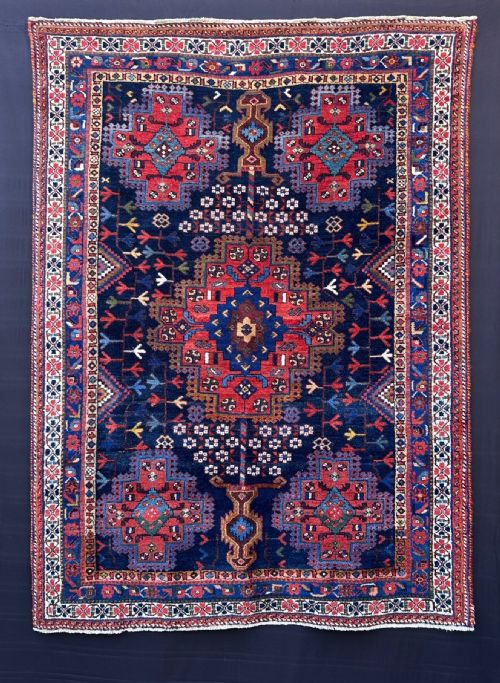
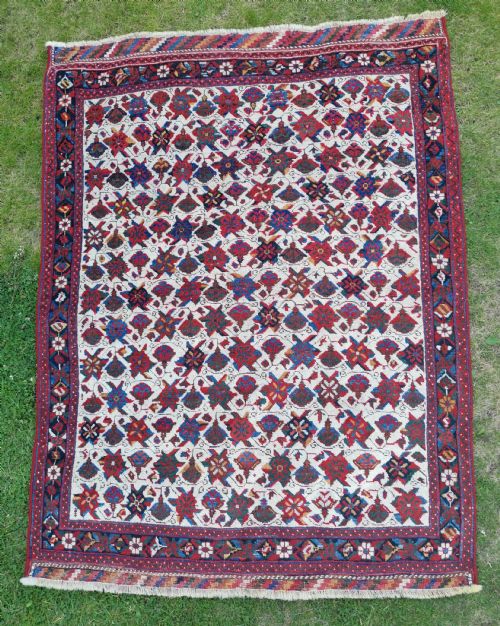
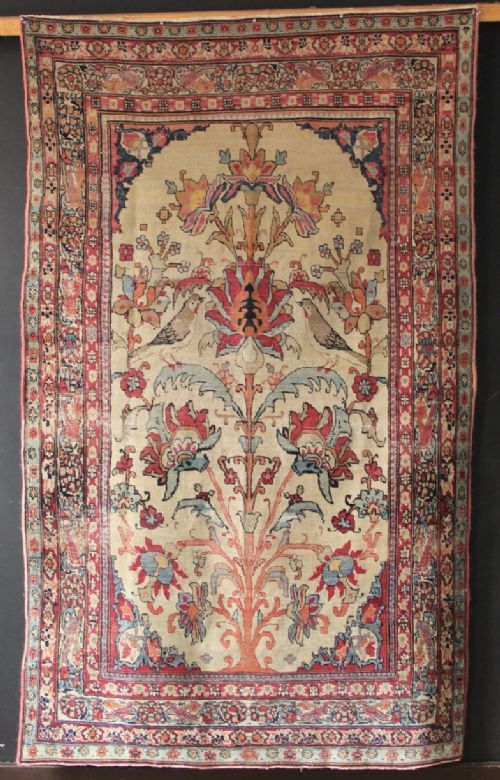
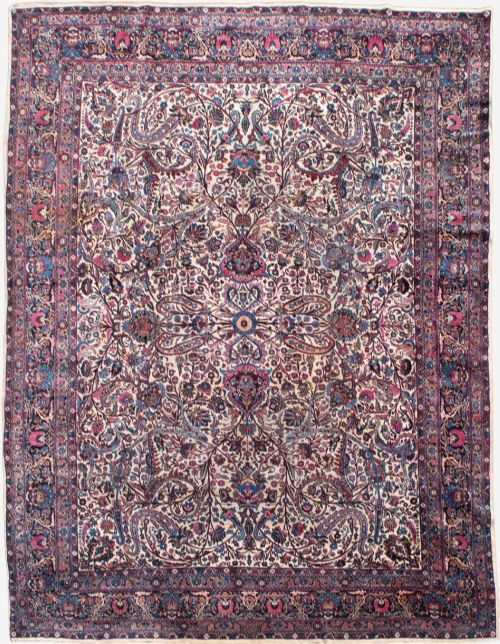
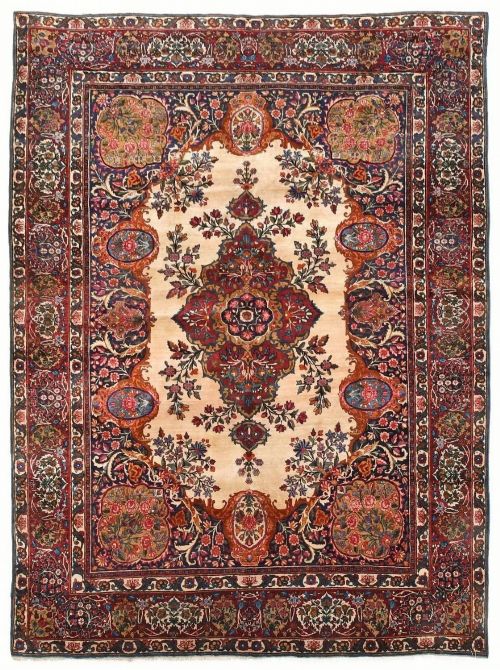
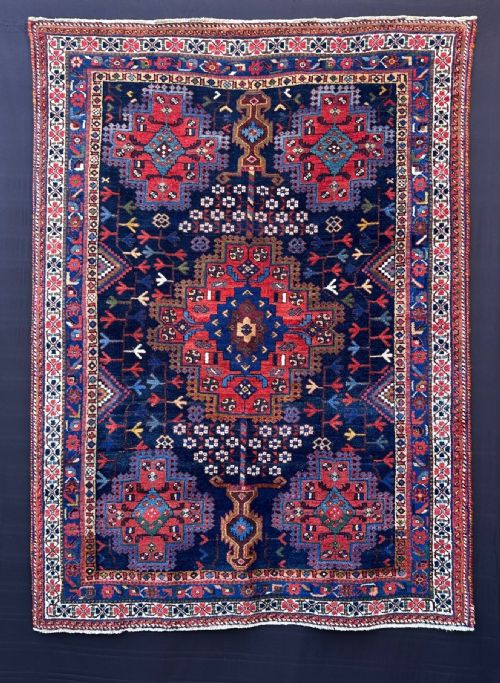
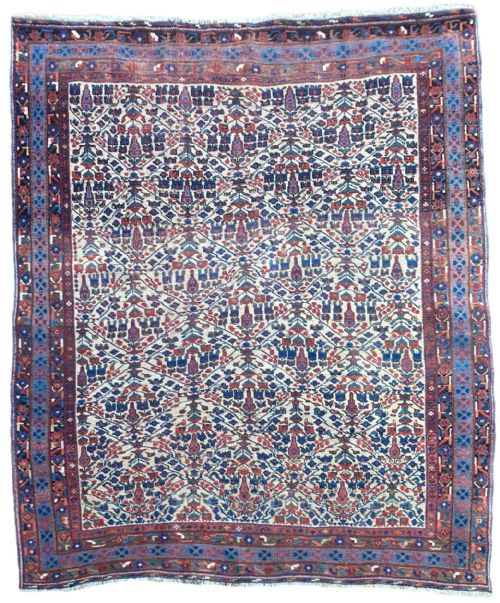
A persian kerman area rug encompasses woven floor coverings originating from the Kerman province in Persia, spanning production from the late nineteenth century into the mid-twentieth century. Buyers encounter both room-size carpets and smaller tribal formats, including works woven by Afshar nomads in the wider region.
The selection here ranges from large carpets measuring over six metres to small hearth rugs, featuring traditional Persian styles as well as specific regional subclassifications such as Kirman Lavar and Afshar tribal pieces. These textiles represent generations of weaving heritage from southern Persia.
How they were made
Weavers utilised wool for the pile, providing resilience and warmth, while employing cotton for the foundational warps and wefts that structure each rug. This combination allowed workshops and nomadic groups to achieve both fine knot densities and structural stability.
Traditional hand-knotting techniques enabled complex repeat floral designs and medallion layouts. Natural and early aniline dyeing methods produced the characteristic palette found across these carpets and rugs.
Several bread sofreh textiles survive simply because nomads used them to wrap dough, inadvertently preserving decades of tribal handiwork.
What varies in quality
The distinction between standard village output and exceptional workshop production lies in the fineness of the knotting and the complexity of the design. Dense foundations permit sharper rendering of floral motifs and boteh patterns.
Material selection and handling of wool grade also separate everyday examples from finer pieces. Uniformity in pile height and the precision of the dyed palette contribute to the overall visual integrity of the weaving.
The Persian Kerman Area Rug Glossary
- Boteh
- A stylised almond or pear-shaped motif representing a floral sprout or cypress tree. This ancient design appears frequently in repeat patterns across Persian carpets.
- Lavart
- A term associated with specific fine Kerman weaving, denoting exceptional density and delicate floral detailing. These pieces often command particular attention from collectors.
- Sofreh
- A flatwoven textile used traditionally for eating, food preparation or serving bread among nomadic groups. Afshar examples display distinctive tribal iconography.
- Soumak
- A flatweave technique utilising wrapping threads over the warp to create a durable structure without a cut pile. This method produces a textured surface distinct from standard knotted rugs.
- Warp
- The stationary vertical strings stretched on the loom that form the skeleton of the rug. Weft threads are inserted across these warps to secure the knots.
Persian Kerman Area Rug: Frequently Asked Questions
How do I clean an old carpet?
Regular gentle vacuuming without a beater bar removes surface dust and protects the wool pile from abrasive grit. Professional textile cleaning is necessary for deep washing to prevent dye migration.
Water accumulation and harsh chemical detergents cause permanent damage to natural fibres and foundational cotton. Specialist rug conservators provide the appropriate maintenance for antique room-size carpets.
Where were these rugs made?
Production centres include the city of Kerman and the surrounding province in southern Persia. Many pieces originate from regional nomadic groups such as the Afshar tribes working in areas like Neiriz.
Different districts within the province developed distinct visual vocabularies, ranging from urban workshop floral compositions to geometric tribal layouts.
Can I use a large carpet in a hallway?
Room-size and oversized carpets suit principal living spaces or dining areas where floor dimensions accommodate the full expanse of the design. Hallways require runner formats or narrow carpets rather than large area rugs.
Placing furniture over a portion of the carpet helps anchor the piece within the room layout. Heavy foot traffic areas benefit from appropriate underlays to reduce wear.
What materials make up the pile?
Traditional construction relies on sheep wool for the soft, durable pile that absorbs dye effectively. Cotton serves as the foundational material for the underlying grid of warps and wefts.
This material combination provides both flexibility during weaving and long-term resilience against daily use. The quality of the wool directly influences how the surface responds to light and touch.