


Persian Floral Pattern Rug
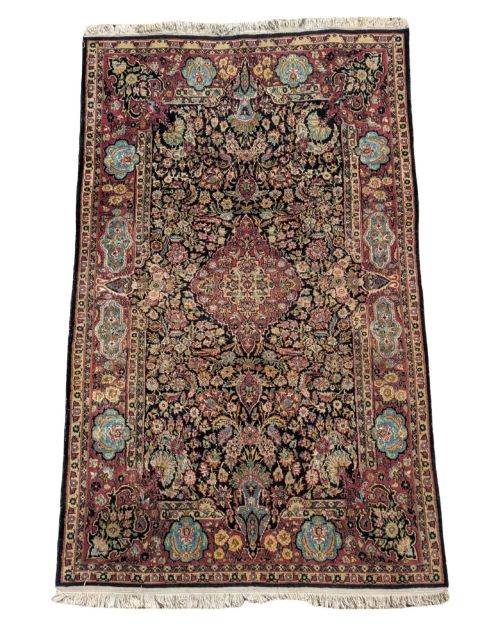
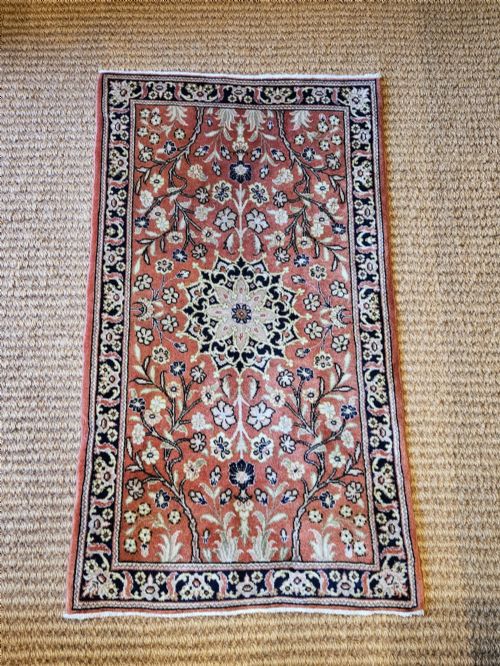
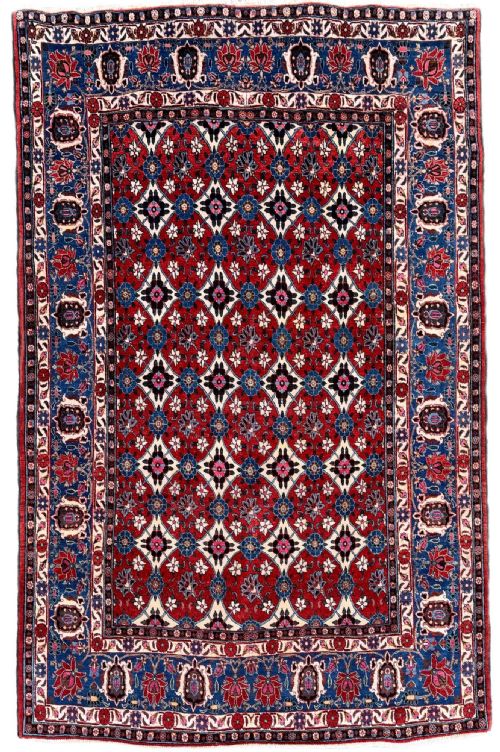
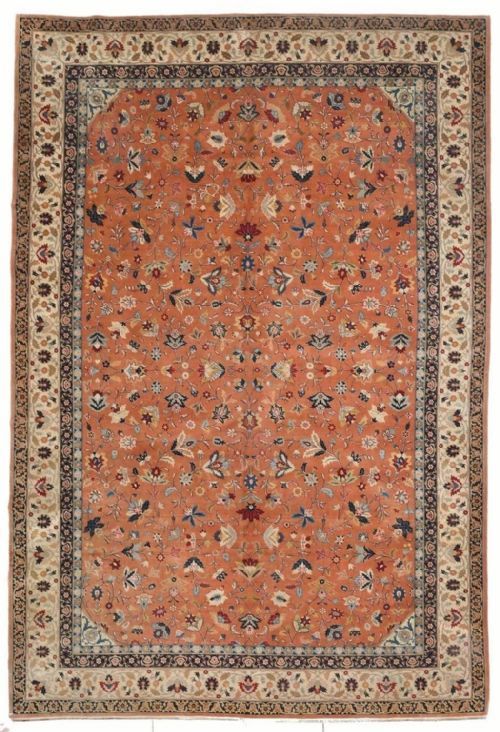
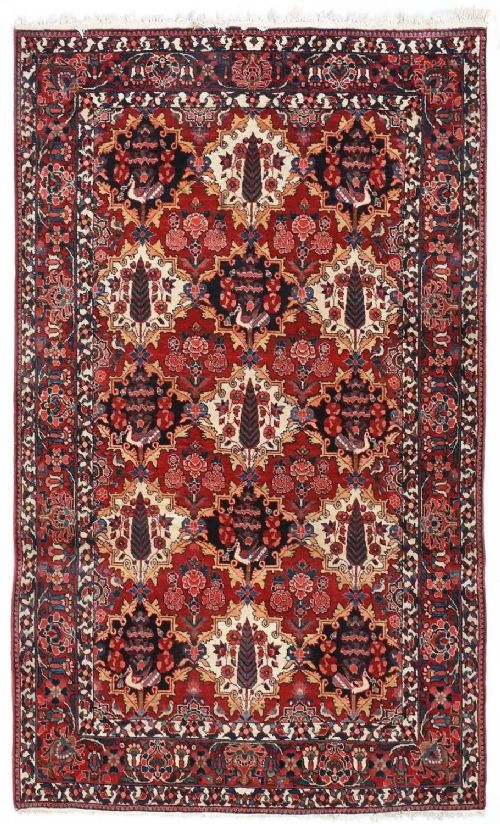
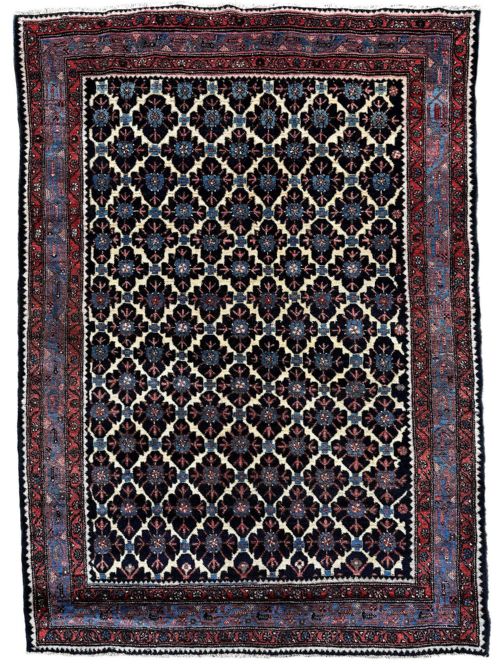
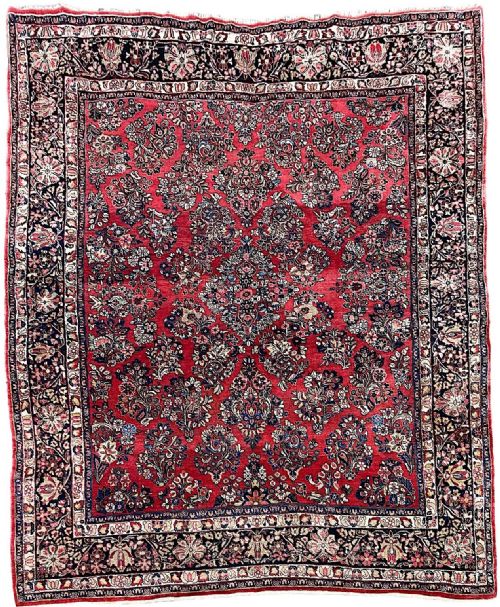
These persian floral pattern rug examples bring centuries of woven artistry into a room, offering intricate motifs rooted in traditional regional designs.
Persian Floral Pattern Rug
A persian floral pattern rug sits among floor coverings shaped by traditional regional aesthetics, with styles spanning from tribal pieces to intricate city carpets. Buyers seeking this phrase encounter varied formats, including area rugs, larger carpets, and long hallway runners suited to domestic spaces.
The selections on this page draw from periods stretching from the late nineteenth century through to the mid-twentieth century, capturing decades of hand-knotted production. Regional weaving traditions such as Tabriz, Kashan, Mahal, and Heriz appear frequently among these furnishings.
These floor textiles serve both practical flooring needs and decorative purposes, bringing historical pattern work into modern interiors. Each piece reflects the specific design vocabulary of its origin, whether structured geometric layouts or curving floral vines.
How They Were Made
Makers constructed these textiles predominantly using hand-spun wool and cotton, with occasional silk highlights woven into finer city carpets. Artisans knotted the pile by hand onto cotton or wool foundations, securing the structure through dense rows of knots.
Natural and synthetic dyestuffs imparted the deep tones seen across the palette, from rich reds and blues to unusual lemon ground colours. The density of the knotting directly influenced the crispness of the floral patterns and the flexibility of the finished textile.
Materials documented across these listings consist entirely of wool, cotton, and silk.
What Varies in Quality
Quality rests on the precision of the hand-knotting and the density of the pile, which dictates how sharply the floral motifs render against the field. Finer execution involves tighter knot counts that allow complex curves and delicate tendrils to remain distinct.
The choice of materials also shapes the calibre of the piece, as seen in examples incorporating silk highlights or exceptionally fine wool. Balance in the composition and the integrity of the foundational structure distinguish higher grades from simpler regional work.
The Persian Floral Pattern Rug Glossary
- Pile
- The upright yarn loops that form the surface of the carpet. This layer takes the wear of foot traffic and displays the woven design.
- Warp
- The vertical foundation threads stretched lengthwise on the loom. Weavers tie the individual knots around these stationary strands.
- Weft
- The horizontal threads passed across the warp after rows of knots. This holds the structure together firmly from edge to edge.
- Hand-knotted
- A method where individual lengths of yarn are tied manually to the foundation. This distinguishes traditional craftsmanship from machine-made textiles.
- Medallion
- A central ornamental motif placed in the middle of the rug field. Many traditional designs revolve around this focal geometric or floral element.
Persian Floral Pattern Rug: Frequently Asked Questions
How do I clean an antique rug?
Maintenance requires gentle surface care and professional washing suitable for natural fibres. Avoid harsh chemical treatments that can damage wool and cotton foundations.
Regular light vacuuming without a rotating brush helps prevent dust accumulation within the pile. Specialist textile cleaners should handle deeper cleaning to protect the integrity of the dyes.
Where were these rugs made?
Production centres span various regions and towns across historical Persia, each developing distinct weaving identities. Names like Tabriz, Kashan, and Heriz denote specific stylistic traditions and local techniques.
Some pieces originate from surrounding areas influenced by Persian aesthetics, reflecting local tribal or village methods. These geographic origins dictate the specific floral motifs and colour palettes found on each textile.
How do I choose the right size?
Consider the dimensions of the room and the furniture arrangement to select an appropriate format. Area rugs anchor seating groups, while runners fit narrow spaces like hallways.
Measurements should allow some flooring to remain visible around the perimeter of the piece. Matching the scale of the rug to the proportions of the room ensures a balanced interior scheme.
Can I place these rugs in high traffic areas?
Durable wool construction allows many pieces to withstand regular daily use in active living spaces. Heavier weaves handle hallways and reception rooms effectively when placed over appropriate underlays.
Finer carpets with silk highlights benefit from placement in lower traffic zones to preserve delicate fibres. Proper placement helps balance decorative display with practical longevity.