

Persian Floral Area Carpet
A persian floral area carpet brings dense garden motifs and rich traditional weaves straight onto the floor.
Persian Floral Area Carpet
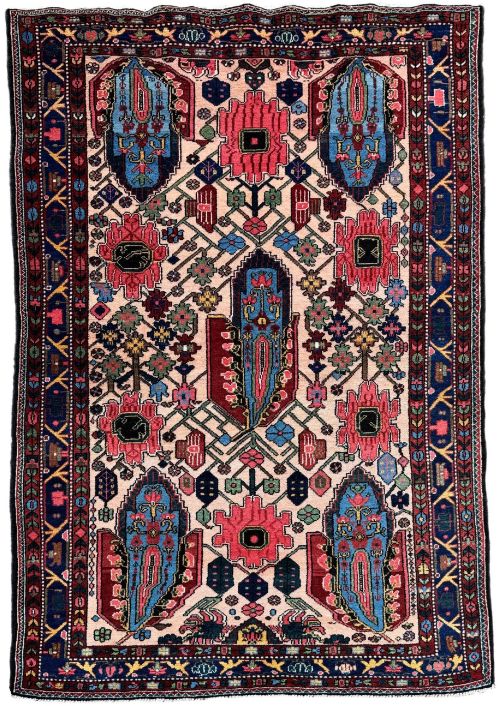
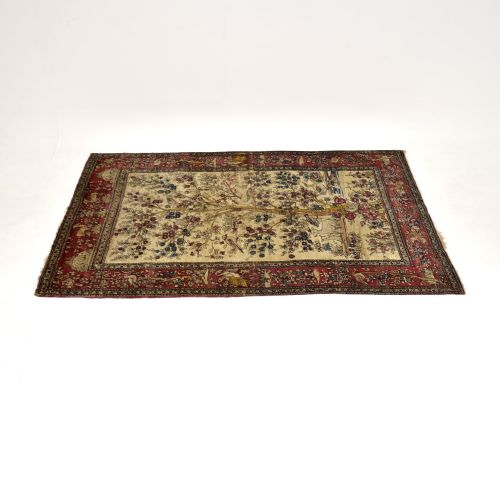
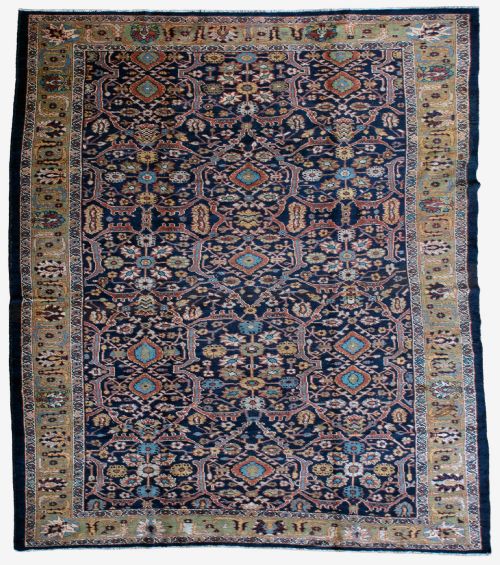
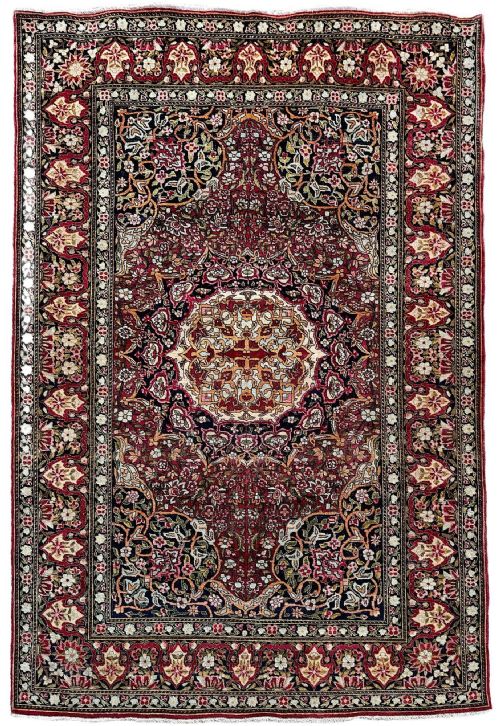
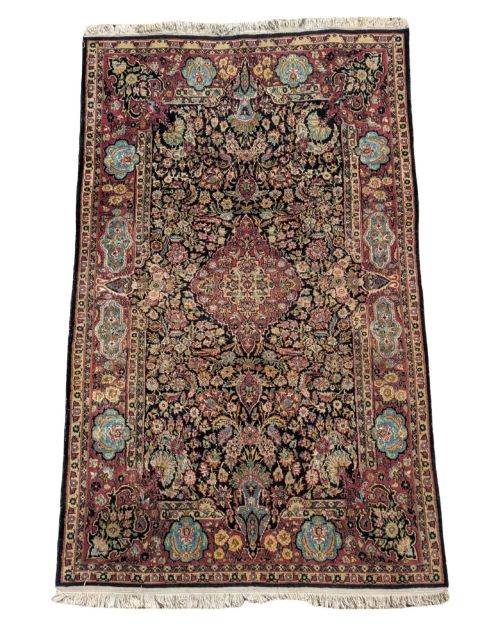
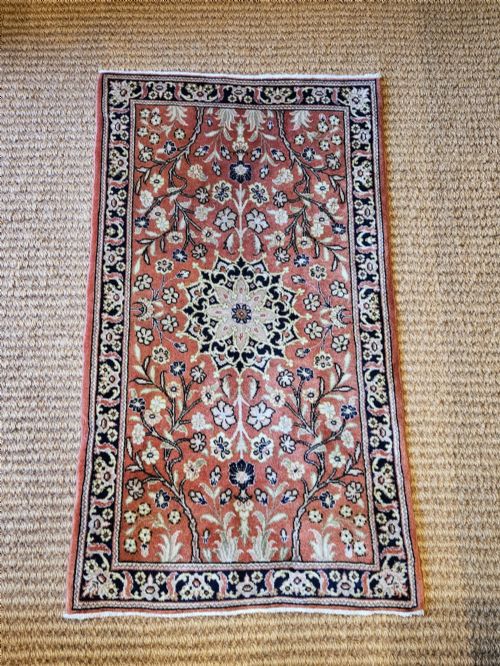
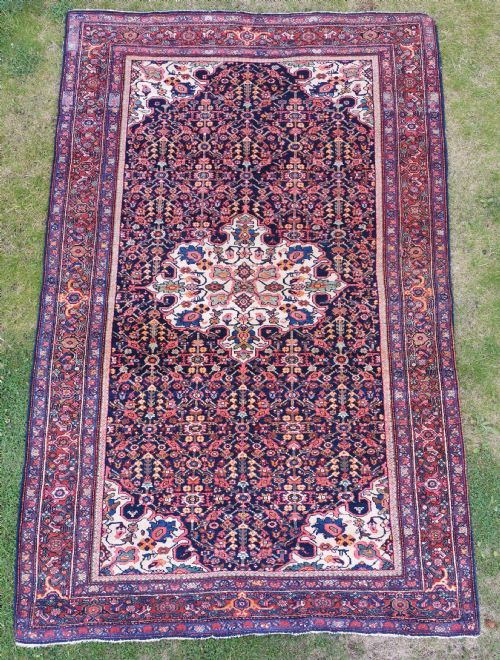
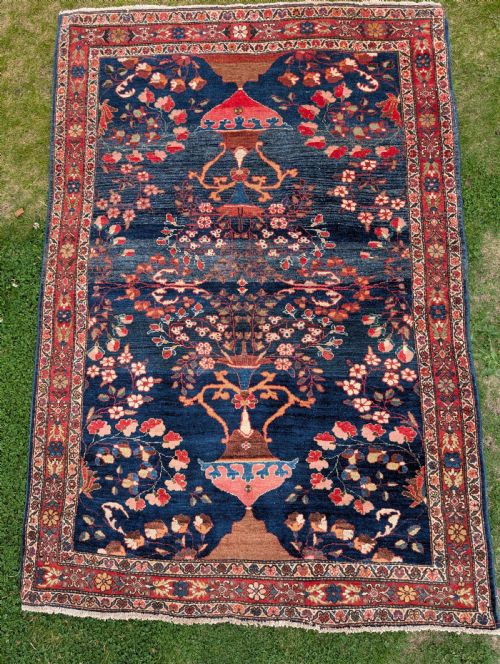
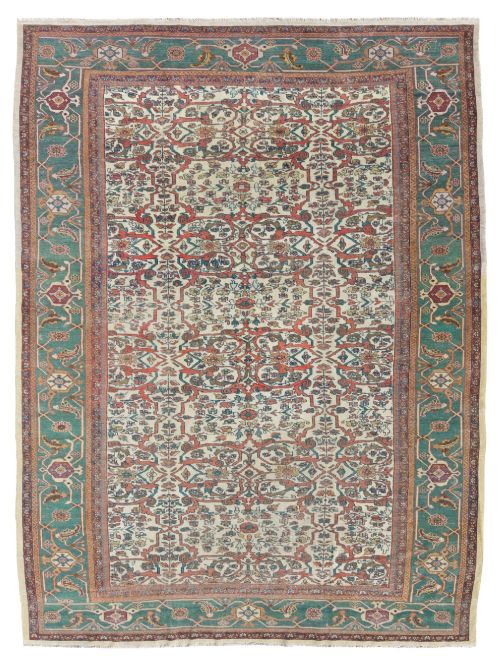
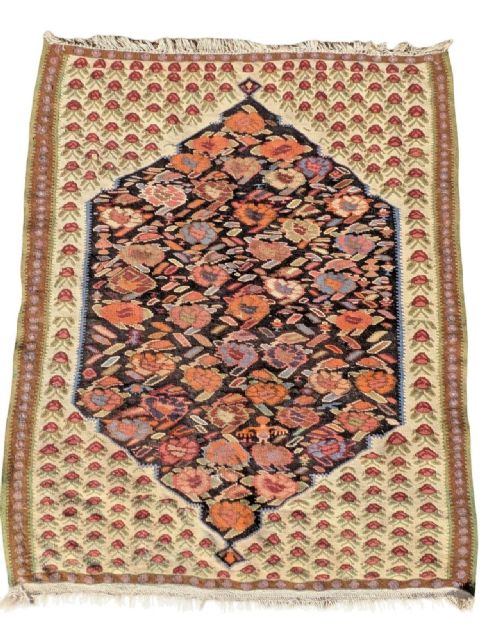
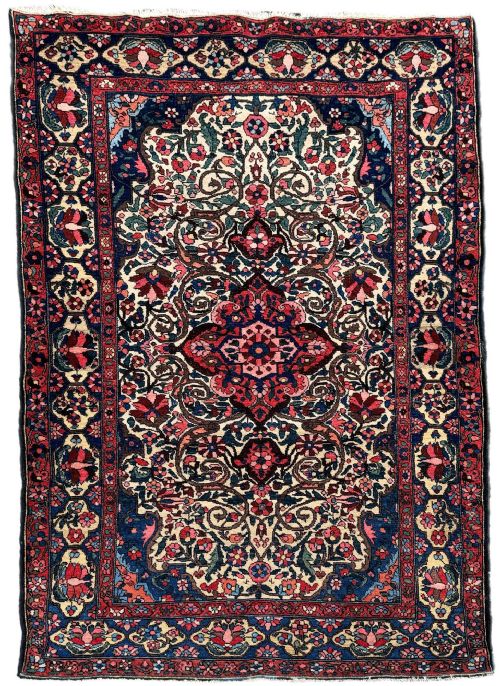
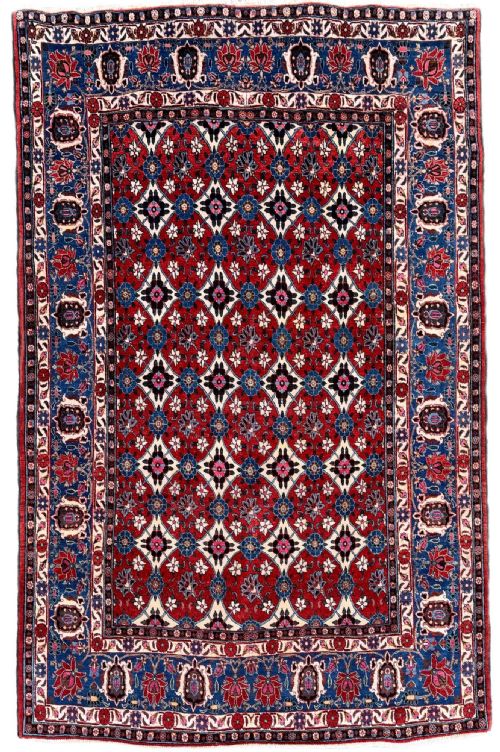
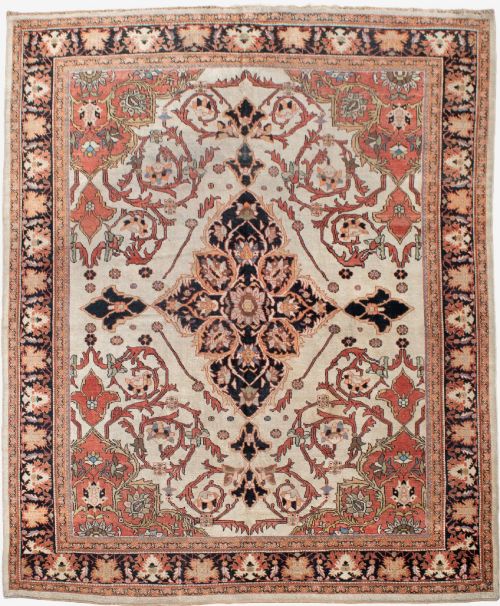
A persian floral area carpet displays traditional patterns rooted in specific weaving regions across Persia, dating from the late nineteenth century through to the mid twentieth century. These floor coverings range from compact hearth-sized mats to expansive room-size formats suited for country houses.
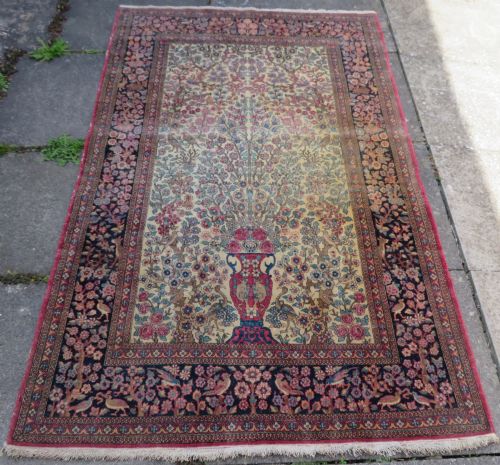
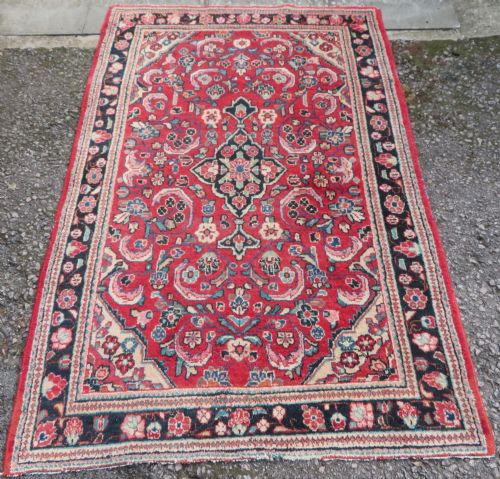
The selections encountered on this page encompass various traditional village and city workshops, including named origins like Heriz, Mahal, Tabriz, and Kashan. Each piece utilises characteristic floral medallions, vine scrolls, or tree of life compositions.
Buyers select these floor coverings to anchor principal rooms with authentic period character and hand-knotted texture. The examples available span decades of traditional craftsmanship originating from Persian workshops.
How They Were Made
These carpets and rugs are constructed using natural materials, predominantly employing wool pile knotted onto cotton foundations, with occasional silk highlights woven into finer city pieces. The structural yarns provide durable foundations designed to withstand generations of daily footfall.
Weavers utilised traditional hand-knotting techniques, securing rows of pile around the warp threads before shearing the surface to an even height. Natural dyeing methods supplied the varied colour palettes seen across the different regional styles.
The listings span production dates from the 1870s through to the 1940s, recording wool, cotton, and silk materials.
What Varies in Quality
Quality in these floor coverings hinges upon knot density, the precision of the drawing, and the depth of the palette. Finer city pieces demonstrate greater intricacy in the floral rendering and tighter structural foundations.
Village examples rely on bolder geometric integration and robust wool quality rather than fine resolution. The handling of natural dyes and the crispness of the secondary borders also distinguish standard production from superior pieces.
Ahmadi Isfahan
The Persian Floral Area Carpet Glossary
- Warp
- The vertical threads stretched tightly on the loom that form the structural foundation of the carpet. Fringe ends typically emerge from these parallel yarns.
- Weft
- The horizontal threads passed alternately over and under the warp yarns after each row of knots to bind the structure firmly together.
- Medallion
- A large central ornamental design motif placed in the middle of the carpet field, often echoing surrounding corner brackets.
- Pile
- The upright cut ends of the knotted yarn that form the usable soft surface of the rug. Its height and density determine the tactile feel.
- Knot
- The individual loops of wool, cotton or silk tied by hand around the warp threads to build the patterned pile. Different regional tying techniques define structural origins.
Persian Floral Area Carpet: Frequently Asked Questions
How do I clean a vintage carpet?
Professional specialist cleaning is essential for hand-knotted wool and silk rugs to protect natural dye integrity and structural pile.
Regular gentle surface vacuuming without a beater bar removes loose grit safely between professional maintenance visits.
Where should I place a room-size carpet?
Large room-size formats suit principal reception rooms and dining spaces where furniture can sit partially or entirely upon the field.
Smaller formats work effectively in studies, hallways, or as hearth rugs before open fireplaces.
How do I identify a Heriz weave?
Heriz carpets typically feature bold geometric medallions and robust, heavier wool structures originating from north-west Persia.
They display distinctive corner spandrels and sturdy double-weffed foundations designed for durability.
What does a tree of life design mean?
The tree of life motif depicts an upward-growing tree surrounded by floral branches, symbolizing growth, nature, and paradise.
This pictorial composition appears frequently in fine country house and city workshop rugs.