

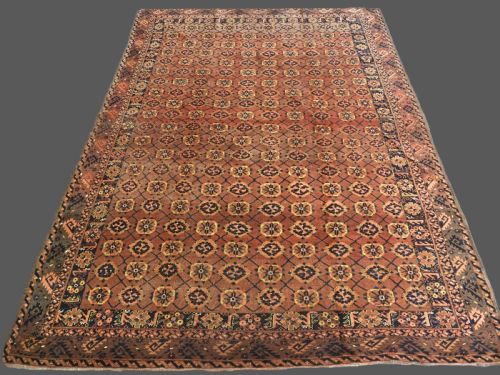
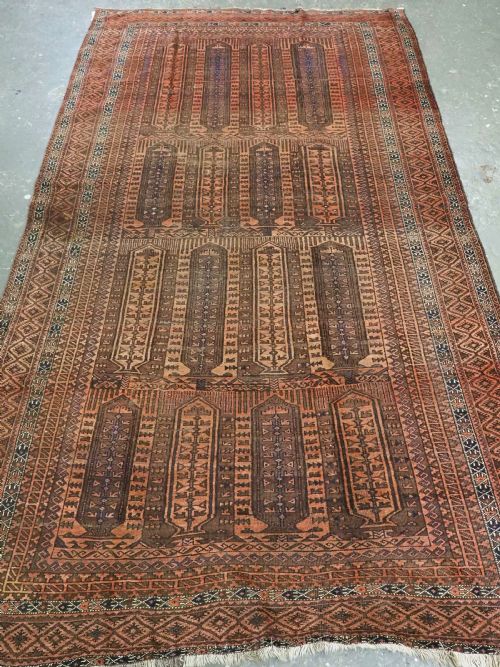
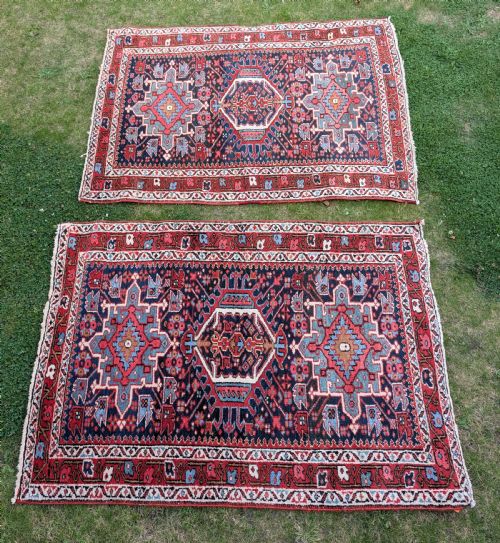
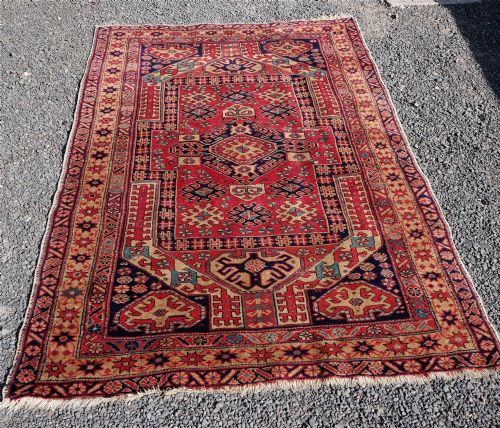




Persian Design Rug
When choosing a persian design rug, you select a floor covering defined by centuries of weaving tradition and intricate regional motifs.
Persian Design Rug
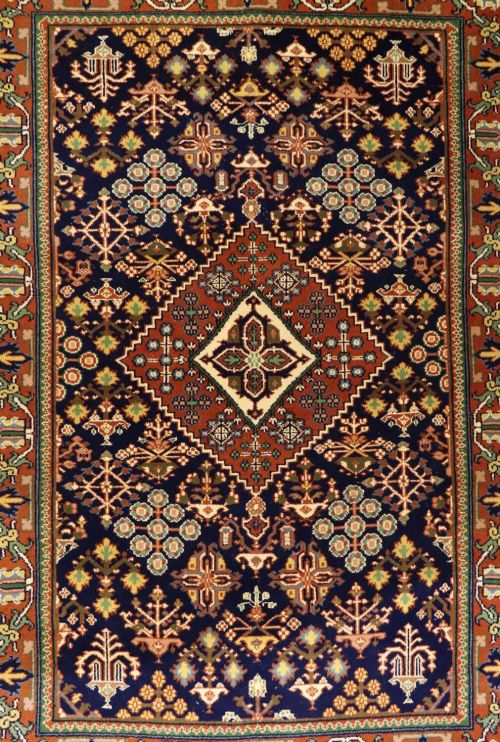
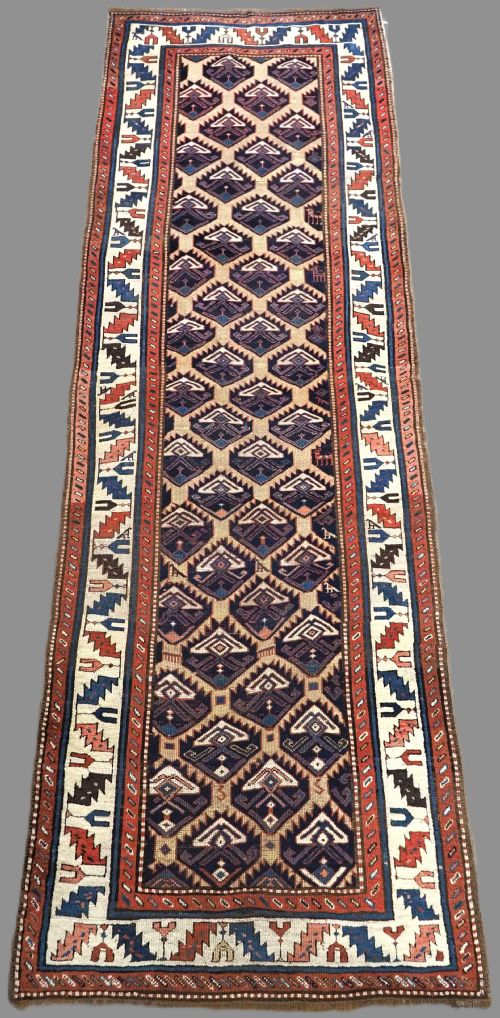
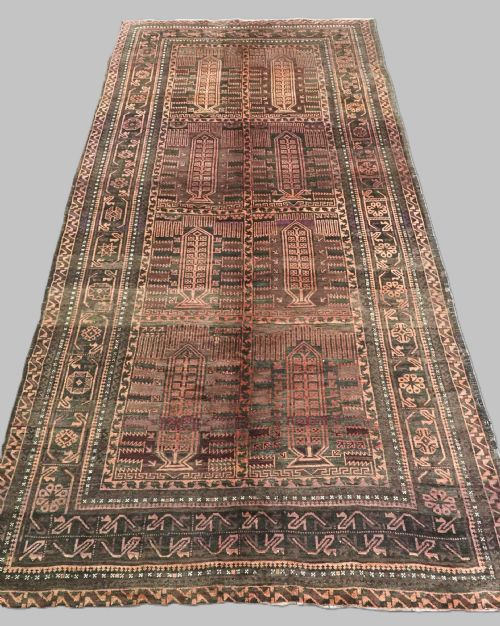
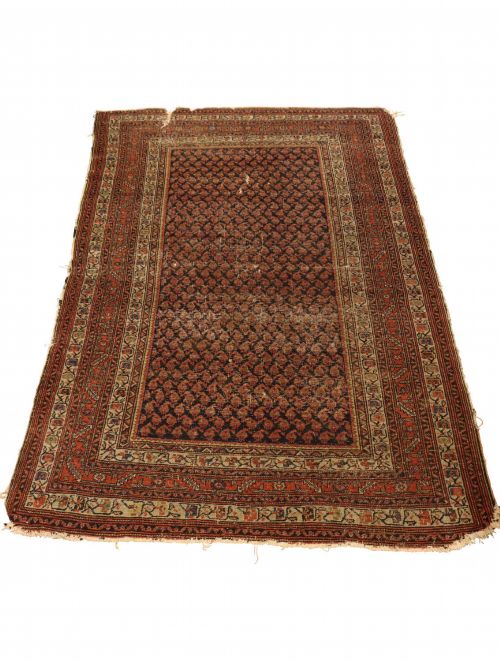
A persian design rug encompasses floor coverings, runners, and wall hangings originating from various tribal and village traditions across the Near East. When exploring this selection, buyers encounter formats ranging from large carpets and hallway runners down to small saddle bag faces.
The objects span periods from the late nineteenth century through to the mid-twentieth century, showcasing diverse regional aesthetics. Common structures include geometric medallions, all-over botanical patterns, and intricate lattice arrangements.
Village and tribal workshops produce distinct variations, drawing on influences from Baluch, Afghan, Caucasian, and traditional Persian makers. Each piece reflects the specific cultural motifs and structural techniques of its origin.
Materials and construction methods
Makers construct these textiles primarily using hand-spun wool and cotton foundations, occasionally incorporating silk, camel hair, felt, and goat hair for specific textural contrasts or pile depths. Artisans tie dense knots by hand to secure the pile, ensuring structural integrity across daily wear.
Natural dyes provide the foundational palette, yielding rich tones that age with distinct character over decades. Weavers also utilise specialised techniques such as silk and felt applique work on specific embroidered textiles.
Persian Design Rug Retail Price Guide 2026
Typical asking prices for persian design rug among the pieces listed under this phrase on Sellingantiques today, from the lower quarter to the upper quarter. They describe what is for sale here now, not the wider market.
Some antique Baluch saddle bag faces retain their original wool backs, preserving the hidden utility of nomadic storage.
Distinctions in craftsmanship
The standard of a weaving depends upon knot density, precision of the geometric or floral layout, and the depth of the wool pile. Higher quality examples demonstrate tighter structural foundations and balanced symmetry across complex repeating patterns.
The choice and stability of natural dyestuffs significantly influence the longevity and visual richness of the surface. Master weavers achieve superior clarity in fine details such as boteh, lattice, and medallion motifs.
The Persian Design Rug Glossary
- Boteh
- A stylised almond or pear-shaped motif representing a floral or flame symbol. This design appears frequently across traditional village and tribal carpets.
- Medallion
- A central ornamental design element placed in the middle of the rug field. It forms the focal point around which secondary borders and corners are arranged.
- Kilim
- A flat-woven carpet or rug produced without a pile. These pieces rely on tightly interlocked warp and weft threads to create geometric patterns.
- Runner
- A long, narrow carpet format designed specifically for hallways, corridors, and stairs. They display repeating linear designs suited to confined spaces.
- Pushti
- A small nomadic mat or bag face used for seating or resting. These compact items often feature dense, intricate regional iconography.
Persian Design Rug: Frequently Asked Questions
How do I clean an antique rug?
Professional dusting and gentle hand washing maintain the integrity of natural wool and silk fibres. Avoid harsh chemical treatments that strip natural dye patination.
Regular light vacuuming without a rotating power brush prevents grit accumulation at the base of the knots.
Where should I place a runner?
Hallway runners suit high-traffic thoroughfares like corridors, entryways, and gallery spaces. Their narrow proportions balance long architectural dimensions.
Purchasing a quality underlay prevents slippage and cushions the foundation against hard flooring surfaces.
What is a prayer rug?
Prayer rugs feature a distinct architectural mihrab arch design at one end, indicating the direction of prayer. Historically, users placed them on the floor during daily devotions.
Today, collectors appreciate these smaller formats for their refined floral vase patterns and compact compositions.
How do I identify tribal designs?
Tribal designs rely on geometric motifs, latch-hook medallions, and stylized animal or plant forms handed down through generations. These patterns reflect the nomadic heritage of the weavers rather than urban workshop standards.
Palettes often incorporate earthy tones derived from local plants and minerals, distinguishing them from commercial city carpets.