

Persian Corridor Rug
A persian corridor rug brings linear geometry and rich dye work to long hallways, narrow landings and high-traffic rooms.
Persian Corridor Rug
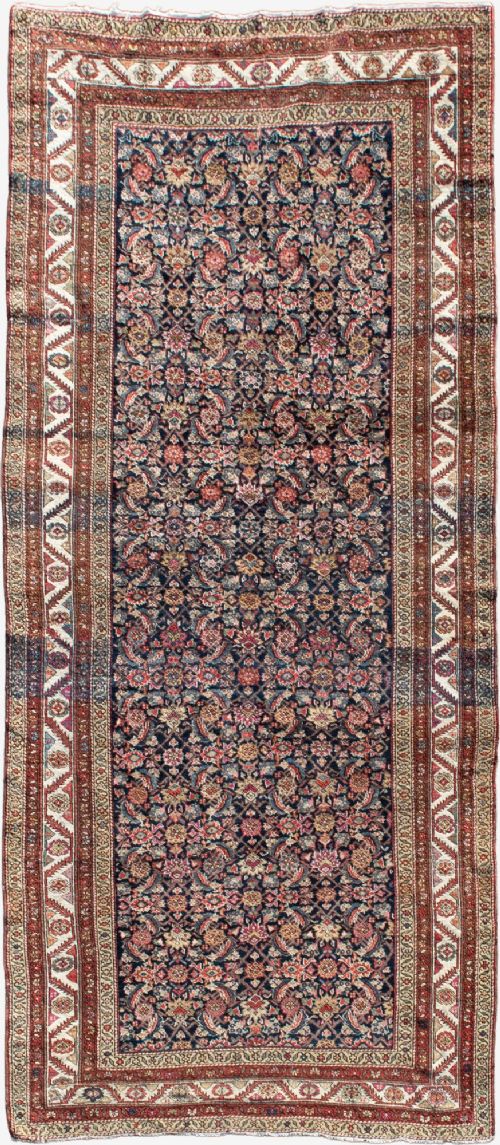
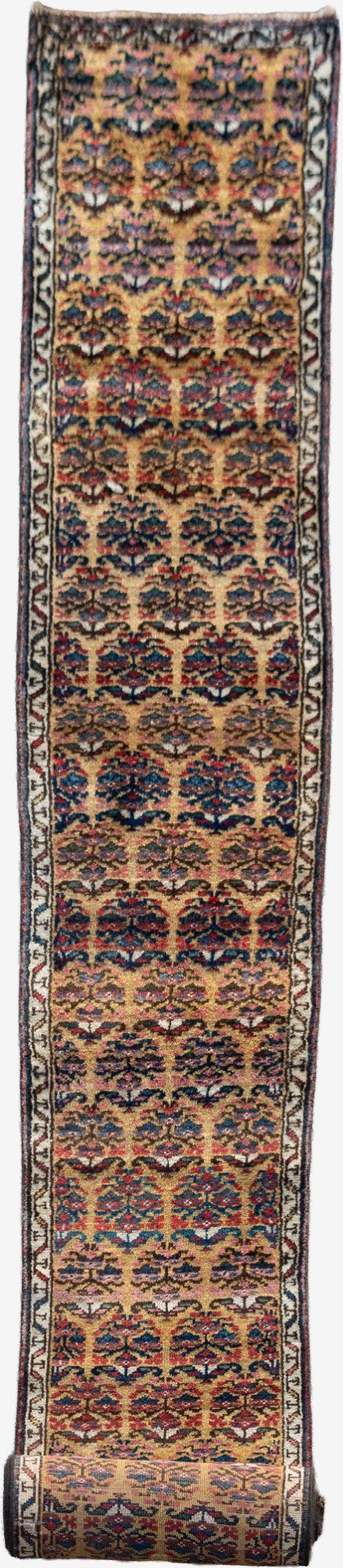
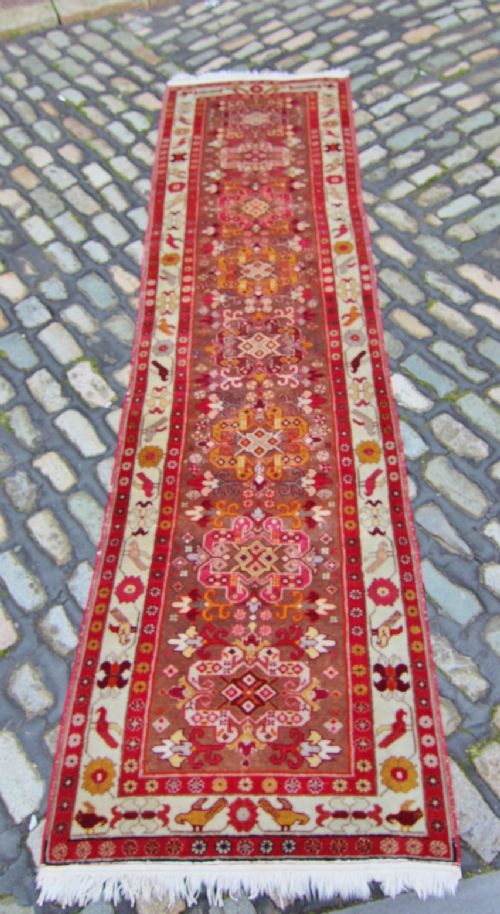
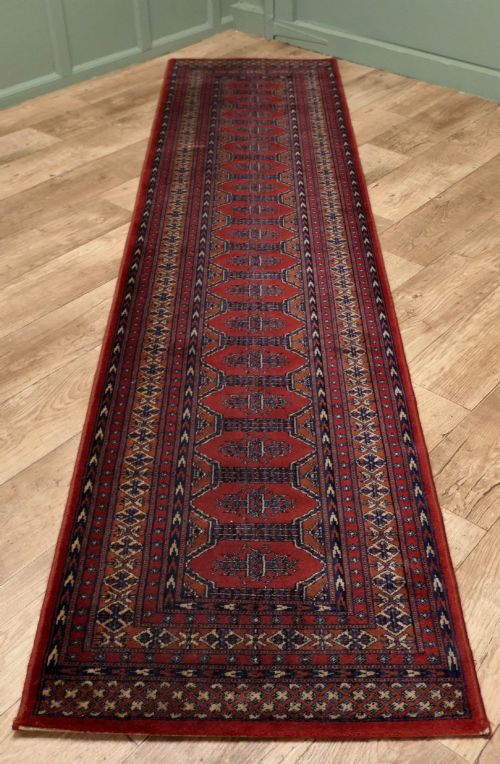
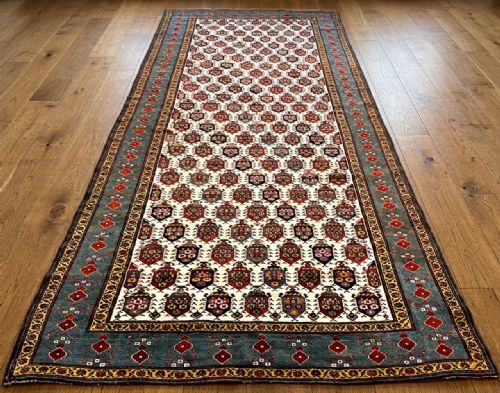
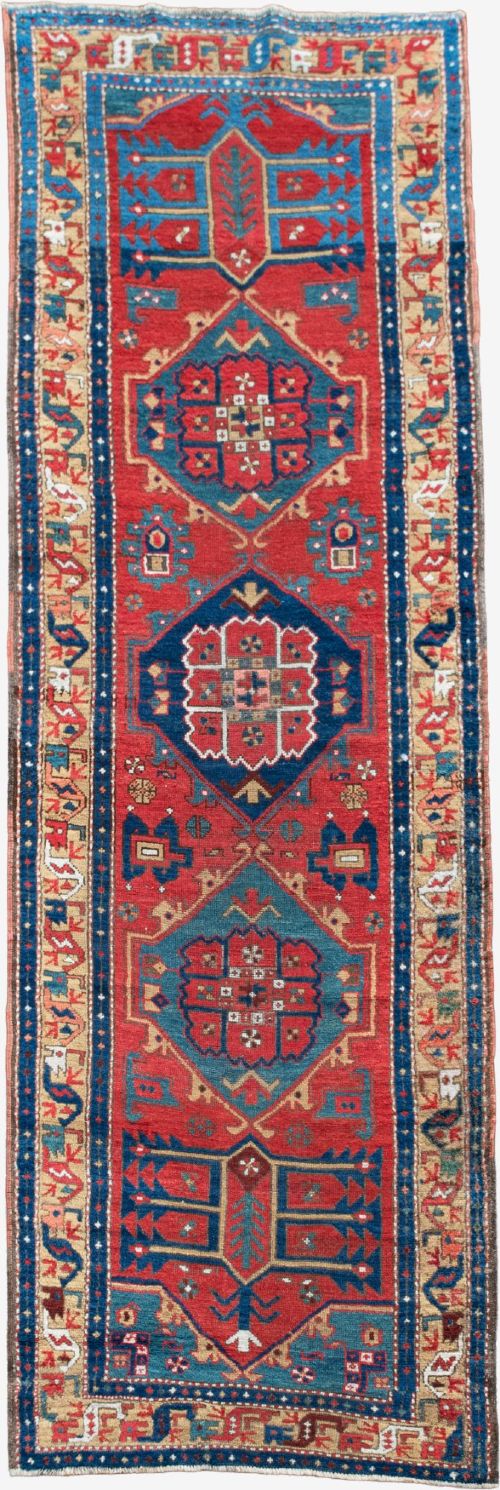
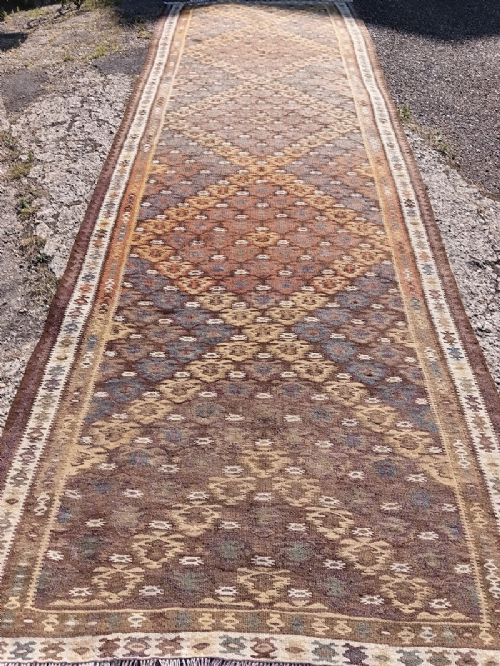
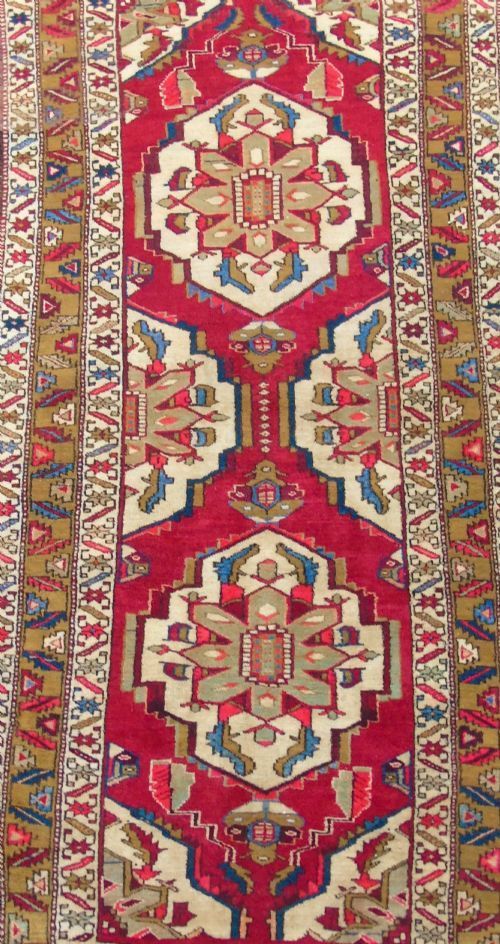
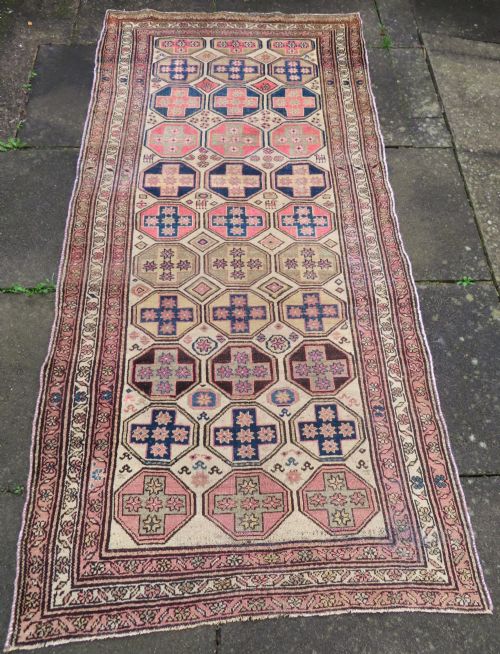
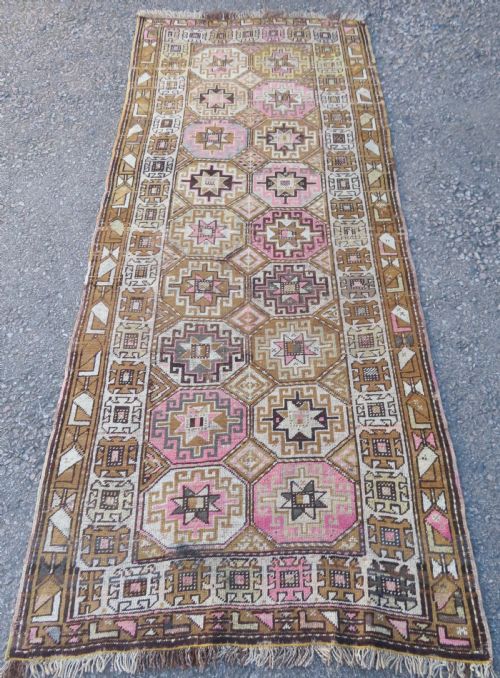
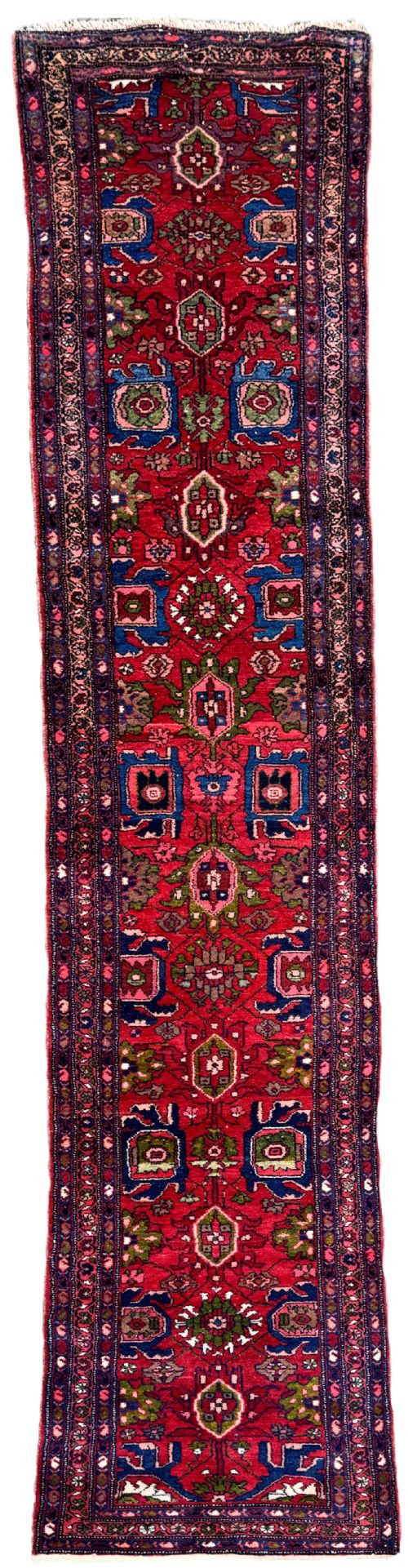
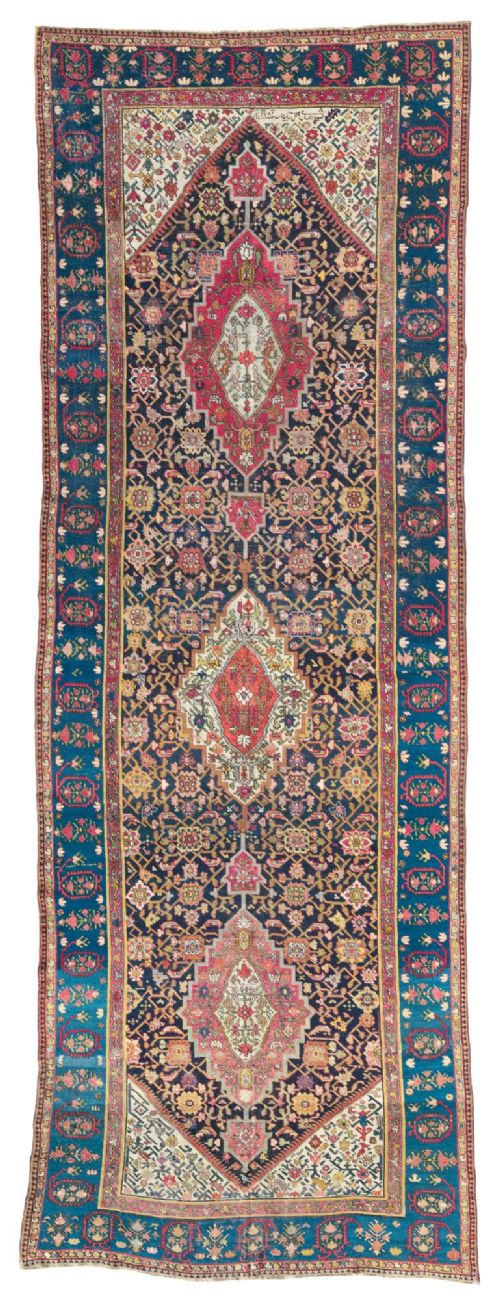
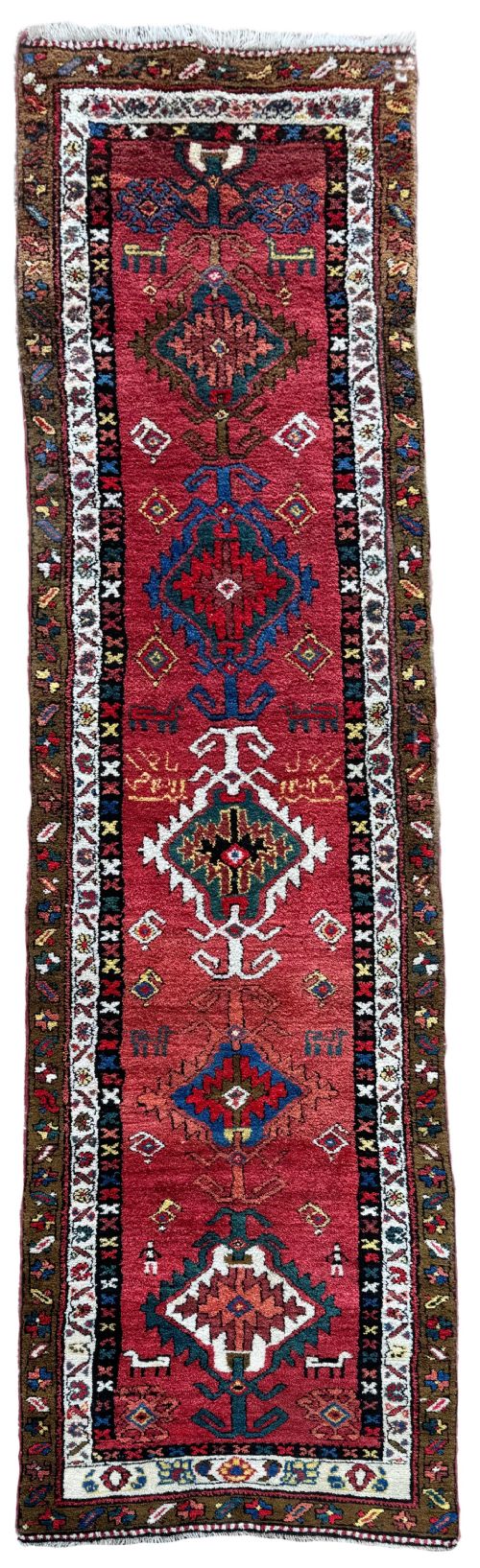
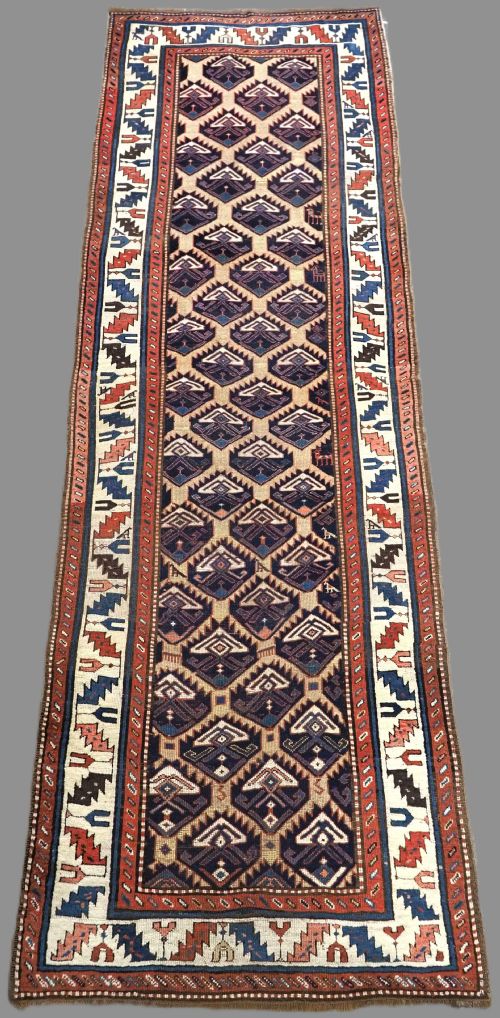
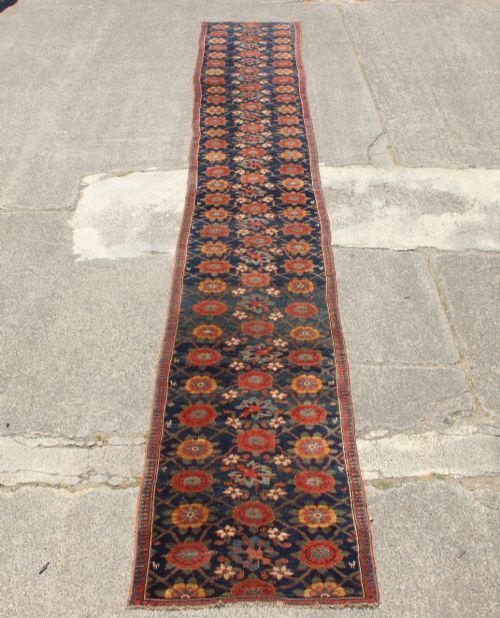
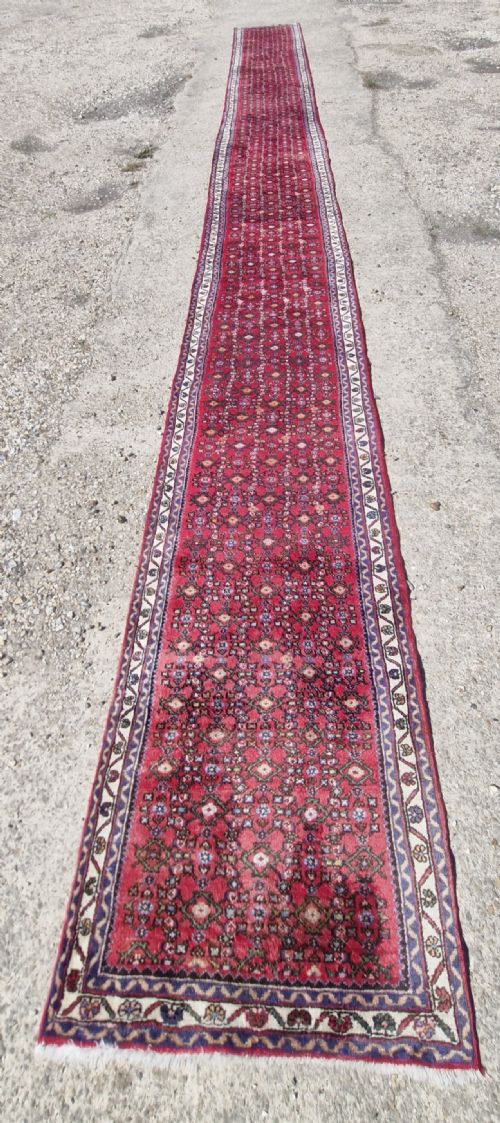
A persian corridor rug is a long, narrow carpet designed specifically for hallways, corridors and landings, stretching several metres in length while keeping a narrow width to fit restricted spaces. Buyers searching this phrase will find a variety of room-length formats, including traditional runners and long rugs originating from weaving centres across Persia and the Caucasus.
The pieces appearing here span from the mid nineteenth century through to the early twentieth century, encompassing styles such as Heriz, Hamadan, Kurdish and Bakshaish. These formats served practical purposes in historic homes, protecting bare wooden floorboards in heavily travelled passageways while adding warmth and pattern.
How they were made
These floor coverings rely on a durable foundation of cotton or wool warp and weft threads that support the dense pile above. Weavers knotted hand-spun wool tightly onto this structural grid by hand, creating a resilient surface designed to endure decades of foot traffic.
Natural dyestuffs provide the characteristic palette, yielding deep indigos, terracotta reds and soft olive greens that mellow gracefully with age. The weaving process takes place on vertical looms, where nomadic or village weavers translate traditional tribal motifs and geometric lattice designs directly from memory.
Persian Corridor Rug Retail Price Guide 2026
Typical asking prices for persian corridor rug among the pieces listed under this phrase on Sellingantiques today, from the lower quarter to the upper quarter. They describe what is for sale here now, not the wider market.
Some antique runners arrive with wonderfully crooked geometry, recording the exact moment a weaver adjusted their loom outside in the fading daylight.
What varies in quality
Knot density and the precision of the weave set the baseline for quality, determining how sharply the geometric motifs and floral medallions resolve across the runner. Finer examples display meticulous execution in the border guards and central field, maintaining consistent width along the entire span.
The integrity of the hand-spun wool and the depth of the natural dyes distinguish superior examples from simpler village work. Better pieces retain balanced proportions and strong structural foundations despite the natural wear of a century or more of use.
The Persian Corridor Rug Glossary
- Runner
- A long, narrow carpet format intended for corridors, staircases and hallways. Its proportions prioritise length over width to fit restricted floor spaces.
- Kelleh
- A large rectangular carpet format, typically longer than it is wide, bridging the size between standard rugs and full room-size carpets.
- Warp
- The vertical threads stretched tightly on the loom that form the structural skeleton of the rug. The exposed ends often terminate in visible fringes.
- Weft
- The horizontal threads passed back and forth across the warp threads to lock the rows of knots in place. This contributes to the structural firmness of the textile.
- Pile
- The dense upright surface of wool fibres created by individual knots tied onto the foundation. Its height affects the tactile feel and visual texture of the design.
Persian Corridor Rug: Frequently Asked Questions
Where should a corridor rug be placed?
These long formats suit narrow hallways, entrance passages and galley kitchens where floor protection and warmth are needed.
They also function effectively along wide landing corridors or beside bedroom furniture where a linear textile softens hard flooring.
How do I care for antique wool runners?
Regular gentle vacuuming without a rotating brush roll prevents dust accumulation within the dense wool pile. Professional specialist cleaning ensures the natural dyes and hand-spun fibres remain preserved over time.
What is the difference between Kurdish and Heriz runners?
Kurdish examples typically display geometric tribal patterns, rustic village character and deeply saturated palettes woven by nomadic or semi-nomadic groups. Heriz runners generally feature structured architectural medallions and bolder rectilinear geometry associated with larger weaving towns in north-west Persia.
Do these rugs lie flat on modern floors?
Handmade village runners often display slight irregularities or minor waviness along their length due to hand-weaving on traditional floor or upright looms. Using an appropriate underlay helps secure the textile safely in place on smooth wooden or tiled surfaces.