




Period Writing Slope
A period writing slope is a portable or compact box designed for correspondence, offering a fitted interior for ink, pens and paper.
Period Writing Slope
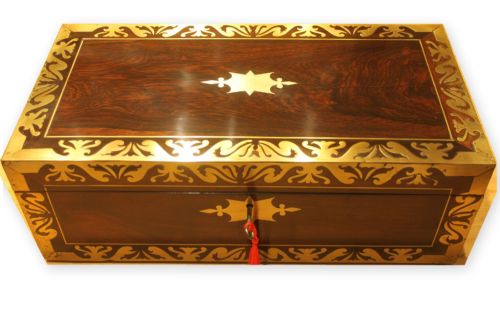
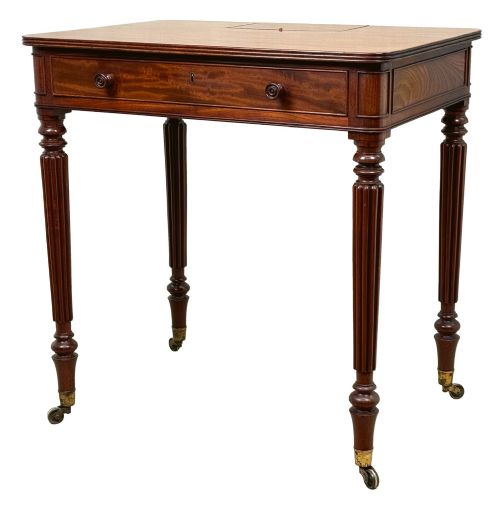
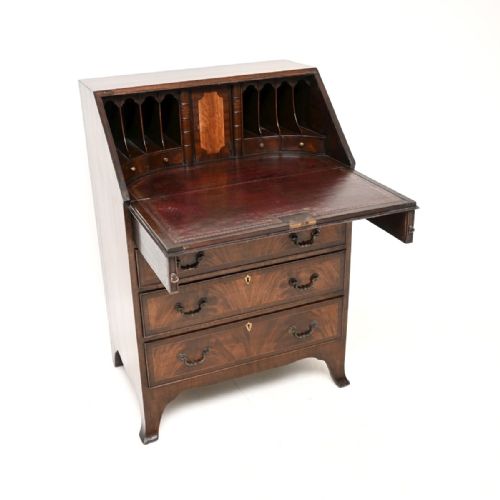
A period writing slope encompasses portable desk boxes, slope boxes and larger Davenport or bureau forms designed for correspondence. The selection spans the seventeenth, eighteenth and nineteenth centuries, taking in periods such as William and Mary, Georgian, Regency and Victorian.
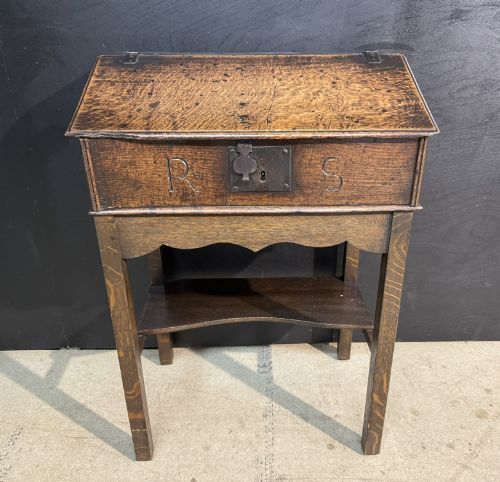
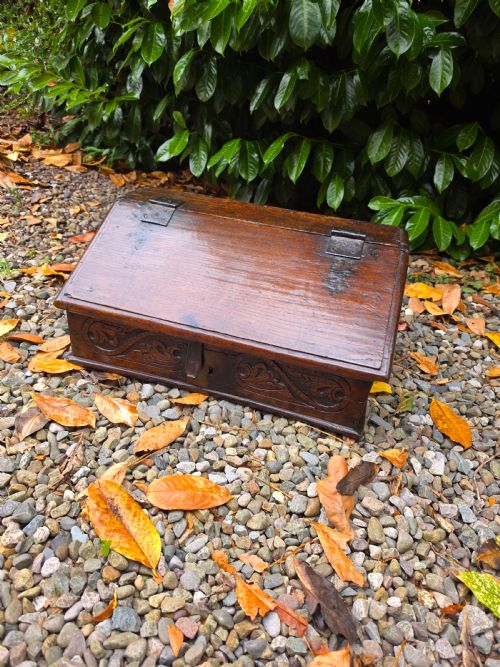
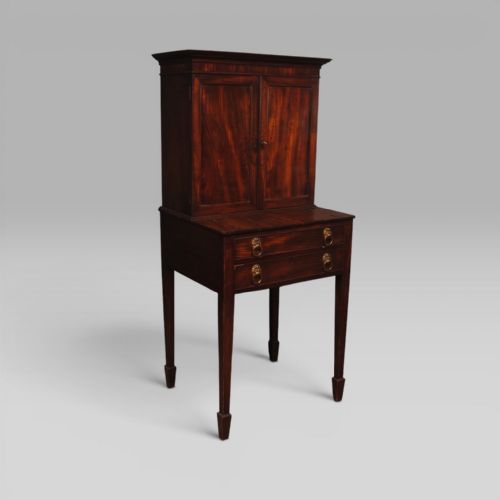
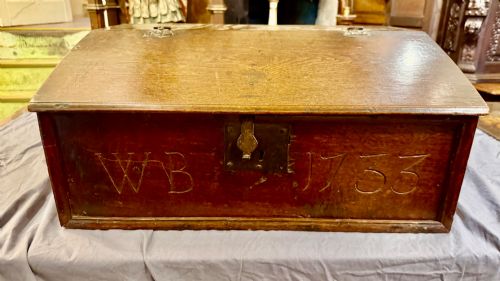
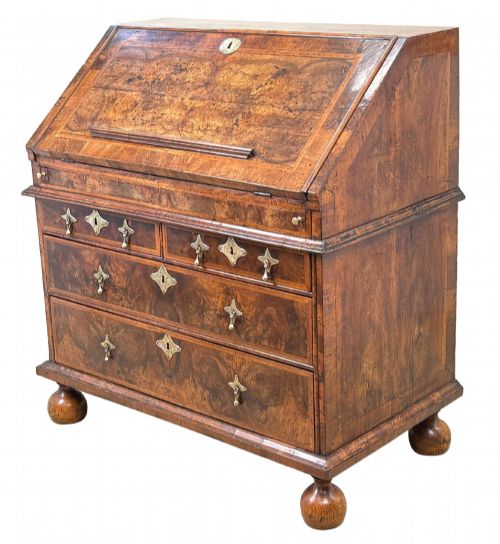
The most frequently encountered examples on this page are mahogany, oak and rosewood boxes alongside walnut and satinwood bureaus. These objects range from simple tabletop Bible boxes to elaborate writing cabinets on stands and Davenport desks.
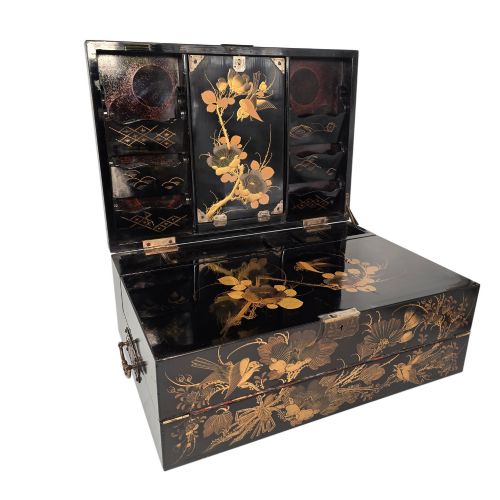
Origins stretch from English workshops to continental Europe and Japan, reflecting varied domestic and travel requirements. Each form provides a dedicated surface and storage for paper, pens and inkwells.
How they were made
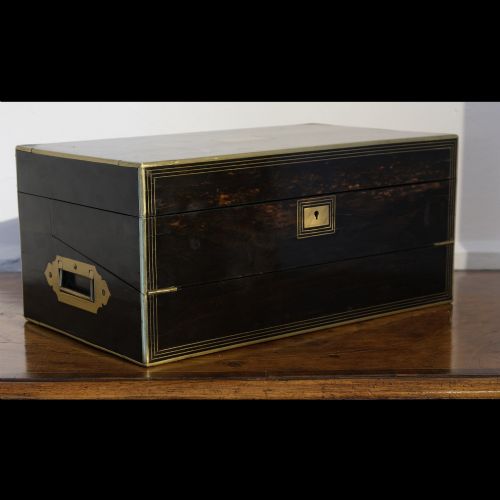
Cabinetmakers utilised solid timbers such as oak, mahogany, walnut and elm, frequently applying veneers of rosewood, satinwood, burr elm or coromandel to visible surfaces. Construction often incorporates brass inlay, holly and bog oak stringing or bronze mounts for structural reinforcement and decoration.
Interiors rely on precision joinery to create secret compartments, pen trays and slots for stationery. Secondary woods support primary drawer linings, while leather writing surfaces provide a functional plane for daily correspondence.
Period Writing Slope Retail Price Guide 2026
Typical asking prices for period writing slope among the pieces listed under this phrase on Sellingantiques today, from the lower quarter to the upper quarter. They describe what is for sale here now, not the wider market.
Materials recorded on this page include mahogany, oak, walnut, rosewood, satinwood, coromandel, elm, bronze, brass, leather, iron and lacquer.
What varies in quality
The selection of timber grain and the precision of decorative elements determine the distinction between standard utilitarian boxes and high-status examples. Superior pieces integrate fine veneers, intricate brass inlay and meticulous internal partitioning.
The sophistication of the mechanism and the originality of fitted interiors dictate the overall standing of an item. Cohesion in hardware, secondary timbers and regional cabinetmaking techniques anchors the authenticity of each slope or bureau.
Lefebvre of Belgium·Giles Grendey·Gillow
The Period Writing Slope Glossary
- Slope box
- A portable desk with an angled lid that opens to reveal compartments for writing materials. These boxes were standard travel items before the widespread use of stationary desks.
- Davenport
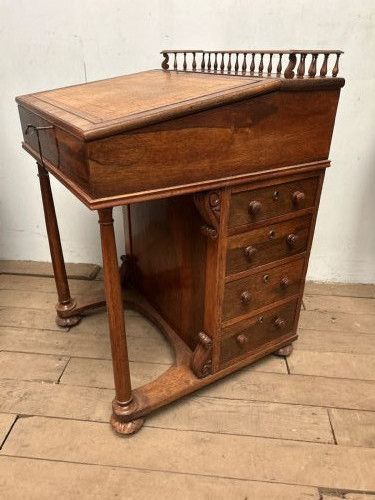
- A compact desk type featuring a sloped writing top above a pedestal of drawers. Originating in the Regency period, this form combines a writing surface with enclosed storage.
- Bible box
- A rectangular wooden box with a flat or sloping lid, initially intended for household texts. Many early examples date to the seventeenth century and were later utilised for general correspondence.
- Bureau
- A desk form featuring a hinged flap that drops to form a writing surface above drawer storage. Georgian and earlier versions often employ walnut or mahogany veneers.
- Stringing
- Thin inlaid lines of contrasting timber used to outline panels and drawers. This decorative technique appears frequently on eighteenth-century satinwood and mahogany pieces.
Period Writing Slope: Frequently Asked Questions
What is a writing slope?
A writing slope is a portable wooden box featuring an inclined lid designed for writing letters. Inside, compartments store paper, inkwells and pens.
These pieces were built for travel or desktop use, allowing users to write comfortably in different rooms or on journeys.
How do I use a slope today?
Modern owners utilise these boxes for storing stationery, correspondence or modern writing instruments. The compartments accommodate small desk accessories.
Placed on a table, the angled lid provides a practical surface for writing cards or notes.
How do I date a slope?
Dating relies on timber choices, construction methods and hardware styles. Oak and walnut predominate in earlier periods, while mahogany and rosewood become common later.
Secondary woods, lock types and hinge designs also help establish the likely period of manufacture.
What is a Davenport desk?
A Davenport is a compact nineteenth-century desk with a sloping top and drawers to one side. Regency and Victorian examples often incorporate rosewood or walnut veneers.
These pieces save space while providing both a writing surface and enclosed storage.