

Period Wooden Trunk
A period wooden trunk provides solid domestic storage, connecting centuries of joinery through sturdy timbers and simple panelled construction.
Period Wooden Trunk
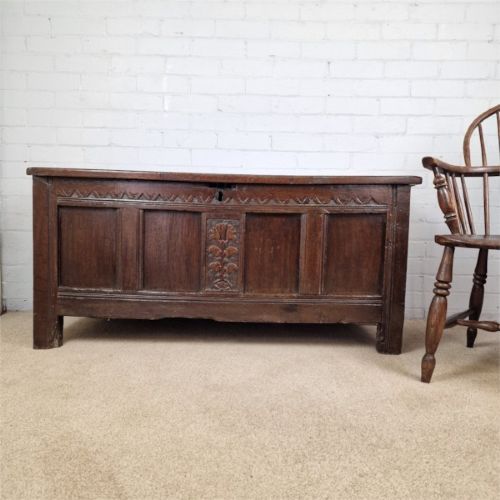
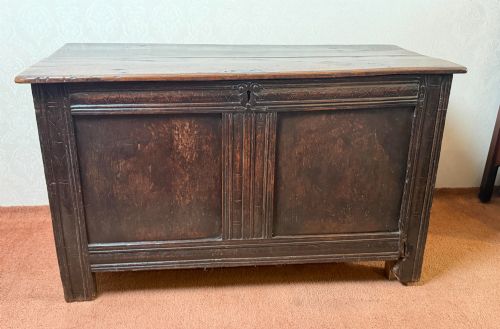
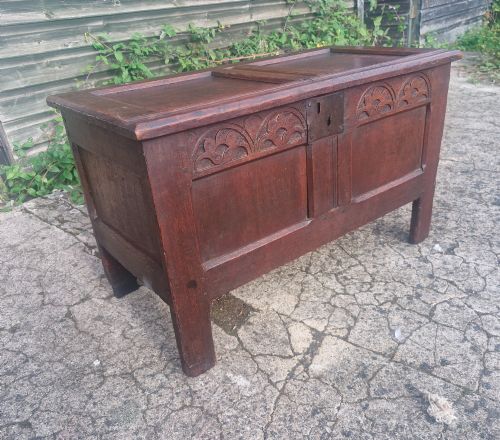
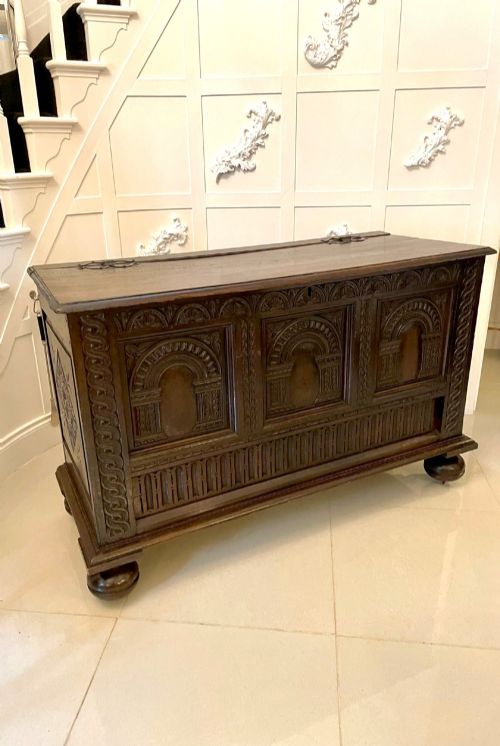
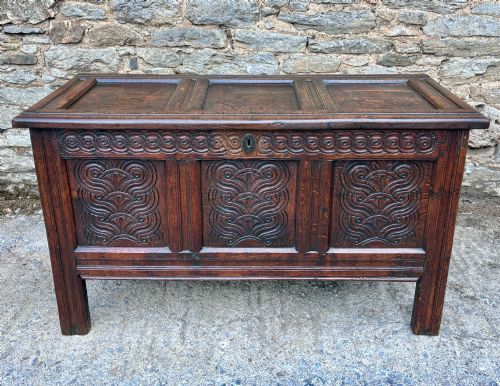
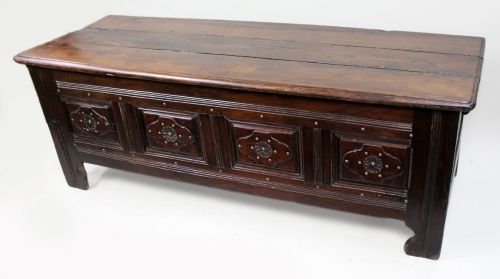
A period wooden trunk typically appears as a robust coffer, chest or blanket box originating from the sixteenth, seventeenth or eighteenth centuries.
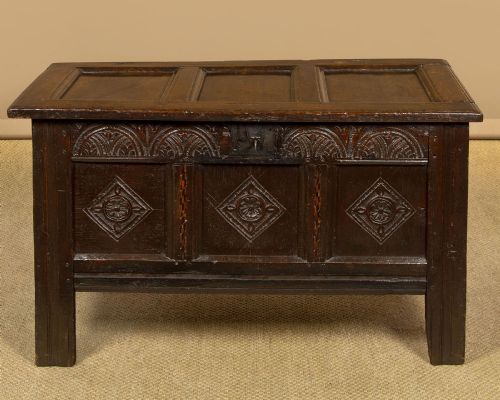
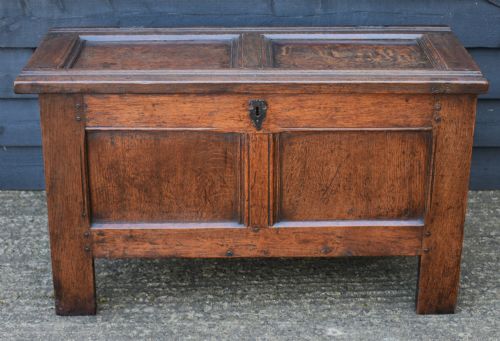
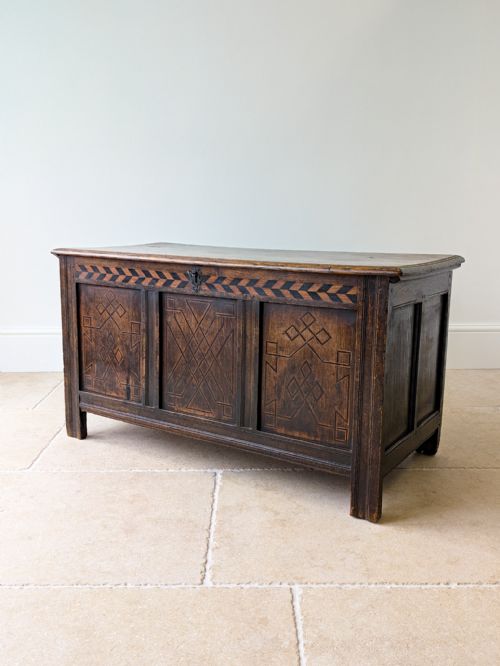
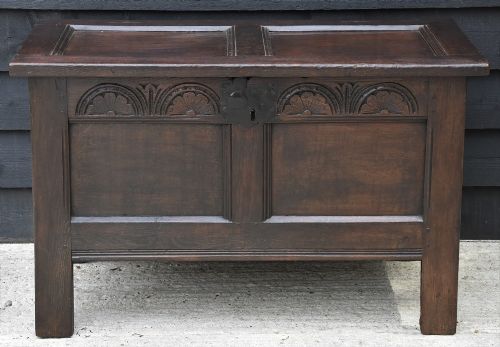
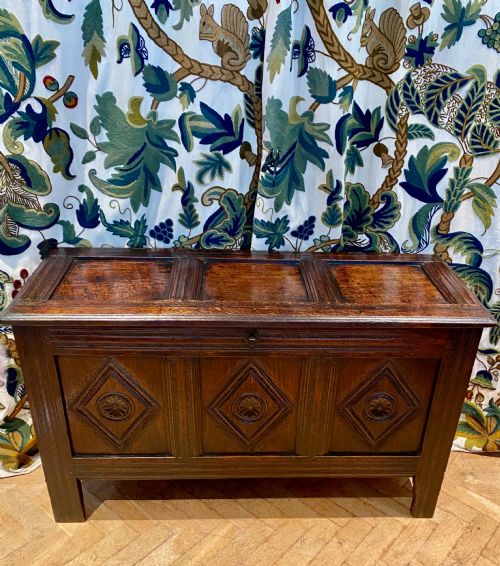
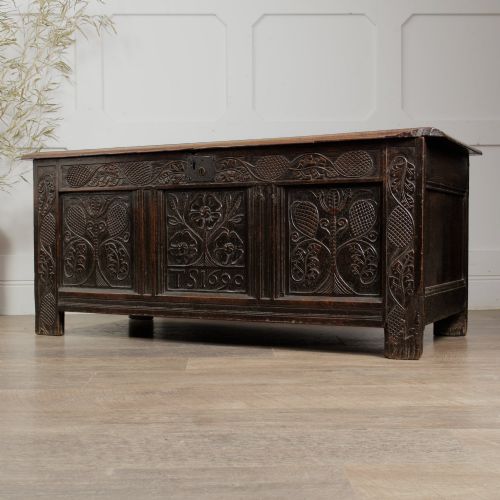
The version most commonly encountered on this page is the seventeenth century oak coffer, often featuring panelled construction or carved decoration.
These items served primarily for storing household goods, textiles and valuables before fitted wardrobes and chests of drawers became standard furniture.
How they were made
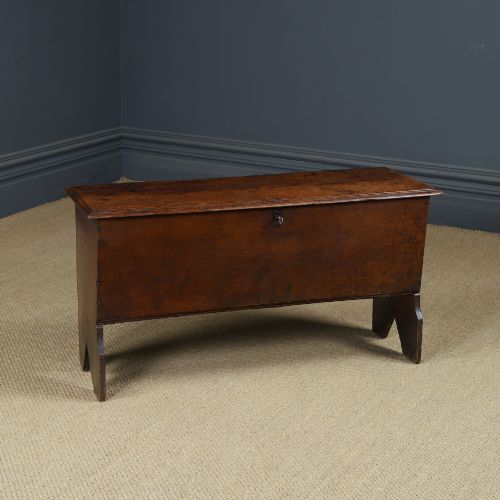
Joiners built these pieces mainly from native timbers such as oak, elm and English oak, using joined frame and panel techniques or six-plank construction.
Iron and brass hardware, including strap hinges and locks, secured the lids and added structural durability to the heavy wooden frames.
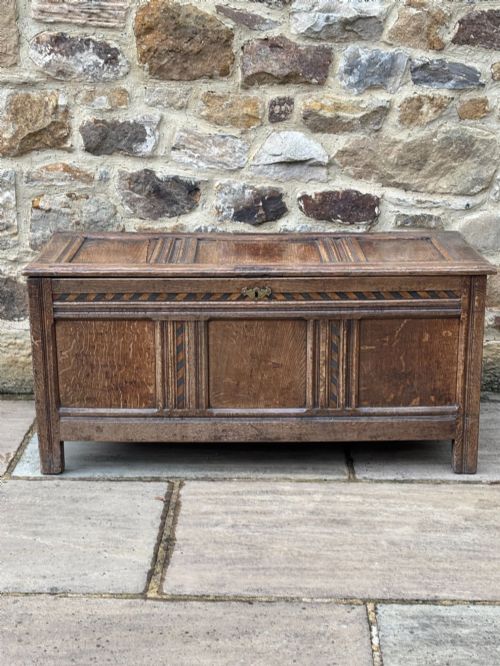
Surface decoration frequently involved carved panels, moulded framing, and occasional marquetry inlay executed by regional craftsmen.
Period Wooden Trunk Retail Price Guide 2026
Typical asking prices for period wooden trunk among the pieces listed under this phrase on Sellingantiques today, from the lower quarter to the upper quarter. They describe what is for sale here now, not the wider market.
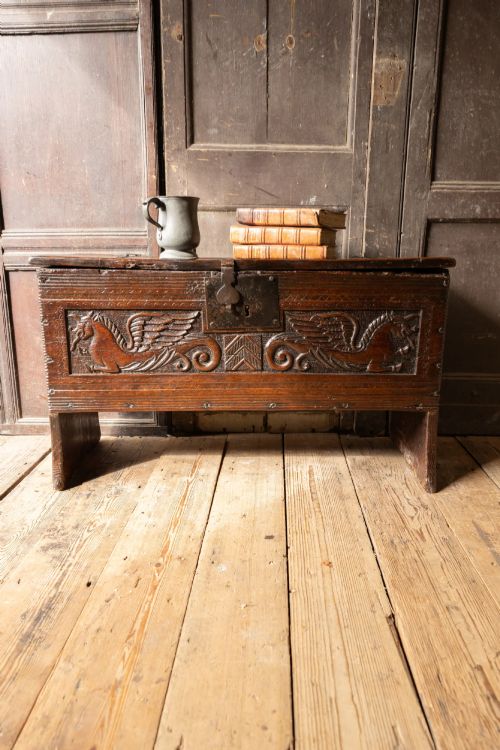
Winged fantastic beasts peer out from sixteenth century West Country panels, guarding blankets from unseen sprites.
What varies in quality
The integrity of the original timber and the depth of the surface patina distinguish standard utility pieces from exceptional examples.
The sophistication of the carving, from simple fluting to elaborate figural motifs, separates everyday workshop production from high-status commissions.
The Period Wooden Trunk Glossary
- Coffer
- A large wooden chest used historically for storing valuables, linen or documents. It usually possesses a hinged lid and a rectangular box form.
- Joined oak
- Furniture constructed using mortice and tenon joints to hold the frame together rather than relying solely on simple boards.
- Six-plank chest
- A primitive storage box formed from six distinct boards joined directly at the edges with nails or dowels.
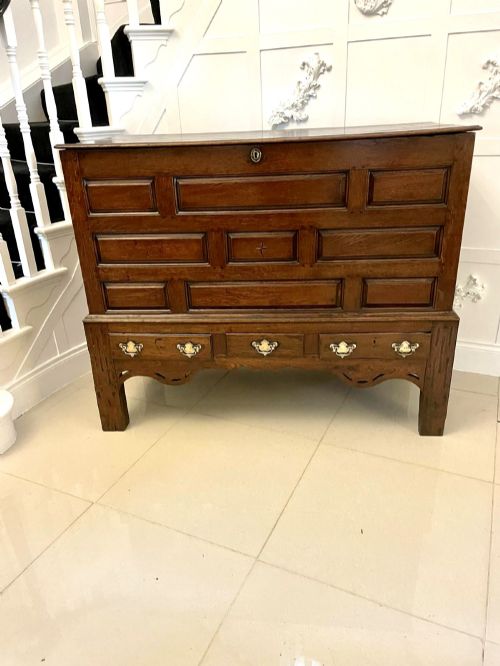
- Mule chest
- A storage chest featuring one or more drawers built into the base beneath the main compartment.
- Marquetry inlay
- Decorative patterns formed by inserting thin pieces of contrasting wood into recessed cavities on the surface.
Period Wooden Trunk: Frequently Asked Questions
What were period wooden trunks used for?
These pieces held household textiles, valuable documents, and personal belongings in homes before dedicated bedroom furniture existed.
People also used them as seating benches or tables in communal rooms.
How do I date a wooden coffer?
Examine the construction methods, such as joined frames versus simple six-plank assemblies, alongside the style of any carved ornament.
Nail types, hinge styles, and timber species also provide strong indicators of the manufacturing period.
Where were these chests made?
Carpenters and joiners produced them across English regions, Wales, and continental Europe using locally available hardwoods.
Distinct regional traits often appear in the carving designs and the choice of timbers like elm or oak.
How do I care for antique oak?
Keep the wood away from direct heat sources and sudden temperature shifts to prevent the timber from splitting.
Apply traditional wax sparingly to nourish the surface and maintain the natural patina over time.