

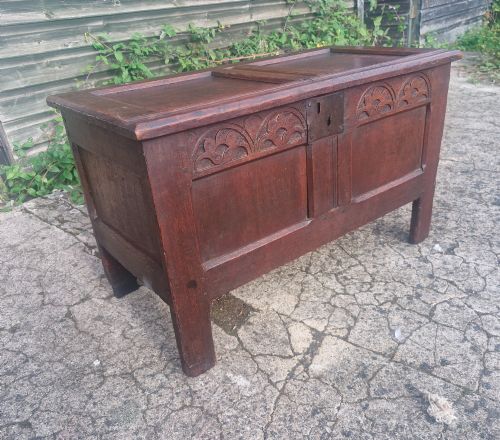
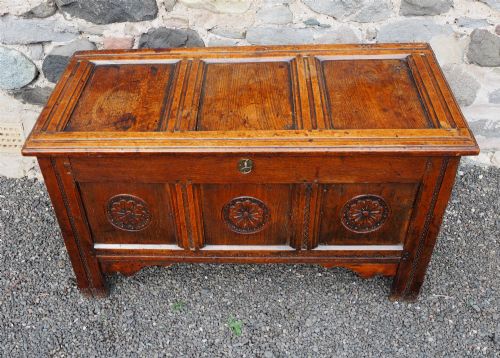
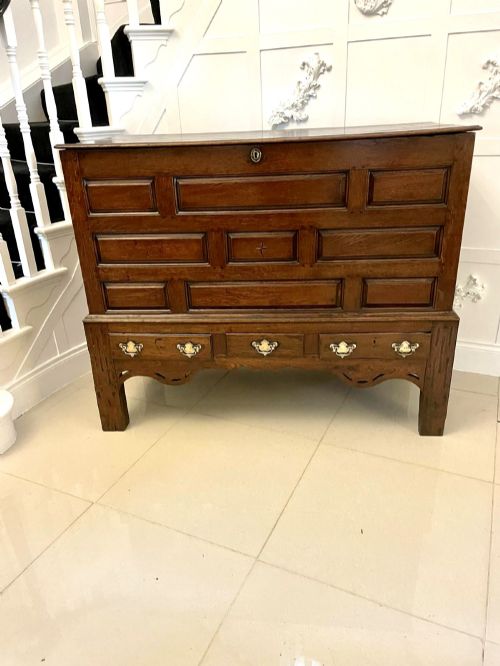
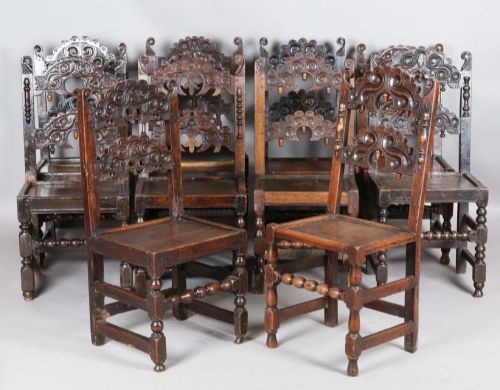
Period Wooden Panel
Period wooden panel forms surface across heavy chests and seating, offering rich historic character and deep patination.
Period Wooden Panel
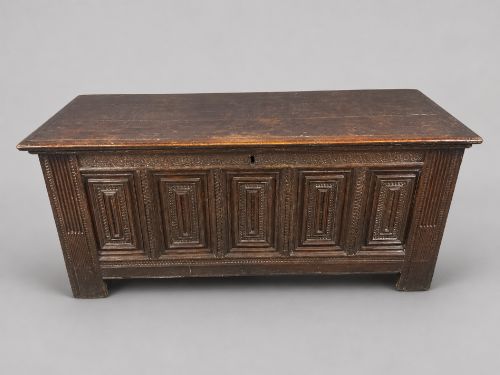
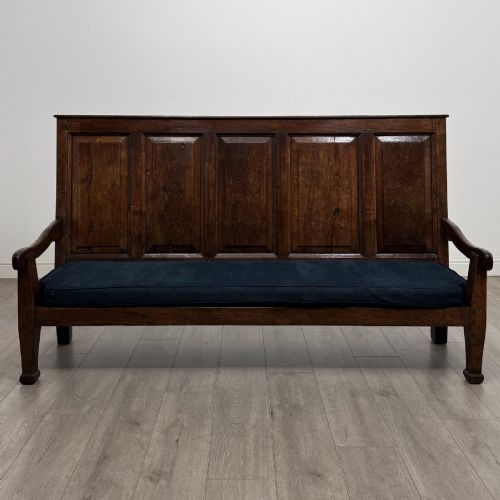
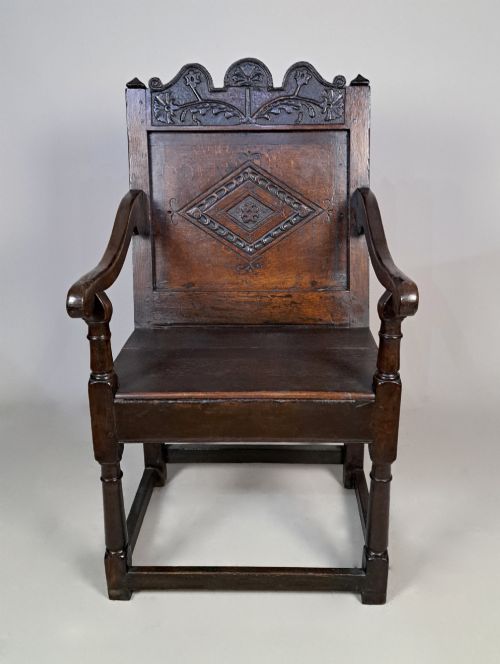
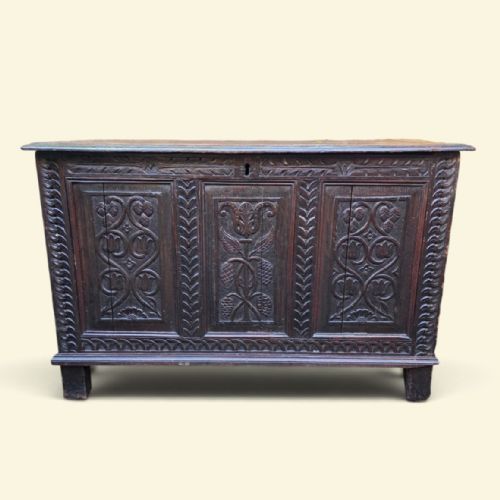
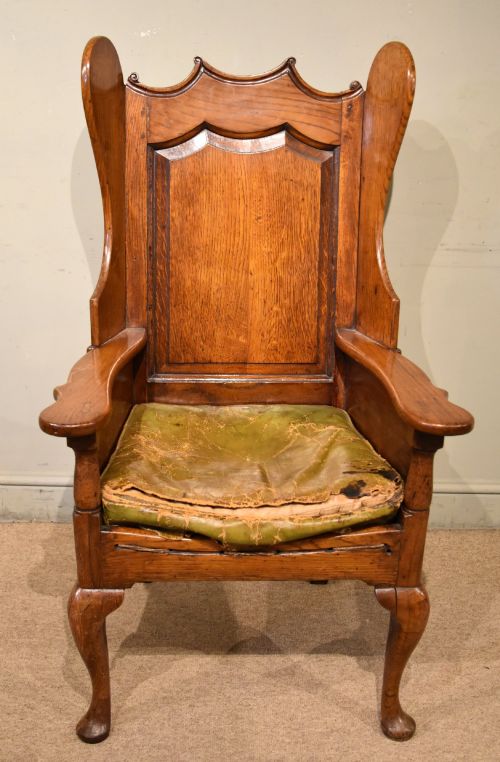
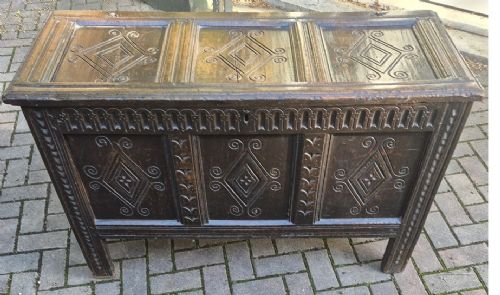
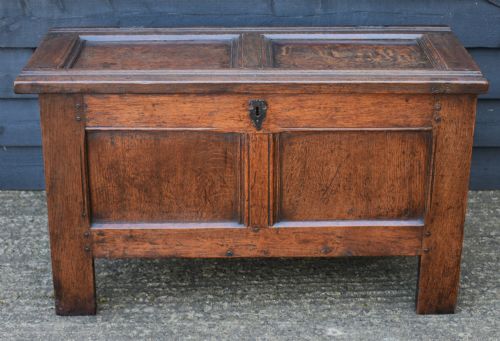
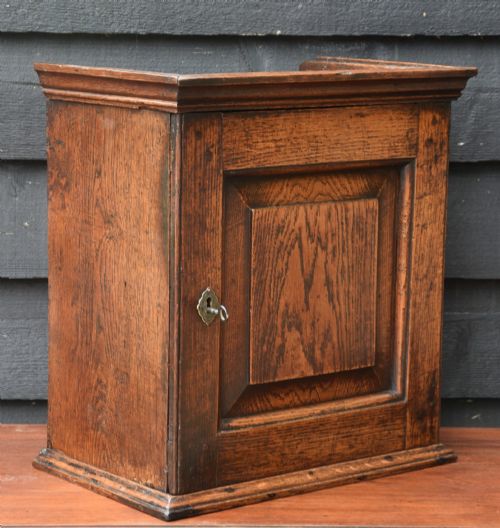
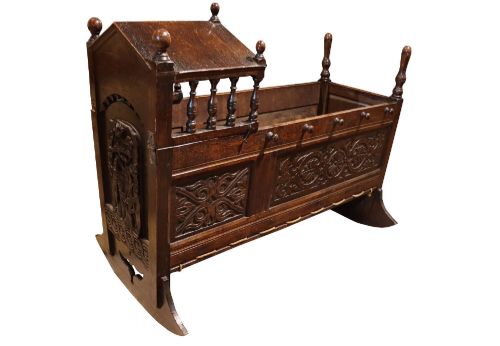
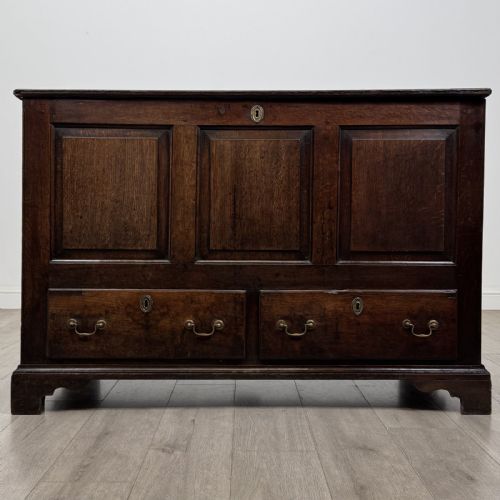
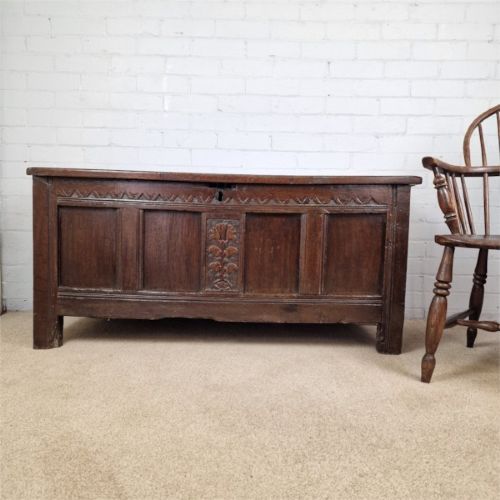
A period wooden panel search draws up solid timber items built across centuries, dominated by oak coffers, chests, and wainscot armchairs. The pieces you meet most often on this page date from the seventeenth and eighteenth centuries, constructed with pegged joints and framed panels.
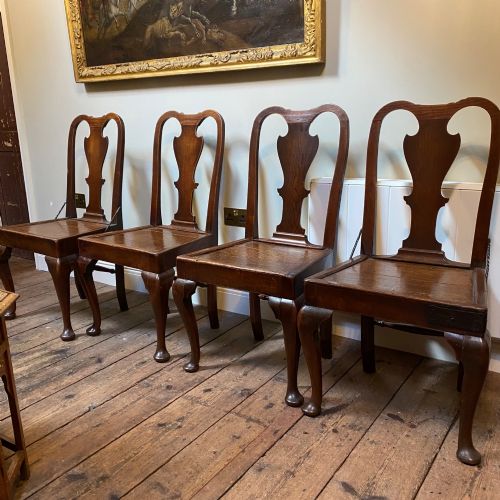
Beyond storage chests, the selection stretches to include architectural panels, spice cupboards, wall cabinets, and dining chairs. These items originate from English, Welsh, and French workshops, utilising native hardwoods shaped by regional cabinet-making traditions.
How they were made
Makers constructed these items primarily in oak, English oak, and mahogany, reinforced with iron and brass fixings where hinges and locks required metal support. Surfaces occasionally incorporate marquetry inlay alongside glass components in specific cabinet doors.
Joinery relied on traditional frame and panel construction designed to accommodate the natural expansion and contraction of timber. Carvers shaped surface details directly into the solid wood, leaving tool marks visible on early examples.
Period Wooden Panel Retail Price Guide 2026
Typical asking prices for period wooden panel among the pieces listed under this phrase on Sellingantiques today, from the lower quarter to the upper quarter. They describe what is for sale here now, not the wider market.
Early seventeenth-century joiners occasionally left their thumbprints pressed deep into the hot wax sealant inside panel joints.
What varies in quality
The standard of carving and the crispness of surviving detail separate finer examples from simpler provincial work. Depth in the timber grain and depth of relief in carved panels indicate skilled hands rather than hurried production.
Surface patination and the survival of original timber components dictate the standing of a piece. Original brass or iron hardware and minimal timber replacement preserve the integrity of the object.
The Period Wooden Panel Glossary
- Cofer
- A large chest used for storage, typically constructed from heavy oak with panelled sides and a hinged lid.
- Wainscot armchair
- A wooden armchair built with panelled construction, common in seventeenth-century domestic interiors.
- Marquetry inlay
- Decorative patterns formed by fitting contrasting veneer slices into prepared recesses within the timber surface.
- Jacobean
- A design style associated with the early seventeenth century, featuring geometric mouldings and strapwork carving.
Period Wooden Panel: Frequently Asked Questions
How do I date a wooden coffer?
Examine the construction methods, tool marks, and joinery style used in the frame. Hand-split boards and pegged mortise and tenon joints point towards earlier centuries.
Secondary indicators include the timber species and the presence of contemporary iron hinges or locks. Wear patterns on the base boards provide further clues to age.
Where were these pieces used?
Historic chests and armchairs sat in principal rooms of houses, farmhouses, and civic buildings for storing valuables, textiles, and documents. Many functioned as seating benches beside hearths as well as storage units.
Cabinets and wall panels served domestic storage needs in kitchens, parlours, and private chambers. Their robust build suited daily utility in busy households.
How do I care for historic oak?
Keep wooden furniture away from direct heat sources and sudden temperature shifts that cause timber to split. Maintain a stable indoor climate to protect the structural integrity of the joints.
Apply traditional beeswax occasionally to nourish the surface and preserve the patination. Avoid modern chemical polishes that strip historic finishes.
What is a joined oak coffer?
A joined coffer utilises frame and panel construction rather than plain boards nailed together. This technique employs vertical stiles and horizontal rails holding a floating panel.
This method allows the wood to expand and contract with seasonal humidity changes without splitting. It represents a standard of carpentry skill seen in seventeenth-century workshops.