
Period Wooden Furniture
Period wooden furniture brings centuries of craftsmanship into a room, offering robust oak chests, refined mahogany dining chairs, and functional tables built to last.
Period Wooden Furniture
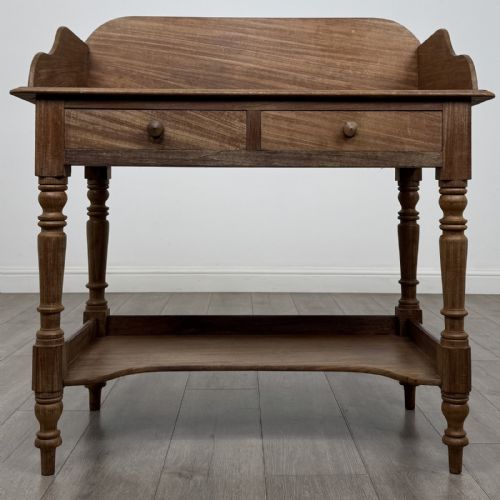
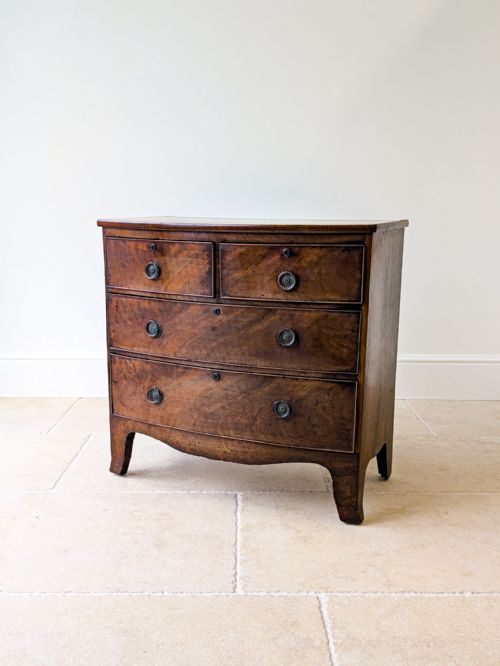
When you search for period wooden furniture, you encounter pieces spanning from the 17th century through the Georgian, Regency, and Edwardian eras. The selection on this page relies heavily on utilitarian and formal domestic items constructed from solid timbers.
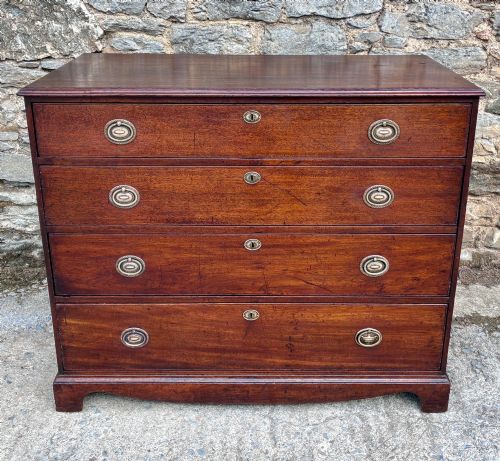
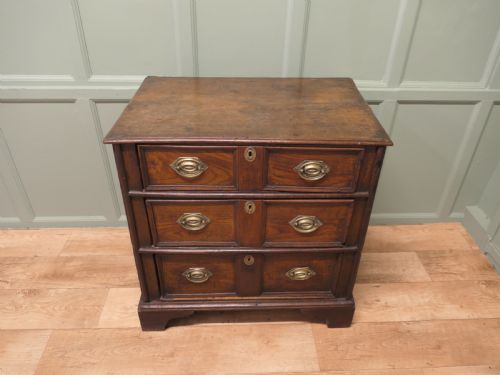
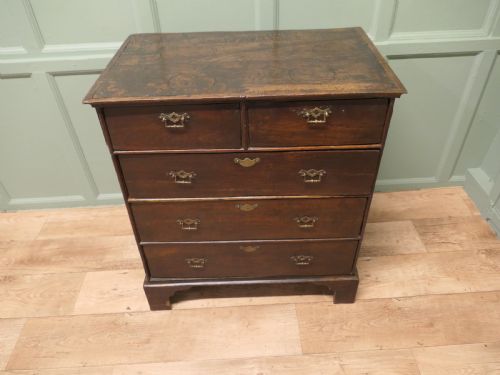
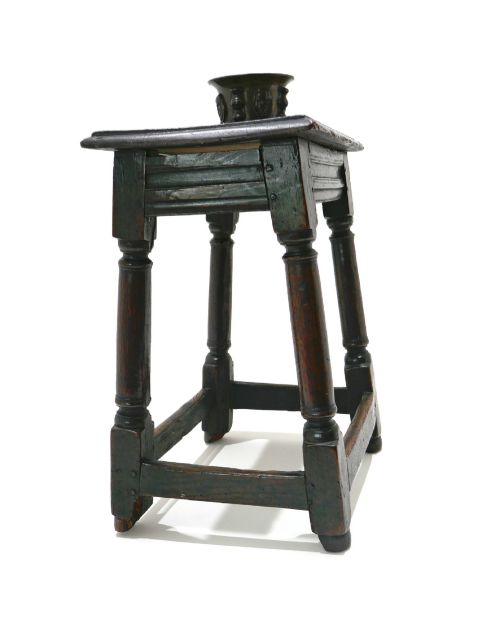
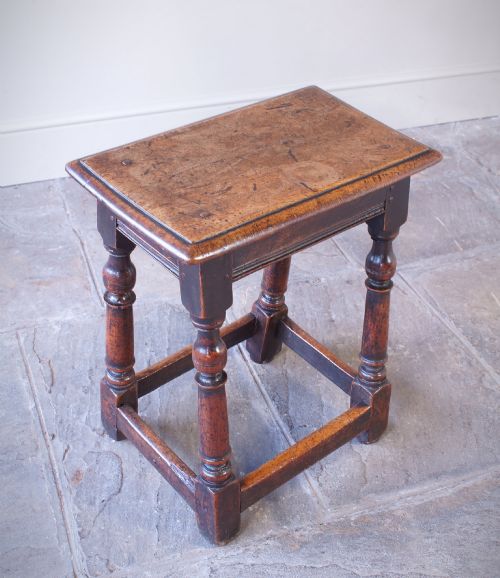
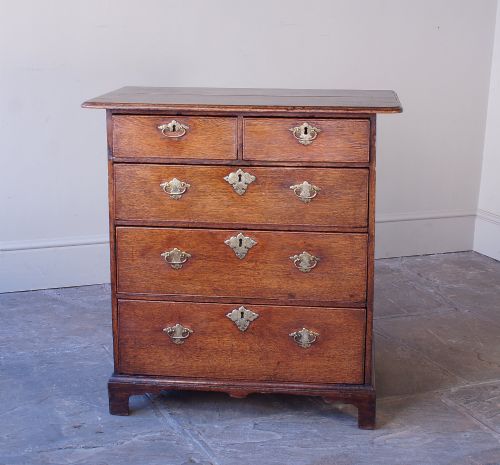
Chests of drawers and joint stools dominate the earlier 17th-century entries, typically fashioned from sturdy oak or elm. These robust forms reflect an era focused on practical domestic storage and seating.
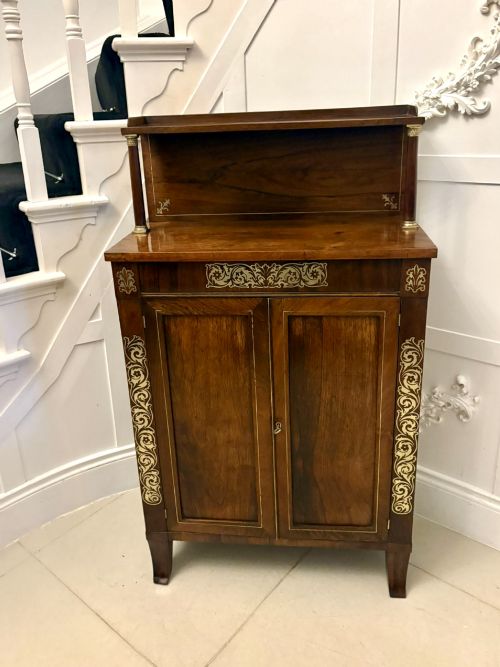
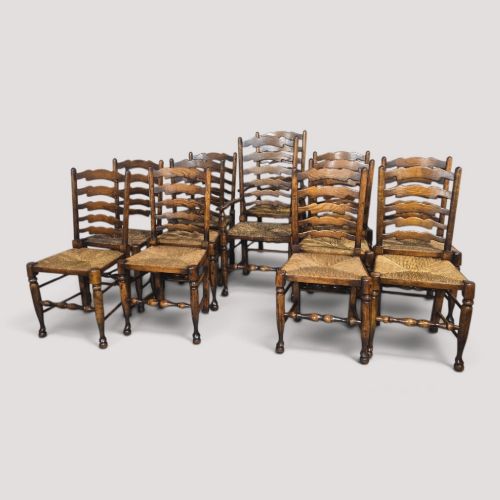
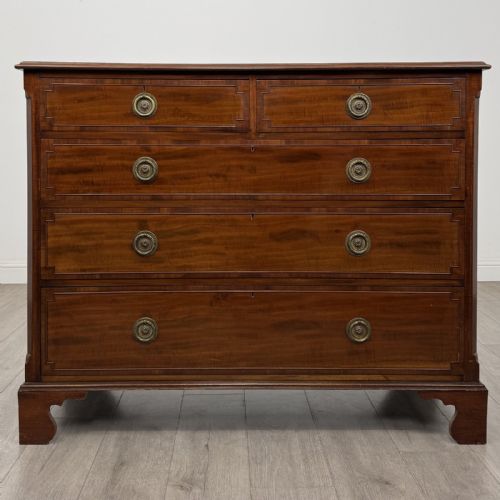
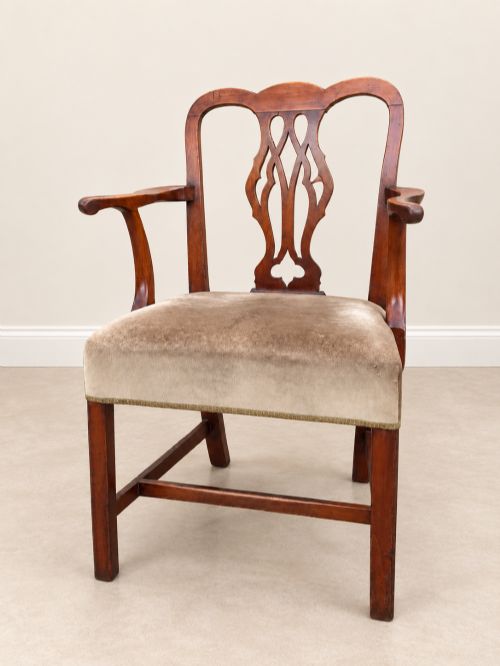
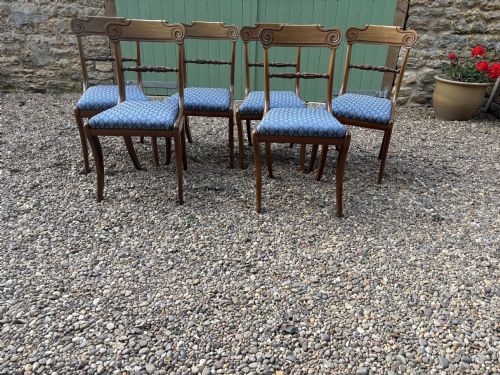
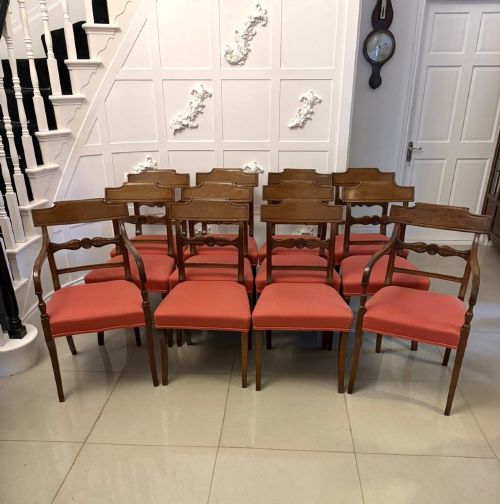
As you move into the 18th and 19th centuries, the offerings shift toward Georgian mahogany and Regency dining sets, library tables, and display cabinets. These later items display finer grain patterns and more delicate proportions suited to formal entertaining.
Materials and Construction
Makers relied on native hardwoods like oak, elm, and fruitwood for early pieces, utilising pegged joinery and joined construction to build rigid frames that survived centuries of use. The heavy reliance on solid oak and country elm gives these items their characteristic weight and structural integrity.
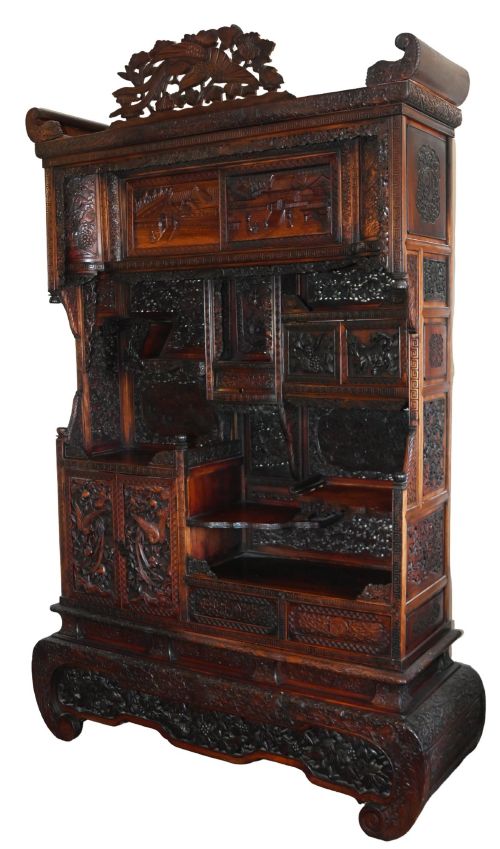
Later periods introduced imported mahogany, walnut, and exotic hardwoods such as Gonçalo Alves, allowing craftsmen to employ finer dovetailing, marquetry inlay, and turning techniques. Brass hardware, iron fixtures, and velvet or fabric upholstery frequently complement these polished timber surfaces.
Listings feature oak, mahogany, elm, walnut, and exotic hardwoods across pieces dating from the 17th century to the Edwardian era.
Distinguishing Quality
The standard of timber selection and the retention of original surfaces dictate where a piece sits in the hierarchy. Items retaining their untouched patination, original brasses, and minimal structural alterations command greater respect from collectors.
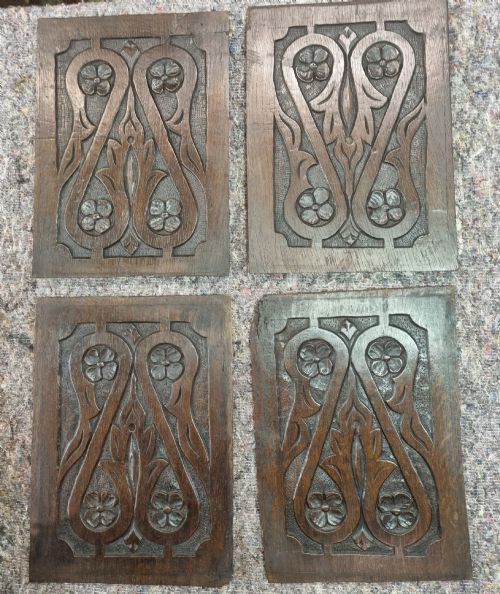
The execution of joinery and carved details separates workshop output from standard production. Crisp hand-carving on oak panels or precise dovetailing in drawer construction signals superior craftsmanship.
Maple and Co
The Period Wooden Furniture Glossary
- Joint Stool
- A sturdy wooden stool constructed with mortise and tenon joints rather than turned legs inserted into a seat. These 17th-century items served multiple household purposes.
- Mule Chest
- A traditional storage chest featuring one or two drawers at the base beneath the main compartment. They bridge the gap between simple coffers and full chests of drawers.
- Dovetail
- A joint used in drawer construction formed by interlocking wedge-shaped fingers. Hand-cut dovetails are a hallmark of older cabinet making.
- Marquetry
- Decorative veneer work inlaid into wood to form intricate patterns or pictures. It appears on finer storage pieces from the 17th century onwards.
- Carver
- An armchair designed to match a set of dining chairs, usually placed at the head of a dining table. They feature arms while the accompanying side chairs remain armless.
Period Wooden Furniture: Frequently Asked Questions
How do I date period wooden furniture?
Dating relies on examining the timber species, tool marks left by saws and planes, and the method of joinery used in the construction. Earlier pieces utilise hand-riven oak and pegged joints, while later centuries introduced mechanical saws and standard metal screws.
Hardware styles, secondary woods inside drawers, and the overall proportions also provide clear physical evidence of the decade or reign in which the item was built.
Are these pieces suitable for daily use?
Most period wooden furniture was built for practical domestic life and remains entirely functional for modern homes. Solid oak tables, sturdy dining chairs, and chest of drawers handle everyday demands very well.
Care should be taken with polished mahogany surfaces and delicate inlay work, using coasters and avoiding placement near direct heat sources to prevent timber movement.
What is the difference between oak and mahogany furniture?
Oak furniture represents the earlier centuries of domestic British making, characterised by heavy frames, visible grain, and pegged joinery. It brings a rustic, tactile presence to a room.
Mahogany arrived in force during the Georgian and Regency periods, allowing cabinet makers to produce lighter, highly polished items with smooth surfaces and refined carving.
How should I care for antique wood surfaces?
Maintaining period timber requires simple dusting with a soft, dry cloth and the occasional application of traditional beeswax to nourish the polish. Avoid modern silicone sprays that build up and attract dust over time.
Keeping pieces away from direct sunlight and maintaining stable room humidity protects the wood from drying out, cracking, or warping.