
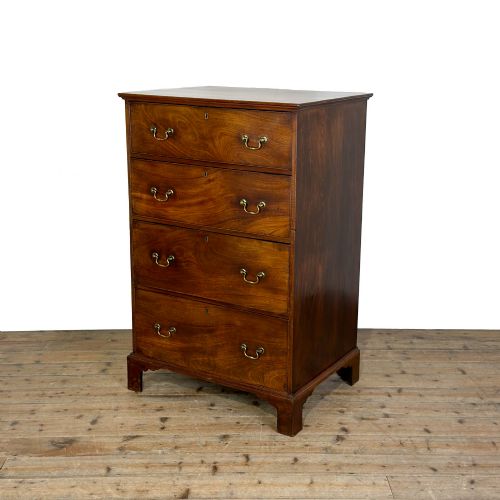
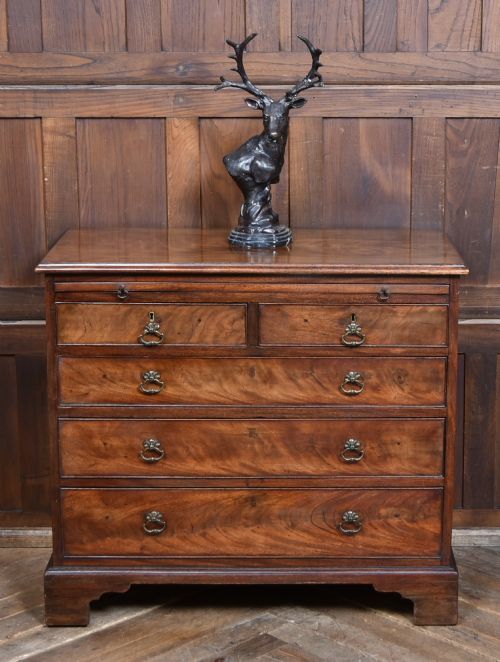
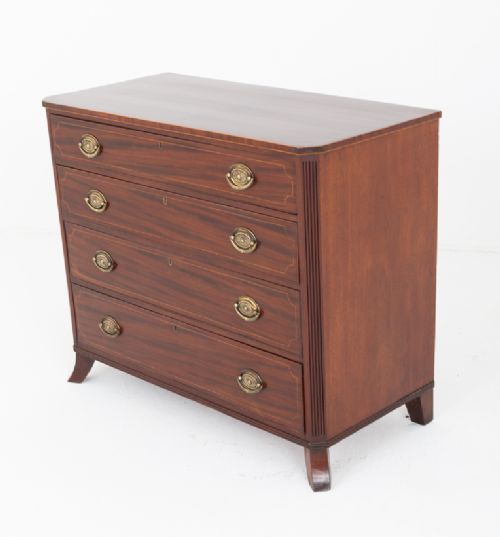

Period Wooden Commode
A period wooden commode brings tactile warmth and serious storage to a room, ranging from early oak chests to polished mahogany designs.
Period Wooden Commode
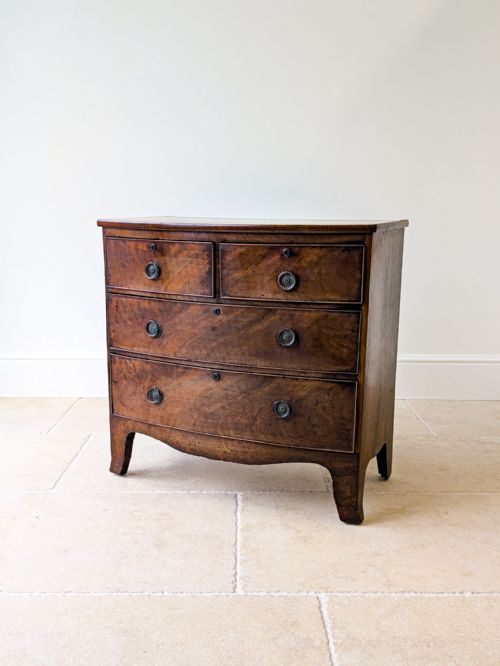
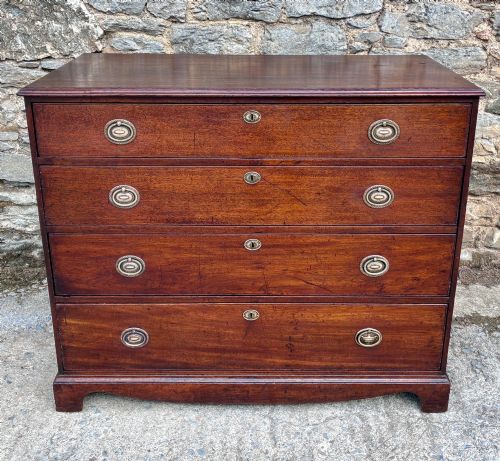
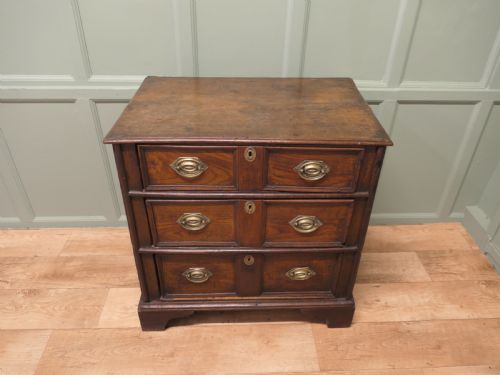
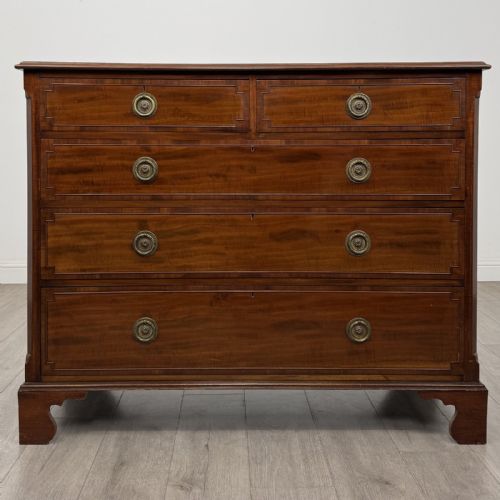
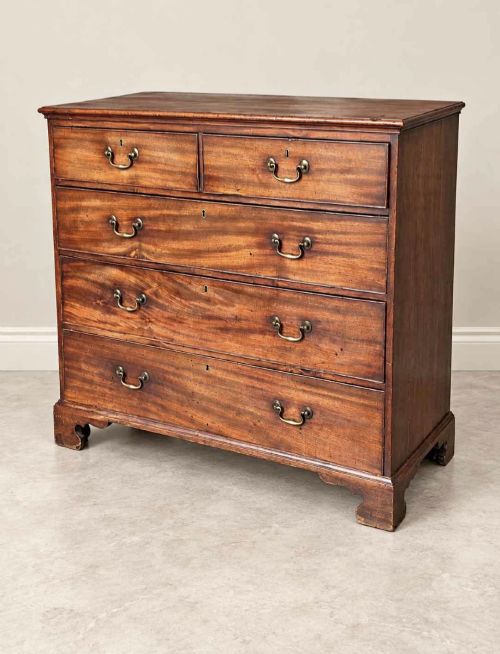
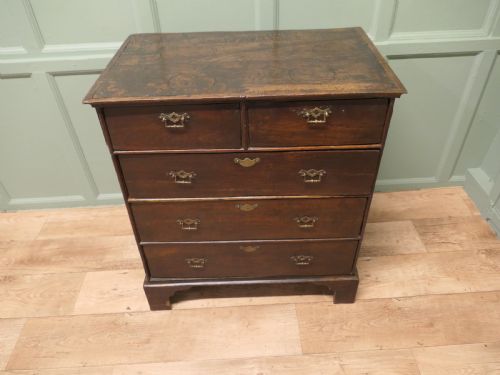
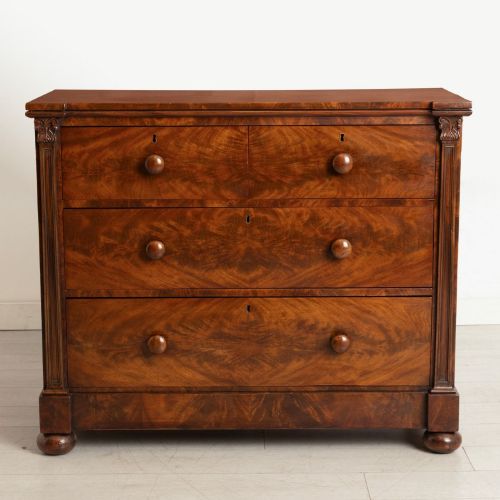
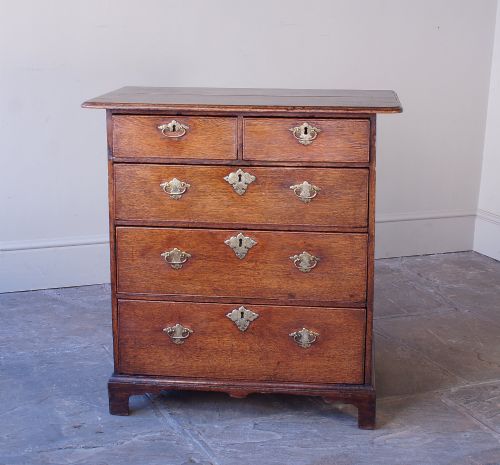
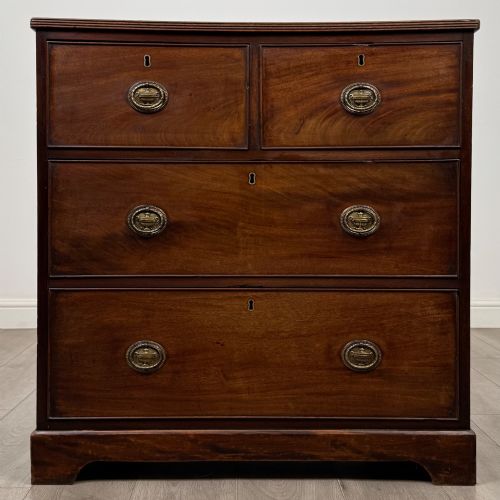
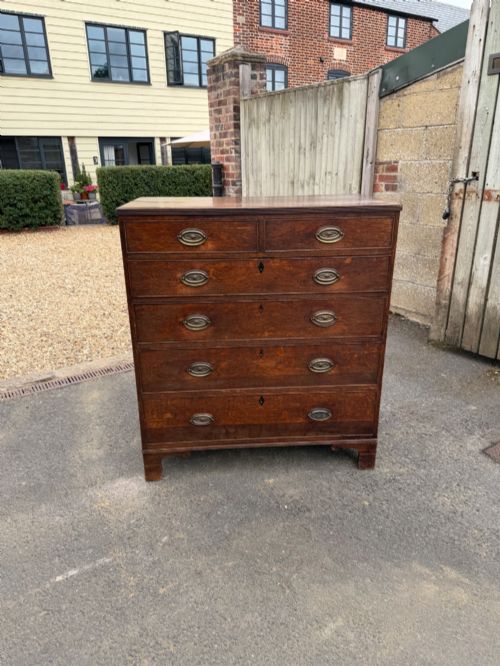
When you search for a period wooden commode, you encounter a variety of forms spanning chest of drawers, close stools, and box stools. The listings on this page are dominated by chest of drawers and close stools from the Georgian, Regency, and 17th Century periods.
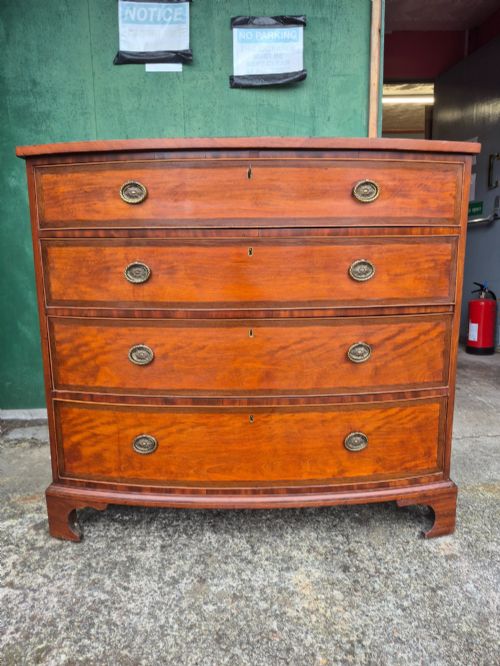
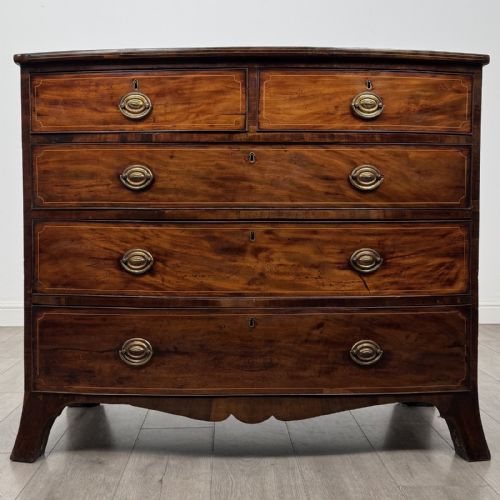
Early examples lean towards sturdy oak and walnut, often built as compact boxes or chests with simple bracket feet. Later iterations move into graceful mahogany and satinwood, including bow front shapes and bedside cabinets.
Materials and construction
The pieces rely on timber selected for grain and resilience, principally mahogany, oak, and walnut, alongside accents of elm, yew wood, olive wood, and satinwood. Brass hardware provides functional mounts and handles across the different styles.
Joinery techniques match the periods, from pegged framing on 17th-century oak items to finer drawer construction in Georgian and Regency workshops. Timber surfaces are finished to highlight the natural figures of the wood, whether burr walnut or figured mahogany.
Some early close stools were ingeniously disguised as innocent bedside chests, keeping domestic realities thoroughly under wraps.
Separating the grades
Quality rests on the choice of timber and the preservation of original surfaces, where figured mahogany or burl veneers show superior selection by the maker. The crispness of carved details, inlay work, and bracket feet also distinguishes finer examples.
Structural integrity and the retention of original brass fittings elevate certain pieces above standard utility furniture. Untouched patination on older oak and walnut surfaces indicates careful preservation over centuries.
The Period Wooden Commode Glossary
- Bow front
- A convex curved cabinet or chest front that projects outward in a smooth arc. This shape became particularly popular during the Regency and late Georgian periods.
- Bracket feet
- A simple foot shape formed by two pieces of wood joined at a right angle, resembling a bracket. They often support Georgian chests of drawers.
- Close stool
- A piece of furniture enclosing a chamber pot, frequently disguised as a small bedside chest or box stool. These date back to the 17th and 18th centuries.
- Figured mahogany
- Mahogany timber displaying distinctive, highly decorative grain patterns such as flame or mottle. Makers reserved this for premium drawer fronts and top surfaces.
- Satinwood
- A durable, yellowish wood used for high-end furniture decoration and inlay work. It gives a bright, contrasting appearance against darker timbers like mahogany.
Period Wooden Commode: Frequently Asked Questions
What is a period wooden commode?
A period wooden commode refers primarily to antique chests of drawers and close stools made from timbers such as mahogany, oak, and walnut. These items functioned as practical storage or seating furniture in earlier centuries.
Today, buyers seek them for their craftsmanship and historical character. They range from early oak box stools to refined Regency bow front designs.
How do I identify a Georgian commode?
Georgian pieces often feature dense mahogany or oak construction with clean lines, bracket feet, and brass hardware. Styles range from simple country chests to sophisticated bow front designs.
Examining the drawer construction and timber grain helps confirm the period. Makers of this era focused on proportion and functional elegance.
Where should I place a wooden commode?
A wooden commode works well in a hallway, bedroom, or living space as a statement storage piece. Smaller bedside cabinets and box stools fit neatly into compact corners.
Keep wooden furniture away from direct heat sources and strong sunlight to protect the polish and timber. Proper placement preserves the natural grain and historic finish.