

Period Wooden Box
A period wooden box brings centuries of domestic storage into your home, offering heavy oak timbers and tangible early craftsmanship.
Period Wooden Box
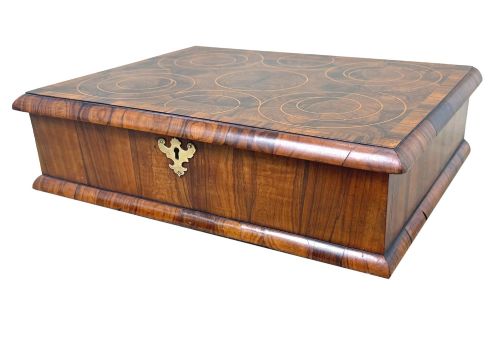
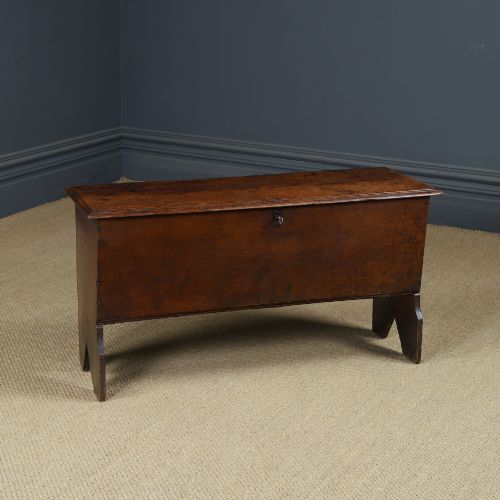
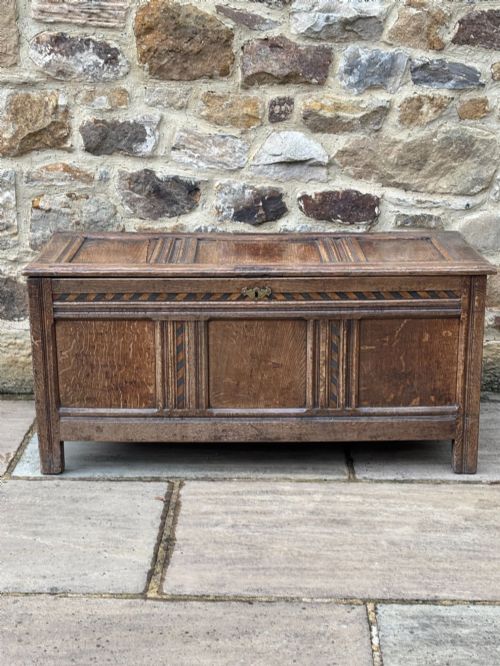
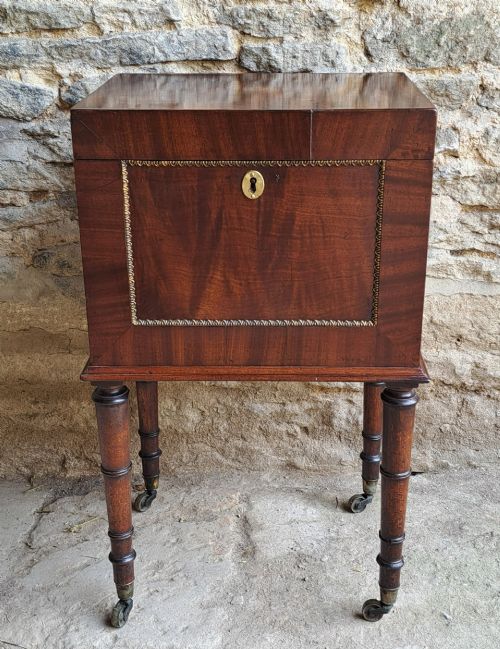
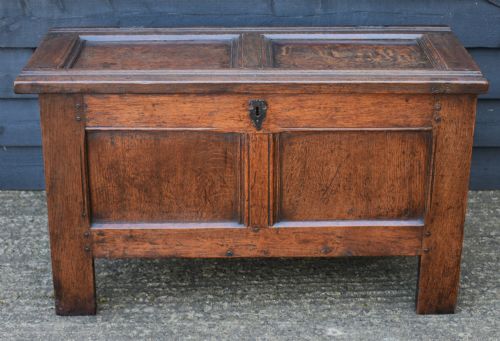
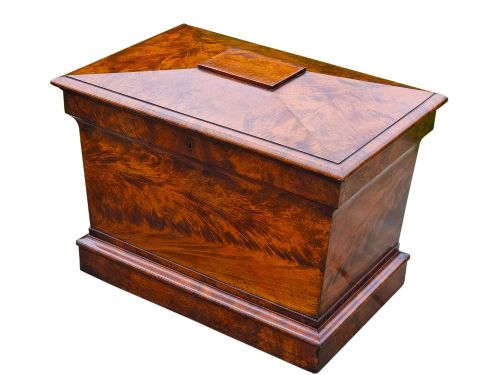
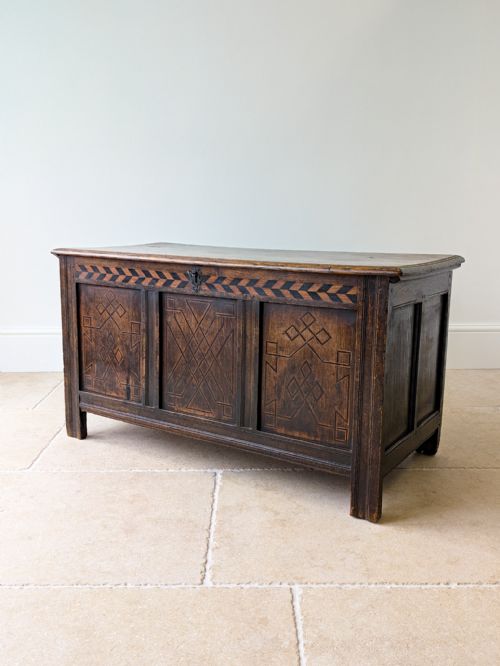
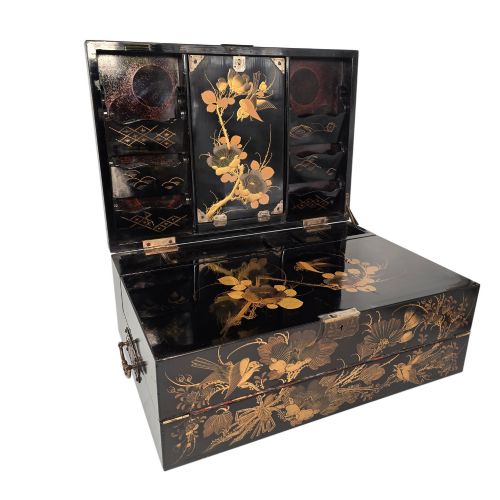
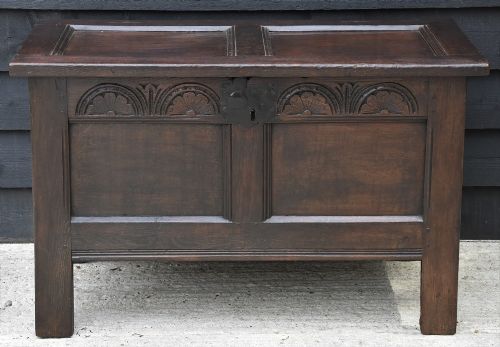
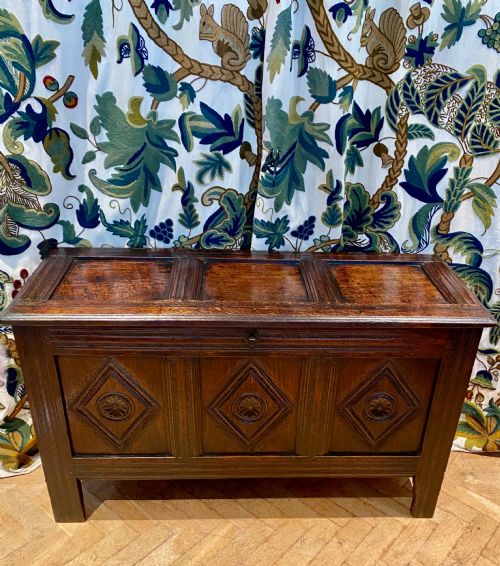
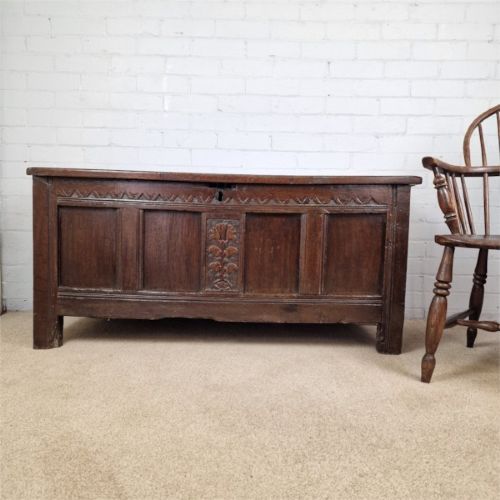
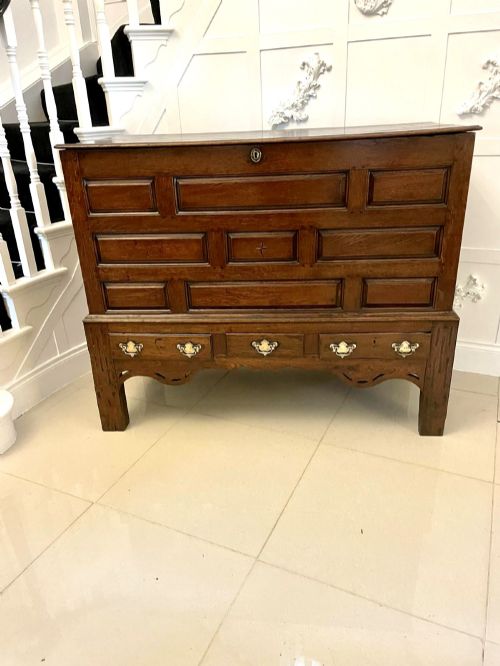
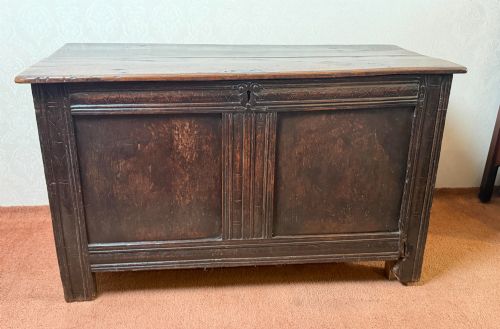
When you examine a period wooden box, you encounter heavy storage containers designed for daily household use across the sixteenth, seventeenth and eighteenth centuries. These items range from small tabletop Bible boxes and document chests to large panelled oak coffers and mule chests intended for heavy linens.
The selections span distinct historical eras including Elizabethan, Jacobean, Georgian and William and Mary periods. Most survivors employ robust timbers, occasionally featuring regional characteristics such as Welsh or West Country origins.
Smaller variants such as tea caddies, spice cupboards and lace boxes represent more intimate domestic containers from later decades. Every functional form reveals the shifting storage needs of British households over hundreds of years.
How they were made
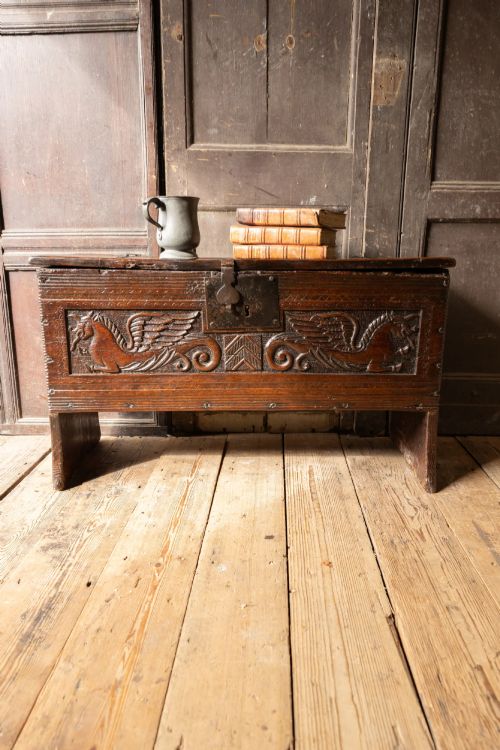
Joinery methods define these pieces, relying heavily on joined oak construction, panelled frameworks and six-plank assemblies rather than modern fixings. Timbers were locally sourced, frequently utilising English oak, elm and fruitwood alongside secondary elements of walnut and mahogany.
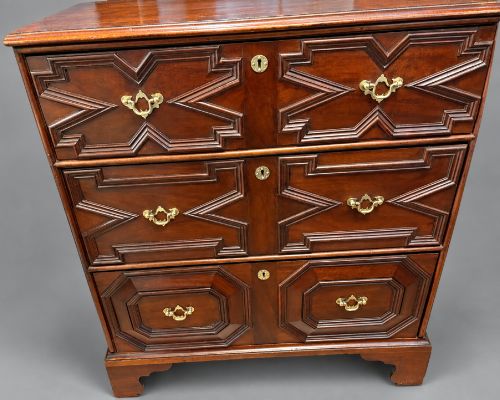
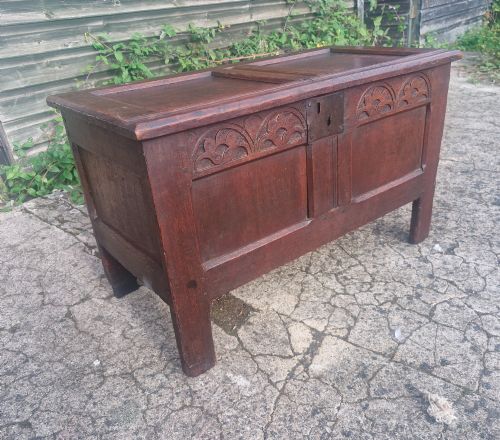
Surface decoration involved hand carving, geometric panelling and occasional marquetry inlay using exotic woods like satinwood and kingwood. Hardware consisted of forged iron hinges and brass fittings that secured lids and small compartments.
Period Wooden Box Retail Price Guide 2026
Typical asking prices for period wooden box among the pieces listed under this phrase on Sellingantiques today, from the lower quarter to the upper quarter. They describe what is for sale here now, not the wider market.
Several surviving oak coffers still bear the deep scorch marks left by seventeenth-century householders attempting to ward off evil spirits.
What varies in quality
Quality rests in the integrity of the original timber and the depth of the hand-carved decoration applied to panels and friezes. Pieces retaining their original hinges, unreplaced boards and undisturbed surfaces command greater appreciation.
Proportion and structural complexity also divide standard utility chests from exceptional examples featuring marquetry, regional provenance or uncommon small dimensions.
The Period Wooden Box Glossary
- Coffer
- A large wooden chest traditionally used for storing valuables, documents or household textiles. These pieces often feature heavy lids and robust frame-and-panel construction.
- Joined oak
- A method of framing furniture using mortise and tenon joints secured by wooden pegs. This technique provided sturdy domestic storage before modern cabinetmaking evolved.
- Boarded chest
- A simple storage box constructed from thick planks nailed or pegged edge-to-edge. Six-plank chests represent some of the earliest surviving domestic furniture forms.
- Mule chest
- A storage chest featuring one or more drawers beneath the main internal compartment. They bridge the gap between traditional coffers and modern drawer chests.
- Marquetry
- The art of applying decorative veneer pieces to a structural surface to form geometric or pictorial patterns. Craftsmen utilised contrasting timbers such as satinwood and kingwood for visual depth.
Period Wooden Box: Frequently Asked Questions
How old is my wooden box?
Dating relies on examining construction techniques, joinery methods, tool marks and timber species. Earlier items from the sixteenth and seventeenth centuries typically employ pegged mortise and tenon joints in native oak.
Later eighteenth-century examples introduce refined veneers, mahogany timbers and dovetail construction. Comparing hardware styles and decorative carving motifs against dated comparative pieces provides further chronological context.
What were small wooden boxes used for?
Small boxes served specific secure storage purposes in early households where personal valuables required protection. Bible boxes safeguarded sacred texts and writing materials, while document boxes held important deeds and correspondence.
Specialised containers like lace boxes, spice cupboards and tea caddies preserved precious imported commodities and delicate garments from dampness and theft.
How do I care for antique oak?
Maintain stable environmental conditions away from direct heat sources and sudden temperature fluctuations to prevent timber splitting. Excessive dryness causes old wood to shrink and crack.
Apply traditional beeswax sparingly to nourish the surface and preserve the historic patina without sealing the wood pores permanently.
What is the difference between a coffer and a chest?
While the terms are often used interchangeably, a coffer traditionally denotes a more substantial storage container with a heavy hinged lid, frequently associated with church or domestic security. Chests can encompass simpler board constructions or later drawer combinations.
Both forms served identical primary functions for containing household goods before fitted closets became common.