





Period Wine Box
A period wine box serves as a secure and elegant vessel for storing and chilling bottles, combining functional craftsmanship with the refined aesthetic of past centuries.
Period Wine Box
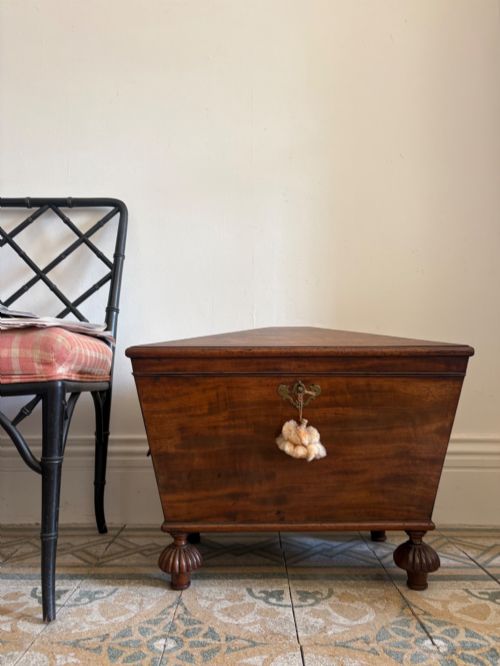
A period wine box encompasses robust cellarettes, wine coolers, and occasional stands designed to hold bottles at the dining table or sideboard. These items emerge primarily from the Georgian, George II, George III, and Regency eras, reflecting the formal entertaining habits of high society.
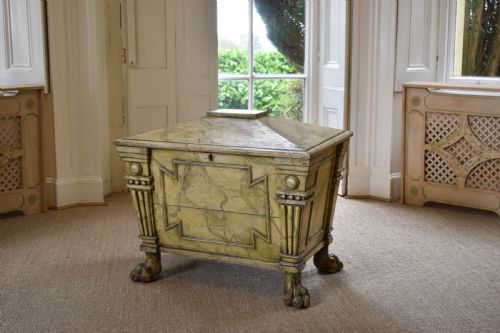
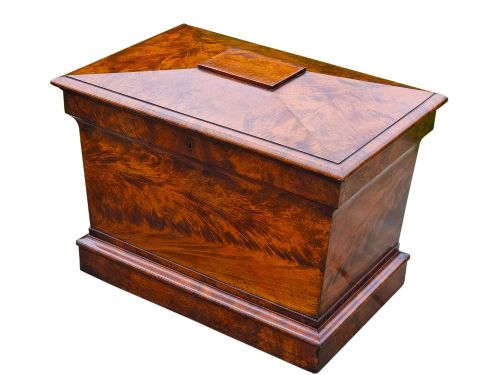
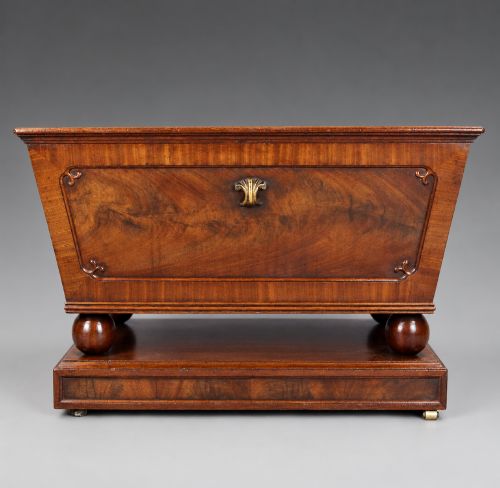
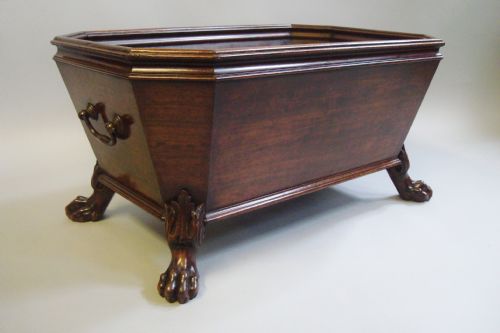
The most common form encountered in this selection is the sarcophagus-shaped wine cooler, typically resting on paw feet or a plinth base. These pieces date predominantly from the early 19th century and the Regency period, showcasing substantial proportions and classical architectural influences.
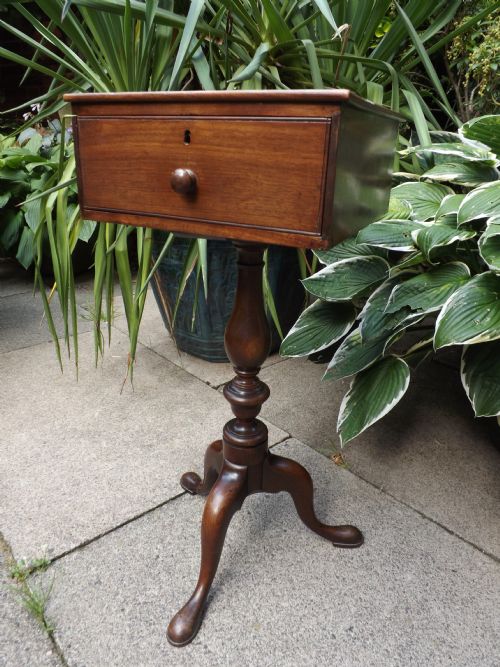
Makers utilised various formats, ranging from oval George III designs to late Regency examples executed in pollard oak or flame mahogany veneer. Alongside standard cellarettes, the listings also include specialised items such as jardiniere stands and tripod-base tables adapted for similar domestic roles.
What varies in quality
The sophistication of the timber grain and the depth of the natural patina set finer examples apart from standard utility pieces. Highly figured timbers, such as burr elm and pollard oak, indicate a more ambitious commission directed by skilled cabinetmakers.
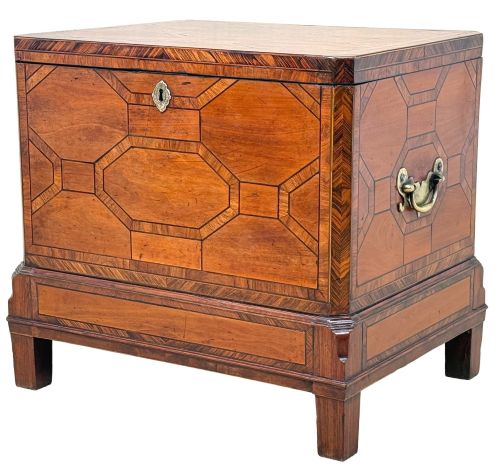
Quality also manifests in the precision of the joinery and the integrity of internal components like lead linings. Finer boxes retain their original mounts and structural hardware without extensive replacement, preserving the balance between decorative finish and practical utility.
Period Wine Box Retail Price Guide 2026
Typical asking prices for period wine box among the pieces listed under this phrase on Sellingantiques today, from the lower quarter to the upper quarter. They describe what is for sale here now, not the wider market.
The listings span the 18th and 19th centuries, predominantly featuring mahogany, brass, and lead in Regency and Georgian styles.
The Period Wine Box Glossary
- Cellarette
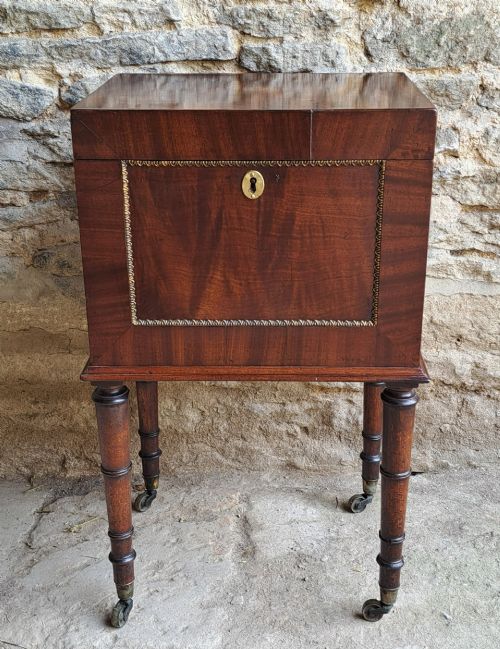
- A lockable container or box designed to hold bottles of wine securely beneath the dining table or sideboard. These vessels often include fitted interior compartments.
- Sarcophagus
- A monumental architectural shape resembling a stone coffin, featuring a pitched lid and tapering sides popular in Regency furniture design. This form frequently rested upon carved paw feet.
- Ormolu
- Gilt bronze ornamentation applied to furniture to provide a striking metallic contrast against dark hardwoods. This technique requires precision casting and fire gilding.
- Padouk
- A heavy tropical hardwood valued for its rich reddish-brown colour and stable grain structure, utilised in elite Regency cabinetmaking. It accepts a high polish.
- Patina
- The deep, lustrous surface sheen developed on old wood through decades of handling, exposure to light, and polishing. It serves as an indicator of age and careful maintenance.
Period Wine Box: Frequently Asked Questions
What is a period wine box?
A period wine box is a container built to store, transport, and cool wine bottles during the 18th and 19th centuries. They were kept in dining rooms for ready access during meals.
These pieces range from simple wooden boxes to grand sarcophagus coolers mounted on paw feet. They reflect the formal dining customs of the Georgian and Regency eras.
How were these boxes used?
Servants used them to hold bottles and ice before serving wine at the dining table. The lead linings retained cold temperatures to keep the wine chilled.
They also served as secure storage, often fitted with locks to protect valuable vintages from household staff. Their sturdy construction allowed them to sit safely on the floor or sideboard.
How do I identify a Regency wine box?
Regency pieces often feature classical architectural motifs, bold flame mahogany veneers, and sarcophagus shapes. They frequently incorporate brass paw feet or lion-mask ring handles.
Earlier Georgian examples tend towards oval forms or simpler box cellarettes with bracket feet. Cabinetmakers of the Regency period favoured heavier, more sculptural proportions.
Can I use a wine cooler today?
Many buyers utilise them as decorative stands, side tables, or plant holders in living spaces. Their generous proportions make them suitable for holding magazines or logs.
While some retain their original lead liners for actual cooling, others serve primarily as striking focal points in a traditional interior.