



Period Watercolour Art
Period watercolour art brings tactile character to a room through original works on paper spanning the Georgian, Regency, and Victorian eras.
Period Watercolour Art
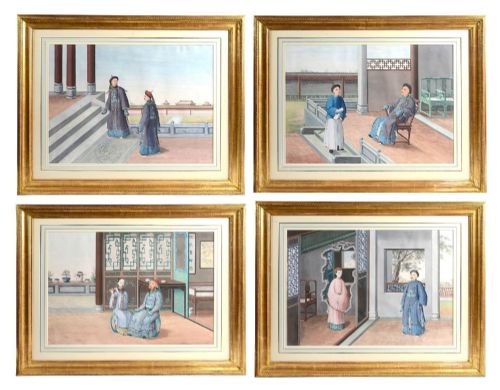
Period watercolour art encompasses hand-painted works executed on paper, card, and silk, ranging from intimate portrait miniatures to larger landscape studies. Buyers searching this phrase encounter examples originating from English, French, Chinese Export, and Japanese traditions created across the eighteenth, nineteenth, and early twentieth centuries.
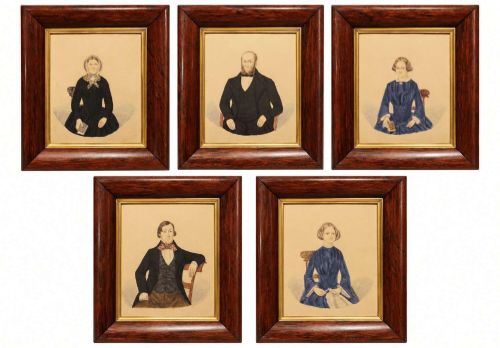
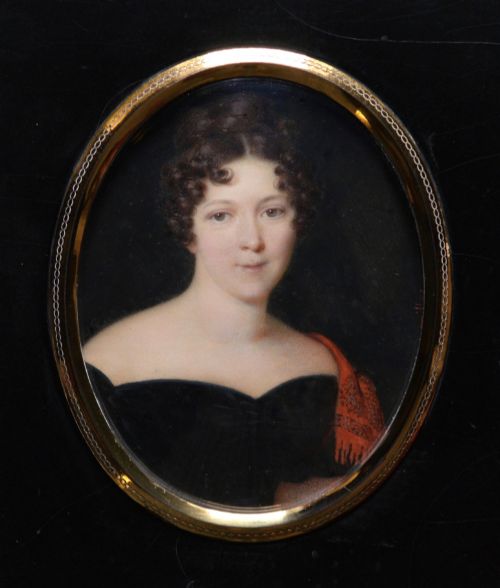
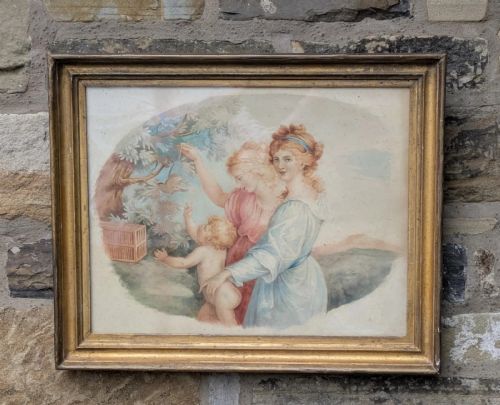
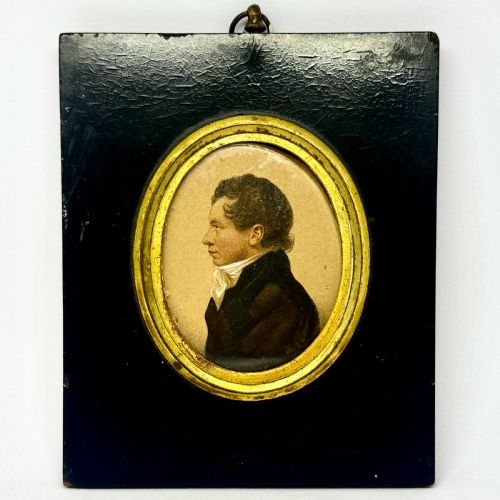
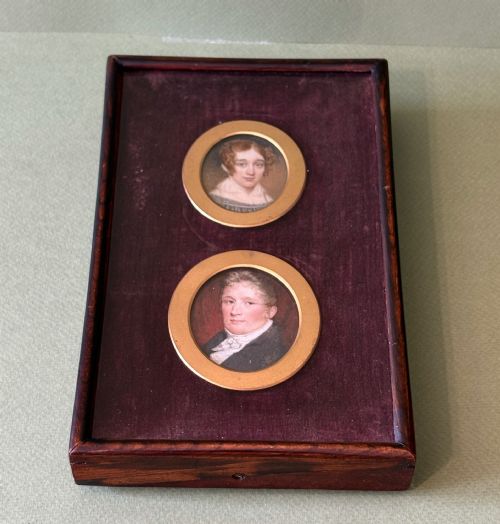
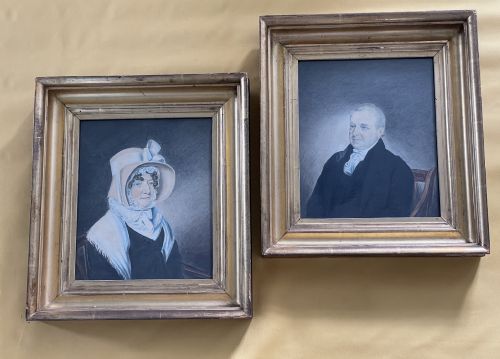
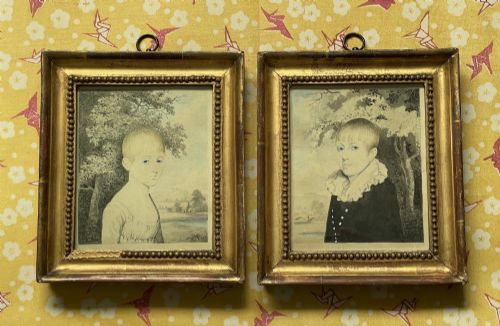
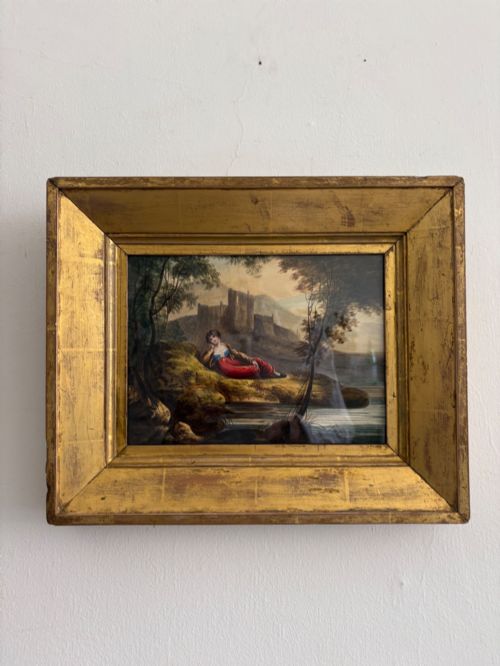
The most common formats on this page are framed portrait miniatures and landscape watercolours set within period wooden or giltwood surrounds. These works capture specific historic aesthetics, from Regency portraiture to Meiji period Japanese paintings.
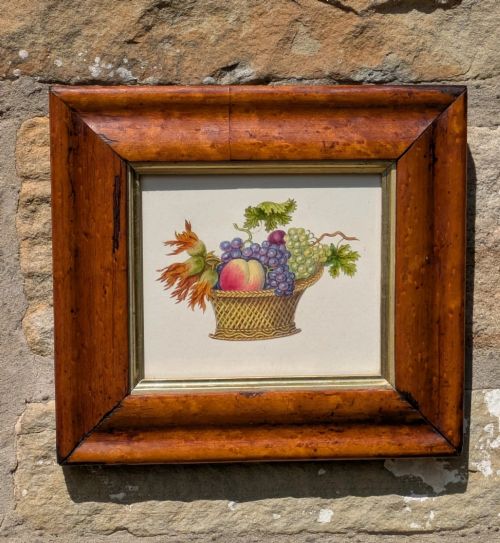
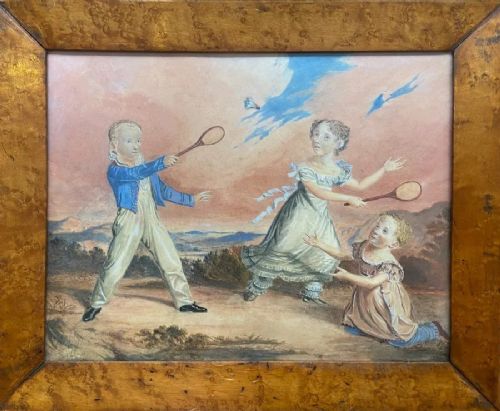
Subjects vary widely, taking in classical scenes, botanical fruit arrangements, architectural views such as Corfu, and character studies of children and adults. Many pieces retain their original glass and ebonised or gilded frames, offering a complete historical package.
How they were made
Watercolour pigment mixed with water was applied directly to paper or silk supports, occasionally supplemented with gouache to add opaque highlights and dense body colour. Pencil underdrawing frequently underpins the composition, visible beneath transparent washes of pigment.
Frames play a crucial structural and aesthetic role, constructed from wood, brass, and gilded materials to protect the delicate paper supports behind glass. Many works utilise ornate giltwood or ebonised frames tailored to the decorative tastes of the Georgian, Regency, and Victorian periods.
Period Watercolour Art Retail Price Guide 2026
Typical asking prices for period watercolour art among the pieces listed under this phrase on Sellingantiques today, from the lower quarter to the upper quarter. They describe what is for sale here now, not the wider market.
Listings feature works rendered in watercolour, gouache, and pencil on paper and silk supports.
What varies in quality
Quality rests upon the artist's draughtsmanship and brushwork control, distinguishing hurried sketches from finely detailed portrait miniatures and sweeping landscapes. The subtlety of colour blending and the preservation of pigment vibrancy across the paper surface dictate the visual impact of each piece.
The integrity of the framing and mount provides another distinction, as original period giltwood, brass-fitted cases, and ebonised surrounds maintain the contextual harmony of the artwork. Works retaining signed attributions or documented provenance carry additional distinction within the medium.
Henry Travis·Philip Richard Morris·Gaston Cornil·Alice Anne Renshaw·Arthur Hopkins·John Augustus Atkinson·Thomas Woolnoth·Edith E Caswall·Emma Kendrick·James H Hulse·B. Kaufmann·Thomas Ivester Lloyd·Takashi Nakayama·Frederick Thomas Baynes·Robert Kemp
The Period Watercolour Art Glossary
- Watercolour
- A painting method where fine pigment is suspended in a water-soluble binder and applied to paper. It relies on the white of the paper showing through translucent washes to create light.
- Gouache
- An opaque water-soluble paint consisting of pigment, water, and a binding agent such as gum, often used alongside watercolour to add highlights.
- Miniature
- A small-scale painting, frequently a portrait, executed with meticulous detail on ivory, card, or paper. These portable works were often housed in protective cases or hinged frames.
- Giltwood
- Wood carved and coated with a thin layer of gold leaf or gilt composition, commonly used for nineteenth-century picture frames.
- Ebonised
- Wood treated with a stain or finish to imitate ebony, producing a dense black surface typical of Regency and Victorian framing.
Period Watercolour Art: Frequently Asked Questions
How should I hang period watercolours?
Keep watercolours away from direct sunlight to prevent the fugitive pigments from fading over time. Position them on interior walls with stable ambient humidity.
Use picture lights sparingly and ensure the protective glass does not rest directly against the painted paper surface.
What frames are original to these paintings?
Georgian and Regency works frequently utilise simple ebonised wooden frames or narrow gilded moulds fitted with old window glass. Later Victorian pieces often feature ornate giltwood or deep decorative frames.
Look for hand-carved details and period backing boards secured with old-style fixings to confirm authenticity.
How do I date an antique watercolour?
Examine the costume, hairstyle, and framing style of the subject, as portrait miniatures and figures closely follow the fashion of their decade. Regency and Georgian works often display distinct soft facial rendering and linear delicacy.
Paper characteristics, maker signatures, and handwritten inscriptions on the reverse also provide firm chronological clues.
Can I remove watercolours from their frames?
Leave fragile paper works inside their original housings unless professional conservation is strictly required. Opening old frames risks introducing dust and moisture to the delicate pigments.
Original seals and backing papers often hold historical value and should remain undisturbed.