




Period Upholstered Sofa
A period upholstered sofa brings centuries of craftsmanship into a room, offering both generous seating and historic presence through carved timber and rich textiles.
Period Upholstered Sofa
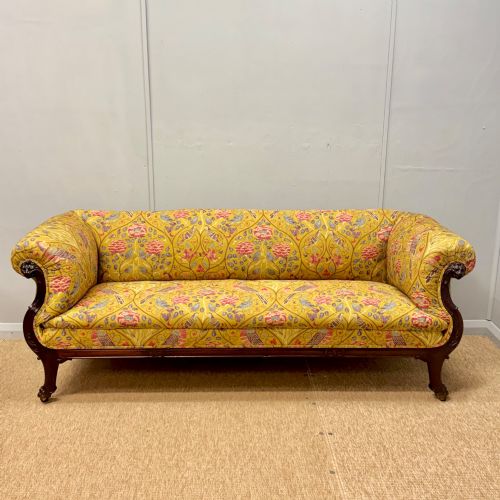
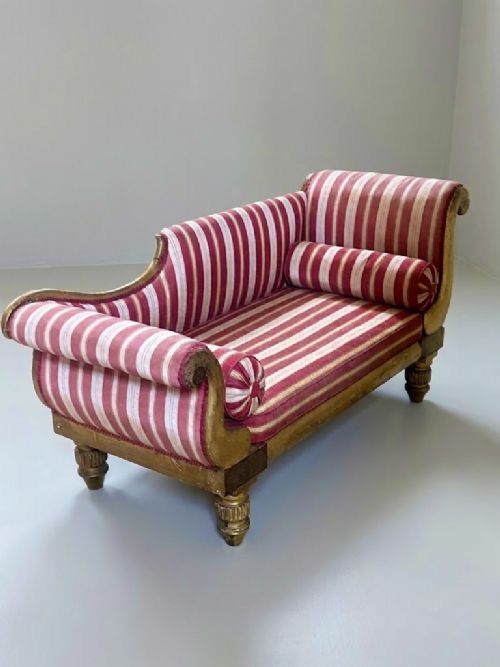
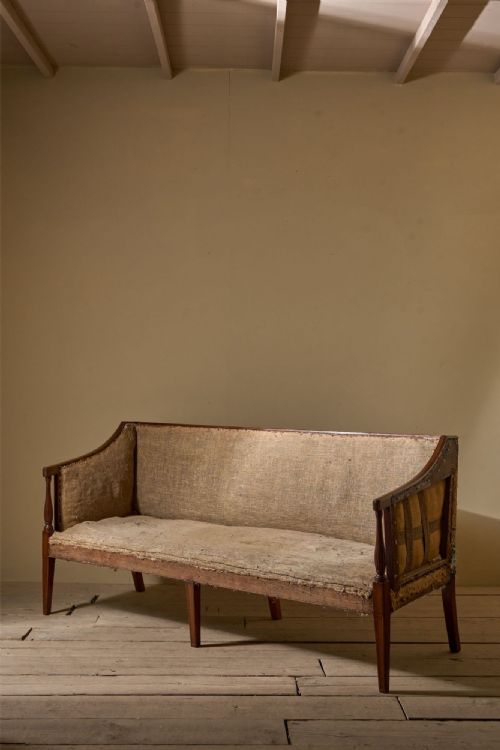
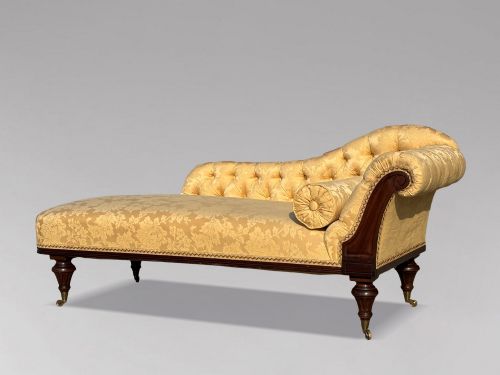
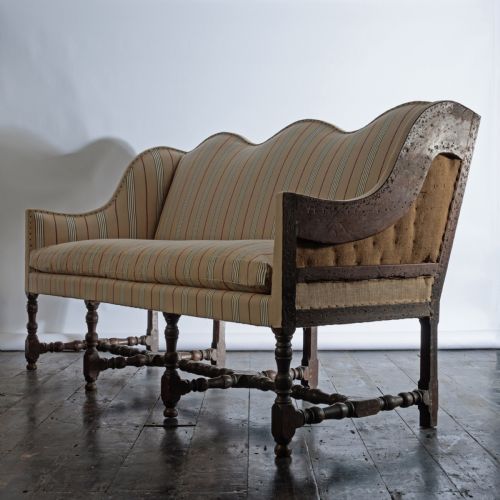
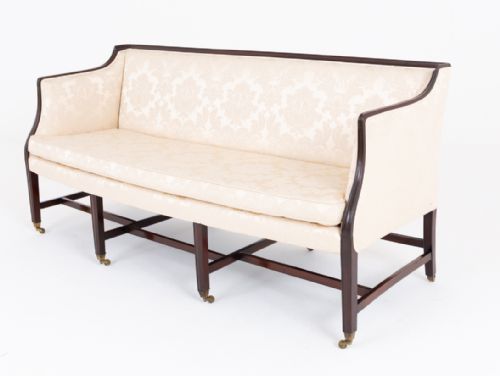
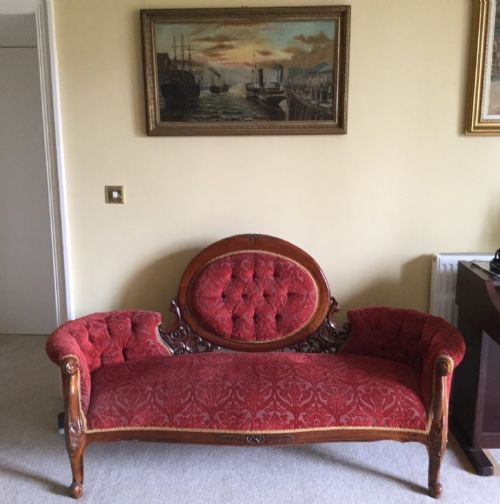
A period upholstered sofa encompasses large wooden frames softened by textiles, taking forms such as settees, double-ended couches, chaise longues, and drop-arm designs. These seats date from the seventeenth century through to the Edwardian era, spanning Georgian proportions and Regency styling.
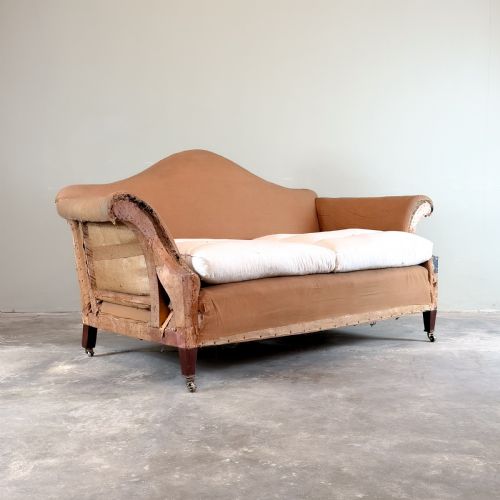
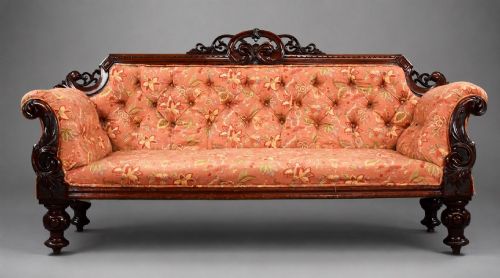
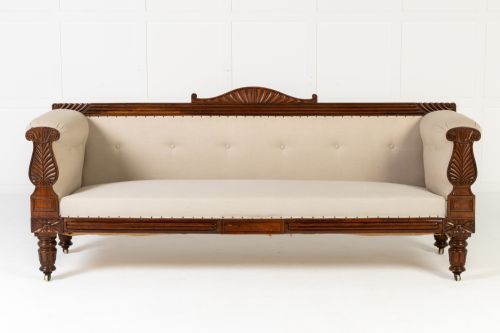
The most common examples on this page are nineteenth-century pieces in mahogany or rosewood, alongside eighteenth-century Georgian and Chippendale designs. Buyers will also encounter Edwardian camel-back shapes and French giltwood frames.
Makers and styles stretch from country house settees to formal giltwood creations, showing influences from Louis XVI, William IV, and Queen Anne periods.
How they were made
Frames are constructed from hardwoods like mahogany, walnut, rosewood, and giltwood, frequently carved with details such as lion mask hairy paw feet or scroll ends. Joinery relies on traditional cabinet-making techniques to support the heavy loads placed upon domestic seating.
Upholstery relies on traditional stuffing secured over hessian bases, finished with decorative textiles including silk, velvet, damask, brocade, and heavy cotton. Brass tacks and decorative braid often secure the edges of the fabric to the wooden frame.
Period Upholstered Sofa Retail Price Guide 2026
Typical asking prices for period upholstered sofa among the pieces listed under this phrase on Sellingantiques today, from the lower quarter to the upper quarter. They describe what is for sale here now, not the wider market.
What varies in quality
Quality rests in the sculptural integrity of the timber frame, distinguishing crisp hand-carved mahogany and gilded detail from simpler turned or plain woodwork. The scale and proportion of the piece dictate its visual presence, with larger country house settees and crisp Regency lines demanding greater skill from the maker.
The choice of covering material alters the character of a piece, separating standard upholstery fabric from sumptuous antique silk, brocade, or gold damask. The harmony between the original frame design and its textile covering defines the success of the piece.
Giles Grendey·Howard and Sons
The Period Upholstered Sofa Glossary
- Chaise longue
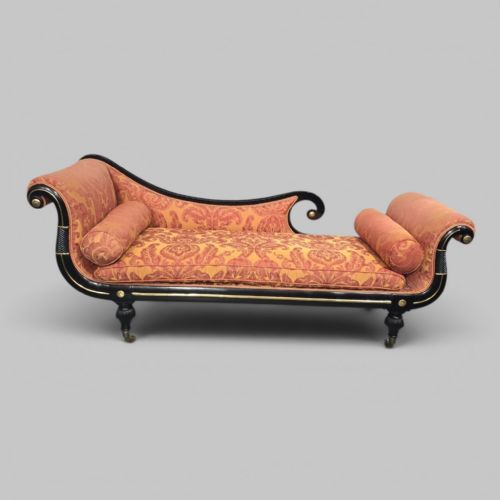
- An elongated chair form designed for reclining, combining a seated area with a backrest and partial armrest. These pieces appear in Regency and nineteenth-century inventories.
- Knole sofa
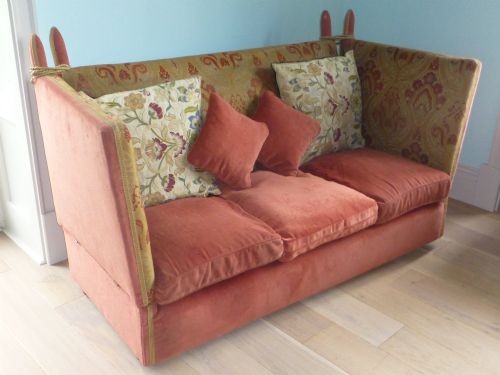
- A historic seating form featuring adjustable or drop arms that can be lowered or raised by cords and hinges. These are often upholstered in damask or velvet.
- Giltwood
- Timber coated with a thin layer of gold leaf over a prepared ground. This finish is frequently found on formal eighteenth and nineteenth-century frames.
- Camel back
- A distinctive curving sofa backrest profile that rises in a gentle hump towards the centre. This silhouette appears across Georgian and Edwardian examples.
Period Upholstered Sofa: Frequently Asked Questions
How do I identify a Regency sofa?
Regency sofas typically display classical influences, utilising rosewood or mahogany with scroll ends, lyre shapes, or brass mounts. Their silhouettes reflect the early nineteenth-century taste for ancient Greek and Roman forms.
Look for refined timber grains, sabre legs, and architectural lines that set them apart from the heavier proportions of earlier Georgian seating or the lighter Edwardian styles.
What is a Knole sofa?
A Knole sofa is a historic seating design distinguished by high, upright arms tied to the back posts with decorative braids and cords. The arms are traditionally capable of being dropped to a horizontal position.
These pieces make a strong visual statement in a living space, often paired with damask or velvet upholstery that accentuates their architectural shape.
How were these sofas used historically?
These pieces served as formal seating in grand reception rooms, parlours, and country house drawing rooms. Settees and larger sofas accommodated multiple guests for conversation, while chaise longues provided places for resting during the day.
Their placement reflected the social hierarchy and interior fashion of their respective periods, from the seventeenth century onward.
How do I care for antique upholstery?
Caring for period textiles involves regular, gentle dusting with a soft brush and protecting the fabric from direct sunlight to prevent fading. Silk, velvet, and brocade coverings require specialist cleaning to preserve their pile and weave.
Maintaining stable room humidity also protects both the underlying wooden frame and the historic textiles from drying out or degrading.