



Period Timber Coffer
A period timber coffer anchors a room with centuries of utility, offering sturdy storage and honest craftsmanship in oak, elm, or mahogany.
Period Timber Coffer
A period timber coffer serves as a robust storage box, traditionally used for household valuables, linens, or documents before fitted closets existed. The examples gathered here span from the late sixteenth century through the Georgian era and into the nineteenth century, reflecting centuries of domestic storage history.
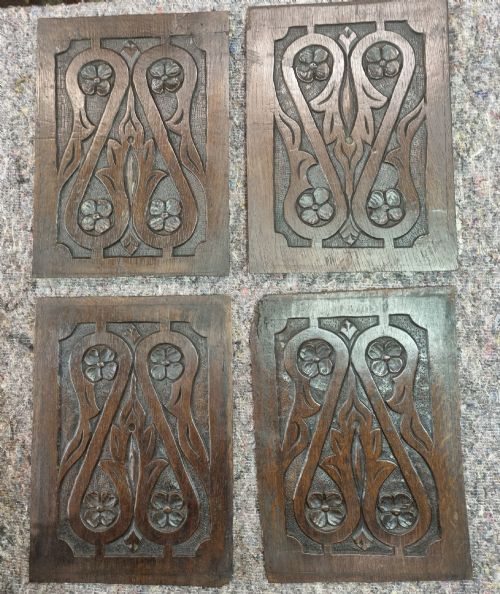
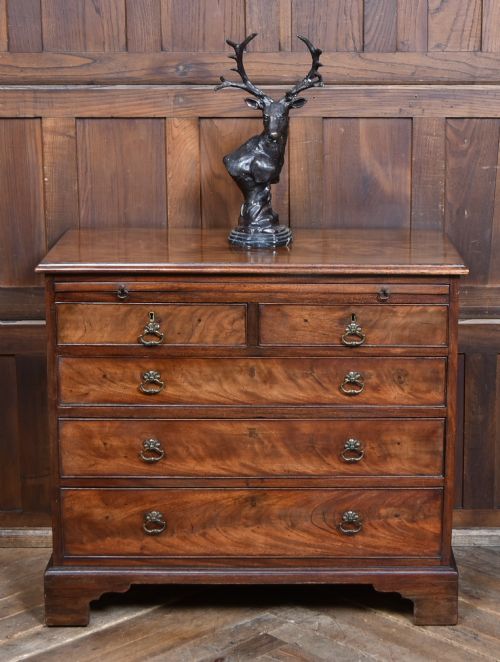
The dominant forms on this page are seventeenth-century oak coffers alongside regional variants like Welsh elm boards and Flemish Renaissance panels. Buyers also encounter related items such as carved panels, chests of drawers, and Japanese wheeled chests.
Most pieces show vernacular or formal construction from Britain and continental Europe, built from heavy native hardwoods. They range from simple joined panel designs to elaborately carved celebration pieces intended to anchor a historic interior.
Construction and materials
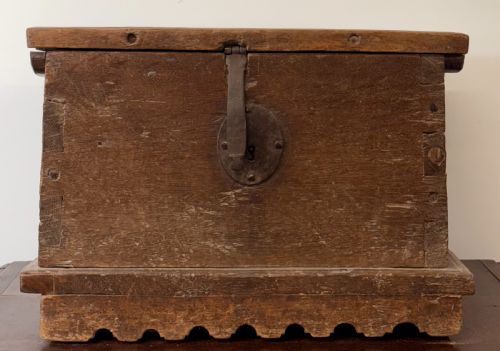
Makers built these pieces primarily from solid oak, elm, and mahogany, relying on heavy boards joined by mortise and tenon techniques or simple six-plank methods. Iron and brass hardware such as strap hinges, lockplates, and carrying handles reinforced the structure and secured the contents.
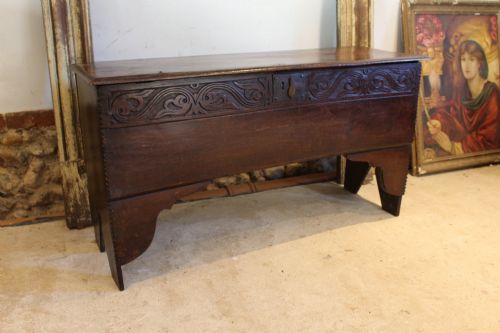
Surface decoration involved hand carving, panel moulding, and occasional applied turnings executed directly onto the timber framing. The wood was left unpainted to age naturally, developing a deep patina through decades of handling and beeswax application.
Period Timber Coffer Retail Price Guide 2026
Typical asking prices for period timber coffer among the pieces listed under this phrase on Sellingantiques today, from the lower quarter to the upper quarter. They describe what is for sale here now, not the wider market.
Some seventeenth-century coffers still smell faintly of tallow and ancient wool.
Assessing quality
Quality reveals itself in the integrity of the original timber and the depth of the patination accumulated over centuries of use. Pieces retaining their original floor boards, hinges, and locks command greater respect than those rebuilt with replacement panels or modern fixings.
The crispness and ambition of the hand carving distinguish standard workshop production from exceptional vernacular or continental examples. Proportion and structural balance also dictate worth, as well-balanced proportions demonstrate the maker's mastery of period design principles.
The Period Timber Coffer Glossary
- Coffer
- A large strongbox with a hinged lid used for storing valuables and household goods. These heavy wooden chests formed the backbone of medieval and early modern furniture.
- Joined oak
- Furniture constructed using frame-and-panel techniques with mortise and tenon joints pinned by wooden dowels. This method allowed the wood to expand and contract without splitting.
- Six-plank
- A primitive method of chest construction where six plain boards are nailed or pegged together at the edges. It represents some of the earliest surviving box forms.
- Vernacular
- Everyday utilitarian objects made by local tradesmen using regional materials and traditional designs rather than high-style metropolitan fashions. Welsh Gower pieces provide a clear example of this local character.
- Patina
- The surface sheen and softening of edges developed on wood over long periods through light, handling, and wax polishing. This quality cannot be faked quickly.
Period Timber Coffer: Frequently Asked Questions
What were coffers originally used for?
Coffers primarily served as secure storage for valuables, church plate, charters, and expensive textiles before built-in closets became common in homes.
Because they were heavy and fitted with stout iron locks, they also doubled as travel trunks or benches when packed full.
How do I date an old wooden coffer?
Dating relies on examining the construction methods, tool marks, timber species, and stylistic carving details relative to known historical periods.
Early pieces often utilise joined frame-and-panel construction with hand-split oak, whereas later nineteenth-century examples show different mechanical milling signs.
Where should I place a coffer at home?
These robust pieces suit hallways, living rooms, or bedrooms where they function as coffee tables, window seats, or blanket storage.
Keep them away from direct heat sources and radiators to prevent the dry air from splitting the historic timber.
Are six-plank chests authentic?
Six-plank chests represent a very old and straightforward method of construction where boards join directly at right angles.
While simple in design, many genuine examples survive from the seventeenth century and earlier as sturdy rural utility items.