



Period Timber Chest
A period timber chest brings honest storage and centuries of craft into a room, spanning rustic elm coffers to polished walnut drawers.
Period Timber Chest
A period timber chest encompasses storage furniture built from solid woods across the seventeenth, eighteenth, and nineteenth centuries. Buyers searching for a period timber chest will encounter robust oak coffers alongside mahogany and walnut chests of drawers.
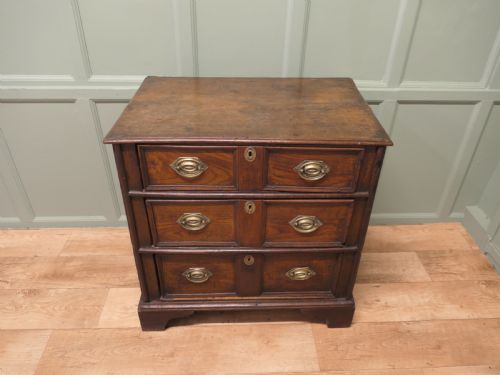
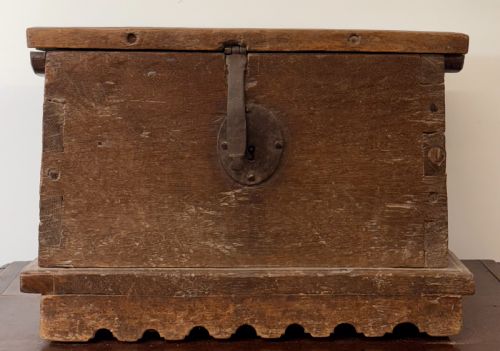
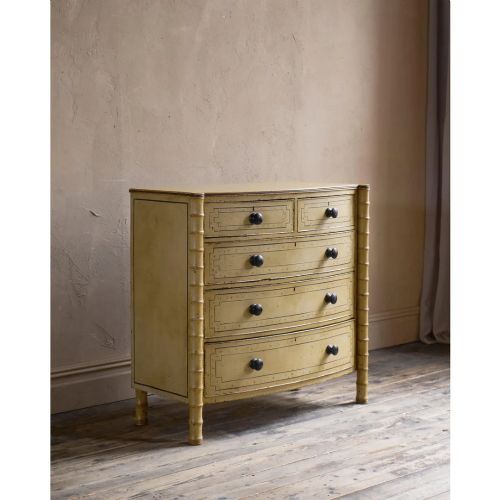
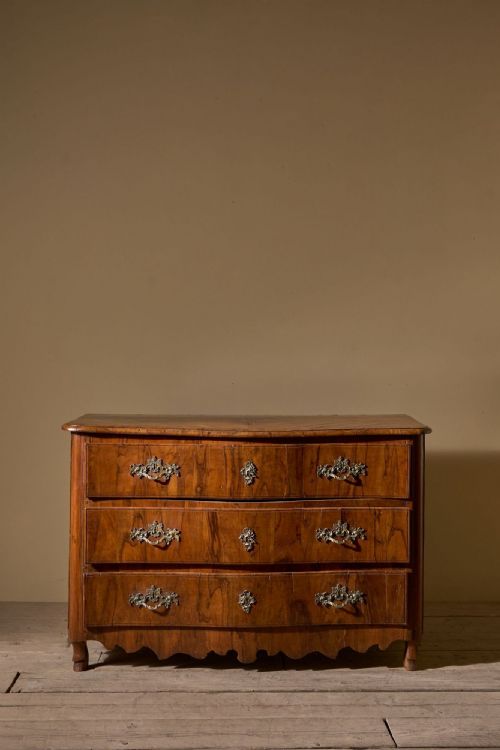
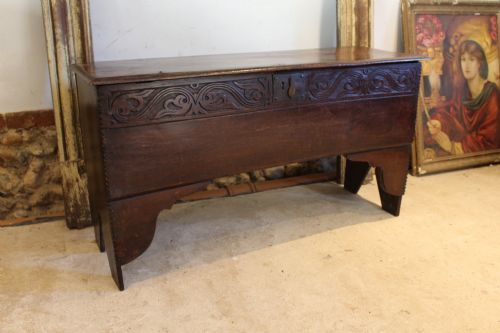
The versions most commonly met on this page include eighteenth-century oak and elm coffers, as well as Georgian mahogany and walnut chests of drawers. Regional pieces such as Welsh six-plank coffers and vernacular country items also appear frequently alongside formal cabinet pieces.
Form follows function across these examples, shifting from lidded storage boxes intended for textiles and valuables to multi-drawer case furniture designed for domestic organisation. Materials range from native oak and elm to exotic veneers like olivewood and amboyna.
How they were made
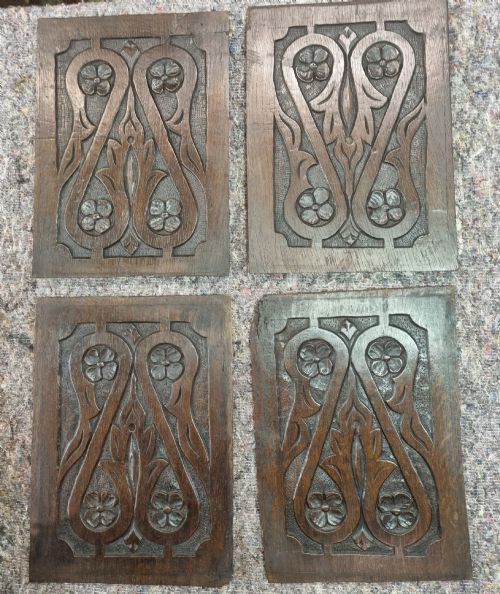
Cabinetmakers and joiners constructed these pieces using solid timbers such as oak, elm, walnut, and mahogany, frequently enhanced with veneers and inlay. Surfaces were joined with traditional techniques like dovetailing for drawer construction and mortise and tenon joints for structural framing.
Hardware such as brass handles and iron hinges were hand-forged or cast, securing lids, doors, and drawers while adding decorative contrast to the timber. Surface finishes relied on hand-applied wax or polish that highlighted the natural grain and colour of the wood over generations.
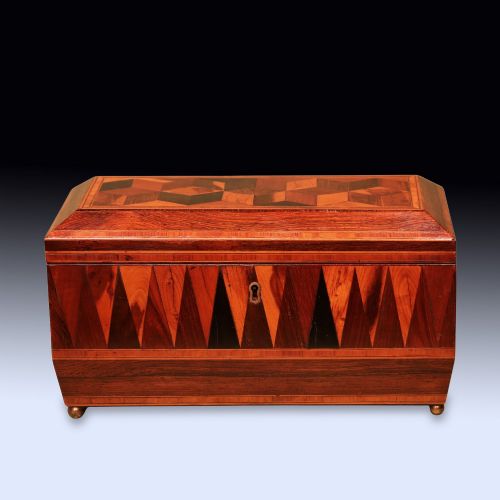
The inventory includes specialised storage forms such as Japanese Tansu chests, tea caddies, money boxes, and joined Lancashire coffers.
What varies in quality
The standard of a period timber chest depends heavily on the selection of timber and the sophistication of its construction. Pieces featuring highly figured veneers, intricate parquetry, or integrated marquetry demonstrate superior workshop capability compared to plain vernacular items.
Proportion and integrity of the original hardware also dictate the standing of an example. Finer pieces retain their original brass handles, locks, and internal partitions, whereas lesser items often show extensive timber replacement and mismatched secondary woods.
The Period Timber Chest Glossary
- Coffer
- A heavy wooden chest with a hinged lid, traditionally used for storing valuables, textiles, or documents in domestic and ecclesiastical settings. These items often feature six-plank construction or joined framing.
- Dovetail
- A joinery technique utilising interlocking wedge-shaped fingers to connect drawer sides to drawer fronts securely. This joint is a hallmark of traditional cabinetmaking.
- Parquetry
- Geometric mosaic woodwork inlaid into a surface to create decorative patterns. It frequently adorns the tops of tea caddies and cabinet fronts.
- Marquetry
- The art of applying pieces of veneer to a structure to form decorative pictures and designs. Elaborate floral and pictorial motifs typify this technique on high-status case furniture.
- Veneer
- A thin layer of choice wood adhered to a base of secondary timber to provide a decorative exterior surface. This method allowed makers to utilise highly figured woods like walnut and amboyna efficiently.
Period Timber Chest: Frequently Asked Questions
How do I care for antique wood furniture?
Antique wood pieces require stable room temperatures and protection from direct sunlight to prevent the timber from drying out and splitting. Applying natural beeswax periodically helps nourish the surface and maintain the finish.
Avoid placing these items near direct heat sources or damp areas. Gentle dusting with a dry cloth keeps the surface clean without damaging the patina.
What is the difference between a coffer and a chest of drawers?
A coffer is a lidded box accessed from the top, designed primarily for bulk storage of textiles and household goods before the widespread adoption of fitted rooms. A chest of drawers incorporates horizontal sliding compartments accessed from the front.
Chests of drawers emerged as domestic living became more compartmentalised and refined during the seventeenth and eighteenth centuries, allowing easier retrieval of specific items.
How do I identify a Georgian chest of drawers?
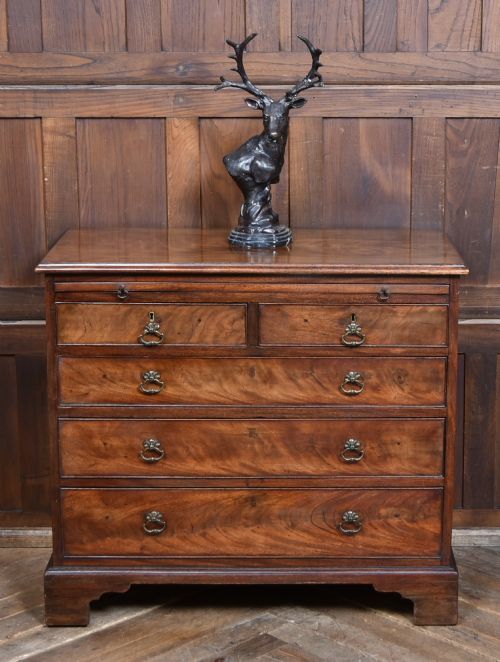
Georgian chests of drawers typically feature symmetrical facades, proportioned drawer arrangements, and high-quality timber selections like mahogany or walnut. They often stand on bracket feet or short cabriole legs.
Drawer construction on these pieces generally utilises hand-cut dovetails and oak linings, accompanied by brass batwing or drop handles fixed to the front.