





Period Timber Box
A period timber box holds centuries of daily utility, offering solid oak, elm, and iron craftsmanship for practical storage.
Period Timber Box
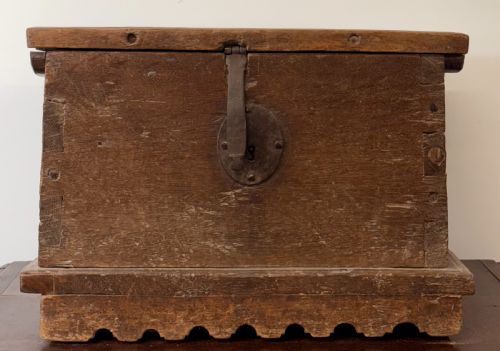
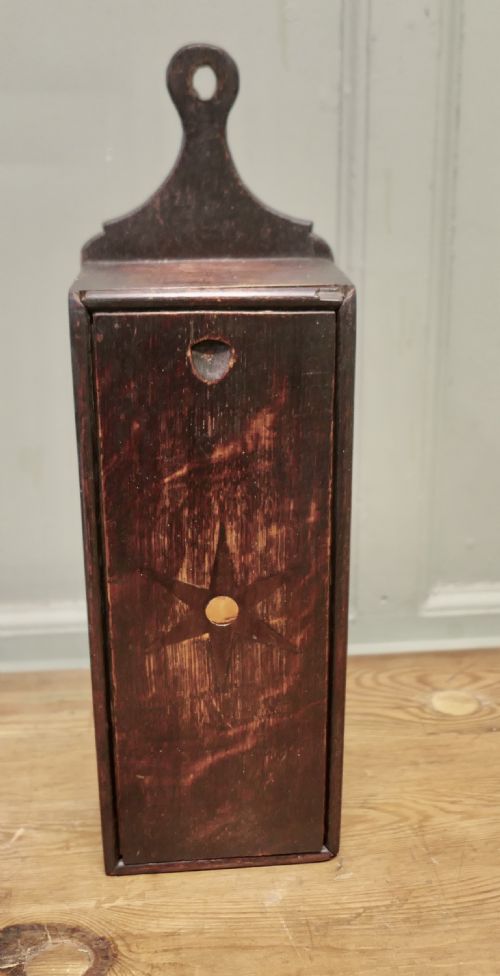
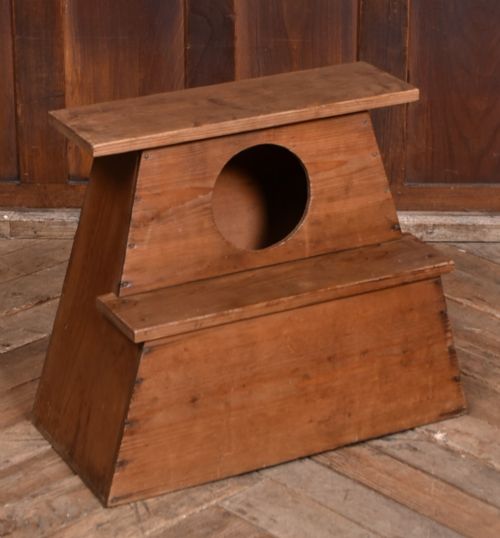
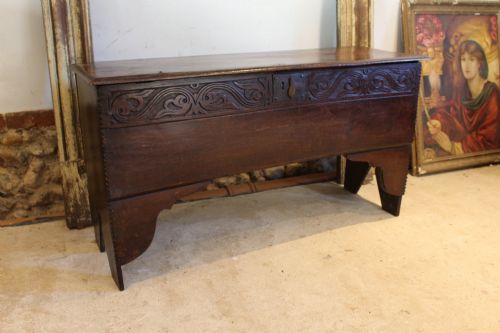
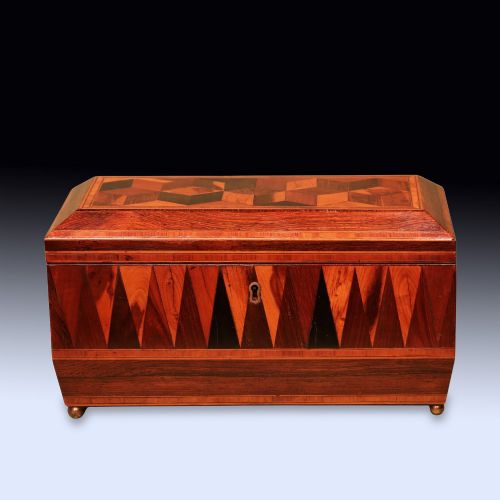
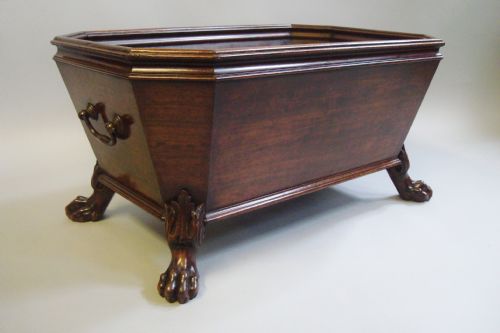
A period timber box spans robust six-plank coffers, wall-hanging candle boxes, and intricate tea caddies originating from seventeenth-century joinery workshops up to nineteenth-century design eras. Buyers exploring this selection encounter utilitarian storage trunks, small caskets, and domestic containers shaped by regional British vernacular and international traditions.
The most common forms on this page include seventeenth-century oak coffers and eighteenth-century wall boxes alongside nineteenth-century tea caddies and imported Japanese money boxes. These pieces reflect both the heavy joinery of early English country houses and the refined marquetry of the Regency period.
How they were made
Cabinetmakers and joiners constructed these containers using native hardwoods such as oak, elm, and pine, frequently reinforced with hand-wrought iron hinges, strapwork, and brass fittings. Early coffers rely on heavy plank construction and pegged joints, whilst later tea caddies and caskets employ fine parquetry and decorative wood veneers.
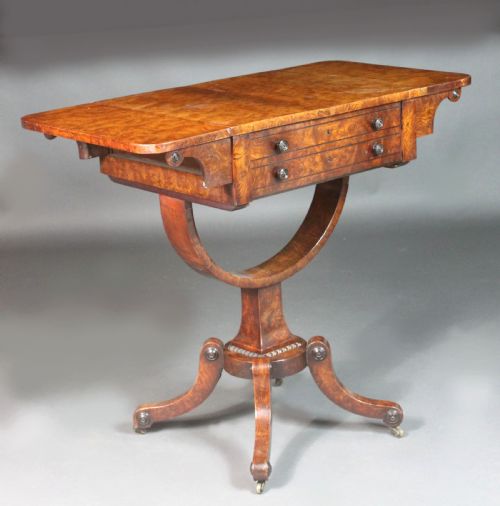
Surfaces show the direct marks of early hand tools, adzes, and planes, leaving behind textured grain patterns on vernacular elm and polished finishes on figured mahogany and burr ash. Structural assembly prioritises durability, utilising traditional joinery methods that allow solid timber to expand and contract naturally over centuries.
Period Timber Box Retail Price Guide 2026
Typical asking prices for period timber box among the pieces listed under this phrase on Sellingantiques today, from the lower quarter to the upper quarter. They describe what is for sale here now, not the wider market.
Listings feature structural timbers spanning native British oak, elm, and pine alongside imported padouk and rosewood.
What varies in quality
The distinction between standard domestic containers and superior examples rests upon the integrity of the original timber, the complexity of the joinery, and the survival of period mounts. Pieces retaining their original iron hardware, undisturbed surface patina, and untouched board construction command greater respect from collectors.
Refined execution in decorative details, such as precise parquetry patterns, hand-carved panels, and well-fitted internal compartments, separates standard utility items from high-status examples of cabinet work. The balance between untouched historical surfaces and structural soundness dictates the standing of each piece within the range.
The Period Timber Box Glossary
- Coffer
- A heavy wooden chest traditionally used for storing valuables, linen, or documents in domestic settings. These items often feature plank construction or joined framing.
- Parquetry
- A geometric mosaic of wood pieces used for decorative veneer on surfaces such as tea caddies and tabletop boxes. This technique creates patterned designs using contrasting timber tones.
- Vernacular
- Architectural or craft styles created by local artisans using regional materials rather than grand academic designs. This approach produces honest, unpretentious domestic objects.
- Joinery
- The wooden framing method used to connect structural timber components without relying entirely on metal nails. Early examples rely on pegged mortise and tenon joints.
- Casket
- A small ornamental box or chest intended for holding precious items, jewellery, or documents. These objects frequently incorporate decorative carving, metalwork, or fine finishes.
Period Timber Box: Frequently Asked Questions
What is a six plank coffer?
A six plank coffer is an early storage chest made from a single board for each side, joined at the edges with simple pegged or nailed butt joints. These robust items represent some of the oldest surviving domestic furniture forms.
Craftsmen built them for heavy utility in seventeenth-century homes, relying on sheer timber thickness rather than complex framework for structural strength.
How do I date an old oak box?
Dating an old oak box involves examining the tool marks, construction joints, and hardware style. Hand-split timber and pegged mortise and tenon joinery generally indicate seventeenth-century or earlier origins.
Later pieces shift toward machine-sawn boards, standardised ironwork, and refined veneers, helping to separate centuries of cabinetmaking traditions.
Where were wall hanging boxes used?
Wall hanging boxes were positioned near hearths, doorways, or communal areas to keep small necessities such as candles or tinder dry and secure. Their elevated placement kept contents away from damp floors and busy domestic traffic.
These compact containers often feature shaped backboards with suspension holes designed for hanging directly on timber wall pegs.
Can I use a tea caddy daily?
Using a period tea caddy daily is entirely practical, provided the interior foil linings and delicate hinges are treated with care. Many retain partitioned compartments originally designed to keep expensive loose leaves separate.
Placing them on stable surfaces away from direct heat sources protects the fragile parquetry and polished veneer from splitting.